
Pests and Diseases
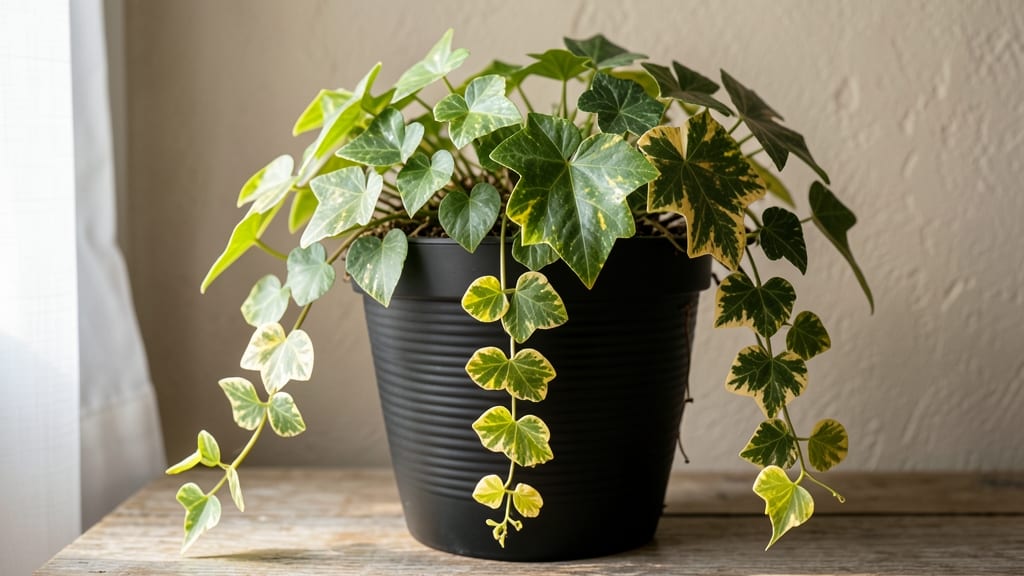
Finding a four-leaf ivy plant feels like discovering hidden treasure in your garden. ✨ This rare botanical marvel carries centuries of luck symbolism, making it the perfect centerpiece for garden decor that whispers good fortune with every glance.
The secret lies in its placement—position it near entryways or patio seating where its distinctive leaves catch the eye. Pair it with silver foliage plants like lamb’s ear or dusty miller to make the green leaves pop against metallic tones, creating a striking visual contrast that feels intentional.
You’ll transform ordinary spaces into conversation starters with this plant’s natural charm. The four-leaf ivy thrives in partial shade, so it’s ideal for under trees or along shaded walkways where its leaves can shimmer in dappled sunlight.
Whether you believe in luck or not, this plant adds a touch of whimsy and cultural depth to any outdoor space. Here’s how to make it shine in your garden design.
📚 In This Guide
- What you need
- Instructions
- Tips and common mistakes
- Wrapping up and next steps
What you need
- ● 4-leaf ivy cuttings – 1-2 healthy cuttings (ensure they have at least 4 leaves and a few inches of stem for rooting).
- ● Well-draining potting mix – 1 small pot (6-inch diameter) or a seedling tray filled with a blend of peat moss, perlite, and coconut coir (or a pre-mixed succulent/ivy mix).
- ● Watering can or spray bottle – For gentle hydration (avoid soggy soil!).
- ○ Rooting hormone (optional but helpful) – 1 small bottle to speed up root development.
- ● Pruning shears or sharp scissors – For clean cuttings (sterilize with rubbing alcohol!).
- ○ Clear plastic bag or propagator – To create a humidity dome (optional but boosts success).
- ● Bright, indirect light source – A south- or east-facing window or a grow light for 6-8 hours/day.
- ● Patience & luck! 🍀 – 4-leaf ivy is rare; give it 4-8 weeks to root.
- ● Overwatering – Let the top inch of soil dry out between waterings.
- ● Direct sunlight – Can scorch delicate leaves; opt for filtered light.
- ● Poor drainage – Use pots with drainage holes to prevent root rot.
How to cultivate lucky 4-Leaf ivy for symbolic garden appeal
This is the method I use to grow vibrant, lucky 4-leaf ivy—whether as a container centerpiece or climbing accent.
🌱 Step 1: Select and Prepare Healthy Ivy Cuttings
Start with mature ivy stems that have at least 4-5 leaves. Look for healthy vines with no yellowing or brown spots—they won’t root well. I like to take cuttings in early spring when growth is vigorous. Use clean, sharp pruning shears to make a 45-degree angle cut just below a leaf node.
Strip the lower leaves from each cutting, leaving only the top 2-3 leaves. This prevents rot while the roots develop. Place the cuttings in a jar of room-temperature water and position them in bright, indirect light. You’ll see tiny white roots appear at the cut end in about 2-3 weeks—that’s your signal to move to soil.
🪴 Step 2: Plant in Well-Draining, Nutrient-Rich Soil
Use a 6-inch diameter container for each plant since 4-leaf ivy needs space to grow. Fill it with a mix of 50% potting soil and 50% perlite or orchid bark for excellent drainage. I always water the mix first so it’s evenly moist but not soggy before planting.
Make a small hole with your finger and slide the rooted cutting in until the node (where roots formed) is just below the soil surface. Gently firm the soil around the stem—don’t pack it down too tightly. Place the container in a spot with bright, indirect light for the first week to help it establish.
☀️ Step 3: Provide Consistent Light and Humidity
4-leaf ivy thrives in medium to bright indirect light. A north or east-facing window is ideal, but avoid harsh afternoon sun which can scorch leaves. If your space is dim, supplement with a grow light 6-12 inches away for 12-14 hours daily.
Mist the leaves lightly every 2-3 days to maintain humidity—this plant loves it tropical. You’ll notice new growth emerging within 4-6 weeks, and that’s when you can start training it to climb or cascade. If leaves yellow, it’s either too much water or not enough light.
✂️ Step 4: Prune and Encourage Full, Bushy Growth
Pinch back the tips of new growth when they reach about 6 inches to encourage branching. This is how you get that lush, full look. I also trim any leggy stems to maintain a compact shape. Use clean pruners and make cuts just above a leaf node at a 45-degree angle.
Rotate the container a quarter turn weekly so the plant grows evenly toward the light. When you see 4 leaves on a single stem, that’s your lucky find! Propagate those stems immediately by repeating Step 1. Deadhead any brown or damaged leaves to keep the plant healthy and vibrant.
💧 Step 5: Water and Fertilize for Long-Term Health
Water when the top 1 inch of soil feels dry. Stick your finger in the soil—if it’s damp below that level, wait another day. Overwatering is the #1 killer of ivy, so always use a pot with drainage holes. I fertilize every 4-6 weeks in spring and summer with a balanced liquid fertilizer diluted to half strength.
In winter, reduce watering to every 2-3 weeks and stop fertilizing. The plant enters a slower growth phase, but it’s still important to keep the soil slightly moist. You’ll know you’re doing it right when your ivy stays consistently green and produces those coveted 4-leaf stems year after year.
Tips & tricks for cultivating lucky 4-Leaf ivy
These little-known tricks will help you maximize your chances of growing those rare, lucky 4-leaf stems while keeping your ivy thriving.
Timing for Root Development: The 2-3 weeks it takes for roots to appear in water is crucial—don't rush this step! I've found that placing your cuttings in a warm spot (around 70°F) can help speed up root formation slightly. Once you see those tiny white roots, act fast to plant them in soil within 24 hours to prevent root damage.
Soil Mix Secret: The 50/50 mix of potting soil and perlite/orchid bark is perfect for drainage, but here's the trick: add a handful of worm castings to that mix. The natural nutrients will give your ivy a gentle boost without overpowering it. I've noticed my plants establish faster and produce more 4-leaf stems when I use this organic amendment.
Light Strategy: While medium to bright indirect light is ideal, I've discovered that rotating your plant's position every few days (even just a quarter turn) helps create a more balanced, bushier plant. This prevents leggy growth and encourages those coveted 4-leaf stems to appear throughout the plant, not just on one side.
Pruning Technique: When you're pinching back those 6-inch stems, here's what I do: make your cut just above a leaf node where you see a tiny bud forming. This bud will sprout into a new branch, creating that full, bushy look. I also recommend doing this pruning in the morning—new growth seems to take off better when started in daylight hours.
Pro Tips for 4 Leaf Ivy
- These little-known tricks will help you maximize your chances of growing those rare, lucky 4-leaf stems while keeping your ivy thriving.
- Timing for Root Development: The 2-3 weeks it takes for roots to appear in water is crucial—don't rush this step!
- Soil Mix Secret: The 50/50 mix of potting soil and perlite/orchid bark is perfect for drainage, but here's the trick: add a handful of worm castings to that mix.
Frequently asked questions
Got questions about cultivating or caring for your 4-leaf ivy? You’re not alone—this rare plant comes with its own set of curiosities! Below, we tackle the most common queries to help you keep your lucky green friend thriving.
Why is my 4-leaf ivy losing leaves? Is it normal?
Some leaf drop is normal, especially when adjusting to new conditions. However, excessive shedding often signals stress—think underwatering, overwatering, or sudden temperature shifts. Check soil moisture (it should be slightly damp, not soggy) and ensure it’s in bright, indirect light. If the problem persists, inspect for pests like spider mites.
How do I encourage more 4-leaf clusters to grow?
While you can’t force a 4-leaf ivy to produce more clusters, healthy care increases your odds! Prune regularly to encourage bushier growth, and fertilize lightly during spring/summer with a balanced liquid fertilizer. Patience is key—these rare leaves are a natural mutation, not a guaranteed feature!
When is the best time to propagate my 4-leaf ivy?
The ideal window is spring or early summer, when the plant is actively growing. Take 4–6 inch cuttings from healthy stems, remove lower leaves, and dip in rooting hormone before planting in moist potting mix. Keep humidity high (a plastic bag works!) and avoid direct sunlight until roots establish—usually in 3–4 weeks.
Can I keep 4-leaf ivy outdoors year-round, or does it need winter care?
If you live in a USDA Zone 9+, it may survive outdoors year-round, but most growers bring it inside before frost. In colder climates, move it to a cool (50–60°F), bright spot. Reduce watering in winter—overwatering is the #1 killer during dormancy. A south-facing window or grow light keeps it happy until spring!
What’s the difference between 4-leaf ivy and regular English ivy?
4-leaf ivy
is a cultivar of English ivy (Hedera helix) with a rare genetic mutation—its leaves sprout four leaflets instead of the usual three. While the care is identical, the symbolism (good luck!) and visual appeal make it a prized collector’s item. Regular ivy is hardier but lacks that magical touch!
Wrapping up and next steps
So, your 4-leaf ivy isn’t just a stunning garden centerpiece—it’s a symbol of luck, resilience, and a little magic! 🌿 Whether you’re battling pests, nurturing growth, or simply embracing its bold charm, this plant reminds us that even the smallest details can bring big rewards.
Ready to turn your green thumb into a lucky one?
Your next step? Plant that ivy, share its story, and watch your space—and fortune—thrive! 🌟 Tag us in your pics—we’d love to see your four-leaf ivy adventures!