
Pests and Diseases
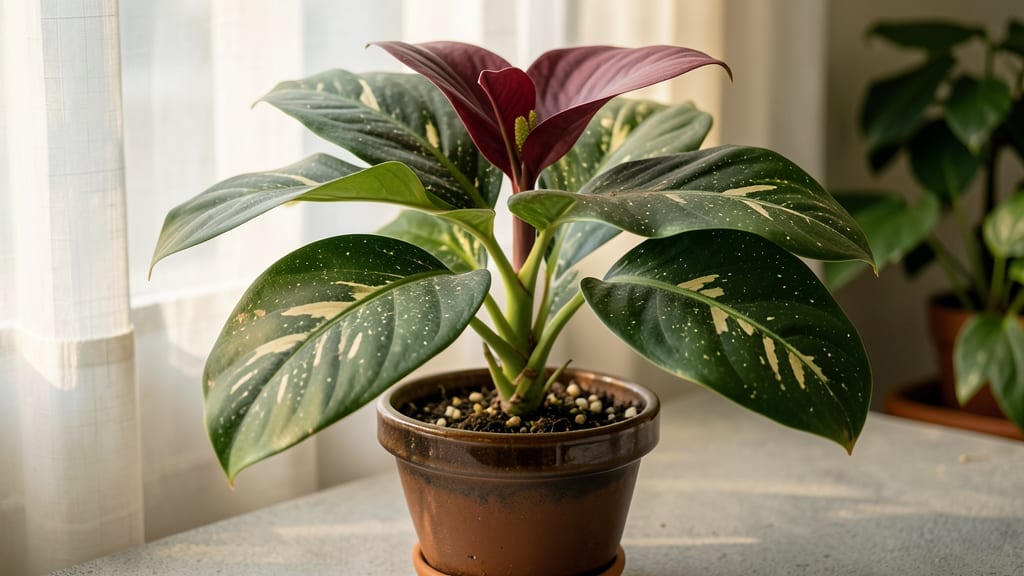
That 5-leaf poison plant (Dieffenbachia) might look harmless, but its sap causes painful swelling and mouth irritation if touched or ingested. 🚨 I’ve seen too many pets and kids accidentally exposed—here’s how to spot it, handle it safely, and prevent accidents before they happen.
The plant’s signature heart-shaped leaves with white or yellow speckles and thick stems make it easy to confuse with peace lilies. But unlike non-toxic plants, Dieffenbachia’s sap contains calcium oxalate crystals that trigger burning sensations. ASPCA reports it’s one of the top 10 toxic houseplants for pets.
For safe removal, wear gloves and seal the plant in a plastic bag before disposal. Never compost it—even dead leaves can release toxins. Wipe surfaces with vinegar to neutralize any lingering residue. Households with curious pets or kids should swap it for pet-safe alternatives like spider plants or Boston ferns.
Prevention starts with knowing what’s in your home.
Root Causes Of Fungal Spots
Fungal spots on your 5-leaf poison plant (or Ricinus communis) don’t appear out of nowhere—they’re the result of environmental stressors, poor cultural practices, or biological invaders. Understanding why these unsightly blemishes develop is the first step to eradicating them for good.
Below, we break down the three primary culprits behind fungal spot outbreaks, complete with scientific explanations and actionable insights to help you prevent future flare-ups.
Fungal pathogens like Alternaria and Cercospora thrive in moist, stagnant environments. When your 5-leaf poison plant sits in damp soil, splashed with water, or trapped in high humidity (especially above 75%), spores germinate and infect leaves.
Why It Happens:
- Poor Air Circulation: Dense foliage or crowded plants trap moisture, creating the perfect breeding ground for fungi.
- Overhead Watering: Water droplets linger on leaves, providing a direct route for spores to penetrate leaf tissues.
- Nighttime Dew: Persistent morning dew without enough sunlight to dry leaves can accelerate fungal growth.
Actionable Fixes:
✔ Space Plants Properly – Ensure 3–4 inches of airflow between stems to reduce humidity buildup. ✔ Water at the Base – Use a soaker hose or drip irrigation to avoid wetting leaves. ✔ Morning Watering – Apply water before 10 AM so leaves dry by evening. ✔ Dehumidify – Use a fan or dehumidifier in greenhouses or humid climates.
A plant under stress—whether from nutrient deficiencies, over-fertilization, or poor soil health—becomes an easy target for fungal infections. Fungi exploit weakened cellular structures, making it easier to invade.
Why It Happens:
- Nitrogen Overload – Too much nitrogen (common in fast-release fertilizers) promotes soft, succulent growth, which is more susceptible to fungal attacks.
- Deficiency in Micronutrients – Lack of copper, zinc, or manganese weakens the plant’s cell wall integrity, making it vulnerable.
- Compacted or Waterlogged Soil – Poor drainage restricts root function, leading to systemic stress and reduced disease resistance.
Actionable Fixes:
✔ Test Soil pH – Aim for 6.0–7.0; fungal pathogens prefer acidic soils (below 5.5). ✔ Balance Fertilizer – Use a slow-release, organic fertilizer (e.g., fish emulsion or compost) with a lower nitrogen ratio (e.g., 5-5-5). ✔ Add Organic Matter – Mix in compost or perlite to improve drainage and microbial activity. ✔ Fungal-Resistant Amendments – Sprinkle neem cake or mycorrhizal fungi to boost plant immunity.
Fungal spores are everywhere—in soil, air, and even on tools. Once they find a wound or entry point, they colonize rapidly.
Common triggers include: - Physical Damage (pruning cuts, hail, or insect bites) - Contaminated Tools (pruners, pots, or gloves carrying spores) - Cross-Contamination (moving infected plants near healthy ones)
Why It Happens:
- Spores Germinate in Warmth – Fungi like Alternaria flourish in 70–85°F (21–29°C) temperatures.
- Rain or Splashing Water – Heavy rain or overhead irrigation splashes spores onto leaves, increasing infection rates by up to 50%.
- Old or Decaying Debris – Leaving fallen leaves or mulch near the base provides a food source for fungi.
Actionable Fixes:
✔ Sanitize Tools – Wipe pruners with 70% isopropyl alcohol or bleach solution (1:10 ratio) between uses. ✔ Remove Infected Leaves – Prune spotted leaves immediately and dispose of them in a sealed bag (not compost). ✔ Rotate Plant Locations – Avoid planting in the same spot yearly to break fungal life cycles. ✔ Use Copper-Based Fungicides – Apply copper spray (e.g., Bordeaux mixture) as a preventative barrier before symptoms appear.
Pro Tip: 💡 Monitor leaf undersides—this is where 90% of fungal spores first appear. Check weekly during humid seasons!
Quick Fixes for Fungal Spot Damage
Fungal spots on your five-leaf poison plant (or Ricinus communis) can be frustrating, but with the right approach, you can restore your plant’s health and prevent future outbreaks.
Below are practical, step-by-step solutions tailored to the most common causes—from overwatering to poor air circulation—along with prevention tips to keep your plant thriving.
Fungal spots often thrive in soggy soil, where excess moisture creates the perfect breeding ground. Act fast to save your plant:
🍳 Step 1: Adjust Your Watering Routine
- Let the top 1–2 inches of soil dry out before watering again.
Stick your finger in the soil—if it’s damp, wait! - Water deeply but less frequently—this encourages strong root growth and reduces surface moisture. - Use well-draining soil (mix in perlite or sand if needed) to prevent waterlogging.
👨🍳 Step 2: Improve Drainage
- Repot if necessary into a container with drainage holes.
- Add a layer of gravel or pebbles at the bottom of the pot to promote airflow.
🥘 Step 3: Treat the Soil
- Apply a fungicide (like copper spray or neem oil) to the soil surface to kill existing fungi.
- Avoid wetting the leaves when watering—use a watering can with a narrow spout or water at the base.
💡 Pro Tip: If your plant is in a decorative pot without drainage, consider repotting it temporarily into a nursery pot while it recovers.
Stagnant air traps humidity, giving fungi a chance to spread. Boost circulation with these fixes:
✨ Step 1: Move Your Plant
- Relocate it to a brighter spot (but avoid direct sun, which can stress the plant).
- Place it near a fan (on low setting) to improve airflow without damaging leaves.
🎯 Step 2: Prune for Better Airflow
- Trim crowded or yellowing leaves to allow air to circulate around the plant.
- Space plants apart if growing multiple in the same area.
🔪 Step 3: Clean Up Debris
- Remove fallen leaves or mulch around the base of the plant—these can harbor spores.
- Wipe leaves gently with a damp cloth to remove dust (which blocks airflow).
💡 Pro Tip: If humidity is high (like in bathrooms or kitchens), use a dehumidifier nearby to keep levels below 50%.
If the spots keep coming back, aggressive treatment is needed:
🔥 Step 1: Isolate the Plant
- Move it away from other plants to prevent spores from spreading.
- Wash your hands and tools with soap and water before and after handling.
🍳 Step 2: Apply a Copper Spray Protocol
Follow this 3-step fungicide routine for best results: 1. Mix a copper fungicide (like Bordeaux mixture or copper sulfate) according to package instructions.
- Spray the plant thoroughly, covering both sides of leaves and the soil surface.
- Reapply every 7–10 days until new growth appears free of spots.
👨🍳 Step 3: Remove Severely Infected Leaves
- Snip off heavily spotted leaves with clean pruning shears.
- Dispose of them in the trash (not compost)—fungi can survive in compost piles.
⏰ Time-Saver Tip: For a natural alternative, mix 1 tsp baking soda + 1 quart water + a few drops of dish soap and spray lightly (test on one leaf first).
Once your plant is back in shape, keep these habits to avoid future outbreaks:
✅ Water wisely – Early morning is best to allow leaves to dry. ✅ Inspect regularly – Catch spots early before they spread. ✅ Rotate your plant – Ensures even light exposure and airflow. ✅ Avoid overhead watering – Use a tray or drip irrigation instead. ✅ Clean tools – Sterilize pruners with rubbing alcohol between uses.
By following these targeted solutions, your five-leaf poison plant should bounce back stronger—and with a little prevention, you can keep fungal spots at bay for good! 🌿✨
Frequently asked questions about the five-leaf poison plant
What are the most common symptoms if someone touches or ingests this plant?
Contact with the sap causes immediate burning, swelling, and irritation in the mouth or throat if ingested. Common reactions include drooling, vomiting, and difficulty swallowing, which can last for hours. Pets may paw at their face or drool excessively after chewing the leaves.
How can I tell if my plant is Dieffenbachia (five-leaf poison plant) versus a peace lily?
Dieffenbachia has thick, glossy leaves with distinct white or yellow speckles and grows upright with visible nodes on the stems. Peace lilies have dark green, waxy leaves that droop when thirsty and produce white flower spikes. The key difference? Dieffenbachia’s leaves are always upright, while peace lily leaves droop.
Is the sap toxic to pets, and what should I do if my dog or cat chews on it?
Yes, the ASPCA lists Dieffenbachia as highly toxic to pets. If your pet chews it, rinse their mouth with water and contact your vet or Pet Poison Helpline immediately. Keep the plant out of reach—even small bites can cause painful swelling and drooling for hours.
Can I safely compost this plant after removing it?
No, never compost it! The toxins remain in dead leaves and soil. Seal the plant in a plastic bag and dispose of it in the trash. Wipe down surfaces with vinegar or soap to remove any lingering sap residue.
What are some pet-safe alternatives if I love the look of Dieffenbachia?
Try spider plants (easy to grow and non-toxic), Boston ferns (lush and safe), or parlor palms. These plants offer similar tropical vibes without the risks. For extra safety, check the ASPCA’s list of non-toxic plants before purchasing.