
Pruning
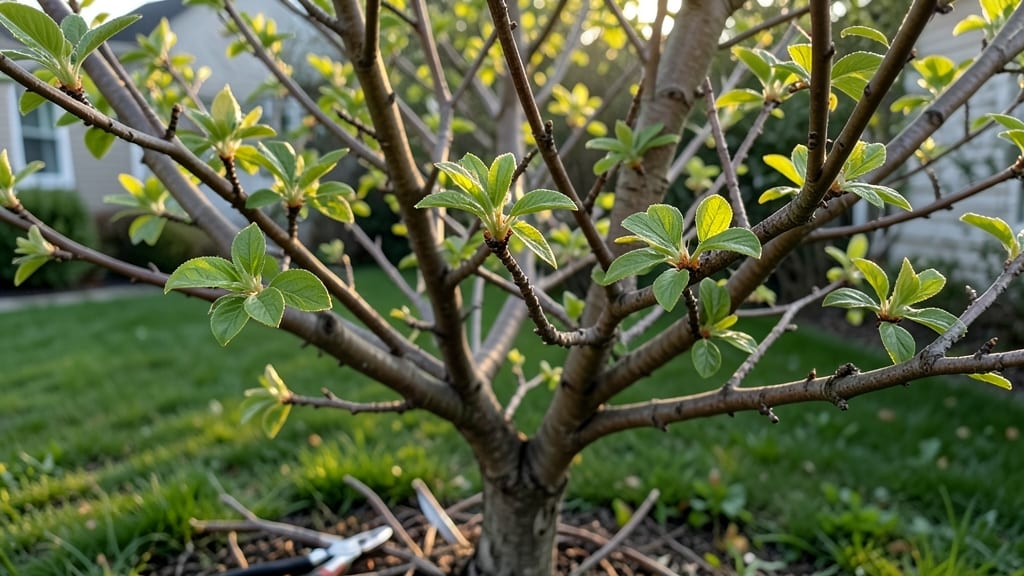
Maintaining a healthy five-leaf tree requires strategic seasonal pruning to encourage growth, prevent disease, and enhance its natural beauty. This guide covers essential trimming techniques tailored to each season for optimal year-round vitality.
Springtime Growth Stimulation Pruning
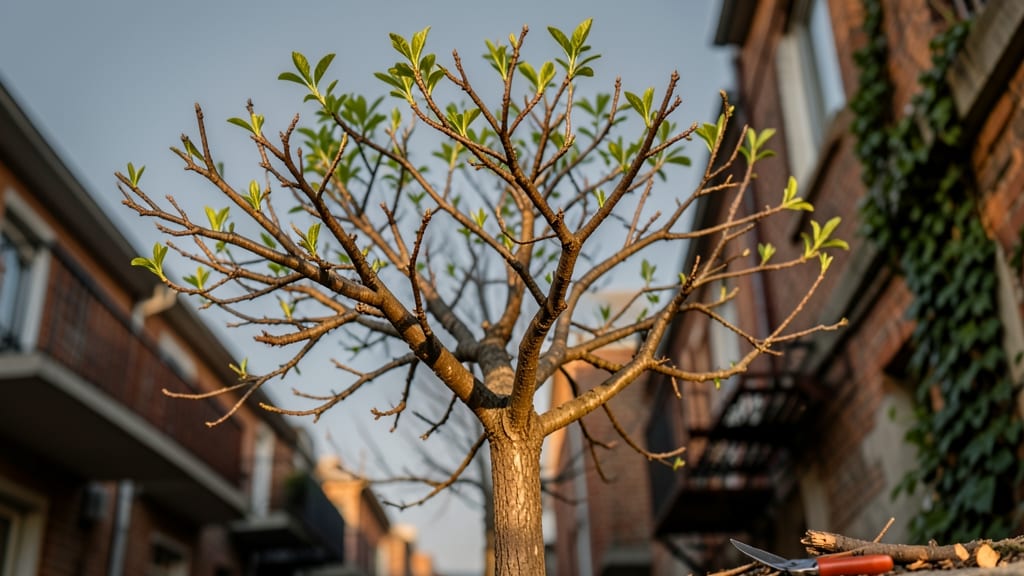
Spring is the perfect time to give your five-leaf tree a fresh start by removing winter-damaged branches and stimulating new growth—without needing a sprawling yard. This early-season pruning focuses on revitalizing the plant before active growth begins, making it especially ideal for urban gardeners with limited space.
Start by cutting back any dead, brown, or brittle branches with clean, sharp pruners. Look for new buds forming at the base of branches—these indicate where fresh leaves will emerge. Trim just above these buds at a 45-degree angle to encourage healthy regrowth. Avoid heavy pruning; focus on removing only what’s necessary to open the canopy to sunlight, which helps prevent fungal issues in dense foliage.
This approach not only boosts your tree’s vitality but also keeps it compact and manageable in tight spaces. Urban gardeners will appreciate how this method maximizes growth potential while minimizing maintenance. 🌱
Summer Shape-Defining Trimming Technique
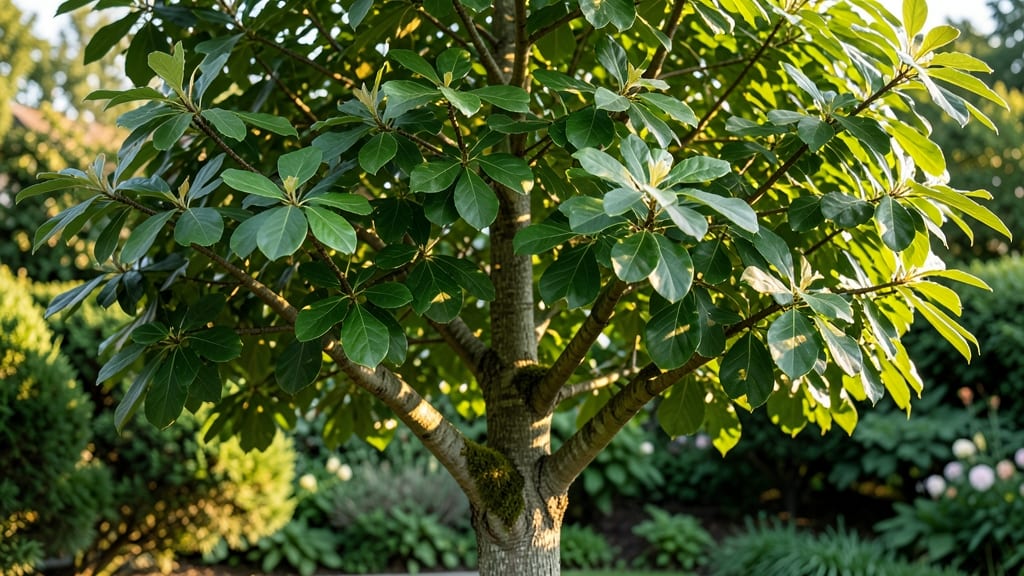
Summer is when your five-leaf tree enters its most active growth phase, making it the perfect time to refine its shape while keeping photosynthesis in balance. Unlike spring's growth-focused pruning, summer's technique focuses on precision cuts that maintain your tree's aesthetic without stressing the plant during its peak energy period.
Start by identifying branches that disrupt your desired silhouette—whether it's a bonsai-style dome or a more natural form. Make cuts just above a leaf node at a 45-degree angle to prevent water pooling, and avoid removing more than 25% of the foliage at once. For dense areas, thin out crowded branches to improve airflow and reduce humidity-related stress. Use sterilized tools to prevent bacterial infections, and always prune on overcast days to minimize leaf burn.
This method is especially valuable for bonsai enthusiasts or those cultivating in containers, where space and structure matter most. By mastering summer's shape-defining technique, you'll create a tree that thrives year-round. ✨
Autumn Disease Prevention Pruning
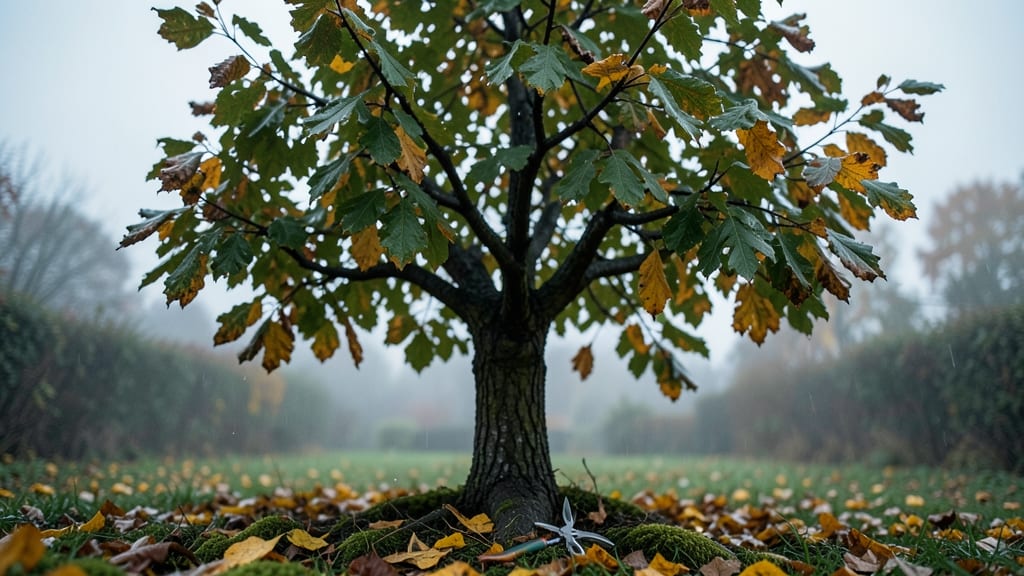
As autumn’s damp air settles in, your five-leaf tree becomes vulnerable to fungal diseases lurking in decaying foliage. Autumn disease prevention pruning is your shield—targeting infected leaves and weak branches before winter dormancy to stop pathogens in their tracks.
Start by removing any yellowing or spotted leaves (common fungal red flags) and branches with dieback or cankers. Use sterilized pruning shears to make clean cuts just outside the branch collar, then dispose of debris in sealed bags. Focus on weak, crossing, or crowded branches that trap moisture—these are fungal hotspots. Humid climates demand extra vigilance, as spores thrive in damp conditions.
This proactive approach saves you from springtime struggles with blight and rot. Gardeners in rainy or coastal regions will see the biggest benefits, but even dry climates benefit from reduced disease pressure. A little autumn effort means healthier growth next season. ✨
Winter Structural Reinforcement Trimming
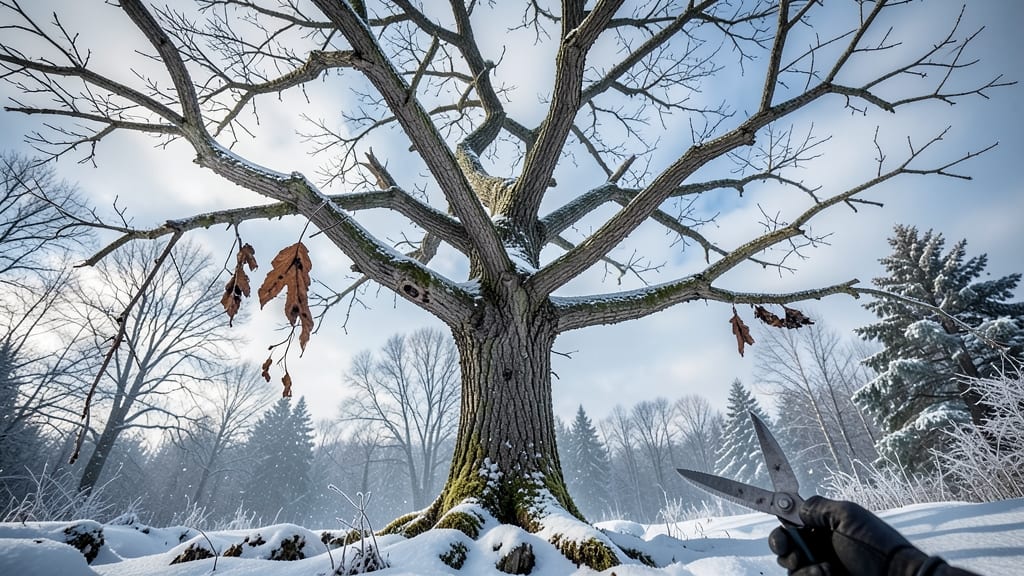
Cold winters can weaken your five-leaf tree’s structure, but winter structural reinforcement trimming is your secret weapon. By removing dead, diseased, or crossing branches before spring growth begins, you prevent wind damage and reduce snow load—critical for trees in Zone 3-5 climates where harsh conditions test resilience.
Focus on 10-20% of the tree’s canopy to avoid over-stressing it. Use sharp, sterilized tools to make clean cuts just outside branch collars, and remove any branches thinner than a pencil to improve airflow. This is also the perfect time to thin out dense areas—it strengthens the remaining branches and prepares the tree for vigorous spring regrowth.
Cold-region gardeners will love this low-maintenance step that pays off in stronger, healthier trees come spring. It’s especially valuable for younger trees still developing their framework. 🌟
Year-Round Dead Branch Removal
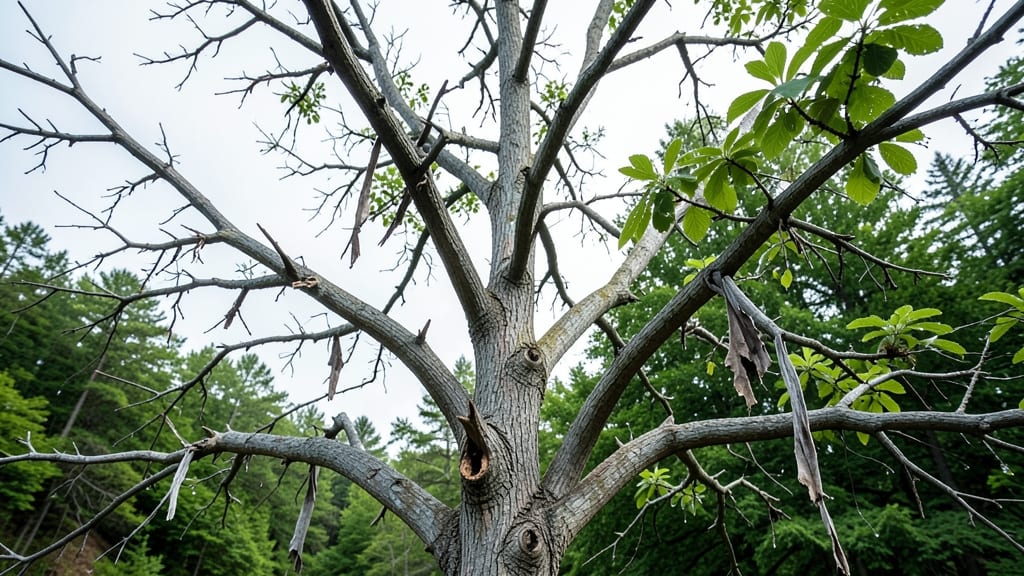
Dead branches don’t just look unsightly—they’re silent threats to your five-leaf tree’s health. Unlike seasonal trims, year-round dead branch removal keeps pests and structural weaknesses at bay, no matter the weather. This proactive approach ensures your tree stays strong and vibrant.
Start by inspecting branches for signs of death: brittle texture, lack of leaves, or hollow centers. Use sterilized pruning shears to make clean cuts just outside the branch collar (the swollen area where the branch meets the trunk). Focus on removing branches thicker than ½ inch to prevent pest entry points and reduce wind damage risks.
This practice is especially valuable for gardeners in humid climates or urban areas where trees face extra stress. A few minutes monthly can save hours of cleanup later—plus, it keeps your tree looking polished year-round. 🌿