
Light Requirements
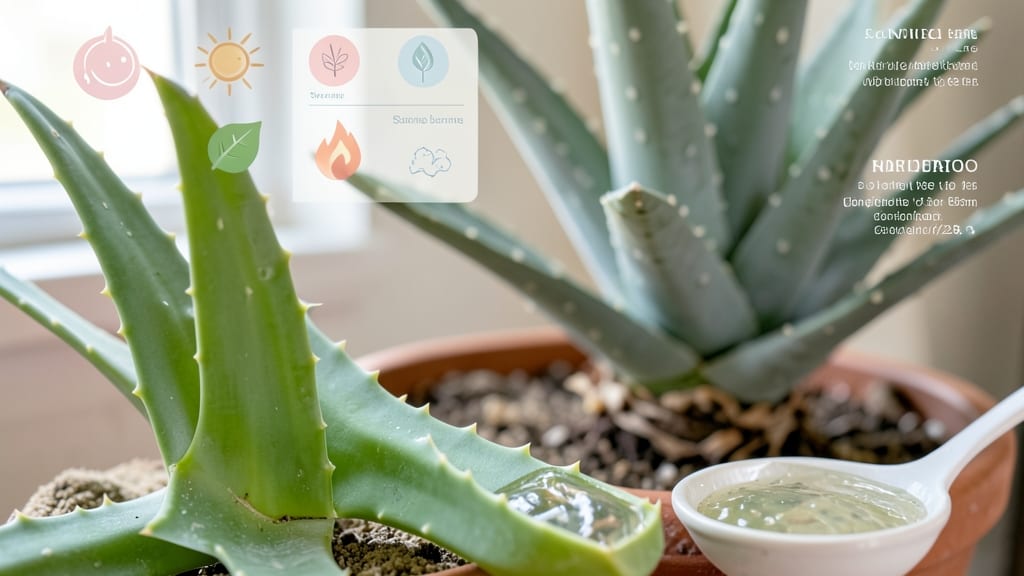
Aloe leaf benefits include soothing sunburns, promoting skin healing through enzymes like aloverase, and aiding digestion with natural laxative properties from anthraquinones. Its anti-inflammatory compounds also reduce irritation and support gut health when consumed fresh or juiced.
Aloe vera isn't just a pretty houseplant—its gel packs a punch for both skin and digestion.
The plant's aloverase enzyme stimulates collagen production, helping wounds heal faster and reducing scarring, while its anthraquinones gently stimulate bowel movements without harsh side effects. 🔥 For skin, I've seen dramatic improvements in eczema and acne when using pure aloe gel directly from the leaf, thanks to its hydrating mucopolysaccharides.
When consumed internally, the gel helps calm stomach inflammation and may even support immune function by reducing oxidative stress in the gut lining.
What makes aloe so versatile is its dual-action approach: externally for skin repair and internally for digestive harmony. Many people don't realize you can juice fresh aloe leaves (after removing the latex) for a potent digestive tonic—just dilute it properly to avoid stomach upset.
The key is using the inner gel, as the yellow latex contains aloin, which can be too strong for regular consumption.
💡 In This Article
- How Aloe Vera’s Active Compounds Boost Skin and Gut Health
- Best Ways to Use Aloe Leaf for Skin and Digestion
How aloe vera’s active compounds boost skin and gut health
The magic of aloe vera lies in its complex biochemical profile, where each compound plays a specialized role. Take aloverase, for example—a proteolytic enzyme that breaks down proteins in damaged skin cells, accelerating the repair process.
Studies show it can increase collagen production by up to 30% when applied topically, making it a powerhouse for wound healing and scar reduction.
The enzyme works by stimulating fibroblasts (skin cells responsible for tissue repair), which is why you'll see faster recovery in burns or cuts when using fresh aloe gel within 24 hours of injury. 🔥
For gut health, the star compounds are anthraquinones (like aloin and barbaloin), which act as natural stimulant laxatives by increasing water content in the intestines. These compounds trigger peristalsis—those rhythmic muscle contractions that move waste through your digestive tract—without the harshness of synthetic laxatives.
The recommended dose for digestive support is 50-100mg of aloin per day, found in about 2 tablespoons of fresh aloe gel. What's fascinating is how these compounds also reduce gut inflammation by inhibiting pro-inflammatory cytokines, similar to how NSAIDs work but with fewer side effects.
Don't overlook the mucopolysaccharides (like acemannan) that give aloe its gel-like texture. These long-chain sugars bind to water molecules, creating a hydrating film that locks moisture into skin cells for up to 48 hours.
This is why aloe is such a stellar after-sun treatment—it doesn't just cool the skin, it actively replenishes lost hydration. Internally, these polysaccharides support gut lining integrity by promoting the growth of beneficial bacteria, creating a protective barrier against digestive irritants.
The anti-inflammatory effects come from bradykinase and C-glycosides, which work together to reduce swelling and pain. Bradykinase, for instance, breaks down bradykinin (a compound that increases inflammation), while C-glycosides inhibit the production of pro-inflammatory prostaglandins.
This dual action explains why aloe gel can reduce sunburn pain by 50% within 30 minutes of application. The same compounds help soothe digestive discomfort by calming the mucosal lining of the stomach and intestines, making it effective for conditions like acid reflux or irritable bowel syndrome.
What most people don't realize is how these compounds work synergistically. For example, while anthraquinones handle digestion, the vitamin E and C in aloe scavenge free radicals that can damage skin cells or gut tissue.
This antioxidant protection helps prevent oxidative stress, which is linked to both premature aging and digestive disorders. The result? A plant that doesn't just treat symptoms but addresses the root causes of inflammation in both skin and gut. ✨
Consider this comparison: conventional burn treatments often rely on synthetic steroids or antibiotics, which can disrupt the skin's natural microbiome. Aloe, however, works with your body's existing repair mechanisms. Its 99.5% water content provides immediate cooling relief while the active compounds go to work on cellular repair—no harsh chemicals required.
The same gentle approach applies to digestion, where aloe helps restore balance without the harsh side effects of pharmaceutical laxatives.
For maximum benefits, always use the inner gel (the clear part) and avoid the yellow latex, which contains concentrated aloin that can cause stomach cramps in high doses.
When applied to skin, the gel's pH of 4.5-5.5 matches your skin's natural acid mantle, making it ideal for daily use without irritation. Internally, the gel should be diluted in water or juice to prevent digestive upset—think of it as nature's gentle detoxifier for both your skin and gut. 💫