
Pests and Diseases
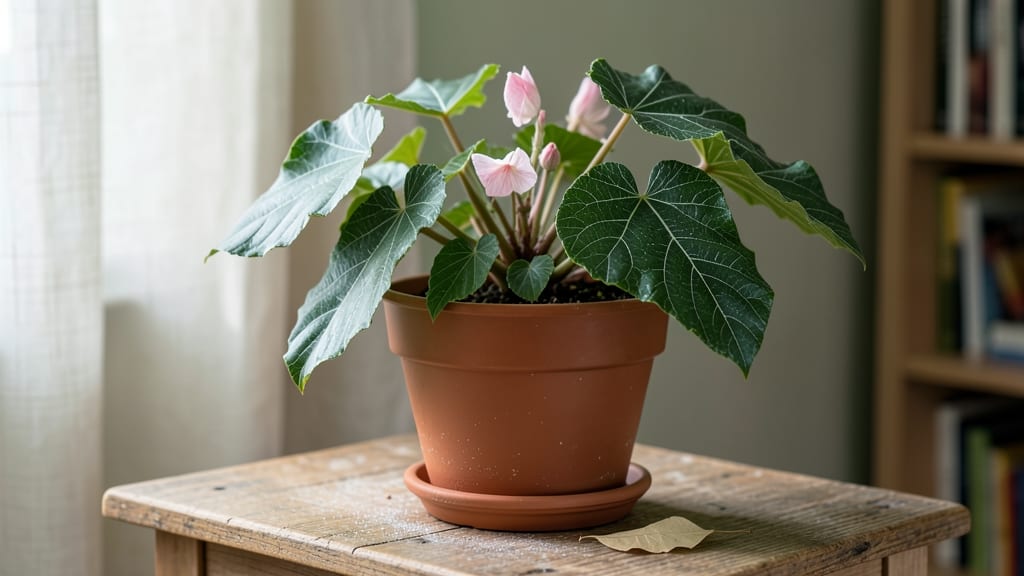
Growing angel leaf begonia transforms any space with its velvety foliage and delicate blooms. 🌿 This tropical beauty thrives when you mimic its natural habitat—bright, indirect light and consistently moist soil. The key to success lies in understanding its unique needs, from propagation to troubleshooting fungal spots before they spread.
I learned the hard way that angel leaf begonias demand humidity levels above 50%, which is why I keep mine near a pebble tray or under a plastic dome. Stem cuttings root easily in water or moist perlite, and within weeks, you'll see new growth that's shockingly lush.
The real magic happens when you balance watering—too much causes root rot, too little makes leaves crispy. Once established, these plants reward you with vibrant red blooms that last for months. The foliage alone is a showstopper, with deep green leaves that shimmer like polished jade.
Copper spray isn't just for emergencies—it's a 48-hour fix for fungal spots that keeps your begonias thriving season after season. Perfect for windowsills, terrariums, or shaded garden spots. Let's get those cuttings growing!
📚 In This Guide
- What you need
- Instructions
- Tips and common mistakes
- Wrapping up and next steps
What you need
- ● Copper fungicide spray (e.g., Copper Sulfate or Copper Hydroxide): 1 bottle (16–32 oz) – Must be labeled for use on ornamentals.
- ● Follow label instructions for dilution (typically 1–2 tbsp per gallon of water).
- ● Spray bottle (16–32 oz) – For mixing and applying the copper solution.
- ● Pruning shears (sterilized with rubbing alcohol) – To trim severely infected leaves.
- ● Gloves (nitrile or latex) – Protects hands from copper residue and plant sap.
- ● Watering can or hose with a gentle spray nozzle – For rinsing leaves before treatment.
- ○ Plastic sheeting or tarp (optional but recommended) – To cover nearby plants and protect surfaces.
- ● Neem oil (1 tsp per gallon of water) – Can be mixed with copper spray for added antifungal benefits.
- ● Horticultural oil – Helps smother fungal spores if used as a preventative.
- ● pH testing kit – Ensures your water is neutral (pH 6.0–7.0) for optimal copper absorption.
- ● Humidity tray with pebbles – Reduces excess moisture around the plant post-treatment.
- ● Label or marker – To mark treated plants and track progress over 48 hours.
Step-by-Step instructions for reviving fungal spot on angel leaf begonias
Here's how I treat fungal spot fast—before it spreads to those gorgeous, waxy leaves.
💧 Step 1: Isolate and Inspect the Plant
Move the affected begonia to a shaded, well-ventilated area immediately. Fungal spores spread through water splashes and airflow, so isolation prevents cross-contamination. Check the undersides of leaves first—those are where fungal spot loves to hide. You'll see dark brown or black spots with yellow halos, often surrounded by a fuzzy texture.
Wear gloves if you're sensitive to plant pathogens. Run your fingers gently over the leaves to feel for any raised, velvety patches. These are classic signs of fungal infection. If you spot more than 3-4 leaves with symptoms, act fast—this is your warning to treat before the whole plant wilts.
✂️ Step 2: Prune Infected Leaves and Sterilize Tools
Use clean, sharp pruning shears to snip off any leaves with fungal spots. Cut ½ inch below the affected area to ensure you remove all infected tissue. Drop the clippings into a sealed plastic bag—never compost them, as the fungus will survive and reinfect your garden.
After each cut, wipe your shears with rubbing alcohol to sterilize them. I keep a small bottle of 70% isopropyl alcohol nearby for this exact purpose. Disinfecting tools prevents spreading spores to healthy parts of the plant or other houseplants nearby. If you're working with multiple begonias, sterilize between each one.
🪴 Step 3: Apply Copper Fungicide Spray
Mix 1 teaspoon of copper fungicide (like copper sulfate or copper soap) with 1 quart of water. Shake well and pour into a spray bottle. Copper disrupts fungal cell walls, stopping the infection in its tracks. Spray the solution until the leaves are uniformly damp, focusing on the undersides where spores hide.
Hold the spray bottle 6-8 inches away from the leaves to avoid damaging the delicate waxy coating. Mist the soil lightly too—fungal spores often lurk there. Cover the entire plant, including stems, but avoid oversaturating the soil. You'll know it's enough when droplets form but don't roll off the leaves.
☀️ Step 4: Adjust Care Conditions for Recovery
Place the treated begonia in bright, indirect light for the next 48 hours. Direct sunlight stresses plants and slows healing. Keep the humidity moderate—begonias love humidity, but fungal spores thrive in overly damp air. If your home feels dry, use a pebble tray with water beneath the pot instead of misting directly.
Water only when the top inch of soil feels dry to the touch. Overwatering creates the perfect breeding ground for fungi. Stick your finger into the soil to check moisture—if it's damp, wait another day. After 48 hours, resume your normal watering schedule, but always water at the base to avoid wetting leaves.
🌱 Step 5: Monitor and Prevent Recurrence
After 48 hours, inspect the treated leaves for new spots. Healthy tissue should appear slightly darker green and firm to the touch. If you see no new spots, the copper spray worked. However, if you notice more infection, repeat the copper treatment immediately. Prevention is key—fungal spot often returns if conditions stay favorable.
To keep your angel leaf begonia thriving, avoid overhead watering and ensure the pot has drainage holes. I also recommend spraying a diluted copper solution once a month as a preventive measure during humid seasons. Keep an eye out for crowded leaves—thick foliage traps moisture and invites fungal growth.
Tips & tricks for reviving angel leaf begonias from fungal spot
Here's what I've learned from treating fungal spot on angel leaf begonias—these tricks will help you save your plant.
The Inspection Detail: When checking for fungal spot in Step 1, use a bright light to examine leaves from multiple angles. Hold the leaf against the light to see if the spots have fuzzy edges—this is a dead giveaway for fungal infection. I've caught infections early by looking for these telltale fuzzy patches before they spread to other leaves. This is your first line of defense against a full-blown outbreak.
Pruning Precision: In Step 2, when cutting out infected leaves, make your snips at a 45-degree angle. This helps the plant heal faster and prevents water from pooling where you cut. I've seen plants recover much quicker when I take this extra step—it's like giving your begonia a clean surgical cut rather than a jagged tear. Always sterilize your shears between cuts to prevent cross-contamination between healthy and infected areas.
Copper Spray Technique: For Step 3, shake your copper solution vigorously before spraying—this ensures the copper particles are evenly distributed. I like to spray in the morning when humidity is lower, which gives the leaves time to dry completely. This prevents any moisture from lingering where fungal spores could take hold. Remember to cover the entire plant, including the undersides of leaves and stems, where spores love to hide.
Recovery Conditions: During the 48-hour recovery period in Step 4, avoid placing your begonia near air vents or drafty windows. I've seen plants recover perfectly when kept in a stable environment with moderate humidity. If your home feels particularly dry, place a pebble tray with water beneath the pot—this adds humidity without creating the damp conditions that fungi love. The key is to mimic the plant's natural tropical environment while preventing fungal growth.
Pro Tips for Angel Leaf Begonia
- Here's what I've learned from treating fungal spot on angel leaf begonias—these tricks will help you save your plant.
- The Inspection Detail: When checking for fungal spot in Step 1, use a bright light to examine leaves from multiple angles.
- Pruning Precision: In Step 2, when cutting out infected leaves, make your snips at a 45-degree angle.
Frequently asked questions
Why does my Angel Leaf Begonia get fungal spots so easily?
Angel Leaf Begonias are prone to fungal spots due to their love for humidity and moisture. Overwatering, poor airflow, or damp leaves create the perfect breeding ground for Alternaria or Botrytis. Copper spray or neem oil can tackle it fast—just apply when leaves are dry for best results. Pro tip: Space plants 6–12 inches apart to improve airflow!
How quickly can copper spray fix fungal spots?
With consistent application (every 3–5 days), you’ll often see visible improvement in 48–72 hours. Copper disrupts fungal spores, but spots may linger as the leaf regenerates. For stubborn cases, combine with baking soda spray (1 tsp baking soda + 1 quart water + a drop of dish soap) for extra oomph.
Can I use vinegar or hydrogen peroxide instead of copper spray?
Yes! Both are DIY-friendly alternatives:
- Vinegar (1:1 water ratio): Spray on leaves (test a small area first—it can burn sensitive foliage). Reapply every 7–10 days.
- Hydrogen peroxide (3% solution, 1:1 with water): Dab spots with a cotton swab or spray lightly. It’s gentler but may need more frequent touch-ups.
However, copper is the fastest for severe outbreaks. Warning: Avoid vinegar on calcareous soil—it can alter pH!
How often should I water my Angel Leaf Begonia to prevent fungal spots?
Water only when the top 1–2 inches of soil are dry (stick your finger in to check!). These plants hate soggy roots—aim for 1–2 times per week in summer, less in winter. Always water at the base, not overhead, to keep leaves dry. A saucer with pebbles (and no standing water) helps too!
What’s the best temperature and humidity range for Angel Leaf Begonias?
Keep them cozy in 65–75°F (18–24°C) during the day and above 60°F (15°C) at night. Humidity should stay 50–70%—mist leaves lightly or use a pebble tray if your home is dry. Pro tip: Group plants together to create a microclimate and reduce fungal risks!
My begonia’s leaves are yellowing—is it fungal spots or something else?
Yellowing can mean overwatering, nutrient deficiency, or pests too! Check the undersides of leaves for mites or mealybugs. If spots are present, it’s likely fungal. If not, adjust watering or fertilize with a balanced 10-10-10 mix (diluted to half strength). Brown edges? That’s often low humidity!
Wrapping up and next steps
Coping with fungal spot on your angel leaf begonia doesn’t have to be stressful—especially with a copper spray solution that delivers results in just 48 hours! 🌱 By following the right steps, you’ll protect your plant’s health and keep those stunning leaves thriving.
Remember, consistency is key: monitor your begonia, adjust care as needed, and don’t hesitate to reach out to gardening communities for extra tips.
Now that you’re armed with the know-how, grab that copper spray and get growing! Your angel leaf begonia will thank you with vibrant foliage all season long. Happy gardening! 🌿✨