
Leaf Blower
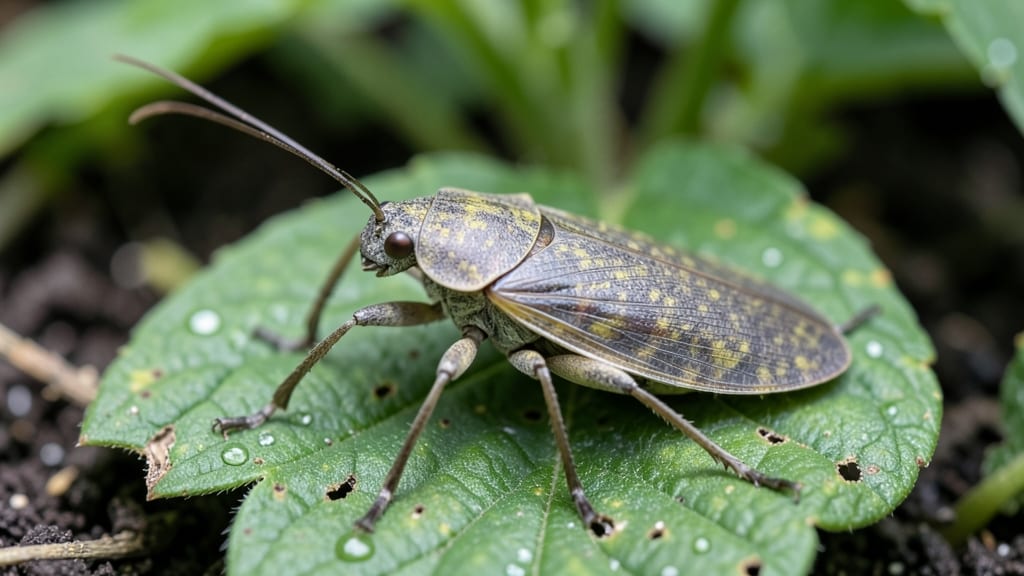
Are leaf-footed bugs bad? Absolutely—they’re the garden pests you didn’t ask for—slim, green, and hungry for your plants’ juices. 🌿 I’ve watched them turn vibrant tomato leaves into lace in days, and while they’re not the worst invaders, they’re definitely not your friends either. These Coreidae family bugs chew leaves, suck sap, and leave behind a trail of damage that’s hard to ignore. The real trouble starts when they multiply. A single adult can lay hundreds of eggs, and those larvae? They’re even more destructive, skeletonizing foliage faster than you can say "pest control." You’ll spot them by the ragged edges on leaves, sticky honeydew residue, and the telltale footprints on their undersides—those leaf-like extensions that give them their name. Here’s the good news: they’re manageable. Handpicking works for small infestations, and neem oil or insecticidal soap can deter them without harming your garden’s beneficial insects. For larger problems, row covers or companion plants like basil and marigolds can help keep them at bay. The key is acting fast—once they’re established, they’re hard to shake. I’ve learned that prevention (like regular scouting) is the best offense against these sneaky sap-suckers.
Natural Triggers Behind Their Presence
Leaf-footed bugs—those striking, shield-shaped insects with their distinctive leaf-like hind legs—don’t just appear in gardens by accident. Their presence is often tied to specific ecological and environmental factors that make your yard or crops an attractive (or even unintentionally inviting) spot.
Understanding these triggers can help you address the root causes and manage their impact more effectively. Let’s break down why these bugs show up when and where they do.
Leaf-footed bugs, particularly species like the Leptoglossus phyllopus (a common garden pest), thrive where their preferred host plants are plentiful. These plants often include:
- Vegetables: Tomatoes, peppers, eggplants, and squash (they love the tender fruit and foliage).
- Fruits: Citrus trees, figs, and berries (they puncture skin to feed on sap and seeds).
- Weeds and Wild Plants: Plants like Solanum species (nightshades) or Malvaceae (mallow family) can act as alternative food sources.
When these plants are stressed—due to drought, poor soil, or over-fertilization—their defenses weaken, making them even more appealing to leaf-footed bugs. Actionable tip: Rotate crops, remove volunteer plants, and mulch to reduce stress on your garden beds. 🌱
Leaf-footed bugs seek out microhabitats that provide both shelter and moisture. Here’s what draws them in:
- Dense Foliage: Bushy plants, thick ground covers, or unpruned shrubs offer hiding spots during the day and protection from predators.
- Mulch and Debris: Piles of leaves, wood chips, or compost can trap moisture and provide egg-laying sites. Female bugs lay eggs in crevices or under loose bark.
- Irrigation Practices: Overwatering or inconsistent moisture levels create ideal conditions for bugs to thrive. They’re particularly drawn to damp soil where they can burrow or lay eggs.
Science note: These bugs are xerophilic (drought-tolerant) but still need moisture for egg development. A mix of dry and damp areas in your garden can create a perfect breeding ground. Actionable tip: Keep mulch 3–4 inches away from plant stems, use drip irrigation to avoid leaf wetness, and clear debris regularly. 💦
Leaf-footed bugs aren’t always the top of the food chain. In balanced ecosystems, they’re kept in check by natural predators like:
- Spiders (especially orb-weavers and jumping spiders)
- Birds (e.g., wrens, warblers, and mockingbirds)
- Parasitoid wasps (which lay eggs inside leaf-footed bug eggs)
- Ground beetles and assassin bugs
However, when these predators decline—due to pesticide use, habitat loss, or climate shifts—leaf-footed bug populations can explode. Example: Broad-spectrum insecticides kill both pests and their predators, creating a vacuum that leaf-footed bugs happily fill. Actionable tip: Use targeted pesticides (like neem oil or kaolin clay) and create predator-friendly habitats, such as birdhouses or native plant borders. 🐦
Leaf-footed bugs are highly responsive to temperature and seasonal changes. Here’s how climate influences their behavior:
| Season | Behavior | Why It Happens |
|---|---|---|
| Spring | Adults emerge from overwintering sites (under bark, in leaf litter). | Warmer soil and sap flow in plants trigger feeding and mating. |
| Summer | Peak activity; females lay eggs in clusters on plant stems. | High temperatures accelerate reproduction (eggs hatch in ~10–14 days). |
| Fall | Nymphs mature; adults seek sheltered spots to overwinter. | Cooler temps reduce metabolism, conserving energy for survival. |
Regional note: In warmer climates (e.g., Southern U.S.), leaf-footed bugs may have multiple generations per year, leading to year-round infestations. Actionable tip: Monitor plants closely in spring and fall, and use row covers to protect vulnerable crops during peak seasons. ⏳
Sometimes, our well-intentioned gardening practices inadvertently create a leaf-footed bug paradise. Common culprits include:
- Monoculture Planting: Large patches of a single crop (e.g., a tomato garden) provide an all-you-can-eat buffet with no escape for predators.
- Poor Sanitation: Leaving fallen fruit, damaged plants, or uneaten produce on the ground attracts bugs seeking easy meals.
- Artificial Lighting: Outdoor lights can disorient adult bugs, making them more likely to land on your plants instead of flying away.
- Compost Piles: While compost is great for soil, piles that stay too wet or are improperly turned can become breeding grounds.
Pro tip: Diversify your garden with companion plants (like basil or marigolds), clean up debris weekly, and use yellow bug lights instead of white ones to deter night-flying adults. 🌿
How to Manage Leaf Footed Bugs
Leaf footed bugs can be a nuisance, but with the right strategies, you can keep their impact under control—whether you're trying to protect your garden or simply avoid their stinky defenses.
Below are practical, step-by-step solutions tailored to the most common issues they cause, along with prevention tips to stop future infestations.
H3: 🔥 Identify and Remove Infested Areas If you spot clusters of leaf footed bugs feasting on your plants, act fast to minimize damage:
- Handpick adults and nymphs (especially in the morning when they’re sluggish). Drop them into soapy water to kill them instantly.
- Prune heavily damaged leaves or stems—this removes hiding spots and food sources. Dispose of clippings in sealed bags (not compost).
- Focus on young plants and seedlings, which are their favorite targets.
💡 Pro Tip: Use a flashlight at dusk to spot bugs hiding under leaves—they’re easier to see when they’re less active.
H3: 🏠 Seal Entry Points Leaf footed bugs sneak in through gaps, cracks, or open windows. Block their access with these fixes:
- Install fine mesh screens on windows, vents, and doors (even pet doors—yes, really!).
- Caulk cracks around baseboards, pipes, and utility lines where they might crawl in.
- Store firewood and mulch away from your home’s foundation—these are common hiding spots.
H3: 🧼 Trap and Eliminate Indoors If you’ve already got stink bugs inside:
- Set up sticky traps near windows or baseboards to catch stragglers.
- Use a vacuum with a fine mesh bag to suck up bugs (empty it outside immediately!).
- Avoid pesticides indoors—they can be harmful to pets and kids. Instead, rely on diatomaceous earth (food-grade) in cracks or along baseboards.
H3: 🌱 Encourage Natural Predators Leaf footed bugs aren’t always the villains—some birds, parasitic wasps, and spiders feed on them. Boost their numbers by:
- Planting native flowers (like dill, fennel, or milkweed) to attract beneficial insects.
- Avoiding broad-spectrum pesticides, which kill helpful bugs too.
- Leaving some leaf litter or mulch in garden beds—it provides shelter for predator species.
H3: 🛡️ Use Physical Barriers For high-value crops or young plants:
- Cover seedlings with row covers (fine netting) to block adults from laying eggs.
- Apply kaolin clay (a natural mineral spray) to plant leaves—it creates a barrier bugs dislike.
- Use reflective mulch (like aluminum foil or silver plastic) around plant bases to deter them.
H3: 🌳 Reduce Attractants Leaf footed bugs love lush, unkempt areas. Make your yard less inviting by:
- Mowing regularly to limit hiding spots in tall grass.
- Trimming bushes and trees away from your home and garden edges.
- Removing weeds and debris where they might overwinter.
H3: 💦 Use Water Sprays for Young Nymphs A strong stream of water from a hose can knock off nymphs before they mature. Do this early in the season (spring to early summer) when they’re most vulnerable.
| Action | How to Do It | Best Time |
|---|---|---|
| Inspect plants weekly | Check undersides of leaves for eggs/nymphs | Spring & summer |
| Rotate crops | Avoid planting the same crops in one spot yearly | Before planting season |
| Clean up fall debris | Rake leaves, remove plant stalks | Late fall |
| Store tools properly | Keep pruners and rakes in a shed (not leaning against the house) | Year-round |
💡 Final Tip: If infestations persist, consult a local extension service—they can recommend region-specific solutions without harsh chemicals.
By combining immediate action with long-term prevention, you can strike a balance: keeping leaf footed bugs in check while preserving the ecosystem your garden needs. 🌱🚫🐜
Frequently asked questions about leaf-footed bugs
Are leaf-footed bugs the same as stink bugs?
They’re related but not identical! Leaf-footed bugs belong to the Coreidae family and have distinctive leaf-like extensions on their back legs, while stink bugs (family Pentatomidae) have more rounded bodies. Both release odors when threatened, though leaf-footed bugs often target plants like tomatoes and citrus more aggressively.
Do leaf-footed bugs bite humans?
No, they don’t bite humans—they’re plant feeders, not bloodsuckers. However, they can pinch or squeeze if handled roughly (thanks to their strong legs), which might feel like a tiny pinch. Their main threat is to your garden, not your skin!
How can I tell if my plants have leaf-footed bug damage?
Look for ragged, skeletonized leaves with tiny holes and sticky honeydew residue (a sign of sap feeding). Check the undersides of leaves for eggs (small, oval, and clustered) or nymphs (flat, shield-shaped bugs). Their distinctive leaf-like hind legs make them easy to spot once you know what to look for!
Are leaf-footed bugs harmful to pets or livestock?
No, they pose no direct threat to pets or livestock. While they might crawl onto animals, they don’t bite or transmit diseases. The bigger concern is their impact on your garden—damaged plants can’t support healthy ecosystems where pets or livestock might forage. Always monitor plants for infestations to keep your yard safe for all residents!