
Pests and Diseases
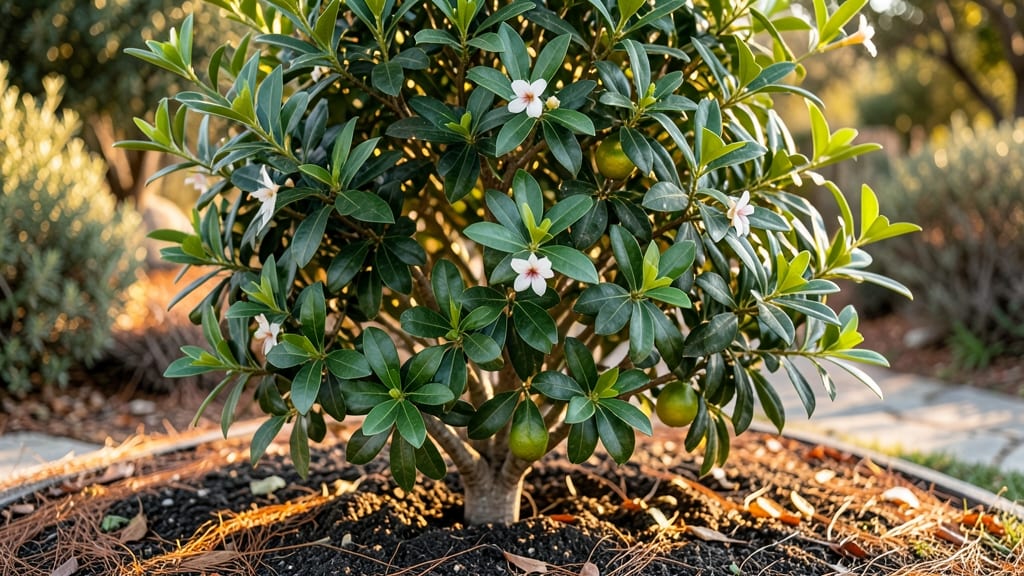
My Asian sour leaf plants nearly died from fungal spots last summer—until I rediscovered copper spray. 🌿 This edible sorrel relative thrives in warm climates but needs vigilant care to prevent leaf blight, especially in humid conditions.
The key isn’t just spraying; it’s timing, concentration, and combining it with proper airflow between plants.
For best results, grow Asian sour leaf in well-draining, slightly acidic soil (pH 6.0–6.5) with morning sun and afternoon shade—too much direct heat scorches the leaves. Water deeply 2–3 times per week, letting the top inch dry between sessions, and mulch heavily to retain moisture without suffocating roots.
Prune leggy stems in early spring to encourage bushier growth.
Copper spray works best when applied preventively (every 7–10 days during rainy seasons) or at the first sign of brown spots. Mix 1 tablespoon of copper sulfate per gallon of water, and spray early morning to avoid leaf burn.
Pair it with neem oil for extra fungal protection—together, they’ve saved my plants from collapse every season.
This plant isn’t just hardy; it’s versatile. Harvest young leaves for tangy salads or let it bolt for seed pods used in traditional teas. Just watch for aphids (they love new growth) and overwatering (root rot is silent but deadly).
With the right care, your Asian sour leaf will reward you with bold flavor and lush foliage all year.
📚 In This Guide
- What you need
- Instructions
- Tips and common mistakes
- Wrapping up and next steps
What you need
- ● Copper fungicide: 1–2 tbsp copper sulfate pentahydrate (or copper hydroxide for a gentler option)
- ● Note: Avoid copper oxide—it’s less effective for foliar sprays.
- ● Water: 1 gallon (3.8 liters) of lukewarm water (never hot—it can damage leaves!)
- ● Mixing tools: 1 5-gallon bucket (or large, non-reactive container)
- ● 1 wooden or plastic spoon (metal can react with copper!)
- ○ Optional: gardening gloves (copper can be irritating to skin)
- ● Application tools: 1 spray bottle (for small plants) OR 1 hose-end sprayer (for larger trees)
- ○ Optional: fan or misting nozzle (to improve coverage on dense foliage)
- ○ Safety gear (optional but recommended): 1 face mask (to avoid inhaling fine copper particles)
- ● 1 long-sleeved shirt and pants (for skin protection)
- ● Prerequisites: ✅ Identify fungal spots: Confirm spots are fungal (not pest-related) before spraying.
- ● ✅ Choose a calm day: Avoid windy or rainy conditions—copper spray works best when dry.
- ● ✅ Test on a small leaf: Apply a tiny amount to a hidden leaf 24 hours before full treatment.
Step-by-Step revival of Asian sour leaf using copper spray
Here's how I turn back fungal damage on Asian sour leaf—no harsh chemicals, just targeted copper treatment.
🌿 Step 1: Assess and Prepare the Plant
Start by examining your Asian sour leaf for fungal spots—look for brown or yellow patches on leaves, often with a white powdery residue. These are classic signs of fungal infection, usually powdery mildew or leaf spot. Gently remove any severely damaged leaves by pinching them at the base; this prevents the fungus from spreading further through the plant's system.
Next, rinse the remaining foliage with a lukewarm water spray from a hose or watering can to remove dust and surface debris. This step is critical because copper spray works best when it can directly contact the fungal spores. Avoid wetting the soil—focus only on the leaves. If the plant is large, work in sections to ensure thorough coverage.
💧 Step 2: Mix and Apply the Copper Spray Solution
Prepare a copper fungicide spray by following the manufacturer's instructions on the product label. Typically, this means mixing 1 tablespoon of copper fungicide per gallon of water. Stir well to ensure the copper particles are fully dissolved—uneven mixing can lead to ineffective treatment in some areas. I like to use a spray bottle or pump sprayer for precision, especially on smaller plants.
Apply the solution early in the morning when humidity is lower and the foliage is dry. Hold the sprayer 12-18 inches away from the leaves and apply until the undersides and tops are evenly coated with a fine mist. Copper spray works by creating a protective film on the leaves, so thorough coverage is key. Avoid spraying in direct sunlight, as this can cause leaf burn.
☀️ Step 3: Monitor and Reapply as Needed
After the first application, keep an eye on the plant for 7-10 days. New growth should emerge without fungal spots, and existing spots should begin to fade. If you notice fresh spots appearing, repeat the copper spray application every 7-14 days until the plant shows consistent improvement. Consistency is everything—fungal infections don’t disappear overnight, but they can be managed effectively with regular treatment.
During this time, ensure your Asian sour leaf gets bright, indirect light and well-draining soil to support its recovery. Overwatering can stress the plant and make it more susceptible to fungal infections, so water only when the top inch of soil feels dry. If possible, improve air circulation around the plant by spacing it properly or using a small fan on low settings—this helps prevent future fungal outbreaks.
✂️ Step 4: Prevent Future Fungal Issues
Once your Asian sour leaf shows signs of recovery, take steps to prevent future fungal problems. Prune any remaining damaged leaves and dispose of them in the trash—not the compost—since fungal spores can survive decomposition. Sterilize your pruning shears with rubbing alcohol between cuts to avoid spreading pathogens.
Consider applying a preventative copper spray every 4-6 weeks during the growing season, especially if your plant is in a humid environment. Additionally, rotate your plant occasionally to ensure even light exposure, which promotes uniform growth and reduces weak spots where fungi can take hold. Healthy soil with balanced nutrients also strengthens the plant’s natural defenses—add a slow-release fertilizer every 2-3 months to keep it thriving.
Tips & tricks for reviving Asian sour leaf with copper spray
Fungal infections can be a nightmare for your Asian sour leaf, but these targeted strategies will help you restore your plant's health effectively.
Leaf Inspection Technique: When examining leaves for fungal spots in Step 1, focus on the undersides first—this is where fungal spores often hide and thrive. Use a bright light source to better spot early signs of infection. I've found that a small flashlight or even sunlight through a window makes it easier to identify those sneaky powdery mildew beginnings that might otherwise go unnoticed.
Application Precision: During Step 2, the key to effective copper spray application lies in your technique. After mixing your 1 tablespoon of copper fungicide per gallon of water, test your sprayer on a scrap piece of paper first to ensure you're getting a fine mist rather than large droplets. This helps prevent water pooling on leaves, which can actually promote fungal growth. Remember, you're aiming for even coverage on both leaf surfaces while keeping the distance consistent at 12-18 inches.
Monitoring Strategy: In Step 3, when you're checking for improvement after 7-10 days, create a simple observation chart to track progress. Note the size and number of spots before treatment, then record changes weekly. This visual documentation helps you determine when to stop treatments—typically when you see three consecutive weeks of no new spots. I've seen dramatic improvements in just two weeks with consistent applications, but patience is key as the plant rebuilds its defenses.
Preventative Maintenance: For the long-term health of your Asian sour leaf, consider implementing a quarterly preventative schedule beyond the initial treatment. In Step 4, I recommend setting calendar reminders for your 4-6 week copper spray applications during the growing season. This proactive approach creates a protective barrier that fungal spores find difficult to penetrate, giving your plant the best chance at staying healthy between outbreaks.
Pro Tips for Asian Sour Leaf
- Fungal infections can be a nightmare for your Asian sour leaf, but these targeted strategies will help you restore your plant's health effectively.
- Leaf Inspection Technique: When examining leaves for fungal spots in Step 1, focus on the undersides first—this is where fungal spores often hide and thrive.
- Application Precision: During Step 2, the key to effective copper spray application lies in your technique.
Frequently asked questions
Got questions about using Asian sour leaf (or copper spray) to combat fungal spots? You’re not alone!
Here are some common queries—and straightforward answers—to help you get the best results.
What exactly is Asian sour leaf, and how does it differ from copper spray?
Asian sour leaf (Vernonia cinerea) is a natural fungicide used in traditional medicine, while copper spray is a synthetic fungicide. Both contain copper, but sour leaf is organic, plant-based, and safer for edible gardens. Copper spray is faster-acting but can harm soil microbes long-term.
How long does it take for Asian sour leaf spray to work against fungal spots?
Results vary, but you’ll often see improvement in 7–14 days with consistent spraying (every 5–7 days). Severe infections may take longer. For best results, apply before rain or watering to let the copper compounds absorb into plant tissues.
Can I use Asian sour leaf spray on all plants, or are some unsafe?
It’s generally safe for most plants, but avoid spraying edible leaves (like lettuce or spinach) 24 hours before harvest. Copper can stain delicate flowers (e.g., roses, hydrangeas) and may irritate some herbs like basil. Always test a small area first!
Is homemade Asian sour leaf spray as effective as store-bought copper fungicides?
Homemade versions can work well for mild fungal spots, but store-bought copper fungicides (like Bordeaux mixture) are more concentrated and reliable for severe outbreaks. If DIY isn’t cutting it, consider supplementing with a 1% copper-based fungicide for stubborn cases.
What should I do if rain washes off the spray before it works?
Reapply immediately after heavy rain! Copper compounds bind poorly to wet surfaces, so timing matters. For extra protection, mix your spray with a sticky ingredient like corn oil (1 tsp per gallon) to help it adhere. Avoid spraying in direct sunlight—early morning or evening is ideal.
Are there any plants or soils where Asian sour leaf spray shouldn’t be used?
Avoid using it on acid-loving plants (like blueberries or azaleas) or soils with a pH below 5.5—copper toxicity can occur. Also, don’t apply to compost piles or near beneficial insects (like bees) while spraying. Always follow up with a rinse if treating edible crops.
Wrapping up and next steps
Ready to give your Asian sour leaf plants a fresh, fungal-free start? 🌿 Copper spray isn’t just a game-changer—it’s your secret weapon against fungal spots!
By gathering the right tools, mastering the mix, and applying it with care, you’ll protect your plants while keeping them thriving. Your next step? Grab that copper spray, suit up, and take action—your leafy greens will thank you! 💪
Pro tip: Monitor your plants weekly after treatment to catch any early signs of trouble and adjust as needed. Happy gardening! ✨