
Diseases
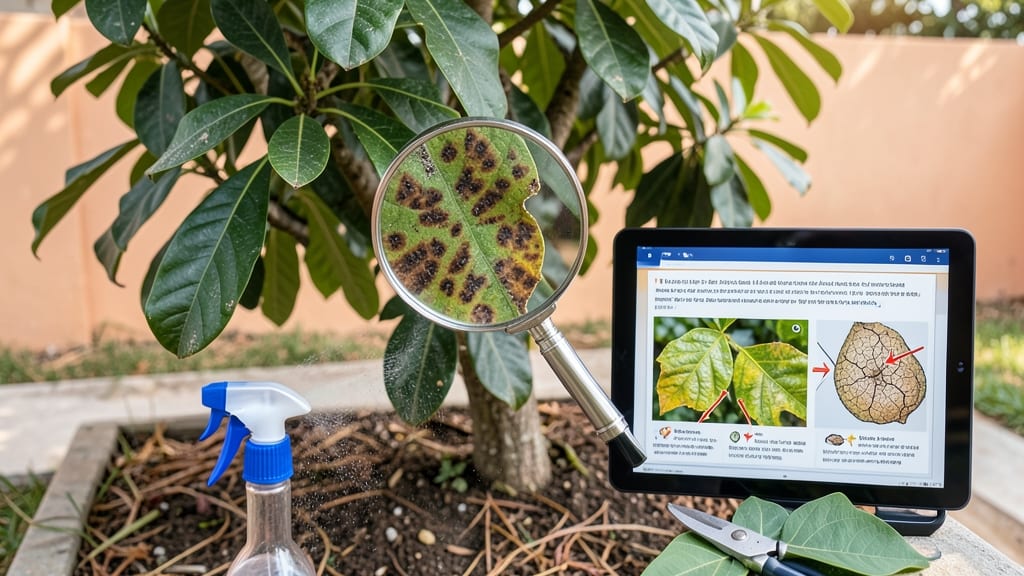
Identifying avocado leaf diseases early can save your entire tree. 🌿 The first sign is often tiny black or brown spots that spread like a shadow across leaves—before you know it, your tree’s health is fading fast.
I’ve seen fungal blight turn vibrant green foliage into a sad, speckled mess in just weeks, and the key to stopping it is catching those early symptoms.
Most fungal diseases thrive in warm, humid conditions, so poor airflow and wet leaves create the perfect storm. You might also spot yellowing edges or wilting leaves as the disease weakens the tree’s ability to photosynthesize.
The good news? Organic sprays like neem oil or copper fungicide can stop the spread if applied at the first sign of trouble.
With the right treatment, your avocado tree can bounce back stronger. Prune infected leaves immediately to prevent further spread, and make sure your tree has enough space for airflow. A healthy tree is the best defense—so focus on balanced watering and proper fertilization to keep it resilient.
If the disease keeps coming back or spreads aggressively, it’s time to call in a professional. Sometimes, the solution isn’t just about treating the leaves—it’s about fixing the bigger issues in the soil or environment. Don’t let a few spots turn into a full-blown crisis!
Root Causes Of Leaf Troubles
Avocado trees are prized for their lush, vibrant foliage, but when leaves start showing signs of distress—spots, discoloration, or wilting—it’s often a cry for help from the tree. Understanding why these issues arise is the first step to prevention and treatment.
Below, we break down the most common culprits behind avocado leaf diseases, rooted in science but explained in simple, actionable terms.
Fungi thrive in warm, moist conditions, making them the #1 cause of avocado leaf diseases. These microscopic organisms don’t just appear—they’re often invited by environmental or cultural mistakes. Here’s how they take hold:
- Excess Moisture: Avocado leaves are particularly vulnerable to fungal pathogens like Colletotrichum (anthracnose) or Phytophthora when humidity is high or water pools on foliage. Why? Fungi spread via spores that splash or drift in damp air. Overhead irrigation or poor drainage turns leaves into fungal buffets. 💡 Pro Tip: Water at the base of the tree in the morning to let leaves dry quickly.
- Poor Air Circulation: Dense foliage or crowded trees trap humidity, creating the perfect fungal greenhouse. Phytophthora cinnamomi, for example, thrives in stagnant, waterlogged soil and spreads upward through leaves via root pressure. Actionable Fix: Prune to improve airflow and space trees 15–20 feet apart.
- Wounded Leaves: Physical damage (hail, pests, or rough handling) opens doors for fungi. Why? Pathogens like Cercospora (causing leaf spot) enter through these entry points. Prevent It: Use protective netting during storms and avoid mechanical injury.
🔍 Key Signs: Look for dark, greasy spots with yellow halos (anthracnose) or brown, crinkled leaves (Phytophthora). If you see these, act fast—fungi double their damage in as little as 48 hours.
A tree is only as strong as its roots—and unhealthy soil is a direct pathway to leaf diseases. Avocados are sensitive to imbalances that weaken their defenses:
- Nutrient Deficiencies: Low nitrogen or potassium starves the tree, making leaves less resistant to pathogens. Example: Potassium deficiency (seen as yellowing leaf edges) reduces the tree’s ability to fight off Fusarium wilt. Fix It: Conduct a soil test and amend with compost or a balanced fertilizer (e.g., 6-6-6 NPK ratio).
- Compacted or Waterlogged Soil: Poor drainage suffocates roots, stressing the tree and inviting root rot (often caused by Pythium or Phytophthora). Stressed roots can’t support healthy foliage, leading to secondary infections like leaf blight. Solution: Amend soil with perlite or sand and ensure a slight slope for drainage.
- pH Imbalances: Avocados prefer slightly acidic soil (pH 5.5–7.0). Too alkaline? Nutrients like iron and manganese become unavailable, weakening the tree. Result: Chlorotic (yellow) leaves that are prime targets for fungal invaders. Adjust pH: Use sulfur to lower pH or lime to raise it, based on test results.
🌿 Quick Check: Dig 6 inches into the soil. If it’s hard, smells sour, or feels soggy, your avocado’s leaves are at risk. Healthy soil = healthy leaves.
Pests don’t just eat leaves—they create wounds that become gateways for diseases. Here’s how they set the stage:
- Sap-Sucking Insects (e.g., Spider Mites, Scale): These pests pierce leaves to feed, injecting toxins that cause stippling (tiny white/yellow dots). Weakened tissue is highly susceptible to fungal infections like Alternaria leaf spot. Combat Them: Spray with neem oil or introduce predatory mites.
- Caterpillars and Borers: Larvae chew through leaves and stems, creating entry points for bacteria and fungi. Example: Xanthomonas bacteria can hitchhike on these wounds, causing bacterial leaf spot. Remove Them: Handpick larvae or use Bacillus thuringiensis (Bt) spray.
- Nematodes in the Soil: These microscopic worms damage roots, reducing the tree’s ability to absorb water and nutrients. Outcome? Stunted growth and leaves that are chronically stressed, making them easier targets for diseases. Control Them: Solarize soil in summer or apply beneficial nematodes (Steinernema species).
🕵️♂️ Spot the Pattern: If you see holes, sticky residue (from aphids), or webbing on leaves, pests are likely the hidden cause of your avocado’s woes.
Avocados are tropical trees, but they’re not immune to environmental whiplash. Sudden changes or extreme conditions weaken their defenses:
- Temperature Fluctuations: Cold snaps (<40°F) or heatwaves (>95°F) shock the tree, causing physiological stress. Stressed leaves produce less chitin (a natural antifungal compound), making them vulnerable to Botrytis (gray mold). Protect Your Tree: Use frost cloth in winter and provide shade cloth in summer.
- Wind Burn: Prolonged wind exposure dries out leaves, creating micro-tears that invite fungal spores. Solution: Plant windbreaks (e.g., bamboo or native shrubs) or mulch heavily to retain moisture.
- Pollution or Chemical Burn: Ozone, smog, or over-application of herbicides (like glyphosate) damage leaf cuticles, making them porous to pathogens. Avoid It: Test soil for chemical residues and use organic fungicides if needed.
🌡️ Extreme = Risky: If your area experiences unusual weather (e.g., late frosts or sudden heat domes), your avocado’s leaves are in the danger zone.
Fixing Fungal Foes on Avocado Leaves
Avocado leaf diseases—especially fungal infections—can turn your lush green canopy into a sad, spotted mess. But don’t panic! With the right approach, you can stop the spread, heal your tree, and keep future outbreaks at bay.
Below, we break down practical, step-by-step solutions tailored to each common cause, plus prevention tips to protect your avocado’s health long-term.
Cause: Colletotrichum fungus thrives in humid, wet conditions, creating dark sunken spots on leaves and stems.
How to Fix It: ✅ 🔥 Prune & Remove Infected Parts
- Use sterilized pruners (wipe with rubbing alcohol) to cut off all infected leaves, fruit, and stems—even if just a few spots appear. Dispose of them in a sealed bag (not compost).
✅ 🌡️ Fungicide Spray (Fast Action) - Apply a copper-based fungicide (like copper hydroxide) or neem oil spray (1 tbsp neem oil + 1 tsp mild soap per quart of water).
Reapply every 7–10 days until new growth appears. - Pro Tip: Morning sprays work best—avoid wet leaves at night to prevent fungal growth.
✅ 🌿 Improve Airflow & Drainage
- Thin out dense foliage to reduce humidity around the tree.
- Ensure the soil drains well—amend with compost or perlite if it’s soggy.
💡 Prevention:
- Space trees 15+ feet apart to prevent crowding.
- Water at the base (not overhead) and avoid late-day watering.
Cause: Oidium or Erysiphe fungi create white, powdery patches on leaves, blocking sunlight and stunting growth.
How to Fix It: ✅ 🧼 Baking Soda Spray (Gentle & Effective)
- Mix 1 tsp baking soda + 1 tbsp horticultural oil + 1 tsp soap per gallon of water. Spray both sides of leaves until damp. Repeat every 5–7 days until cleared.
✅ 🌿 Sulfur Dust (For Severe Cases)
- Apply wettable sulfur (follow label rates) in dry, calm weather (avoid wind—it’s toxic to bees!). Reapply after rain.
✅ 🌳 Boost Tree Resilience
- Fertilize with potassium-rich compost (like banana peels or wood ash) to strengthen leaves.
- Prune for sunlight—thin out shaded branches to dry leaves faster.
💡 Prevention:
- Avoid overhead irrigation—use drip systems instead.
- Plant mildew-resistant varieties (like ‘Hass’ or ‘Fuerte’).
Cause: Cercospora or Phyllosticta create small brown/black spots with yellow halos, often in hot, rainy seasons.
How to Fix It: ✅ 🔪 Sterilize Tools & Work Areas
- Clean pruners with bleach (1:10 ratio) or 70% isopropyl alcohol before and after trimming.
- Disinfect work surfaces (tables, buckets) with vinegar or bleach solution.
✅ 🍅 Copper Fungicide (Preventative Shield)
- Use copper fungicide (like Cueva or Champ) before symptoms appear if your area is prone to leaf spot.
- Spray every 2–3 weeks during rainy seasons.
✅ 🌧️ Adjust Watering Habits
- Water early in the day so leaves dry by evening.
- Mulch with straw to keep soil moist (but not soggy) and reduce splash-back.
💡 Prevention:
- Remove fallen leaves regularly—fungi hibernate in debris!
- Rotate fungicides to avoid resistance (e.g., alternate copper with neem oil).
Cause: Phytophthora or Pythium thrive in waterlogged soil, causing yellowing, wilting, and blackened roots.
How to Fix It: ✅ ⏰ Emergency Drainage Upgrade
- Dig a shallow trench around the tree to redirect water.
- Add gravel or sand to compacted soil to improve aeration.
✅ 🌱 Fungal Soil Drench (Natural Remedy)
- Mix 1 cup hydrogen peroxide (3%) + 1 gallon water and pour onto roots only (not leaves). Repeat weekly for 3 weeks.
- Alternative: Trichoderma fungus (beneficial soil bacteria) can outcompete pathogens.
✅ 🌿 Replace Topsoil (Last Resort)
- If roots are severely rotted, excavate 6–12 inches of infected soil and replace with sterilized potting mix + perlite.
💡 Prevention:
- Test soil pH (ideal: 6.0–7.0)—acidic soil worsens rot.
- Plant on a mound (avocados hate wet feet!) or use raised beds.
Even after treating, stop future outbreaks with these easy habits:
- 🌿 Mulch properly (2–4 inches of wood chips, not fresh grass clippings).
- 🍃 Monitor humidity—aim for below 70% around the tree.
- 🔍 Inspect leaves weekly—catch spots before they spread!
- 🌱 Rotate crops if growing other plants nearby (fungi don’t discriminate).
Final Thought: Fungal diseases are manageable—the key is speed and consistency. Start with pruning + fungicide, then fix environmental triggers, and prevent recurrence with smart care. Your avocado tree will be back to thriving in no time! 🌱💚
Frequently asked questions
What are the first signs my avocado tree has a fungal leaf disease?
Look for tiny dark spots (often black or brown) with yellow halos on leaves—this is classic anthracnose or leaf spot. You might also see white powdery patches (powdery mildew) or greasy-looking lesions that spread quickly. Check both leaf surfaces and stems, as fungi often start on the undersides.
Can I use household items like vinegar or baking soda to treat avocado leaf diseases?
Yes! A baking soda spray (1 tsp baking soda + 1 tbsp horticultural oil + 1 tsp soap per gallon of water) works well for powdery mildew. For fungal spots, a 1:10 vinegar-water mix (applied carefully to avoid leaf burn) can help as a disinfectant. However, these are best for prevention or mild cases—severe infections need copper fungicides.
How often should I spray fungicide on my avocado tree?
For preventative care, spray every 2-3 weeks during rainy seasons or high-humidity periods. If treating an active infection, apply copper fungicide or neem oil every 7-10 days until new leaves appear. Always spray in the early morning so leaves dry quickly—wet foliage at night fuels fungal growth.
Will pruning infected leaves really stop the disease from spreading?
Prune all infected leaves, fruit, and stems using sterilized tools (wipe with rubbing alcohol). Remove them from the area (don’t compost)—fungal spores can survive in plant debris. Pruning also improves airflow, which is critical for preventing future outbreaks. Thin dense branches to reduce humidity around the tree.
When should I call a professional instead of treating myself?
If you see rapid wilting, blackened stems, or large areas of leaf drop, it could be Phytophthora root rot, which requires soil treatment. Also consult an expert if: your tree stops producing fruit, the trunk shows cankers, or home treatments fail after 3-4 weeks