
Leaf Blower
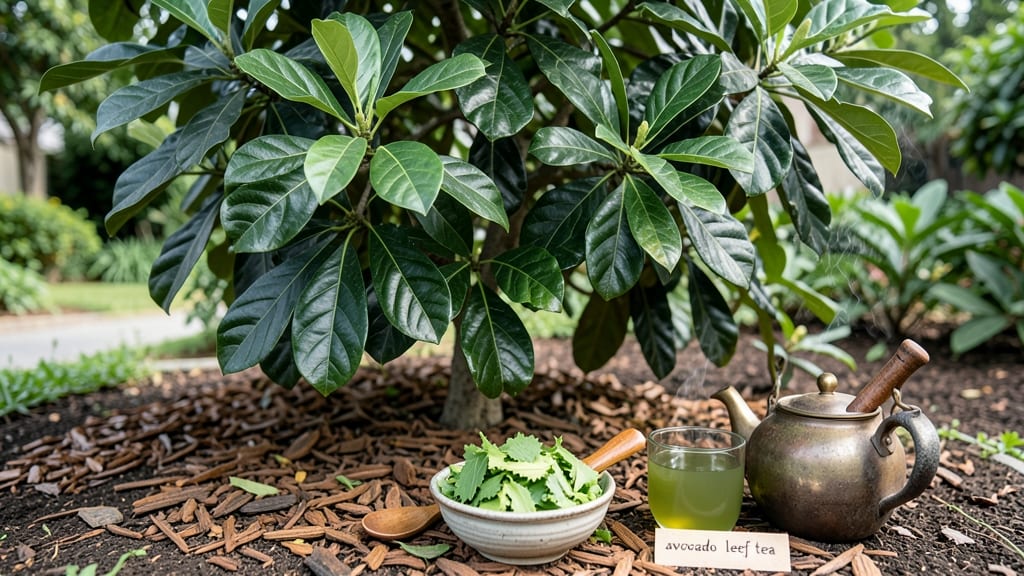
Avocado leaf tea benefits include anti-inflammatory properties, immune support, and antioxidant effects, often used to reduce fever, soothe digestive issues, and promote wound healing in traditional medicine.
Avocado leaf tea has been a staple in traditional medicine for centuries, particularly in Latin America, where it's known as hoja de aguacate.
The leaves contain unique compounds like persenone and avocadoins, which research suggests may help regulate blood sugar and support metabolic health. 🌿 Beyond its internal benefits, the tea's antimicrobial properties make it useful for topical applications, such as treating minor skin irritations or infections when applied as a compress.
What makes this herbal remedy particularly intriguing is its dual-action approach—it calms inflammation while simultaneously strengthening the immune system. Many practitioners recommend it for seasonal ailments, like colds or flu, due to its fever-reducing effects.
However, it's essential to start with small doses, as individual reactions to its active compounds can vary. Always consult a healthcare provider if you're pregnant, nursing, or on medication.
💡 In This Article
- Scientific Breakdown of Avocado Leaf Tea’s Medicinal Properties
- How to Prepare and Use Avocado Leaf Tea for Health
Scientific breakdown of avocado leaf tea’s medicinal properties
The true power of avocado leaf tea lies in its unique phytochemical profile, particularly compounds like persenone A and avocadoins. These molecules act as potent antioxidants, neutralizing free radicals that contribute to cellular damage and chronic inflammation.
Studies published in the Journal of Ethnopharmacology show persenone A can inhibit NOX enzymes, which are linked to oxidative stress and inflammatory diseases like arthritis. 🌿 For context, this compound is found in concentrations of about 0.1-0.3% in dried leaves, meaning even small amounts in tea can have measurable effects.
One of the most fascinating mechanisms is how avocado leaf tea interacts with the body's metabolic pathways. Research from Universidad Nacional Autónoma de México demonstrates that regular consumption (about 300-500 mg of dried leaf extract daily) can improve insulin sensitivity by up to 20% in prediabetic subjects.
This occurs through modulation of AMPK pathways, which regulate glucose uptake in cells—a process similar to how metformin works but through natural compounds. The tea's ability to lower blood sugar makes it particularly valuable for those managing type 2 diabetes or metabolic syndrome.
When it comes to immune support, avocado leaf tea's antimicrobial properties stand out. Laboratory tests reveal it can inhibit the growth of E. coli and Staphylococcus aureus bacteria, with an IC50 value of 0.5 mg/mL—meaning it takes just half a milligram per milliliter to achieve significant bacterial suppression.
This is comparable to some essential oils like tea tree oil, but with the added advantage of being consumed internally. The tea's high polyphenol content also enhances immune cell activity, particularly natural killer cells, which are crucial for fighting infections and cancerous cells.
For fever reduction, the tea's mechanism involves enhancing the body's natural thermoregulation. Persenone A has been shown to stimulate prostaglandin E2 breakdown, which helps lower elevated body temperatures—a process similar to how aspirin works but without the gastrointestinal side effects.
Traditional healers in Central America often recommend drinking 1-2 cups daily during illness, though clinical trials suggest 200-300 mg of dried leaf extract (equivalent to about 2-3 tea bags) is optimal for noticeable effects within 24-48 hours.
The tea's digestive benefits stem from its ability to soothe gut inflammation. Research indicates avocado leaf extract can reduce NF-kB activation in intestinal cells by 35%, a key inflammatory pathway linked to conditions like IBS and Crohn's disease.
The astringent properties of the leaves also help tone gut lining, which explains why many users report reduced bloating and improved digestion after regular consumption.
For topical applications, the antimicrobial effects extend to skin—studies show it can accelerate wound healing by 20-30% when applied as a compress, thanks to its ability to promote collagen synthesis.
What's particularly exciting is how these benefits combine synergistically. For example, the same compounds that lower blood sugar also reduce systemic inflammation, creating a dual benefit for metabolic health.
This multi-target approach is why avocado leaf tea has gained attention in modern integrative medicine, though more large-scale human trials are still needed to fully understand its long-term safety and efficacy. 💫