
Pests and Diseases
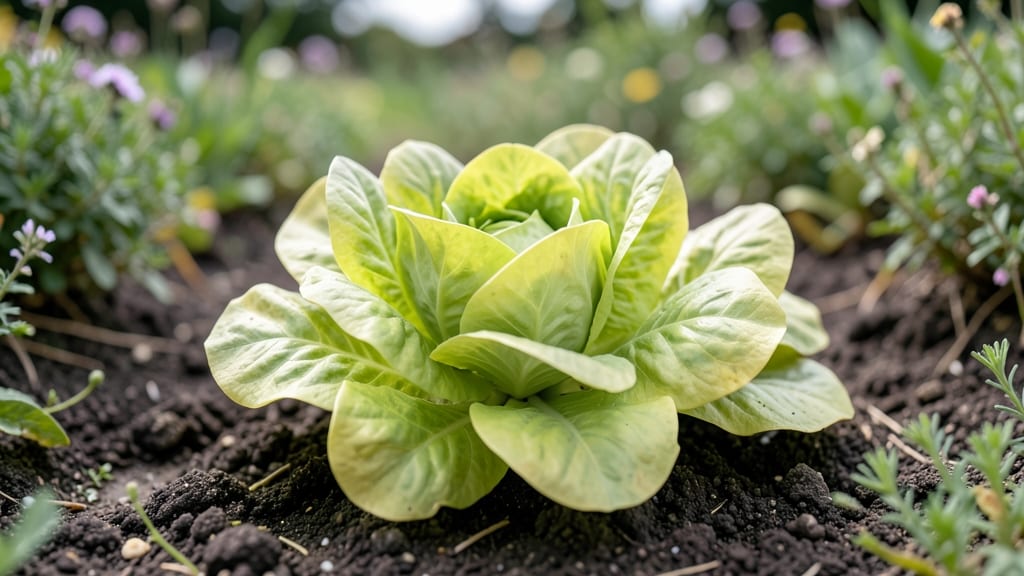
Growing baby butter leaf lettuce means crispy, buttery leaves that taste like spring all year. 🌱 I’ve grown this variety for years, and the secret to those perfect baby leaves lies in timing, spacing, and a little shade trick that keeps them tender.
Most people overlook how quickly they can go from seed to harvest—just 3-4 weeks if you do it right.
The key is starting with loose, well-draining soil and planting seeds just ¼-inch deep, spaced 6-8 inches apart. Butter leaf thrives in partial shade, especially in hot climates, which prevents bolting—the one thing that ruins crispy edges.
Water consistently but avoid soggy soil, and you’ll get a steady supply of delicate leaves without the bitterness that comes with stress.
By harvesting outer leaves first, you’ll encourage continuous growth and keep the plants productive for 6-8 weeks. The flavor is milder and sweeter than mature leaves, perfect for salads, wraps, or garnishes. Plus, it’s one of the few greens that actually tastes better when grown indoors under grow lights.
Whether you’re growing on a sunny windowsill or in a shaded garden bed, this variety forgives mistakes better than most. The biggest pitfall? Letting it bolt—so watch those temperatures and keep it cool. With these tips, you’ll have crispy, lacy leaves ready whenever you want them.
📚 In This Guide
- What you need
- Instructions
- Tips and common mistakes
- Wrapping up and next steps
What you need
- ● Baby Butter Leaf Lettuce Seeds: 1 packet (approx. 1,000 seeds) – Choose a variety like 'Buttercrunch' or 'Little Gem' for sweet, crisp leaves.
- ● Growing Medium: Potting mix (sterile, well-draining) – 5-10 gallons (for containers) or garden soil amended with compost.
- ○ Seed-starting mix (optional for indoor starts).
- ● Containers or Garden Space: Containers: 6-12" deep pots (or deeper for larger plants) with drainage holes. Recommended quantity: 1-2 plants per 6" pot.
- ● Garden beds: Full sun to partial shade (4-6 hours of sunlight daily). Space plants 8-12 inches apart.
- ● Tools: Hand trowel or transplanting tool.
- ● Watering can or hose with gentle spray nozzle.
- ○ Gloves (optional, for handling soil).
- ● Fertilizer: Balanced organic fertilizer (e.g., 10-10-10) or compost tea for nutrient boosts.
- ● Row Cover or Shade Cloth: 30-50% shade cloth to protect from intense sun or pests.
- ● Pest Control: Neem oil, insecticidal soap, or beneficial insects (like ladybugs) for aphid prevention.
- ● Grow Lights: LED lights (for indoor or winter growing).
- ● Harvesting Tools: Sharp scissors or a knife for clean cuts.
Step-by-step instructions for growing baby butter leaf lettuce
Here's how to grow tender, crisp butter lettuce with those prized lacy leaves—no greenhouse needed.
🌱 Step 1: Prepare Containers and Soil
Use 4-inch deep pots or a shallow tray with drainage holes for your 4 servings. Butter lettuce roots are shallow, so depth matters more than width. Fill containers with a mix of 50% potting soil and 50% compost—this balance keeps soil loose while providing nutrients. I like to add a handful of worm castings to each pot for extra tenderness.
Moisten the mix until it feels like a damp sponge—squeeze gently and it should hold together but not drip. The goal is even moisture without soggy pockets. Tap the containers lightly on the table to settle the soil without compacting it. This prevents air pockets that could stunt root growth.
🌱 Step 2: Sow Seeds at the Right Depth
Sprinkle 3-4 seeds per container, spacing them about 1 inch apart. Butter lettuce seeds are tiny, so I use a toothpick to create tiny divots in the soil surface—this prevents burying them too deep. Cover them with just ¼ inch of soil or a light dusting of vermiculite. Press gently to ensure good seed-to-soil contact.
Mist the surface with a spray bottle until the soil looks evenly damp. Overhead watering can dislodge seeds, so I like to water from the bottom by placing containers in a shallow tray of water for 10 minutes. This also prevents seed rot. Keep the tray covered with plastic wrap or a humidity dome until germination.
☀️ Step 3: Provide Consistent Light and Temperature
Butter lettuce thrives in cool conditions (60-65°F) and needs 4-6 hours of indirect light daily to prevent bolting. Place containers on an east-facing windowsill or under a grow light set to 12 hours/day. Direct sun will cause bitter, wilted leaves—watch for wilting as your first sign of too much heat.
Once seedlings emerge (usually 7-14 days), remove the cover and keep soil consistently moist. You'll know it's time to thin when seedlings have 2 true leaves. Use scissors to snip unwanted sprouts at soil level—this prevents disturbing roots of remaining plants. Leave the strongest seedling per container.
💧 Step 4: Maintain Moisture and Harvest for Crispness
Water gently at the base when the top inch of soil feels dry. Butter lettuce hates soggy roots but also wilts quickly in dry soil. I like to water in the morning so leaves dry before evening. Fertilize lightly every 2 weeks with a diluted fish emulsion (½ strength) to maintain tenderness without overfeeding.
Harvest outer leaves when they reach 3-4 inches—this encourages continuous growth. Here's the trick: grasp a leaf near the base and give it a firm but gentle twist. It should separate cleanly, leaving the center intact. Rinse leaves immediately in cold water to remove dirt, then pat dry with a paper towel. Store in a sealed container with a damp paper towel to keep them crisp for 5-7 days.
Tips & tricks for perfect baby butter lettuce
Here's what nobody tells you about growing butter lettuce that stays crisp and delicious—these little tricks make all the difference.
Soil Prep Secret: When mixing your 50% potting soil and 50% compost, add a pinch of Epsom salt (just ½ teaspoon per pot) to boost magnesium levels. Butter lettuce loves this mineral—it helps prevent yellowing leaves and keeps them tender. I discovered this after my first batch turned slightly pale, and it's been a game-changer ever since. The soil should feel like a damp sponge after watering, but never soaking wet.
Lighting Hack: If you don't have an east-facing window, place your containers under a grow light set to 12 hours/day but adjust the height—keep it 6-12 inches above the plants to prevent stretching. I use a simple LED bulb on a timer, and it works perfectly. Watch for leaves turning yellow or stretching toward the light—this means it's too intense or too far away.
Thinning Technique: When thinning seedlings to leave just the strongest one, use clean scissors to snip at soil level rather than pulling. This prevents disturbing the remaining plant's roots. I've found that seedlings with 2 true leaves are the perfect size to thin—any earlier, and you risk damaging the roots of the remaining plant. After thinning, give the soil a light mist to help the remaining seedling recover.
Harvesting Tip: For continuous harvests, always pick the outer leaves first when they reach 3-4 inches. This encourages the center to keep growing. I like to harvest in the morning when leaves are at their crispest. After harvesting, rinse leaves immediately in cold water to remove any dirt or debris, then pat them dry with a paper towel. Store them in a sealed container with a damp paper towel to maintain crispness for up to 5-7 days.
Pro Tips for Baby Butter Leaf Lettuce
- Here's what nobody tells you about growing butter lettuce that stays crisp and delicious—these little tricks make all the difference.
- Soil Prep Secret: When mixing your 50% potting soil and 50% compost, add a pinch of Epsom salt (just ½ teaspoon per pot) to boost magnesium levels.
- Lighting Hack: If you don't have an east-facing window, place your containers under a grow light set to 12 hours/day but adjust the height—keep it 6-12 inches above the plants to prevent stretching.
Frequently asked questions
Got questions about growing or using baby butter leaf lettuce? You’re not alone! Here are some of the most common queries—plus quick, practical answers to keep your crop thriving.
How do I prevent baby butter leaf lettuce from bolting (going to seed) early?
Bolting happens when lettuce senses heat or stress. To delay it, plant in cool seasons (spring/fall), use shade cloth in summer, and keep soil consistently moist. Succession planting in partial shade also helps—this variety is more heat-tolerant than iceberg but still needs care!
What pests should I watch for, and how do I treat them?
Common pests include aphids, slugs, and cabbage worms. For aphids, spray with soapy water; slugs hate diatomaceous earth or beer traps. Cabbage worms? Handpick eggs or use row covers. Prevention tip: Healthy plants resist pests better—rotate crops and avoid overwatering!
How long does it take for baby butter leaf lettuce to mature?
Baby butter leaf is a fast grower—harvest in 30–40 days for tender "baby" leaves or wait 50–60 days for full-size heads. For continuous harvests, sow seeds every 2–3 weeks. Pro tip: Thin seedlings to 6–8 inches apart to avoid crowding and disease.
Can I grow baby butter leaf lettuce in containers?
This variety thrives in deep pots (8+ inches) with well-draining soil. Use a mix of potting soil and compost, and place containers in full sun to partial shade. Just ensure pots have drainage holes to prevent root rot. Bonus: Container-grown lettuce is easier to protect from pests!
What’s the best way to store harvested baby butter leaf lettuce?
Store unwashed lettuce in a sealed container with a paper towel to absorb moisture. Keep it in the crispest drawer of your fridge (32–35°F) for up to 1 week. For longer storage, wrap leaves in damp paper towels and freeze—perfect for smoothies or cooked dishes!
Wrapping up and next steps
Baby butter leaf lettuce isn’t just a delicate, flavorful addition to your garden—it’s a year-round superstar when you master its care!
From battling pests like aphids and slugs to preventing diseases with proper spacing and airflow, you now have the tools to keep your crop thriving. 🌱 Remember, consistency is key: monitor, act early, and enjoy the crisp, lacy rewards of your hard work!
Ready to harvest your bounty? Start by picking outer leaves to encourage regrowth, and share your success with fellow gardeners—your green thumb is making waves! 🌿 Next, explore our guide on harvesting and storing baby butter lettuce for maximum freshness!