
Leaf Blower
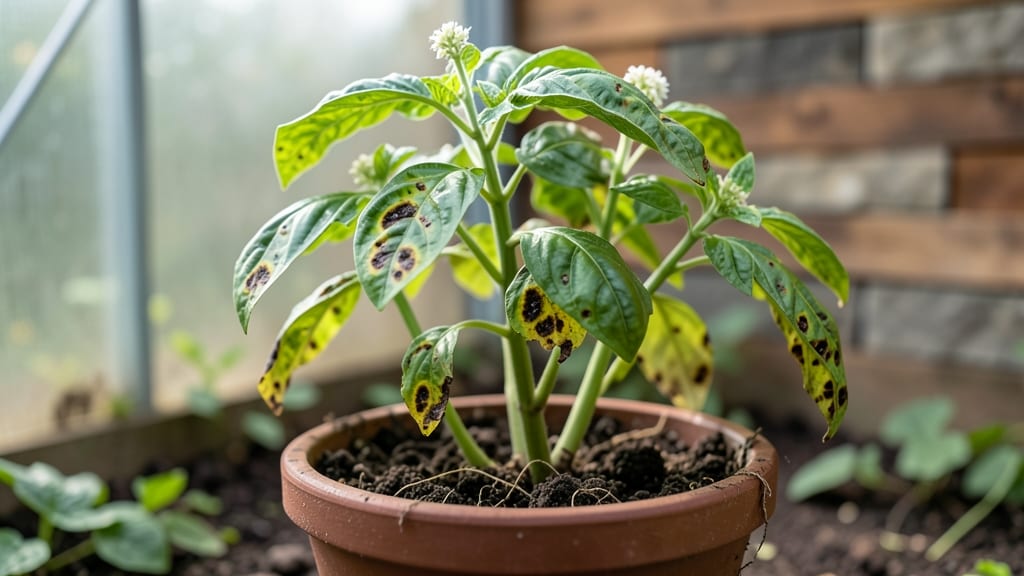
Bacterial leaf spot on basil turns your kitchen herb garden into a sad, spotted mess—unless you act fast. 🌿 I’ve watched this bacterial infection wipe out entire plants in a week, but copper spray has saved mine time and again when I catch it early.
The first sign? Tiny brown spots with yellow halos that spread like ink in water. Humid weather and crowded plants create the perfect storm for this bacterial party crasher. The good news? Pruning infected leaves and copper spray (organic or chemical) can stop it dead in its tracks.
You’ll see new growth within days if you remove the worst leaves and treat the plant. The key is consistency—spray every 7-10 days until the spots disappear. My basil bounces back stronger, and the copper spray keeps it protected for the rest of the season.
Works for container basil, in-ground plants, or even your windowsill herb garden. Here’s how to do it right the first time—and keep your basil thriving.
Root Causes of Basil Leaf Spots
Bacterial leaf spot on basil isn’t just a random bad luck scenario—it’s a perfect storm of environmental conditions, pathogen behavior, and even gardener habits. Understanding the why behind this disease is the first step to stopping it in its tracks. Let’s break down the key culprits with science-backed explanations.
Basil thrives in well-draining soil, but when it sits in soggy conditions, bacteria like Xanthomonas campestris (the usual suspect behind bacterial leaf spot) get a golden opportunity. Here’s why:
- Waterlogged soil creates the ideal breeding ground for bacteria. Overhead watering (especially in the evening) keeps leaves damp for hours, allowing bacteria to spread via water droplets like a microscopic game of telephone.
- Poor air circulation in dense basil plants traps humidity. If your basil is crowded or planted too closely, moisture lingers, and bacteria hitchhike on wind or splashing water to infect new leaves.
- Fungal allies: While bacterial leaf spot is bacterial, fungi like Pythium often tag along in wet soil, weakening the plant’s defenses and making it more susceptible to bacterial invaders.
Actionable fix: Space plants 12–18 inches apart, water at the base (not the leaves), and avoid mulching too thickly around the stem.
Bacterial leaf spot loves heat and humidity—think summer in the Southeast or a greenhouse with poor ventilation. Here’s the science:
- Optimal bacterial growth: Most bacterial leaf spot pathogens thrive between 77–86°F (25–30°C). If your basil is basking in full sun during a heatwave, the bacteria multiply rapidly.
- High humidity (>80%) slows leaf drying, keeping bacterial cells active and infectious for longer. Even morning dew can be enough to kickstart an outbreak.
- Stress = open doors: Heat-stressed basil produces less cutin (a waxy leaf coating), making it easier for bacteria to penetrate the leaf surface.
Actionable fix: Provide afternoon shade in extreme heat, use fan circulation in greenhouses, and harvest basil early in the day to reduce stress.
Bacteria are sneaky stowaways, and your pruners, fingers, or even rainwater might be carrying them. Here’s how:
- Dirty tools: If you prune infected leaves first, bacteria transfer to clean blades. A single snip can inoculate dozens of healthy plants.
- Human spread: Touching infected leaves, then petting another plant, or even reusing contaminated pots without sterilizing spreads the disease.
- Seed or transplant contamination: Some bacterial strains lurk on seed coatings or in nursery soil, waiting to pounce when conditions are right.
Actionable fix: Sterilize tools with 70% isopropyl alcohol or a 10% bleach solution between uses. Wear gloves when handling plants, and avoid overhead watering from hoses that may harbor bacteria.
Healthy basil is naturally resistant to bacterial leaf spot, but stress makes it vulnerable. Common triggers include:
- Nutrient deficiencies: Low nitrogen or phosphorus weakens cell walls, making them easier targets for bacteria.
- Over-fertilization: Too much salt or synthetic fertilizer burns roots, reducing the plant’s ability to fight off pathogens.
- Pests: Aphids, whiteflies, or spider mites damage leaves, creating entry points for bacteria.
- Transplant shock: Basil that’s recently been moved or repotted is more susceptible due to root disturbance.
Actionable fix: Use balanced organic fertilizer (like compost tea) to boost immunity, and inspect plants regularly for pests. Avoid heavy-handed pruning, which stresses the plant.
Now that you know why bacterial leaf spot strikes, the next step is how to stop it. (Spoiler: Copper spray is your secret weapon—but we’ll get to that!) 🚀
How to Fix Basil’s Spots Fast
Bacterial leaf spot can turn your thriving basil into a sad, spotted mess—but don’t toss those plants just yet! With the right approach, you can revive your basil and prevent future outbreaks. Below, we break down cause-specific fixes and prevention tips to keep your plants lush and disease-free.
Cause: Bacterial leaf spot spreads through water droplets, wind, and contaminated tools. Fix:
- Snip or pinch off yellowing, brown, or spotted leaves as soon as you see them—don’t wait!
- Dispose of them in the trash (not the compost bin—the bacteria can survive).
- Wear gloves to avoid spreading bacteria to healthy leaves.
💡 Pro Tip: If the infection is severe, prune back 1/3 of the plant to encourage new, healthy growth.
Cause: Overhead watering or wet foliage creates the perfect breeding ground for bacteria. Fix:
- Water at the base (not the leaves) using a drip irrigation system or soaker hose.
- Water in the early morning so leaves dry quickly—avoid evening watering.
- Space plants properly (12-18 inches apart) for better airflow and faster drying.
✨ Bonus: Mulch around the base to reduce soil splashing onto leaves.
Cause: Bacteria like Xanthomonas and Pseudomonas thrive in moist conditions. Fix:
- Apply a copper fungicide spray (like copper hydroxide or copper sulfate) every 7-10 days during wet seasons.
- Mix homemade spray: 1 tsp copper sulfate + 1 gallon of water + a drop of dish soap (as a sticker).
- Spray both sides of leaves and the soil around the plant.
🌡️ Warning: Test spray on a small leaf first—some plants may be sensitive.
Cause: Weak or stressed basil is more susceptible to infections. Fix:
- Fertilize lightly with a balanced organic fertilizer (like fish emulsion) to strengthen growth.
- Rotate crops—don’t plant basil in the same spot year after year.
- Use compost tea (1:10 ratio) as a foliar spray to enhance resistance.
💪 Pro Tip: Neem oil (1 tsp per quart of water) can also help suppress bacterial growth when sprayed preventatively.
To keep bacterial leaf spot at bay, follow these long-term strategies:
| Do This ✅ | Avoid This ❌ |
|---|---|
| Rotate crops every 2-3 years | Planting basil in the same spot repeatedly |
| Remove weeds near basil beds | Letting weeds harbor disease |
| Disinfect pruners with rubbing alcohol | Sharing tools between infected and healthy plants |
| Choose disease-resistant varieties (like ‘Genovese’ or ‘Sweet Basil’) | Ignoring early signs of spots |
| Harvest regularly to encourage airflow | Overcrowding plants |
Final Thought: With prompt action and smart prevention, your basil can bounce back stronger than ever! 🌿💚 Start today—snip, spray, and save your plants!
Frequently asked questions
What do bacterial leaf spots on basil look like?
Start with tiny, water-soaked brown spots (about 1/8-inch wide) that develop yellow halos. As they spread, the spots merge into larger, greasy-looking patches that can cover entire leaves. Look for raised edges and white or gray centers—key signs of bacterial infection.
Can I still use basil leaves with bacterial leaf spot?
Only harvest healthy leaves from the top of the plant—never use leaves with spots, yellowing, or wilting. The bacteria can contaminate your kitchen, so wash all tools and surfaces after handling infected plants. For severe cases, discard the whole plant to prevent spread.
How often should I spray copper on basil?
Apply a copper fungicide spray (like copper hydroxide) every 7-10 days during wet seasons or outbreaks. For preventative care, spray once every 2-3 weeks when humidity is high. Always spray in the early morning so leaves dry quickly.
Will pruning alone stop bacterial leaf spot?
Pruning removes infected leaves but won’t fully stop the spread—you must combine it with copper spray and proper watering techniques. Remove all affected leaves, including hidden spots on stems, and sterilize pruners between cuts to prevent cross-contamination.
Can I save basil plants with severe bacterial leaf spot?
If more than 50% of the plant is infected, it’s often best to remove and destroy the plant to save your garden. For milder cases, aggressive pruning + copper spray can revive it. Always replace soil in containers or rotate crops in garden beds to prevent reinfection.