
Pests and Diseases
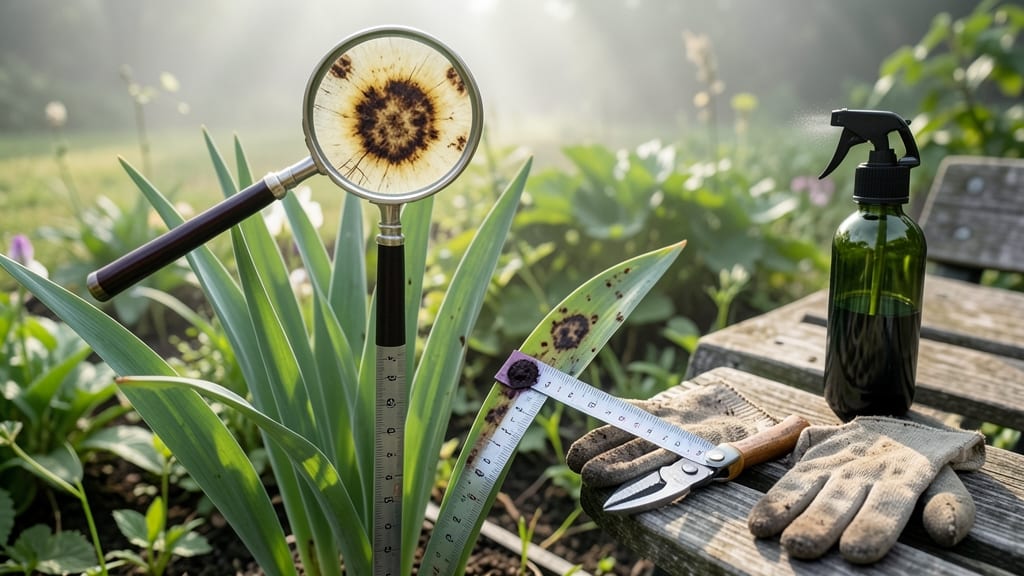
Your irises are covered in dark brown spots with yellow halos, and you're wondering if they're beyond saving. 🌱 That's classic leaf spot fungus—and the good news is, you can bring them back with the right fungicide and timing.
I've nursed multiple iris beds through this exact problem, and the key is acting fast before the spots spread to the rhizomes.
This disease thrives in damp, shady conditions where air can't circulate. Overwatering, mulch piled too high, or planting irises too close together all create the perfect storm. The spots start small but multiply quickly, turning leaves into Swiss cheese.
The moment you see those telltale brown circles, grab some copper fungicide or a product with myclobutanil—both work well for fungal leaf spot.
Within 2-3 weeks of consistent treatment, you'll see new growth pushing through with clean foliage. The secret is combining fungicide sprays with proper spacing (12-18 inches apart) and removing infected leaves as you spot them. I've saved entire clumps by doing this in early spring before the spots get worse.
For next season, focus on prevention: plant irises in full sun where they get good airflow, water only when the top inch of soil is dry, and consider adding a layer of gravel around the base to improve drainage.
The goal is to make your garden less hospitable to fungus than your irises are to you.
Root Causes of Iris Leaf Spots
Leaf spots on irises aren’t just a cosmetic nuisance—they’re a clear signal that your plants are under stress. Understanding the why behind these unsightly blemishes is the first step to stopping them in their tracks. Below, we break down the most common triggers, backed by science and actionable insights.
Fungal infections are the #1 culprit behind leaf spot on irises, with Drechslera irisii (formerly Helminthosporium) and Bipolaris species leading the charge. These pathogens thrive in moist conditions, lurking in soil, debris, or even on neighboring plants.
How it works:
- Spores germinate when leaves stay wet for prolonged periods (think rain, overhead watering, or high humidity).
- Enzymes break down plant cells, creating the characteristic brown or black spots with yellow halos.
- Spreads rapidly—especially in dense iris patches—if not treated early.
💡 Pro Tip: Fungal spores can survive in soil for years. Rotate crops (if possible) or practice sanitation to disrupt their lifecycle.
Irises hate soggy feet. While they love moisture, excessive watering or compacted, waterlogged soil creates the perfect breeding ground for fungi. Poor drainage also weakens roots, making plants more susceptible to infections.
The science behind it:
- Oxygen deprivation in waterlogged soil stresses roots, reducing their ability to absorb nutrients.
- Fungal spores multiply in stagnant moisture, colonizing leaves via wounds or natural openings (like stomata).
- Leaf spots worsen when humidity >75% for >48 hours—ideal for fungal growth.
✨ Actionable Fix: Test your soil’s drainage by digging a 6-inch hole, filling it with water, and timing how long it takes to drain. If it’s slower than 6 hours, amend with perlite or sand.
Healthy leaves repel pathogens, but stressed or injured irises become easy targets. Physical damage—from hail, lawn equipment, or even thrips feeding—creates entry points for fungi.
Common stress factors:
- Nutrient deficiencies (e.g., low nitrogen or potassium) weaken cell walls.
- Herbicide drift or chemical burns from over-fertilizing.
- Competition from weeds or crowded plantings reduce airflow.
🔥 Prevention Tip: Space iris rhizomes 12–24 inches apart and avoid overhead watering to minimize damage. If using fertilizers, opt for slow-release formulas to prevent burns.
Fungi love moderate warmth (60–80°F) and high humidity. While irises are hardy, sudden temperature swings (like spring frost followed by heatwaves) can shock plants, lowering their resistance.
How it plays out:
- Cool, wet springs (common in USDA Zones 4–7) extend fungal growth seasons.
- Nighttime dew on leaves provides 24/7 moisture for spores.
- Drought stress followed by heavy watering creates osmotic shock, making leaves vulnerable.
🎯 Climate Hack: In humid regions, water early in the day (before 10 AM) to allow leaves to dry faster. Use mulch (like pine straw) to regulate soil temp and reduce evaporation.
Dense iris beds with overlapping foliage trap moisture and block sunlight, creating a fungal paradise. Without airflow, spores linger longer on leaves, increasing infection rates.
The airflow-fungus connection:
- Stagnant air raises leaf-surface humidity, slowing evaporation.
- Shaded leaves (from thick clumps) stay damp longer, delaying drying.
- Dead leaves/debris harbor spores year-round.
🌿 Garden Layout Tip: Prune older leaves in early spring to improve airflow. If replanting, choose dwarf iris varieties (like Iris pumila) for naturally spaced growth.
Reclaim Your Iris Garden Now
Leaf spot on iris can feel like a gloomy forecast for your garden, but don’t let those unsightly brown spots steal your springtime joy! With the right approach, you can revive your irises and prevent future outbreaks.
Below, we’ve mapped out practical fixes tailored to the root causes of leaf spot—whether it’s fungal infections, environmental stress, or poor gardening habits. Follow these steps to restore your iris beds to their former glory.
If leaf spot is caused by Drechslera or Bipolaris fungi, act fast to halt its progression.
🍳 Apply Fungicides (The Quick Fix)
Fungicides are your first line of defense. Use these three-step treatments:
- Choose the right fungicide: Opt for copper-based fungicides (like Bordeaux mixture) or systemic fungicides containing myclobutanil or propiconazole. These are effective against leaf spot pathogens.
- Timing is everything: Apply fungicide at the first sign of spots (tiny brown dots) and again every 7–14 days during wet or humid conditions. Early intervention prevents the fungus from taking hold.
- Spray thoroughly: Focus on the undersides of leaves (where spores often hide) and the soil around the base of the plant. Use a handheld sprayer for precision.
🌡️ Boost Plant Immunity (Natural Support)
Help your irises fight back with these preventive boosts:
- Improve air circulation: Space iris clumps 12–18 inches apart to reduce humidity around leaves. Trim dead foliage promptly to prevent fungal buildup.
- Water wisely: Avoid overhead watering—use drip irrigation or water at the base of plants in the early morning so leaves dry quickly.
- Mulch strategically: Apply a 2-inch layer of organic mulch (like straw or pine needles) to keep soil moist but prevent splashing water onto leaves.
If leaf spot is triggered by overwatering, poor drainage, or compacted soil, address these issues to create a healthier growing environment.
💡 Drainage Solutions (The Underground Fix)
Irises hate soggy roots. Take these steps to improve drainage:
- Raise the beds: If your garden has heavy clay soil, elevate iris beds by adding a layer of gravel or sand beneath the planting hole.
- Amend the soil: Mix in compost or perlite to loosen compacted soil. Irises thrive in well-draining, slightly sandy soil.
- Adjust watering: Irises are drought-tolerant—water only when the top 1–2 inches of soil are dry. Overwatering is a surefire way to invite fungal growth.
✨ Sunlight and Spacing (The Light Fix)
Leaf spot loves shady, crowded conditions. Give your irises:
- Full sun (6+ hours/day): Irises need bright, direct sunlight to stay healthy. If your garden is shady, consider relocating clumps or thinning nearby plants.
- Proper spacing: Dig up and divide overcrowded iris clumps every 3–4 years to improve airflow.
An ounce of prevention is worth a pound of cure! Follow these year-round strategies to keep leaf spot at bay:
🔥 Spring Cleanup (Pre-Season Prep)
- Remove and destroy infected leaves and rhizomes (do not compost them—burn or trash them).
- Sterilize tools with a 10% bleach solution after pruning to avoid spreading spores.
🌡️ Summer Vigilance (Peak Risk Season)
- Monitor humidity levels—leaf spot thrives in 70%+ humidity. Use a dehumidifier in greenhouses or prune foliage to improve airflow.
- Avoid late-season fertilization with high nitrogen, which promotes soft, susceptible growth.
🎯 Fall and Winter Care (Off-Season Defense)
- Apply a layer of mulch in late fall to protect rhizomes from freezing and thawing cycles.
- Drain excess water from garden beds in winter to prevent snowmelt-related fungal outbreaks.
With these targeted solutions, your irises will bounce back stronger than ever. Act now—the sooner you treat leaf spot, the sooner you’ll enjoy spotless, vibrant blooms next season! 🌸
Frequently asked questions about iris leaf spot
What do iris leaf spot symptoms look like exactly?
Iris leaf spot typically appears as dark brown or black spots with yellow halos on the leaf edges. These spots often have irregular shapes and may develop concentric rings. In advanced cases, leaves can become tattered or develop large dead patches. The key is to catch it early when spots are still small.
Can I still save my irises if the spots have spread to the rhizomes?
If leaf spot reaches the rhizomes, the plant may not survive—but you can try to salvage healthy portions. Dig up the clump, cut away infected rhizome sections with a sterilized knife, and replant only the healthy parts in fresh, well-draining soil. Apply fungicide immediately to prevent further spread.
How often should I spray fungicide for iris leaf spot?
Start spraying at the first sign of spots, then repeat every 7–14 days during wet or humid conditions. For prevention, apply fungicide twice a year: once in early spring and again after heavy rains. Copper-based fungicides work well, but rotate with systemic options like myclobutanil to prevent resistance.
Will pruning infected leaves help stop the spread?
Yes! Prune and remove infected leaves immediately—do not compost them. Burn or trash infected foliage to prevent spores from reinfecting your garden. Sterilize your pruners with a 10% bleach solution between cuts. Healthy leaves should recover with proper fungicide treatment and improved airflow.
Are there iris varieties resistant to leaf spot?
Some iris varieties show better resistance, like Iris germanica and Iris sibirica. Dwarf varieties (such as Iris pumila) also tend to have fewer issues due to better airflow. While no iris is completely immune, proper spacing and cultural practices significantly reduce susceptibility in these varieties.