
Trees
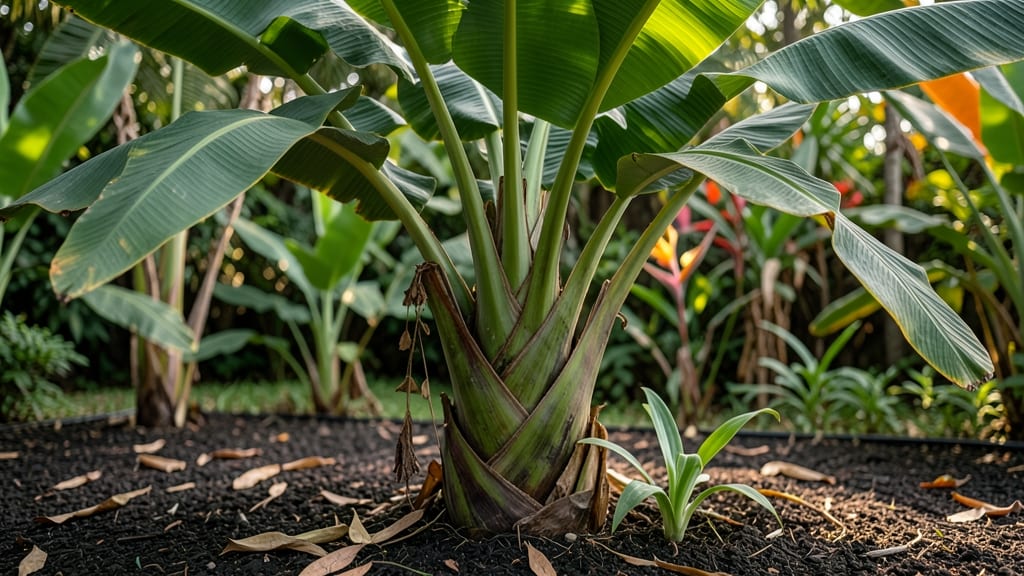
Growing banana leaf trees brings instant tropical drama to your space—no green thumb required. 🌿 These striking plants thrive with minimal fuss, making them perfect for both indoor and outdoor settings where you want bold foliage without constant pruning.
They love bright, indirect light but tolerate lower light better than most tropicals, and their soil needs are simple: well-draining, slightly acidic mix that stays consistently moist. In warmer climates, they'll grow into a lush 6-foot canopy, while indoors they stay manageable at 3-4 feet with proper care.
The real magic happens when you see those massive, glossy leaves unfurl—each one a statement piece that lasts for months. With just a few adjustments to watering and feeding, you'll have a plant that looks expensive but costs pennies to maintain.
Outdoor growers in zones 10-12 get to enjoy them year-round, while cooler climates can bring them in for winter or grow them as annuals. Here's how to keep yours thriving no matter where you live!
📚 In This Guide
- What you need
- Instructions
- Tips and common mistakes
- Wrapping up and next steps
What you need
- ● Banana plant: Choose between: Seeds (for long-term projects—germination can take months!)
- ● Pups (offspring shoots from the mother plant—fastest option!)
- ● Nursery-grown sapling (ready to plant, but pricier 💸)
- ● Well-draining soil: Mix 2 parts garden soil + 1 part compost + 1 part perlite/sand (banana trees hate soggy roots!).
- ● Large container or in-ground plot: For pots: 15+ gallon container (minimum 12" deep) with drainage holes.
- ● For outdoor planting: Sunny spot with 6+ hours of light and 6+ feet of space (trees can grow tall!).
- ● Mulch: 3–4 inches of organic mulch (straw, wood chips) to retain moisture and regulate soil temp.
- ● Basic gardening tools: Trowel or shovel (for transplanting)
- ● Pruning shears (sterilized with rubbing alcohol)
- ● Gloves (banana plants can be spiky!)
- ○ Optional (but helpful!): Soil pH test kit (ideal range: 5.5–7.0)
- ● Slow-release fertilizer (balanced 10-10-10 or organic compost tea)
- ● Support stake (if growing in windy areas—bamboo or metal works best)
- ● Rainwater collector or hose (banana leaves love hydration!)
- ● Grow in containers and bring indoors during winter (keep temps above 50°F).
- ● Use a greenhouse or frost-free environment.
Instructions for growing banana leaf trees as a tropical canopy
Here's how to cultivate these striking plants with minimal fuss—just follow these straightforward steps.
🪴 Step 1: Select the Right Location and Planting Site
Banana leaf trees thrive in full sun to partial shade, needing at least 6 hours of direct sunlight daily. In hot climates, afternoon shade prevents leaf scorch. I always plant mine where they’ll get morning sun and afternoon dappled light—this mimics their natural understory habitat.
Choose a spot with well-draining soil that’s rich in organic matter. Amend heavy clay with 3-4 inches of compost mixed into the top 12 inches of soil. These plants hate soggy roots, so if your soil drains poorly, raise them in a slightly elevated bed or mound.
☀️ Step 2: Plant at the Correct Depth and Spacing
Dig a hole twice as wide as the root ball but only as deep as the container’s root base. This prevents burying the crown, which causes rot. Gently remove the plant from its container and tease apart any circling roots—this encourages outward growth instead of girdling.
Space plants 8-10 feet apart for mature size. They grow fast and develop wide canopies, so crowding leads to disease and poor airflow. After placing the tree, backfill with native soil mixed with 1 cup of slow-release fertilizer, then water deeply to settle everything.
💧 Step 3: Establish a Consistent Watering Routine
Water deeply 2-3 times per week during the first growing season, aiming for 1-2 inches of moisture per session. You’ll know it’s enough when water drains 6 inches deep—stick your finger in the soil to check. Once established, they tolerate brief dry spells but produce better with regular moisture.
Mulch with 3-4 inches of organic mulch (like wood chips) around the base, keeping it 6 inches away from the trunk. This conserves moisture, regulates soil temperature, and prevents weeds—just remember to refresh it annually as it breaks down.
✂️ Step 4: Prune Strategically for Health and Shape
Banana leaf trees need minimal pruning—focus on removing yellow or damaged leaves at the base and any crossing branches that rub together. Use sterilized pruners to cut just above a leaf node, and always make clean cuts to prevent disease entry.
If your tree grows too tall for your space, you can top it back in late winter by cutting the main stem 12-18 inches above ground. This encourages bushier growth, but be warned—it may take a season to recover its full canopy. Never prune more than one-third of the plant at once.
🌿 Step 5: Fertilize for Lush, Healthy Growth
Feed young trees with a balanced 10-10-10 fertilizer every 6-8 weeks during the growing season. Once established, switch to a low-nitrogen, high-potassium formula (like 5-10-10) to encourage strong foliage and disease resistance. Always water the soil 24 hours before fertilizing to prevent root burn.
In late winter or early spring, top-dress with 2-3 inches of compost around the drip line. This provides slow-release nutrients and improves soil structure over time. Avoid fertilizing in fall—it promotes tender new growth that won’t survive winter cold.
Tips & tricks for perfect banana leaf trees
Real talk: These tropical beauties are forgiving, but these small tweaks will help you avoid common pitfalls and get the most out of your investment.
Sunlight Strategy: Those 6 hours of daily sunlight are non-negotiable, but here's the thing—morning sun and afternoon shade is ideal. If you're in a hot climate, consider using shade cloth (50% coverage) during peak afternoon hours to prevent leaf scorch. I've seen trees in full sun all day develop brown edges, and it's completely preventable with this simple adjustment.
Soil Prep Secret: When amending your soil with 3-4 inches of compost, don't just scratch it in—mix it thoroughly into the top 12 inches. This creates a proper root zone where moisture and nutrients can penetrate. I learned this the hard way after seeing roots struggle in compacted soil. For heavy clay, consider building a raised bed at least 6 inches high to ensure proper drainage from the start.
Watering Wisdom: The 2-3 times per week rule works, but timing matters just as much. Water in the early morning so leaves have time to dry before evening. Wet foliage overnight creates perfect conditions for fungal diseases. Also, use a moisture meter to verify that water's draining 6 inches deep—this is the real test of proper watering, not just eyeballing it.
Pruning Pro Tip: When you're removing yellow leaves or crossing branches, make your cuts just above a leaf node at a 45-degree angle. This encourages new growth from that exact spot. I've seen too many people make flush cuts that leave ugly stubs and create entry points for disease. Sterilize your pruners with rubbing alcohol between cuts to prevent spreading any potential infections.
Pro Tips for Banana Leaf Trees
- Real talk: These tropical beauties are forgiving, but these small tweaks will help you avoid common pitfalls and get the most out of your investment.
- Sunlight Strategy: Those 6 hours of daily sunlight are non-negotiable, but here's the thing—morning sun and afternoon shade is ideal.
- Soil Prep Secret: When amending your soil with 3-4 inches of compost, don't just scratch it in—mix it thoroughly into the top 12 inches.
Frequently asked questions
Got questions about growing and caring for banana leaf trees? You’re not alone! Here are some of the most common queries—plus quick, practical answers to keep your tropical beauty thriving with minimal fuss.
How fast do banana leaf trees grow?
Banana leaf trees (like Musa varieties) are fast growers—expect 1–2 feet per year under ideal conditions. With plenty of sunlight, water, and rich soil, you might even see new fronds unfurling every few months! Just be ready for their dramatic, leafy expansion.
Can banana leaf trees survive cold winters?
Most banana leaf trees are tropical and struggle below 40°F (4°C). In colder climates, grow them in containers and move them indoors or to a greenhouse during frost. If left outside, mulch heavily and protect the crown with burlap to prevent damage.
Do banana leaf trees need a lot of pruning?
One of their biggest perks? Minimal pruning! Remove only dead or yellowing leaves to keep energy flowing to new growth. Cut back old fronds at the base with clean shears—no need for heavy trimming unless you’re shaping the plant for aesthetics.
What’s the best alternative if I can’t grow a real banana leaf tree?
If your climate is too harsh, try ornamental banana varieties like Musa basjoo (hardier) or Strelitzia nicolai (bird-of-paradise plant) for similar tropical vibes. For container gardening, Dracaena marginata (dragon tree) mimics the leaf shape with easier care.
Why are my banana leaf tree’s leaves turning brown or yellow?
Brown tips often signal underwatering or salt buildup. Yellowing leaves? Check for overwatering, poor drainage, or pests. Adjust your watering routine (let soil dry slightly between waterings) and inspect for spider mites or aphids. A balanced fertilizer can also help revive dull foliage.
Still stumped? Drop your question below—we’re happy to help your banana leaf tree thrive!
Wrapping up and next steps
Banana leaf trees are a fantastic choice for adding tropical charm to your garden with minimal effort—just a little sunlight, water, and occasional pruning keeps them thriving! 🌿 Whether you love their lush foliage, low-maintenance nature, or eco-friendly uses, these trees bring beauty and practicality to any space.
Ready to transform your outdoor area? Plant one today and watch your garden flourish!
Next step: Start by selecting the perfect spot in your yard and gather your supplies—your banana leaf tree awaits!