
Container Gardens
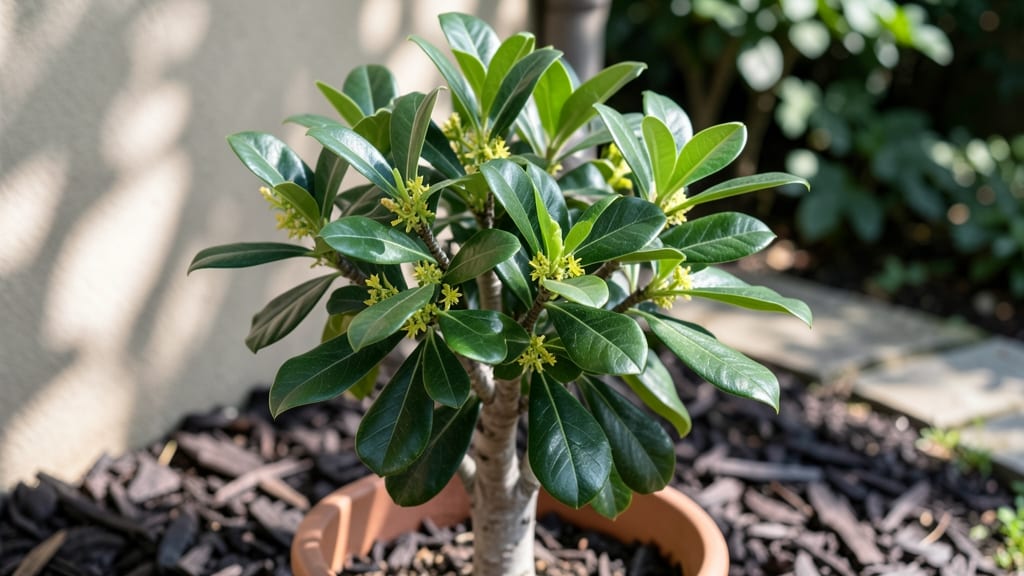
A potted bay leaf tree brings kitchen aromas to your patio or windowsill. 🌿 I’ve grown mine for three years now, and the secret to its success lies in mimicking its Mediterranean roots—bright light, well-draining soil, and occasional pruning to keep it compact.
The first time I harvested fresh leaves for cooking, I knew I’d never buy dried again.
Start with a 10-15 gallon pot (larger for mature trees) and a mix of 60% potting soil, 30% perlite, and 10% compost—this prevents soggy roots that lead to root rot.
Place it where it gets at least 6 hours of sunlight daily, whether indoors near a south-facing window or outdoors on a sheltered porch. Water when the top 2 inches of soil feel dry, but avoid letting it sit in water.
Pruning isn’t just for shaping—it encourages bushier growth and more leaves. Trim back leggy stems in early spring and again after harvest to maintain a 3-4 foot height.
The fragrance alone makes it worth the effort, but the bonus? You’ll have an endless supply of fresh bay leaves for soups, stews, and grilling.
Bay trees handle seasonal shifts surprisingly well. In winter, reduce watering slightly and move potted plants away from cold drafts. If you notice yellowing leaves, it’s usually overwatering—let the soil dry out more between waterings.
With the right care, your potted bay tree will thrive for decades, rewarding you with lush foliage and that unmistakable bay scent year-round.
📚 In This Guide
- What you need
- Instructions
- Tips and common mistakes
- Wrapping up and next steps
What you need
- ● Bay Laurel Seedling or Bare-Root Plant: 1 healthy Laurus nobilis (bay leaf tree) seedling or bare-root plant (3–5 ft tall for best container growth).
- ○ Optional: Pre-grown potted bay tree (ensure it’s disease-free and well-rooted).
- ● Container: 1 large fiberglass, ceramic, or plastic pot (18–24 inches in diameter) with drainage holes.
- ● Pro Tip: Bay trees thrive in depth—choose a pot at least 12–18 inches deep to accommodate root growth. 🌱
- ● Well-Draining Potting Mix: 5–7 gallons of high-quality potting soil mixed with 20–30% perlite or coarse sand for aeration.
- ○ Optional: Add 1 cup of compost for extra nutrients (skip if using pre-fertilized mix).
- ● Drainage Layer: 2–3 inches of gravel, pebbles, or broken pottery shards (placed at the bottom of the pot).
- ● Watering Can or Hose with Gentle Spray: For deep but controlled watering (bay trees hate soggy roots!).
- ● Balanced Liquid Fertilizer: 1 bottle of 10-10-10 or 20-20-20 fertilizer (diluted to half-strength).
- ● Alternative: Slow-release granular fertilizer (follow package instructions).
- ● Garden Gloves (to protect hands from rough bark and soil).
- ● Trowel or Spade (for transplanting and mixing soil).
- ● Pruning Shears (to trim dead or overgrown branches).
- ○ Mulch (Optional): 2–3 inches of wood chips or straw (keeps soil moist and regulates temperature).
- ● Sunlight Spot: Access to full sun (6+ hours/day) or partial shade (mature trees tolerate shade better).
- ● Patience! 🌱 Bay trees grow slowly—expect 6–12 inches of growth per year in containers.
- ● Small or shallow pots (roots need space to breathe!).
- ● Heavy clay soil (use only potting mix—never garden soil).
- ● Overwatering (bay trees prefer slightly dry soil between waterings).
Step-by-step instructions for growing a potted bay leaf tree
Here's how to nurture a fragrant bay laurel tree in containers—it's simpler than you think.
🪴 Step 1: Select the Right Container and Drainage
Bay trees need room to grow, so choose a 12-15 inch diameter pot with drainage holes. Terra cotta pots work best because they breathe and help prevent root rot. If your pot lacks drainage, drill 3-4 holes along the bottom to ensure excess water escapes.
Line the bottom with 2-3 inches of gravel or broken pottery shards to create an air pocket. This prevents soggy roots while allowing water to drain freely. The gravel layer also keeps the soil from clogging the drainage holes over time.
🌱 Step 2: Prepare Well-Draining Soil Mix
Bay trees hate soggy roots, so mix 2 parts potting soil with 1 part perlite or coarse sand. This creates a loose, airy medium that mimics their Mediterranean native soil. Avoid garden soil—it compacts too easily and holds too much moisture.
Fill the pot to about 2 inches from the top with your mix. Press it down gently but don't compact it. The soil should feel like a damp sponge—firm enough to support the plant but still crumbly enough to let roots penetrate easily.
☀️ Step 3: Plant and Position for Light
Remove the bay tree from its nursery pot and loosen the roots gently if they're circling. Place it in the center of your container, then fill around the roots with more soil mix, pressing lightly to eliminate air pockets. Water thoroughly until it drains from the bottom holes.
Bay trees thrive in full sun to partial shade (6-8 hours of sunlight daily). Place your pot in a south- or west-facing window, or move it outdoors to a sheltered spot during warm months. If leaves yellow or drop, it's getting too much direct sun—relocate to a slightly shadier spot.
💧 Step 4: Water and Maintain Proper Humidity
Let the top 1-2 inches of soil dry out between waterings—stick your finger in to check. Overwatering is the fastest way to kill a bay tree. When you water, do it deeply until water runs from the drainage holes, then empty the saucer to prevent root rot.
Bay trees love humidity. Mist the leaves regularly or place the pot on a tray filled with pebbles and water (keep the pot elevated so roots don't sit in water). You'll know the humidity is right when new leaves stay glossy and upright instead of curling or browning at the edges.
✂️ Step 5: Prune and Encourage Bushy Growth
Pinch back new growth in spring to encourage a bushier shape. Use clean pruners to trim just above a leaf node (the bump where leaves attach). Avoid cutting into old wood—bay trees don't regrow well from mature branches.
Harvest leaves anytime by snipping stems just above a leaf pair. Dry them by hanging bundles upside down in a warm, dark place for 2-3 weeks. The leaves will keep their fragrance for months if stored in an airtight container.
Tips & tricks for perfect potted bay leaf trees
Here's what nobody tells you about keeping your bay tree thriving in containers—these tricks make all the difference.
Container Size Matters: That 12-15 inch diameter pot isn't just a suggestion—it's crucial for root growth. If you start with a smaller pot, your tree will become root-bound quickly, leading to stunted growth. I've seen people use 10-inch pots and wonder why their bay tree stays small and leggy. Upgrade to the right size from the start, and you'll notice stronger stems and more abundant leaves within months.
Soil Mix Secrets: The 2:1 ratio of potting soil to perlite isn't arbitrary—it's about aeration. I learned this the hard way after using regular garden soil and watching my bay tree develop root rot. The perlite creates tiny air pockets that prevent compaction. Pro tip: Add a handful of orchid bark to your mix for even better drainage. It breaks down slowly and improves structure over time.
Light Positioning: Those 6-8 hours of sunlight are non-negotiable, but placement matters more than you'd think. I always position my pot near a south-facing window but slightly back from it—this prevents leaf scorch while still giving enough light. In summer, if you move it outdoors, do it gradually over a week to avoid sun shock. Watch for leaves turning yellow or crispy edges—they're begging for shade adjustments.
Humidity Hacks: The pebble tray method works, but here's a game-changer: Group your bay tree with other houseplants. They create a natural microclimate with higher humidity. I keep mine near my snake plant and ferns, and the leaves stay lush and glossy without any extra effort. If you notice brown tips, that's your cue to increase humidity immediately.
Pro Tips for Bay Leaf Tree Potted
- Here's what nobody tells you about keeping your bay tree thriving in containers—these tricks make all the difference.
- Container Size Matters: That 12-15 inch diameter pot isn't just a suggestion—it's crucial for root growth.
- Soil Mix Secrets: The 2:1 ratio of potting soil to perlite isn't arbitrary—it's about aeration.
Frequently asked questions
Got questions about keeping a bay leaf tree happy in a pot? Here are some of the most common concerns—plus straightforward answers to help you grow a thriving, fragrant plant!
How often should I water my potted bay leaf tree?
A potted bay leaf tree prefers consistent moisture but hates soggy roots. Water when the top 1–2 inches of soil feel dry—typically every 5–7 days in warm weather or every 2–3 weeks in cooler months. Reduce watering in winter, as growth slows. Pro tip: Use a pot with drainage holes to prevent root rot!
Can a bay leaf tree survive winter in a container?
Yes! Bay leaf trees are hardy but need protection in freezing temps (<30°F/–1°C). Move your pot to a sheltered spot (like a garage or under eaves) or wrap it in burlap for insulation. If temps drop below 20°F (–7°C), consider mulching the soil with straw or bringing it indoors near a sunny window.
Why are my bay leaves turning yellow or dropping?
Yellowing or dropping leaves usually signal overwatering, underwatering, or nutrient deficiency. Check the soil moisture first—adjust your watering routine. If leaves are crispy, it’s too dry; if mushy, you’re overdoing it. For older trees, a balanced fertilizer in spring (like 10-10-10) can revive growth.
What’s the best container size for a bay leaf tree?
Start with a pot at least 12–18 inches wide and deep for young trees, as bay leaf trees have spreading roots. Mature trees may need 20+ inches of space. Use a terracotta or fabric pot for better drainage, and repot every 2–3 years to refresh the soil with a mix of potting soil + perlite.
Are there fragrant alternatives to bay leaf trees for containers?
If bay leaf trees aren’t your style, try these fragrant container-friendly plants:
- Lavender – Drought-tolerant and calming (loves full sun!).
- Rosemary – Hardy and woody; thrives in pots with good drainage.
- Lemon verbena – Citrusy scent and fast-growing (needs regular water).
- Dwarf citrus (like Meyer lemon) – Sweet-scented blooms (keep indoors in winter).
All these plants add aroma and beauty to your patio!
Wrapping up and next steps
Growing a bay leaf tree in a pot is a rewarding way to enjoy its fragrant leaves and culinary benefits right at home! With the right soil, sunlight, and care, this versatile perennial thrives in containers—adding beauty and aroma to your space.
Whether you're a seasoned gardener or just starting, this fragrant friend is perfect for small balconies or cozy kitchens.
Ready to bring home your own potted bay leaf tree? Start by choosing a healthy plant and follow the care tips shared above. Soon, you’ll be harvesting fresh leaves for cooking or savoring their scent year-round! 🌿✨