
Leaf Blower
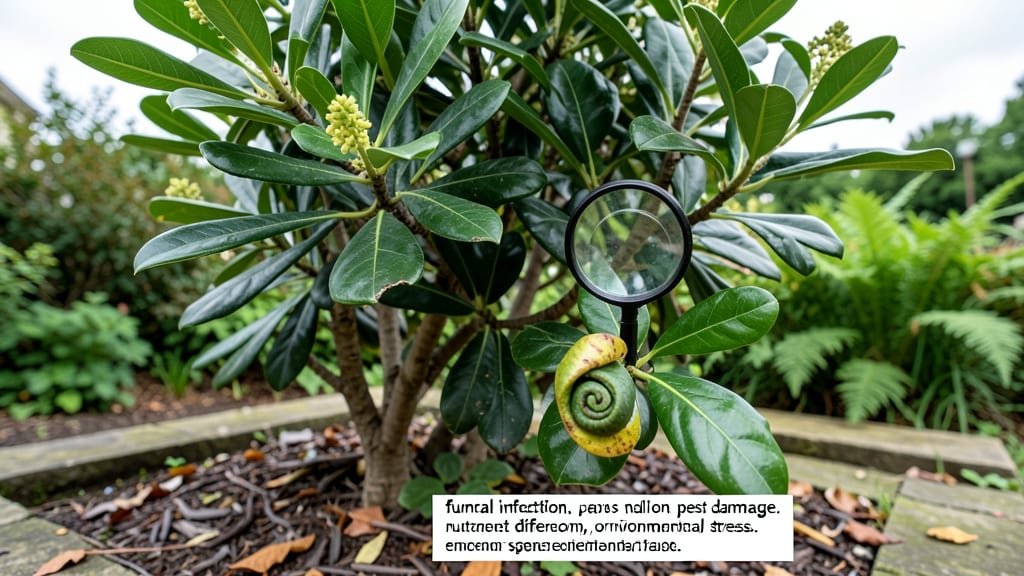
That crispy leaf curl on your bay tree isn’t just ugly—it’s a cry for help. 🌿 I’ve seen this damage ruin perfectly healthy trees, and the fix starts with understanding whether it’s fungal, pest-related, or something else entirely.
The copper spray trick I’m about to share has saved my trees from looking like they’ve been through a drought when they’re actually just thirsty for the right care.
Most of the time, leaf curl in bay trees comes from Pseudomonas syringae, a bacterial infection that thrives in wet conditions, or spider mites that suck the life out of leaves until they crisp at the edges.
Nutrient deficiencies—especially iron or magnesium—can mimic the damage too, so don’t jump to treatments without checking the soil first. The key is acting fast: once the edges turn brown, the damage is permanent, but you can still stop it from spreading.
Copper spray is your first line of defense—it’s organic, effective, and won’t harm beneficial insects if used correctly. For severe cases, a systemic fungicide might be needed, but I’ve found that pruning infected leaves immediately and improving airflow around the tree cuts the problem in half.
Think of it like giving your bay tree a spa day: trim the stress points, feed it right, and it’ll bounce back with glossy, crisp-free foliage in no time.
If the damage keeps coming back year after year, it’s time to dig deeper—literally. Soil tests and professional advice might be the missing piece. But for now, grab that copper spray and let’s get those leaves looking fresh again. Your bay tree’s longevity depends on it.
Understanding Leaf Curl Triggers
Bay trees are prized for their glossy foliage and aromatic appeal, but when leaves start curling at the edges—often with a crispy, browned look—it’s a sign of stress. These symptoms rarely appear overnight.
Instead, they’re the result of environmental or biological factors gradually weakening the plant. Let’s break down the most common causes, backed by science, so you can diagnose the issue like a pro.
Fungal pathogens are the #1 culprit behind leaf curl in bay trees, particularly Pseudopeziza tracheiphila (a common cause of bay leaf blight) and Mycosphaerella species. These fungi thrive in humid, warm conditions (60–80°F) and spread via wind, splashing water, or contaminated pruning tools.
- How it happens:
- Fungal spores land on leaves, penetrate through stomata (tiny pores), and disrupt cellular function.
- Infected cells swell unevenly, causing edges to curl upward while the center remains green—until browning sets in.
- Severe cases lead to premature leaf drop, leaving your tree vulnerable to secondary pests.
- Actionable clues:
- Look for yellow spots on the underside of leaves before curling appears.
- Check for black fungal fruiting bodies (tiny dots) on curled edges in damp weather.
- Pro tip 💡: Fungal activity peaks after rain or overhead watering—inspect leaves within 24–48 hours of wet conditions.
Bay trees (Laurus nobilis) prefer consistently moist but well-drained soil. When roots sit in soggy conditions, they struggle to absorb oxygen, leading to anaerobic stress. This triggers a cascade of symptoms, including leaf curl as the tree’s survival mechanism to reduce water loss.
- How it happens:
- Waterlogged roots release ethylene gas, a plant hormone that accelerates aging (senescence) in leaves.
- Curling edges are the tree’s way of minimizing surface area to slow transpiration (water loss).
- Chronic overwatering weakens the tree, making it susceptible to root rot (Phytophthora species), which exacerbates leaf damage.
- Actionable clues: - Soil feels squishy 1–2 inches below the surface (stick your finger in—if it’s damp after 24 hours, you’re overdoing it). - Leaves curl along with yellowing (not just browning), and new growth is stunted. - Pro tip 🌡️: Bay trees need 1–1.5 inches of water per week—including rainfall.
Use a moisture meter if you’re unsure.
Leaf curl can also signal a lack of key nutrients, particularly magnesium, potassium, or nitrogen. These deficiencies disrupt chlorophyll production and cell wall integrity, leading to distorted growth.
- How it happens:
- Magnesium deficiency (often from calcium-rich soil) causes interveinal chlorosis (yellowing between veins) before edges curl and crisp.
- Potassium deficiency weakens cell membranes, making leaves more prone to osmotic stress (water imbalance), which curls edges.
- Nitrogen starvation stunts overall growth, but curled leaves with purple undersides suggest phosphorus deficiency.
- Actionable clues:
- Test your soil’s pH (ideal: 6.0–7.0)—alkaline soil locks out magnesium.
- Check for slow growth paired with small, curled leaves.
- Pro tip ✨: Feed your bay tree with a balanced 10-10-10 fertilizer in spring, or use Epsom salt (magnesium sulfate) for a quick fix (1 tbsp/gallon of water, applied monthly).
Sap-sucking insects like bay sucker (Cryptophlebia ambrosiella) caterpillars or spider mites can cause leaf curl by feeding on cell fluids. Their saliva contains toxins that distort leaf tissue, and their physical damage triggers a curling response.
- How it happens:
- Spider mites (thriving in dry, hot conditions) pierce cells, causing stippling and upward curling.
- Both pests excrete honeydew, which attracts sooty mold—black fungus that further stresses the tree.
- Look for
Extreme heat, cold, or wind can directly damage bay tree leaves, causing edges to curl as a protective response. Unlike fungal issues, environmental stress is acute—symptoms appear suddenly after a weather event.
- How it happens:
- Heat stress (above 90°F) causes protein denaturation in leaf cells, leading to crispy, curled edges.
- Cold damage (below 20°F) disrupts cell membranes, causing brown, brittle curling.
- Strong winds physically abrade leaf surfaces, triggering a curling reflex to reduce exposure.
- Actionable clues:
- Curling appears uniformly across the tree after a heatwave or frost.
- Leaves may feel leathery or brittle to the touch.
- Pro tip 🔥: Mulch heavily in winter and provide afternoon shade in summer to buffer temperature swings.
Bay trees are sensitive to salt buildup from fertilizers or hard water. Excessive salts disrupt osmosis, causing cells to lose turgor (firmness) and curl at the edges.
- How it happens:
- Over-fertilizing (especially with synthetic salts) creates a hypertonic soil solution, pulling water out of leaf cells.
- Hard water (high in calcium/magnesium) leaves white crust on soil, which burns roots and leaves.
- Herbicide drift (e.g., glyphosate) can cause necrotic curling if sprayed nearby.
- Actionable clues:
- Leaves curl along with white/yellow tips (salt burn).
- Soil looks crusty or powdery on the surface.
- Pro tip 💡: Flush soil with rainwater (not tap) to leach excess salts, and use organic fertilizers like compost tea.
Quick Fixes for Wrinkled Leaves
When your bay tree’s leaves start curling at the edges—like crispy, unwanted parchment—don’t panic! The good news is that most cases of leaf curl are treatable with simple, targeted solutions.
Below, we’ve mapped out the most common causes to their fixes, so you can restore your tree’s lush, healthy look without stress.
If leaf curl is caused by bay leaf blight or anthracnose, a fungal infection is likely the culprit. These pathogens thrive in damp, humid conditions, turning leaves into brittle, curled messes.
How to Fix It:
- 🍳 Prune the Affected Leaves
- Use sterilized pruners (wipe with rubbing alcohol) to snip off curled, yellowed, or browned leaves. This stops the fungus from spreading.
- Dispose of pruned leaves in the trash (not compost)—fungus can survive in compost piles.
- 👨🍳 Apply Copper Fungicide - Best time: Early morning or late afternoon (avoid direct sun). - How: Mix copper fungicide (like copper sulfate or copper hydroxide) with water as directed on the label.
Spray thoroughly on both sides of leaves and the tree’s branches. - Frequency: Apply every 7–14 days until new growth appears healthy (usually 4–6 weeks).
- 🌡️ Improve Airflow & Reduce Moisture
- Thin out dense branches to allow sunlight and air to circulate.
- Water at the base (not overhead) to keep leaves dry.
- Avoid overhead irrigation—use drip systems instead.
💡 Pro Tip: If you’re dealing with a severe infection, consider neem oil spray (a natural antifungal) as a supplement. Mix 1 tsp neem oil + 1 tsp mild soap + 1 quart water, and spray in the evening.
Bay trees hate soggy roots. If your tree is in a container or heavy clay soil, excess moisture can lead to root rot, which stresses the plant and causes leaf curl.
How to Fix It:
- ⏰ Check the Soil Moisture
- Stick your finger 2 inches into the soil. If it’s damp, wait to water.
- Bay trees prefer slightly dry soil—water only when the top inch feels dry.
- 🔪 Improve Drainage
- For potted bay trees: Add a layer of gravel or perlite at the bottom of the pot before repotting.
- For in-ground plants: Amend the soil with compost + sand (50/50 mix) to improve drainage.
- Avoid saucers under pots—empty them after watering to prevent root suffocation.
- 🌧️ Adjust Watering Habits
- Water deeply but infrequently—once a week in summer, less in winter.
- Water in the morning so leaves dry quickly, reducing fungal risk.
🔥 Emergency Fix: If roots are already rotting, repot the tree in fresh, well-draining soil and trim any mushy roots with clean pruners.
Leaf curl can also be a stress response to direct sun, wind, or temperature swings. Bay trees love partial shade—too much sun or cold drafts can scorch and curl edges.
How to Fix It:
- 🏡 Relocate the Tree (If Possible)
- Move potted bay trees to a spot with morning sun + afternoon shade.
- For in-ground trees, prune nearby branches blocking light but avoid full shade.
- 🌬️ Protect from Wind & Cold
- Windburn? Place the tree near a fence or wall for windbreak.
- Cold snaps? Cover young or sensitive trees with frost cloth in winter.
- 💧 Hydrate & Fertilize Gently
- Drought stress? Water deeply and add mulch (2–3 inches) to retain moisture.
- Over-fertilizing? Flush the soil with water to reduce salt buildup, which burns roots.
✨ Prevention Tip: Bay trees thrive in USDA Zones 7–10. If you’re in a colder zone, grow them in containers so you can move them indoors in winter.
Sometimes, sap-sucking pests like spider mites, scale, or aphids weaken leaves, causing them to curl and crisp.
How to Fix It:
- 🔍 Inspect Leaves & Stems
- Look for sticky residue (honeydew), tiny webs, or bugs clustering on undersides.
- 🚿 Blast Off Pests
- Strong water spray (hose down leaves) dislodges many pests.
- Insecticidal soap (mix 1 tbsp soap + 1 quart water) works for mites and aphids.
- 🌿 Introduce Beneficial Insects
- Ladybugs and lacewings eat aphids naturally. Buy them online or attract them with neem oil sprays.
🎯 Long-Term Defense: Plant marigolds or basil nearby—their scents repel pests!
To avoid future leaf curl, follow this monthly maintenance routine: ✅ Prune dead/diseased leaves quarterly. ✅ Fertilize with balanced 10-10-10 in spring (avoid high nitrogen). ✅ Monitor for pests weekly (especially after rain). ✅ Rotate pots (if container-grown) for even sunlight exposure. ✅ Test soil every 2 years—bay trees prefer slightly acidic to neutral pH (6.0–7.0).
Final Thought: Most leaf curl issues are reversible with prompt action. Start with copper spray for fungus, drainage fixes for overwatering, and shade adjustments for stress. Your bay tree will bounce back with stronger, smoother leaves in no time! 🌿✨
Frequently asked questions
Why do bay tree leaves curl at the edges first?
Bay tree leaves curl at the edges because that's where stress symptoms appear first. The edges contain fewer nutrients and are more exposed to environmental damage, making them the weakest point. When fungal infections, pests, or nutrient deficiencies strike, the tree prioritizes protecting its core leaf tissue by curling the vulnerable edges upward. Think of it like a survival mechanism—your tree is trying to minimize damage to its most critical areas.
Is copper spray safe for all bay tree varieties?
Yes, copper fungicides are generally safe for all bay tree varieties, including Laurus nobilis (sweet bay) and Umbellularia californica (California bay). However, use it only as directed—overapplication can harm beneficial insects and soil microbes. For organic options, neem oil or potassium bicarbonate sprays are excellent alternatives. Always test a small leaf area first to check for sensitivity.
How often should I prune curled leaves to prevent spread?
Prune curled leaves immediately when you notice them, but don't overdo it—removing more than 20-30% of foliage at once can stress the tree. Focus on severely damaged leaves first, then monitor for new symptoms. Sterilize your pruners with rubbing alcohol between cuts to prevent spreading fungal spores. Regular light pruning (every 4-6 weeks) helps maintain airflow and reduces disease risk.
Can I save a bay tree with completely brown, crispy edges?
If the edges are already brown and crispy, the damage is permanent—but you can still save the tree by stopping further spread. Focus on addressing the root cause (fungus, pests, or environmental stress) and providing optimal care. New growth should emerge healthy if the underlying issues are resolved. For severe cases, consider propagating healthy cuttings to start fresh while treating the original plant.
What's the fastest way to tell if leaf curl is from fungus or pests?
Check the leaf undersides: Fungal infections often show yellow spots or black fruiting bodies, while pests leave sticky residue (honeydew), tiny webs (mites), or visible insects. Another quick test is timing—fungal issues worsen after rain, while pest problems flare in dry, hot conditions. If you're unsure, examine a curled leaf with a magnifying glass for microscopic clues.