
Diseases
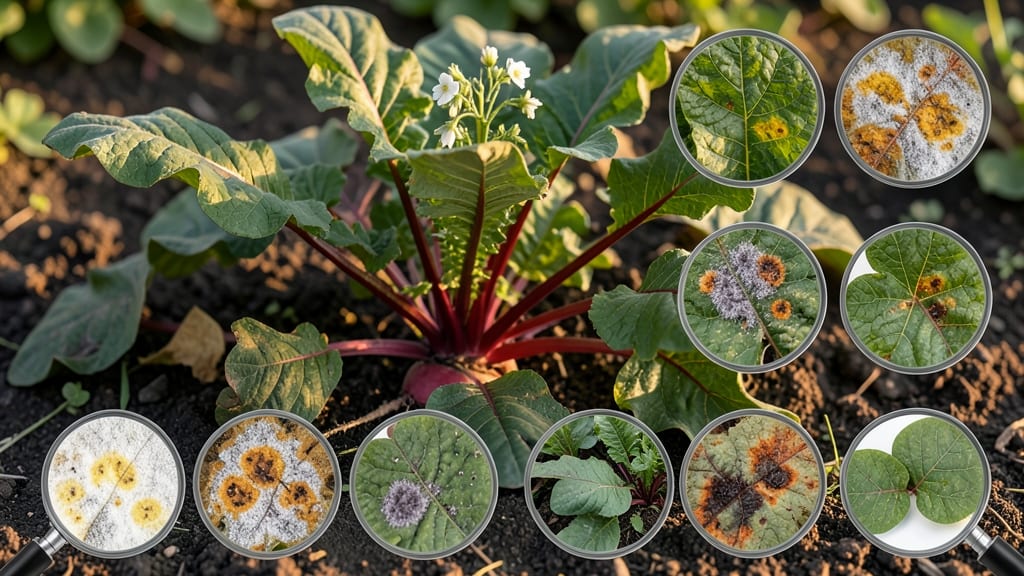
Your beets might be hiding a silent crisis before the leaves show signs of beet leaf diseases—yellowing or discoloration can be the first warning. 🌱 I’ve seen leaf spot and powdery mildew turn healthy greens into a mess—until I learned to spot the early signs.
The difference between saving your crop and losing it often comes down to acting fast, before those dark spots or white fuzz take over.
Most diseases start with poor airflow, wet leaves, or crowded plants. Leaf spot shows up as tiny brown dots that grow into larger lesions, while powdery mildew looks like dusty white patches. Downy mildew? That’s the sneaky one—yellow patches on top, fuzzy growth underneath.
The good news? All three respond to simple fixes like spacing plants wider, removing infected leaves, and using neem oil or copper spray before they spread.
With the right approach, you’ll stop diseases in their tracks. Prune for airflow, rotate crops next season, and sanitize tools between uses. Your beets will stay vibrant, your harvest will stay hearty, and you’ll avoid the heartbreak of watching a healthy crop turn to mush.
This isn’t just about fixing problems—it’s about keeping your garden thriving with confidence. Whether you’re dealing with a single leaf or a full bed, these steps work for any home grower. Let’s get your beets back to their best.
Root Causes Of Leaf Trouble
Beet leaf diseases don’t just appear out of thin air—they’re often the result of a perfect storm of environmental stress, microbial invaders, or poor growing conditions. Understanding the why behind these issues is the first step to stopping them in their tracks.
Below, we break down the most common culprits and the science behind their attacks.
Fungi are the sneaky villains of beet leaf diseases, thriving in damp, crowded conditions. Here’s how they strike:
- Excessive Moisture: Fungi like Botrytis cinerea (gray mold) and Alternaria love humidity—think of it as their spa day. Overhead watering, poor drainage, or late-season dew create the ideal breeding ground. Pro tip: 💡 Water at the base, not the leaves, and avoid evening watering to let foliage dry overnight.
- Poor Air Circulation: Dense plantings or thick canopies trap moisture, giving fungi a foothold. Example: Cercospora leaf spot thrives in these conditions, causing dark, concentric spots. Fix: Space plants 12–18 inches apart and prune for airflow.
- Wounded Leaves: Physical damage (e.g., hail, insects) creates entry points for fungal spores. Case in point: Powdery mildew (Erysiphe) spreads faster on stressed leaves.
🔍 Key Sign: Look for fuzzy growths, powdery coatings, or spots with halos—classic fungal red flags.
Unlike fungi, bacteria hitchhike on water, tools, or even your hands. They multiply rapidly in warm, wet weather, causing:
- Contaminated Water: Irrigation systems or standing water (e.g., in low-lying beds) can harbor Xanthomonas or Pseudomonas, which cause bacterial leaf spot. Action: 🌡️ Use chlorinated or filtered water and sterilize tools with 70% isopropyl alcohol.
- Insect Vectors: Aphids and flea beetles can transmit bacterial pathogens from plant to plant. Example: Angular leaf spot (Pseudomonas syringae) spreads via these pests.
- High Heat + Rain: Sudden temperature swings (e.g., 80°F days, 60°F nights) weaken leaves, making them vulnerable. Pro tip: 🌿 Use shade cloth in peak summer to reduce stress.
🔍 Key Sign: Greasy, water-soaked spots that ooze when pressed—classic bacterial giveaways.
When beet leaves are malnourished, they’re easier targets for diseases. Here’s how deficiencies play a role:
| Deficiency | Disease Risk | Fix It |
|---|---|---|
| Nitrogen (N) | Leaves turn yellow (chlorosis), weakening defenses against Alternaria. | Apply compost or a balanced fertilizer (e.g., 10-10-10). |
| Potassium (K) | Reduced disease resistance; spots spread faster. | Use wood ash or greensand for a potassium boost. |
| Magnesium (Mg) | Interveinal chlorosis makes leaves prone to fungal infections. | Add Epsom salt (1 tbsp/gallon of water) as a foliar spray. |
💡 Pro Tip: Test soil pH—most beet diseases thrive in acidic conditions (pH < 6.0). Aim for 6.0–7.0 by amending with lime.
Some pests don’t just damage leaves—they deliver diseases. For example:
- Aphids: These sap-suckers weaken plants and excrete honeydew, which fosters sooty mold (Capnodium). Solution: 🔥 Blast off aphids with a strong spray of water or introduce ladybugs.
- Flea Beetles: Their feeding scars create entry points for Pseudomonas. Prevent: 🌿 Use row covers early in the season.
- Slugs & Snails: They leave slime trails that spread fungal spores like Rhizoctonia. Trap: 🍺 Set out beer traps or use iron phosphate bait.
🔍 Key Sign: Look for chewed edges, sticky residue, or tiny black specks (frass) on leaves.
By addressing these root causes—whether it’s drainage, nutrition, or pest control—you’ll disrupt the conditions that let diseases take hold. Next up: how to spot these symptoms early before they spiral.
How to Treat Leaf Troubles
Beet leaf diseases can turn a thriving garden into a battleground, but with the right approach, you can save your crop and prevent future outbreaks. The key is acting fast—once symptoms appear, the damage is already done, but you can still stop the spread.
Below, we’ll match common causes to practical fixes, from quick remedies to long-term prevention strategies.
Fungal diseases like downy mildew, powdery mildew, and leaf spot thrive in damp, warm conditions. If you spot fuzzy growth, yellowing, or dark spots, act immediately.
🍳 Remove and Replace Infected Leaves
- Step 1: Snip off all diseased leaves (don’t compost them—toss in the trash).
- Step 2: Water the soil at the base, not the leaves, to keep foliage dry.
- Step 3: Space plants 3–4 inches apart for better airflow.
👨🍳 Apply Fungicidal Sprays (Organic or Chemical)
| Disease | Quick Fix | Prevention |
|---|---|---|
| Downy Mildew | Spray with baking soda mix (1 tbsp baking soda + 1 quart water + a drop of dish soap) | Rotate crops; avoid overhead watering |
| Powdery Mildew | Use neem oil or copper fungicide | Plant resistant varieties like ‘Detroit Dark Red’ |
| Leaf Spot | Drench soil with hydrogen peroxide (3%) | Remove debris; mulch to reduce splashing |
> 💡 Pro Tip: Early morning is the best time to spray—fungicides work best when humidity is high but leaves are dry.
Bacterial diseases (like angular leaf spot) create water-soaked, crinkled leaves. Unlike fungi, bacteria spread via water and tools, so sanitation is critical.
⏰ Isolate and Disinfect
- Step 1: Pull up severely infected plants and destroy them (burn or bag).
- Step 2: Disinfect tools with 70% rubbing alcohol or a 10% bleach solution between uses.
- Step 3: Avoid wetting leaves when watering—use drip irrigation instead.
🔪 Copper-Based Bactericides for Severe Cases
- Spray copper fungicide (like Bordeaux mixture) every 7–10 days until new growth appears.
- Prevent recurrence by crop rotation—don’t plant beets in the same spot for 3+ years.
> ✨ Prevention Hack: Interplant beets with garlic or onions—their scent repels bacterial pathogens!
Viruses (like beet curly top) are incurable, but you can minimize damage by breaking their life cycle.
🚫 Remove Infected Plants Immediately
- Step 1: Pull and destroy any plants showing yellowing, stunting, or curled leaves.
- Step 2: Control leafhoppers (their vectors) with neem oil or pyrethrin sprays.
- Step 3: Plant virus-resistant varieties (e.g., ‘Ruby Queen’ for curly top resistance).
🌱 Long-Term Virus Prevention
- Use row covers to block insects.
- Test soil for aphids/leafhoppers before planting.
- Rotate crops—don’t grow beets in infected soil for at least 2 years.
> 🎯 Golden Rule: One infected plant = total quarantine. Viruses spread faster than you think!
Even after treating diseases, proactive care stops future outbreaks:
- 💧 Water deeply but infrequently (early morning only).
- 🌿 Mulch with straw to reduce soil splashing.
- 🌱 Plant in full sun (6+ hours/day) to boost natural defenses.
- 🔄 Rotate crops—never plant beets, chard, or spinach in the same spot yearly.
Final Thought: Most beet leaf diseases are preventable with good hygiene and smart gardening. Act fast at the first sign of trouble, and your harvest will stay vibrant and disease-free! 🚀
Frequently asked questions
Can I still harvest beets if the leaves have diseases?
Yes, but focus on the roots, not the leaves. Beet leaf diseases rarely affect the edible root, so you can still harvest healthy beets. However, remove all diseased foliage first—it can harbor pathogens that might spread to other plants. Always wash roots thoroughly before eating.
How do I tell if my beets have powdery mildew vs. downy mildew?
Check the leaf surfaces for clues: powdery mildew looks like a white, dusty coating on both sides, while downy mildew shows yellow patches on top and purple-gray fuzz on the undersides. Downy mildew thrives in humid conditions, while powdery mildew appears in dry, warm weather.
Will copper spray kill my beets if I use it too often?
No, when used correctly, copper fungicides are safe for beets and won’t harm the plants. However, apply it every 7–10 days (not daily) and follow label instructions. Overuse can lead to soil buildup, but this is rare in home gardens. Always spray in the early morning for best results.
Can I save my beets if they have bacterial leaf spot?
You can try, but remove infected plants immediately to prevent spread. Bacterial diseases are incurable, but you can sterilize tools with rubbing alcohol and avoid wetting leaves when watering. For next season, practice crop rotation—don’t plant beets in the same spot for 3+ years.
What’s the fastest way to stop beet leaf diseases from spreading?
Start with pruning: remove all diseased leaves and space plants wider (12–18 inches apart) for airflow. Then, apply a baking soda spray (1 tbsp baking soda + 1 quart water) for fungal issues or neem oil for general prevention. Water at the base, never overhead.