
Leaf Blower
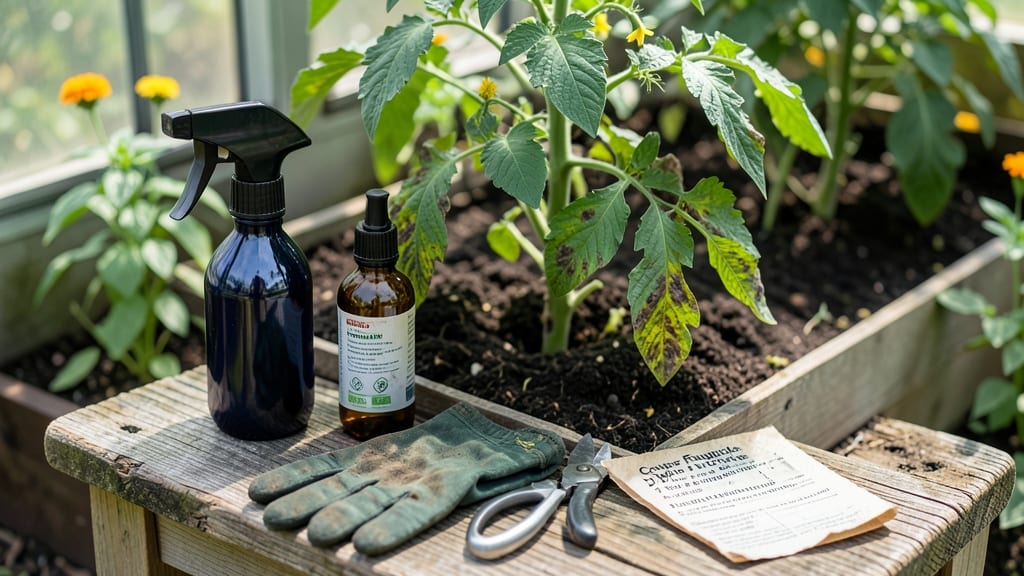
When those dark, greasy spots appear on leaves, copper spray is your fastest fungal cure. 🌱 I’ve seen Cercospora leaf spot wipe out entire tomato and bean plants in weeks—until I discovered how a simple copper treatment stops it in its tracks.
The key? Acting early with the right spray and proper garden hygiene. Most gardeners overlook sanitation, but removing infected leaves and rotating crops prevents reinfection. Copper works because it disrupts the fungus’s cell walls without harming your plants.
Just mix it right, spray thoroughly, and repeat every 7–10 days until new growth appears. By the end of two weeks, you’ll see fresh, healthy foliage pushing through. The plants won’t just survive—they’ll rebound stronger, with fewer spots and more vigorous growth.
It’s the difference between a struggling garden and one that thrives. Works for tomatoes, beans, turfgrass, and even ornamentals. Here’s the exact method that’s saved my harvests for years.
The Hidden Triggers Behind Leaf Spots
Cercospora leaf spot isn’t just a random plant problem—it’s a perfect storm of conditions that give this fungal foe the upper hand. Understanding the why behind its spread is your first line of defense. Let’s break down the key factors that turn your lush foliage into a fungal buffet.
Cercospora thrives in warm, humid environments, where spores germinate like clockwork. Here’s how it works:
- High humidity (80%+): Spores need moisture to swim to leaf surfaces. Think of it like a fungal raincoat—too much dampness keeps them active for days.
- Temperature range (75–90°F): The fungus loves this zone. Below 60°F, it slows down; above 95°F, it struggles. Pro tip: Early summer and late fall are peak risk periods.
- Leaf wetness for 6+ hours: Even morning dew can trigger infections if temperatures are ideal. Actionable fix: Water plants early in the day to let foliage dry before nighttime humidity spikes.
Healthy plants resist Cercospora, but stress signals like these roll out the welcome mat:
- Nutrient deficiencies: Low nitrogen or potassium weakens cell walls, making leaves easier targets. Test your soil!
- Physical damage: Pruning wounds, hail, or insect bites create entry points for spores. Always sterilize tools with 70% alcohol.
- Overcrowding: Poor airflow traps moisture and spores. Space plants 12–18 inches apart for better circulation.
- Water stress: Under- or overwatering stresses roots, reducing the plant’s ability to fight off pathogens.
Cercospora spores are tenacious. They hitch rides on:
- Gardening tools: Pruners, shears, and even gloves can transfer spores from plant to plant. Sanitize with a 10% bleach solution (1 part bleach to 9 parts water) between uses.
- Infected plant debris: Leaving old leaves or stems in the soil over winter gives spores a year-round shelter. Clean up thoroughly—remove and compost (not reuse!) infected material.
- Wind and water: Spores travel via splashing water or breezes. Avoid overhead watering and consider mulch to reduce soil-borne spore splash.
Here’s the kicker: Cercospora overwinters in plant debris, soil, or even on seeds. That means:
- Dormant spores can survive for years in the right conditions, waiting for the perfect moment to strike.
- New infections often come from old spores, not fresh ones. This is why preventative care (like copper sprays) is critical.
- Some plants are carriers: Even if they don’t show symptoms, they can host the fungus. Rotate crops every 2–3 years to break the cycle.
Bottom line: Cercospora leaf spot doesn’t just happen—it’s the result of perfect conditions you can disrupt. By controlling humidity, boosting plant health, and breaking the spore cycle, you’ll starve this fungus out before it starts.
Stop Fungal Spread Now
Fungal infections like cercospora leaf spot don’t wait—neither should you. The good news? With the right approach, you can reverse damage, protect healthy plants, and prevent future outbreaks.
Below, we break down targeted solutions based on the root causes (poor airflow, excess moisture, weak plants, or contaminated tools) and pair them with preventive habits to keep your garden thriving.
Cercospora thrives in soggy conditions—drainage is your first line of defense.
- 🌧️ Adjust Your Watering Schedule Water early in the morning (before 10 AM) to allow foliage to dry quickly. Avoid overhead sprinklers—use drip irrigation or soaker hoses to keep leaves dry. Pro tip: 💡 Test soil moisture with your finger; water only when the top 1–2 inches are dry.
- 🏗️ Improve Soil & Drainage Amend heavy clay soil with compost or perlite to boost aeration. For container plants, ensure pots have drainage holes and use a well-draining potting mix (like a 60/40 blend of peat moss and perlite).
- ⏰ Prune for Airflow Thin out dense foliage to reduce humidity around plants. Remove lower leaves that touch wet soil, as they’re prime spots for spores.
Copper-based sprays are organic, effective, and a go-to for cercospora—but timing and technique matter.
- 🔪 Apply at the Right Time Spray copper fungicide (like Bordeaux mixture, copper sulfate, or liquid copper) at the first sign of spots (tiny brown/yellow dots) or preventively every 7–14 days during humid seasons. Best time: Early morning or late afternoon to avoid burning leaves in direct sun.
- 👨🍳 Follow Label Instructions Precisely Mix 1–2 tbsp of copper fungicide per gallon of water (check product ratios). Use a sprayer with a fine mist to coat both sides of leaves thoroughly. Reapply after rain to maintain protection.
- ⚠️ Safety First Wear gloves and a mask when handling copper sprays—it can irritate skin and lungs. Avoid spraying edible plants within 24 hours of harvest.
Healthy plants fight infections better. Strengthen them with these low-effort, high-impact tricks.
- 💪 Feed with Balanced Fertilizer Over-fertilizing with high nitrogen weakens plants. Use a balanced 10-10-10 or organic fertilizer (like fish emulsion) to encourage strong stems and leaves. Avoid fresh manure—it can introduce pathogens.
- 🍃 Use Beneficial Microbes Add mycorrhizal fungi or compost tea to soil to enhance root health. These microbes outcompete harmful fungi for nutrients.
- 🌿 Rotate Crops & Sanitize Tools Never plant the same family (e.g., tomatoes, peppers, beans) in the same spot two years in a row. Disinfect pruners, shovels, and pots with 1 part bleach to 9 parts water or 70% rubbing alcohol between uses.
If your plant is already covered in spots, act fast to save what’s left.
- 🚑 Isolate the Plant Move it away from healthy plants to prevent spore spread. Place it in a shady, breezy spot to speed drying.
- 🔪 Prune Aggressively Cut off all infected leaves (including stems with spots) with sterilized shears. Don’t compost them—bag and discard them in the trash.
- 🛡️ Apply a Baking Soda Spray (Mild Cases) Mix 1 tsp baking soda + 1 tbsp horticultural oil + 1 tsp soap per gallon of water. Spray every 5–7 days to raise leaf pH and inhibit fungal growth.
Stop cercospora before it starts with these habits that work.
| Task | How to Do It | Frequency |
|---|---|---|
| Clean up debris | Remove fallen leaves, mulch, and plant waste | After harvest/season |
| Space plants properly | Follow plant spacing guidelines (e.g., tomatoes: 18–24" apart) | At planting |
| Monitor humidity | Use a hygrometer—keep below 70% | Daily in summer |
| Test soil pH | Aim for 6.0–7.0 (cercospora loves acidic soil) | Spring/fall |
| Store tools properly | Clean and dry tools after use; store in a ventilated shed | Always |
Final Tip: 🌟 Cercospora is manageable—but consistency is key. Combine copper sprays, airflow fixes, and plant care for a fungus-free garden in no time. Start today, and your plants will thank you!
Frequently asked questions
Can I use copper spray on edible plants right before harvest?
No, wait 24–48 hours after applying copper fungicide before harvesting edible plants. Copper residue can leave a metallic taste on fruits and vegetables. Always check the product label for specific waiting periods—some organic sprays require longer intervals.
Will baking soda really help with cercospora leaf spot?
Yes, but it’s best for early-stage infections or as a preventive measure. Mix 1 tsp baking soda + 1 tbsp horticultural oil + 1 tsp soap per gallon of water and spray every 5–7 days. It works by raising leaf pH, which inhibits fungal growth. For severe cases, combine it with copper sprays for better results.
How do I know if my plant has cercospora or just regular leaf spots?
Cercospora spots are dark brown to black with yellow halos, often appearing on lower leaves first. They’re usually greasy-looking and spread rapidly in warm, humid weather. Regular leaf spots from other causes (like pests or nutrient issues) often have dry edges and don’t spread as quickly.
Can I reuse last year’s mulch if my plants had cercospora?
No, discard infected mulch and plant debris—do not compost it. Cercospora spores can survive in organic matter for years. Replace mulch with fresh, disease-free material and consider using straw or pine needles, which dry out faster and reduce humidity around plants.
Why does my plant keep getting cercospora even after treatment?
This usually means spores are still present in your garden. Check for: overwintering spores in soil/debris, poor airflow (overcrowded plants), or reinfected tools. Rotate crops, improve spacing, and apply copper sprays preventively every 7–10 days during humid seasons to break the cycle.