
Pests and Diseases
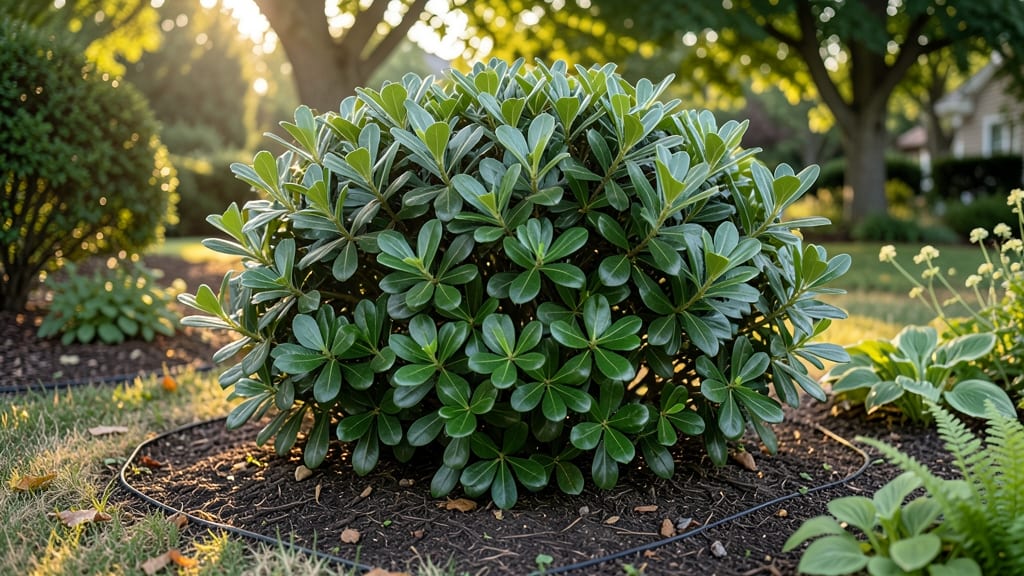
My big leaf boxwoods stay lush year-round because I treat them like the living sculptures they are—pruning at the right time and keeping pests at bay before they start. 🌿 These evergreens thrive with just a few key habits, and once you master them, your boxwoods will look better than any neighbor's hedge.
The secret starts with well-draining soil and morning sun, but the real magic happens in late winter when you prune for shape. I use sharp shears and cut just above a leaf bud, never into bare wood—this keeps them dense and healthy.
Most people over-prune, which leads to leggy growth, so I aim for just 10-15% of the foliage each year. By summer, you'll see thick, glossy leaves that resist pests like boxwood leafminers and spider mites.
A quick spray of neem oil in early spring keeps them at bay, and mulching around the base locks in moisture. The result? A hedge that stays vibrant even in winter's chill. Works for formal hedges, topiary shapes, or as accent plants in landscape designs. Let's get those shears ready!
📚 In This Guide
- What you need
- Instructions
- Tips and common mistakes
- Wrapping up and next steps
What you need
- ● Hand pruners – Sharp, bypass pruners (for clean cuts on small branches). Quantity: 1 pair.
- ● Hedge shears – Heavy-duty, ergonomic shears (for shaping larger shrubs). Quantity: 1 pair.
- ● Gloves – Garden gloves (nitrile-coated for grip and protection). Quantity: 1 pair.
- ● Disposable pruning bags – For collecting clippings (10–20 gallon capacity). Quantity: 1–2 bags.
- ○ Hose with nozzle – For rinsing tools and cleaning foliage. Optional: Add a pressure sprayer for stubborn pests.
- ● Insecticidal soap – Organic option for soft-bodied pests (e.g., aphids, mites). Quantity: 16 oz spray bottle.
- ● Neem oil – Natural fungicide/insecticide (1% concentration). Quantity: 16 oz bottle.
- ○ Systemic insecticide – Optional: For severe infestations (e.g., boxwood leafminer). Brand: Follow label instructions.
- ● Soft brush – For gently dislodging pests (e.g., scale insects). Quantity: 1.
- ● Weather check – Prune on a dry, overcast day (avoid midday sun).
- ○ Safety gear – Optional: Safety glasses (if using power tools) and long sleeves.
- ● Clean workspace – Lay down tarps or cardboard to collect debris easily.
Step-by-Step guide to pruning and protecting big leaf boxwoods
Here’s my foolproof method for keeping these evergreens lush, shaped, and pest-free all year.
✂️ Step 1: Prune for Shape and Health in Late Winter
Wait until just after the coldest stretch—typically late February to early March—when new growth is about to begin. This timing gives you clean cuts without sacrificing winter protection. I use sharp, bypass pruners to make clean cuts at a 45-degree angle, just above a leaf bud or branch collar. Avoid cutting into old wood, or you’ll leave unsightly stubs.
Start by removing any dead, diseased, or crossing branches first. Then, shape the plant by trimming back overgrown stems to maintain its natural form. For boxwoods, I never cut back more than ⅓ of the plant’s height in one season—this keeps them vigorous. You’ll notice fresh, green growth emerging within 2-3 weeks, signaling the plant is recovering well.
💧 Step 2: Water Deeply After Pruning and During Dry Spells
Water your boxwoods deeply within 24 hours of pruning to help them recover. Aim for 1-1.5 inches of water per week, either from rainfall or irrigation. I like to use a soaker hose or drip system to deliver moisture slowly at the base, avoiding wet foliage that can invite fungal diseases. Check soil moisture by sticking your finger 2 inches deep—if it feels dry, it’s time to water again.
Big leaf boxwoods are drought-tolerant once established, but they’ll reward you with glossier leaves if you keep them consistently moist during the first 2-3 years after planting. Mulch around the base with 2-3 inches of organic mulch to retain moisture and protect roots from temperature swings.
☀️ Step 3: Monitor for Pests and Treat Early
Inspect your boxwoods weekly during growing season for signs of boxwood leafminers, spider mites, or boxwood blight. Look for tiny white trails on leaves (leafminers), fine webbing (mites), or dark, sunken spots (blight). I treat leafminers with a neem oil spray applied in the evening to avoid harming bees, and mites respond well to a horticultural oil spray every 7-10 days until they’re gone.
For blight, remove and destroy infected leaves immediately, then apply a copper fungicide as a preventive measure. Prune out any severely affected branches to improve airflow. The key is acting fast—once blight spreads, it’s harder to control. Healthy boxwoods with good airflow rarely suffer from these issues, so proper spacing and pruning go a long way.
⏰ Step 4: Fertilize Lightly in Early Spring and Fall
Feed your boxwoods with a balanced, slow-release fertilizer (10-10-10 or similar) in early spring as new growth begins. Apply ½ pound of fertilizer per 100 square feet of bed area, working it lightly into the top 2 inches of soil. Avoid high-nitrogen fertilizers, which can make leaves soft and prone to pests. Water thoroughly after applying to help distribute nutrients.
Give them a second, lighter feeding in early fall to encourage root growth before winter. I skip fertilizing in summer because it promotes tender new growth that’s vulnerable to frost. You’ll see stronger stems and richer green foliage within 4-6 weeks of spring feeding, and the plant will handle winter stress much better.
Tips & tricks for perfect big leaf boxwood maintenance
These simple yet game-changing strategies will help you keep your boxwoods thriving year after year.
Pruning Precision: When shaping your boxwoods in Step 1, focus on creating a natural, open center. This improves airflow and reduces disease risk. I like to step back every few cuts to check the overall shape—it's easy to over-prune when you're close up. Remember, those 2-3 weeks of fresh growth are your reward for patience! The ⅓ height rule is non-negotiable—cutting more risks stressing the plant.
Watering Wisdom: The 24-hour rule after pruning is crucial because it gives the plant time to recover before stressing it again. For the 1-1.5 inches weekly target, I use a rain gauge to measure—it's surprising how little rain actually counts! During dry spells, water in the early morning to prevent evaporation. That 2-inch soil check is your best friend—if it's dry at that depth, your boxwood needs water.
Pest Prevention: In Step 3, the weekly inspections are worth every minute. I've caught leafminers early by looking under leaves for those telltale white trails. For neem oil, I mix it with water in a spray bottle and apply it in the evening when bees are less active. The 7-10 day schedule for mites is important—consistency is key with these treatments. And when you see blight, act immediately—those infected leaves need to go in the trash, not the compost.
Fertilizing Finesse: That ½ pound per 100 square feet is a perfect amount—too much can burn roots. I always water thoroughly after applying fertilizer to help distribute nutrients. The early spring timing is critical because it gives the plant energy for new growth. For the fall feeding, I use about half the spring amount—just enough to strengthen roots without encouraging tender new growth before winter.
Pro Tips for Big Leaf Boxwood
- These simple yet game-changing strategies will help you keep your boxwoods thriving year after year.
- Pruning Precision: When shaping your boxwoods in Step 1, focus on creating a natural, open center.
- Watering Wisdom: The 24-hour rule after pruning is crucial because it gives the plant time to recover before stressing it again.
Frequently asked questions
How often should I prune big leaf boxwoods?
Prune your big leaf boxwoods once or twice a year—lightly in late spring (after new growth appears) and more heavily in early fall (before winter dormancy). Avoid pruning in extreme heat or cold. Focus on shaping, removing dead branches, and thinning out crowded areas to encourage airflow and reduce disease risk.
What are the most common pests for big leaf boxwoods?
The top pests to watch for include boxwood leafminers (tiny white larvae inside leaves), boxwood mites (causing yellowing/bronzing), and boxwood psyllids (causing curled, sticky leaves). Treat leafminers with neem oil or insecticidal soap; mites respond well to horticultural oil sprays. For severe infestations, consult a local arborist.
Can big leaf boxwoods survive winter damage?
Big leaf boxwoods are hardy to USDA zones 5-8, but young plants or harsh winters may cause browning. Protect them with a thick layer of mulch (3-4 inches) and burlap wraps if temps drop below 10°F. Avoid pruning in late fall—wait until spring to trim any winter-damaged branches. Most recover with proper care!
Are there alternatives to big leaf boxwoods for hedges?
Yes! If you’re looking for evergreen hedge alternatives, consider:
- Holly (Ilex spp.) – Disease-resistant but prone to berry drop.
- Juniper (Juniperus spp.) – Drought-tolerant but slower-growing.
- Abelia (Abelia x grandiflora) – Fast-growing with fragrant flowers.
- Dwarf Gardenia (Gardenia jasminoides) – Floral appeal but needs acidic soil.
How do I prevent boxwood blight?
Boxwood blight (Cylindrocladium buxicola) is a fungal disease causing dark spots and wilting. Prevent it with these tips:
- Avoid overhead watering—use drip irrigation or soaker hoses.
- Space plants 3-4 feet apart for airflow.
- Clean pruners with 70% isopropyl alcohol between cuts.
- Remove infected leaves immediately and dispose of them in the trash (not compost).
Wrapping up and next steps
Big leaf boxwoods are a gardener’s dream—offering year-round greenery with minimal fuss! With the right pruning techniques and pest control strategies, you can keep these shrubs thriving for decades. Remember, consistency is key: trim in late winter or early spring, and stay vigilant against boxwood mites and caterpillars.
Ready to elevate your landscape? Start by reviewing your tools and scheduling a quick inspection of your boxwoods this weekend. A little effort now means lush, pest-free foliage all year—you’ve got this! 🌿✨