
Flowers
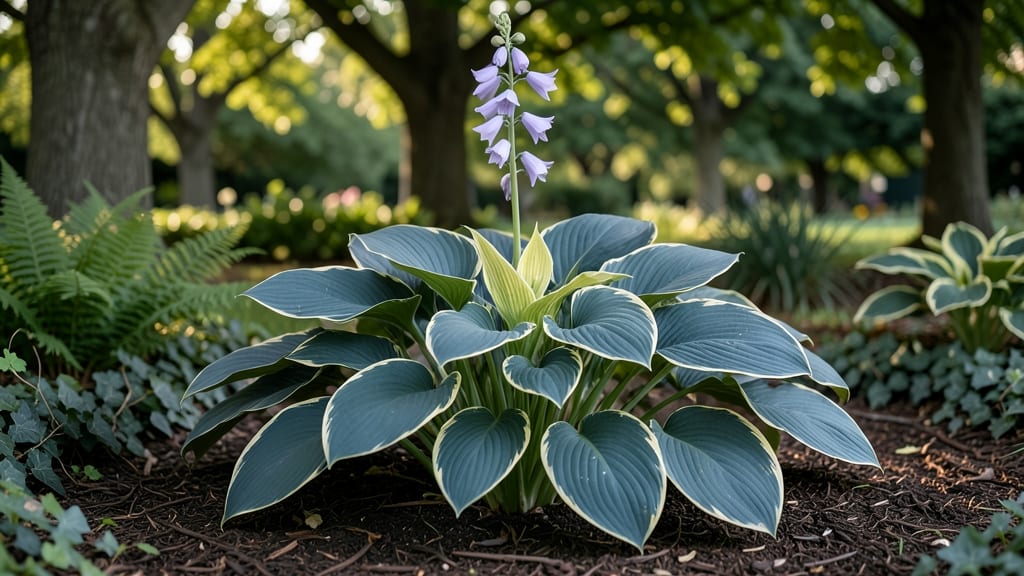
Transform dull garden spaces into a lush green carpet with big-leaf ground covers—my go-to for shade-loving areas where grass won’t grow. 🌿 These plants spread effortlessly under trees, along slopes, or as borders, turning bare soil into a vibrant, low-maintenance landscape.
Hostas, heucheras, and tiarella top my list for their bold foliage and ability to thrive where sunlight is scarce.
The beauty of big-leaf ground covers is their versatility. They suppress weeds naturally, prevent erosion, and pair perfectly with ferns, astilbes, or shade-loving perennials. My favorite combo? Heuchera’s velvety leaves under a Japanese maple, creating a layered, textured effect that feels like a living tapestry.
Even in heavy shade, these plants deliver year-round interest with minimal care.
You’ll love how quickly they fill gaps—some spread aggressively, while others stay contained. A little pruning in early spring keeps them tidy, and their deep roots mean fewer watering chores.
The payoff? A garden that looks polished without the upkeep of traditional lawns. Perfect for understory plantings, slopes, or even as a living mulch around shrubs.
Works in zones 3–9, so whether you’re in a cool mountain climate or a humid Southeast, there’s a big-leaf ground cover that fits. Start small with a few plants, then let them do the work—your garden will thank you for the effortless elegance.
Ready to see how they can transform your space?
📚 In This Guide
- What you need
- Instructions
- Tips and common mistakes
- Wrapping up and next steps
What you need
- ● Big leaf ground cover plants: 10–20 plants per 10 sq. ft. (adjust based on coverage goals). Popular options: Hellebore (Helleborus) – 12"–18" spacing
- ● Lungwort (Pulmonaria) – 10"–12" spacing
- ● Sweet Woodruff (Galium odoratum) – 12"–18" spacing
- ● Organic mulch: 2–3 inches of shredded bark or compost (helps retain moisture).
- ○ Slow-release fertilizer (optional): 10-10-10 or compost-based blend (follow package rates).
- ● Garden trowel or spade – For digging small holes.
- ● Pruners or shears – To trim plants or mulch.
- ● Garden hose or watering can – With a gentle spray nozzle.
- ● Gloves – To protect your hands from soil and thorns (if using Hellebore).
- ● Measuring tape or grid – For spacing plants evenly.
- ○ Wheelbarrow (optional) – For hauling mulch or soil amendments.
- ● Shady location: Partial to full shade (dappled sunlight to no direct sun).
- ● Well-draining soil: Amend clay or sandy soil with compost if needed.
- ● Moisture-retentive area: Big leaf ground covers thrive in consistently damp (but not soggy) conditions.
- ○ Weed barrier fabric (optional): Lay down landscape fabric if weeds are a persistent issue.
Step-by-step guide for planting big leaf ground cover
Transform shady spots into vibrant green carpets with this foolproof method for establishing dense, lush coverage.
🌱 Step 1: Prepare the Soil and Site
Choose a location with partial to full shade (dappled sunlight to deep shade) where big leaf ground cover thrives. Clear away weeds and debris, then loosen the top 6-8 inches of soil with a garden fork or tiller. This helps roots establish more easily in compacted areas.
Amend the soil with 2-3 inches of compost mixed into the top layer. Big leaf ground cover prefers well-draining, fertile soil with a slightly acidic to neutral pH. Test the soil moisture—it should feel like a wrung-out sponge, not soggy. If your soil drains poorly, add a layer of coarse sand or perlite to improve aeration.
🪴 Step 2: Plant with Proper Spacing and Technique
Plant your ground cover in early spring or fall when temperatures are mild. Space plants 12-18 inches apart in rows 12 inches apart to allow room for spreading. Dig holes just slightly deeper than the root ball to encourage downward growth.
Gently remove the plant from its container and loosen any circling roots. Place it in the hole so the top of the root ball sits ½ inch below soil level. This prevents crown rot while encouraging root expansion. Backfill with soil and press lightly to eliminate air pockets. Water deeply to settle the soil around the roots.
☀️ Step 3: Establish with Consistent Watering
Keep the soil consistently moist for the first 4-6 weeks to encourage root establishment. Water deeply 1-2 times per week, depending on rainfall, until you see new growth. Avoid overhead watering, which can spread disease. Instead, water at the base of the plants.
Watch for signs of stress: wilting leaves indicate underwatering, while yellowing leaves suggest overwatering. Once established, big leaf ground cover becomes drought-tolerant, but consistent moisture during the first season is critical for dense coverage. Mulch with 2-3 inches of shredded bark or leaves to retain moisture and suppress weeds.
✂️ Step 4: Maintain and Encourage Spread
After the first growing season, your ground cover should begin spreading naturally. To accelerate coverage, trim back any leggy growth in early spring. Use sharp shears to cut stems back to 2-3 inches above the soil, which encourages bushier, denser growth.
Fertilize lightly in early spring with a balanced, slow-release fertilizer (10-10-10 or similar). Avoid heavy feeding, which can lead to excessive leaf growth at the expense of root development. Monitor for weeds—hand-pull or smother them with mulch before they compete with your ground cover for nutrients.
Tips & tricks for planting big leaf ground cover
Took me a while to figure these out, so here goes—these tricks will help you avoid the common pitfalls and create that perfect lush carpet.
Soil Preparation is Everything: Before planting, test your soil's drainage by digging a small hole and filling it with water. If it drains within an hour, your soil is ready. If not, mix in 2-3 inches of coarse sand or perlite to improve aeration. I learned this the hard way after watching my first planting struggle with soggy roots—don't skip this step!
Planting Depth Matters: When placing your ground cover, ensure the top of the root ball sits ½ inch below soil level. This subtle adjustment prevents crown rot while encouraging roots to expand downward. I've seen many gardeners overlook this detail, leading to weak establishment and poor spread.
Watering Wisdom: During the critical 4-6 week establishment period, water deeply 1-2 times per week at the base of plants. Use a rain gauge or tuna can to measure—about 1 inch of water per week is ideal. Overhead watering spreads disease, so focus on the roots where it counts.
Mulching Magic: Apply 2-3 inches of shredded bark or leaves after planting to retain moisture and suppress weeds. This layer also protects young roots from temperature fluctuations. I've found that mulching right after planting makes all the difference in the first growing season.
Pro Tips for Big Leaf Ground Cover
- Took me a while to figure these out, so here goes—these tricks will help you avoid the common pitfalls and create that perfect lush carpet.
- Soil Preparation is Everything: Before planting, test your soil's drainage by digging a small hole and filling it with water.
- Planting Depth Matters: When placing your ground cover, ensure the top of the root ball sits ½ inch below soil level.
Frequently asked questions
Got questions about big leaf ground cover?
You’re not alone! Here are some of the most common queries—and their answers—to help you get started with confidence.
What’s the best time of year to plant big leaf ground cover?
Plant in early spring or fall when soil is cool and moist but not frozen. This gives roots time to establish before summer heat or winter cold. Avoid planting in peak summer—drought stress can stunt growth.
How much water does big leaf ground cover need?
Keep soil consistently moist (but not soggy) for the first 2–3 weeks after planting. Once established, it’s drought-tolerant but thrives with 1–2 inches of water weekly during dry spells. Mulch helps retain moisture!
How do I control its spread if it gets too aggressive?
Big leaf ground cover spreads via rhizomes, so trim excess growth with shears or a string trimmer in early spring. For stricter control, edge with a spade or use a barrier root (like landscape fabric) if needed. Regular pruning keeps it tidy!
Are there pests or diseases I should watch for?
Common issues include slugs, snails, or fungal leaf spot in humid climates. Use organic slug bait or diatomaceous earth for pests. Improve airflow and avoid overhead watering to prevent fungal diseases.
What are some low-maintenance alternatives to big leaf ground cover?
If big leaf isn’t your style, try creeping phlox, ajuga, or Mondo grass for shade. These also spread well but with less aggressive growth and varied textures. Test soil conditions first—some prefer drier or wetter spots!
Wrapping up and next steps
Transforming your shady spots into a vibrant, low-maintenance oasis is easier than you think! Big leaf ground cover plants like Helleborus or Lamium offer lush, shade-loving greenery that spreads effortlessly while suppressing weeds.
Whether you’re a seasoned gardener or just starting out, these hardy plants bring beauty and functionality to your outdoor space.
Ready to dive in? Start small—pick one variety, prep your soil, and plant with confidence! Your future green carpet awaits—happy gardening! 🌿✨