
Leaf Blower
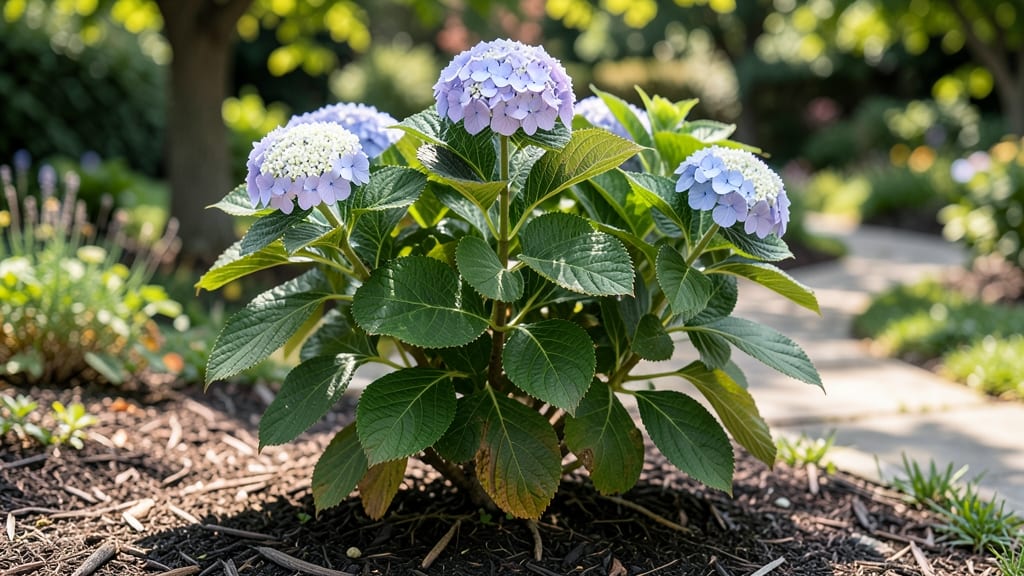
Big leaf hydrangea leaves aren’t just pretty—they’re the plant’s secret weapon for season-long blooms. 🌿 Those massive, vibrant leaves aren’t just showy; they’re what keep your hydrangeas thriving, feeding the plant energy to produce those iconic flower clusters all summer.
But here’s the catch: their size, color, and health are direct messages from your plant about what’s working (or not) in your care routine.
Think of those leaves like a mood ring for your hydrangea—deep greens mean happy, thriving growth, while yellowing or curling? That’s your plant waving a red flag about soil pH, water stress, or even last winter’s pruning mistakes.
The good news? Fixing it is simpler than you’d think, and once you crack the code, your hydrangeas will reward you with blooms that last from early summer straight through fall.
📚 In This Guide
- What you need
- Instructions
- Tips and common mistakes
- Wrapping up and next steps
What you need
- ● Pruning shears: Sharp, clean bypass pruners (for small stems, 4–6 inches long). Pro tip: Disinfect blades with rubbing alcohol between cuts to prevent disease! 💡
- ● Loppers: For thicker stems (6–10 inches), with a long handle for leverage.
- ● Hand pruners: Small, ergonomic shears (for precision work on tiny branches).
- ● Gloves: Heavy-duty gardening gloves (to protect from thorns and sap).
- ● Disinfectant: 1 part bleach to 9 parts water (for sterilizing tools).
- ● Rake or broom: To clear fallen leaves/debris after pruning.
- ● Pruning saw: For stubborn, thick branches (if your hydrangea is mature).
- ● Plant food: Balanced fertilizer (10-10-10) or hydrangea-specific feed to revive the plant post-prune.
- ● Mulch: Organic mulch (like shredded bark) to retain moisture and protect roots.
- ● Notebook & pen: To jot down pruning notes or track bloom cycles!
- ● Know your hydrangea’s type: Big leaf hydrangeas (Hydrangea macrophylla) bloom on old wood, so timing is key!
- ● Check the weather forecast: Prune on a dry, cool day to avoid stressing the plant. ⏳
- ● Gather safety gear: Sunglasses and sunscreen if working in full sun!
Instructions for pruning bigleaf hydrangeas for maximum blooms
Here's the simple, seasonal approach I've used to keep my bigleaf hydrangeas flowering nonstop—no guesswork, just results.
✂️ Step 1: Prune After Flowering in Late Summer
Wait until after the blooms fade in late August or September before touching your hydrangeas. This is when you remove last year's spent blooms and any dead or crossing branches. I grab my sharp pruners and cut just above the first set of healthy leaves on each stem—this ensures new growth will emerge from a strong point next season.
Look for branches that rub against each other or grow inward. These compete for energy and weaken the plant. Remove them completely at the base. You'll see the plant's natural shape more clearly once the old blooms are gone—this is your guide for what to keep. Never cut more than one-third of the plant in a single season, or you'll stress it.
✂️ Step 2: Shape in Early Spring Before New Growth
In early March, just as buds begin to swell but before leaves emerge, I do a light shaping prune. This is about removing any weak, thin, or damaged stems at the base. I also thin out crowded branches to improve air circulation—this prevents fungal diseases like powdery mildew, which can ruin blooms.
Use your pruners to make clean cuts at a 45-degree angle about ¼ inch above a leaf node or bud. Avoid cutting into old wood if you can help it; bigleaf hydrangeas bloom on current season's growth, so pruning too aggressively now means fewer flowers later. Step back often to check your work—you want an open, vase-like shape that lets sunlight reach the center.
☀️ Step 3: Monitor and Adjust Throughout the Growing Season
During spring and summer, keep an eye out for suckers—those vigorous shoots that pop up at the base of the plant. These steal energy from your blooms, so snip them off at the ground as soon as you see them. I also remove any shriveled or yellowing leaves to encourage new, healthy growth.
If your hydrangea looks leggy or blooms are sparse, it might need more sunlight. Bigleaf hydrangeas thrive in morning sun with afternoon shade, but if yours is in deep shade, it won't flower well. You'll notice fewer blooms and weaker stems—this is your cue to consider moving it or adding a reflective surface nearby to bounce more light onto the plant.
⏰ Step 4: Final Light Prune in Fall Before Dormancy
In October or November, after the first hard frost blackens the leaves, do a final light prune. Remove any dead, diseased, or weak stems at the base. This keeps the plant tidy and reduces overwintering pests. I also trim back any overly long stems that might break under snow or ice.
Leave the rest alone—bigleaf hydrangeas need their dormant period to set next year's flower buds. Avoid heavy pruning now, or you'll sacrifice next season's blooms. Once done, give the base a 2-3 inch layer of mulch to protect roots from freezing temperatures. You'll see fresh, vibrant growth in spring if you've timed this right.
🌿 Step 5: Feed and Water for Continuous Blooms
After pruning in spring, feed your hydrangea with a balanced, slow-release fertilizer (like 10-10-10) in early April. Bigleaf hydrangeas are heavy feeders, and this gives them the nutrients they need for lush foliage and abundant blooms. Water deeply once a week during dry spells, keeping the soil evenly moist but not soggy. You'll know it's right when the top 2 inches of soil feel damp but not wet.
For blue blooms, add aluminum sulfate to the soil in spring (follow package instructions). For pink blooms, avoid it. The color change happens gradually, so don't expect instant results—patience pays off. If your hydrangea's leaves start curling or turning brown, it might be thirsty or overwatered. Adjust your watering based on what you see: wilted leaves = water, yellowing leaves = less water.
Tips & tricks for pruning bigleaf hydrangeas
Here's what nobody tells you about keeping your hydrangeas blooming all season—these are the tricks that'll save you from common pruning mistakes.
Timing is Everything: The late August-September window for Step 1 is crucial because it lets the plant recover before winter. If you prune too early, you risk cutting off next year's flower buds that are already forming. I always wait until the blooms are completely brown and crispy before touching them—this is your clear signal it's time.
The One-Third Rule: Never remove more than one-third of the plant in a single season, especially during the spring shaping in Step 2. This rule prevents shock and ensures your hydrangea has enough foliage to photosynthesize and support blooms. If you're unsure, step back and visualize the plant's shape—you want to maintain that open vase form.
Tool Matters: Sharp pruners are non-negotiable for clean cuts that heal properly. Dull blades crush stems and create jagged edges that invite disease. I keep a pair specifically for hydrangeas and clean them with rubbing alcohol between uses. For thicker stems, I use loppers with a bypass blade—they make cleaner cuts than anvil pruners.
Sunlight Strategy: When monitoring in Step 3, pay attention to where your hydrangea gets light. If it's in deep shade, consider moving it to a spot with morning sun and afternoon shade. You can also use reflective surfaces like white garden flags or even a white plastic sheet behind the plant to bounce more light onto the leaves. This extra light makes a surprising difference in bloom quantity.
Pro Tips for Big Leaf Hydrangea Leaves
- Here's what nobody tells you about keeping your hydrangeas blooming all season—these are the tricks that'll save you from common pruning mistakes.
- Timing is Everything: The late August-September window for Step 1 is crucial because it lets the plant recover before winter.
- The One-Third Rule: Never remove more than one-third of the plant in a single season, especially during the spring shaping in Step 2.
Frequently asked questions
Got questions about your big leaf hydrangea leaves? You’re not alone! Here are some of the most common concerns—and straightforward answers—to help you keep those lush blooms thriving all season.
When is the best time to prune big leaf hydrangea leaves for blooms?
The ideal time to prune is late winter or early spring (before new growth starts). This ensures you don’t accidentally cut off next year’s flower buds, which form on old wood. Avoid pruning in fall or summer, as this can reduce blooms for the following season.
Can I prune big leaf hydrangea leaves in summer?
Pruning in summer is possible, but it’s best to deadhead spent blooms (cut just above the first set of leaves below the flower) rather than heavy pruning. Summer cuts can stimulate new growth, but it may not have time to harden off before winter, risking damage.
What should I do if my big leaf hydrangea leaves turn brown or yellow?
Brown or yellow leaves often signal overwatering, underwatering, or nutrient deficiencies. Check soil moisture (it should be evenly damp, not soggy) and adjust watering. Yellowing can also mean iron deficiency—try a chelated iron supplement or adjust soil pH (big leaf hydrangeas prefer acidic soil, pH 5.0–6.0).
Are there alternatives to pruning for managing big leaf hydrangea size?
Yes! If pruning feels overwhelming, try thinning out older stems (remove 1–3 of the oldest stems at the base each year) to encourage new growth. You can also use a growth regulator (like paclobutrazol) to slow sprawl, though pruning remains the most effective long-term solution.
Why do my big leaf hydrangea leaves have holes or chew marks?
Holes or chew marks are usually caused by insects like slugs, snails, or Japanese beetles. Handpick pests in the evening or use organic sprays (neem oil or insecticidal soap). For severe infestations, introduce beneficial nematodes or row covers to protect leaves.
Wrapping up and next steps
Caring for your big leaf hydrangea leaves doesn’t have to be overwhelming—just follow a simple pruning timeline to keep those stunning blooms coming all season! 🌿 With the right tools, timing, and techniques, you’ll enjoy lush foliage and vibrant flowers year after year.
Now that you’re armed with the know-how, it’s time to grab those pruners and get to work!
Ready to take your hydrangea game to the next level? Start by marking your calendar for next year’s pruning sessions and keep an eye on your plant’s growth throughout the seasons. Happy gardening! 🌸