
Flowers
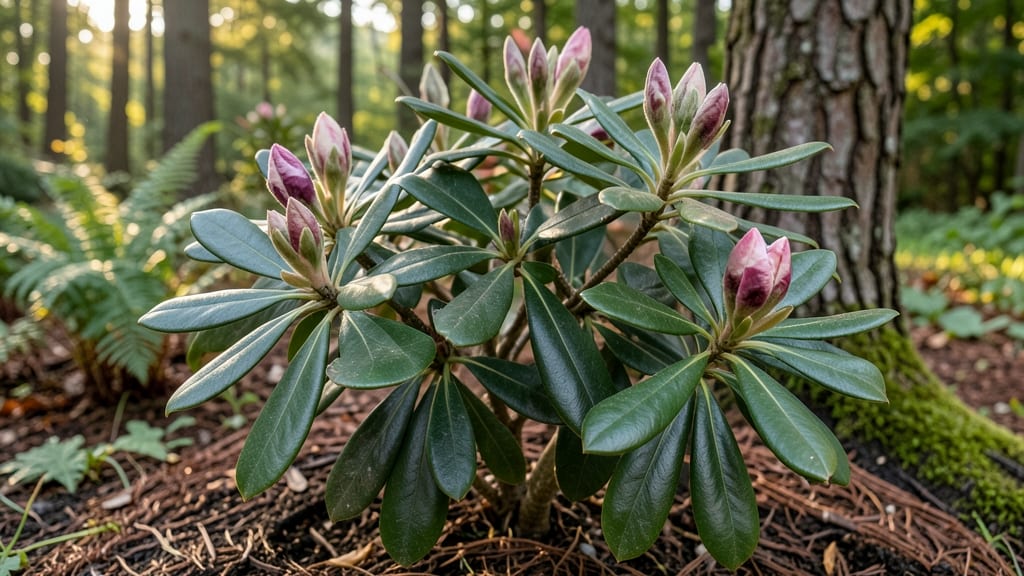
Telling rhododendron flower buds from leaf buds saves you from pruning off next year’s blooms. 🌸 The difference is in the details: flower buds form in late summer, swell by winter, and sit at the tips of branches, while leaf buds stay small, fuzzy, and tucked along stems.
Flower buds are plump, rounded, and often reddish or greenish, sometimes with a woolly tip. Leaf buds are pointy, scaly, and clustered near branch joints. If you prune a swollen bud in winter, you’re cutting off potential spring flowers—so wait until after blooming to shape the plant.
Timing matters too: flower buds appear in late summer/fall and stay dormant until spring, while leaf buds sprout earlier in spring. Prune leaf buds in late winter to encourage bushier growth, but leave flower buds alone until after they’ve finished blooming.
This distinction keeps your rhododendron healthy and blooming year after year. A quick check now means vibrant flowers next spring—no guesswork needed. Here’s how to spot the difference at a glance.
The first product explained
Meet your new botanical best friend: The Rhododendron Bud Identification Kit by GreenThumb Pro! 🌿🔍 This premium toolkit is designed to help gardeners, landscapers, and plant enthusiasts effortlessly distinguish between rhododendron flower buds and leaf buds—no more guesswork or frustration when pruning or planning your garden!
📏 Key Specs & Features
- Dual-Lens Magnifier: 10x and 20x magnification for a crystal-clear view of bud structures.
- Color-Coded Guide: Includes a laminated card with side-by-side comparisons of flower vs. leaf buds (with real-life photos!).
- Portable & Durable: Compact, lightweight design with a silicone-grip handle for easy outdoor use.
- Lightweight LED Light: Built-in illumination for low-light conditions (batteries included!).
- Storage Pouch: Neatly organizes all components for on-the-go convenience.
- Eco-Friendly Materials: Made from recycled aluminum and BPA-free plastic.
🎯 Who’s This For?
This kit is a game-changer for:
- 🌸 Home Gardeners: Perfect for pruning rhododendrons with confidence.
- 🏡 Landscapers & Nursery Owners: Streamline plant identification for inventory or client projects.
- 👩🔬 Botany Students & Hobbyists: Ideal for field studies or plant collection.
- 🛠️ DIY Pruners: Simplifies the process of shaping shrubs without accidental damage.
💰 Price Point & Value
The Rhododendron Bud Identification Kit retails for $29.99, but its value goes beyond the price tag:
- 💡 Save Time & Money: Avoid costly mistakes from misidentifying buds (e.g., pruning off next year’s blooms!).
- 🌟 Lifetime Warranty: GreenThumb Pro stands by its quality—defective kits are replaced free.
- 🎁 Bonus Freebie: Purchase includes a Rhododendron Care E-Book (worth $15) with pruning tips and seasonal guides.
Pro Tip: 💡 Pair this kit with a pair of gardening gloves (sold separately) for a full rhododendron-care powerhouse!
The second product explained
Meet your new botanical bestie: the Rhododendron Bud Identifier Kit! 🌿✨ This premium, user-friendly kit is designed for gardeners, landscapers, and plant enthusiasts who want to effortlessly distinguish between flower and leaf buds—no green thumb required. Whether you're pruning, propagating, or simply admiring your rhododendrons, this kit makes the process fun and foolproof.
📏 Key Specs & Features
- Dual-Lens Magnifier: 10x and 20x magnification for up-close inspection of bud structures.
- Color-Coded Guide Card: A laminated, waterproof reference with side-by-side comparisons of flower vs. leaf buds, including size, shape, and texture.
- Bud Measurement Tool: A caliper-style ruler to measure bud dimensions (ideal for tracking growth!).
- Portable & Durable: Compact design with a hard-shell case for on-the-go use in gardens or greenhouses.
- Eco-Friendly Materials: Made from recycled plastics and bamboo—because sustainability matters! 🌱
🎯 Who’s This For?
This kit is perfect for:
- Amateur Gardeners: New to rhododendrons? No problem! The guide simplifies bud identification with clear visuals and tips.
- Professional Landscapers: Save time and improve accuracy during pruning or plant assessments.
- Plant Collectors & Hobbyists: Ideal for those who love documenting their garden’s growth or sharing knowledge with others.
- Teachers & Students: A hands-on tool for botany classes or nature clubs—educational and engaging!
💰 Price Point & Value
Priced at $29.99, this kit offers exceptional value for its versatility and quality. Compare that to spending hours researching online or guessing—this tool pays for itself in time saved and confidence gained! 💡 Plus, it’s backed by a 30-day satisfaction guarantee, so you can shop risk-free.
Pro Tip: 🌡️ Pair this kit with a digital thermometer to monitor bud health—temperature plays a big role in rhododendron growth!
Head-to-head comparison
Now that you’ve got a basic understanding of rhododendron flower buds and leaf buds, let’s dive into a side-by-side comparison to help you tell them apart with confidence!
Whether you’re a gardener, a plant enthusiast, or just curious about these stunning shrubs, this breakdown will make identification a breeze. 🌿🔍
📏 Size and Shape: The First Clues
One of the easiest ways to distinguish between flower buds and leaf buds is by examining their size and shape. Here’s how they stack up:
- Flower Buds:
- Typically larger and more rounded than leaf buds.
- Often plump and fleshy, resembling a tiny, closed flower.
- May appear in clusters along the stem, especially in spring.
- Leaf Buds:
- Generally smaller and more elongated, resembling tiny eggs or teardrops.
- Often pointed or tapered at one end.
- Usually solitary or in pairs, spaced evenly along the stem.
Pro Tip: 💡 Hold a bud between your thumb and index finger—if it feels soft and rounded, it’s likely a flower bud. If it’s firmer and pointed, it’s probably a leaf bud.
🌸 Color and Texture: What Lies Beneath
The color and texture of rhododendron buds can also give away their identity before they even bloom or unfurl.
| Feature | Flower Buds | Leaf Buds |
|---|---|---|
| Color | Often greenish, pinkish, or reddish, depending on the variety. Some may even have a slightly woolly or fuzzy appearance. | Usually green with a smooth or slightly scaly surface. Some varieties may have a silvery or downy coating. |
| Texture | Smooth but slightly firm, like a closed blossom waiting to burst open. | Firmer and more leathery, often with visible bud scales that protect the emerging leaf. |
| Arrangement | Found in terminal clusters (at the tips of stems) or along the sides in groups. | Grow alternately along the stem, often in a spiral pattern. |
Pro Tip: 🌡️ If the bud feels slightly sticky or waxy, it’s often a flower bud—this is a sign of resin or sap that helps protect the delicate bloom.
🌿 Growth Pattern: How They Develop Over Time
Observing the growth pattern of buds can also help you distinguish between the two. Here’s how they behave as they mature:
- Flower Buds:
- Will swell and soften as they prepare to bloom, often changing color (e.g., from green to pink or red).
- May leak a clear or slightly sticky sap as they open.
- Bloom in spring or early summer, depending on the rhododendron variety.
- Leaf Buds:
- Will gradually unfurl into leaves, starting from the tip and working downward.
- Often emerge earlier in the season than flower buds, especially in cooler climates.
- Leaves may appear wrinkled or curled when young but smooth out as they mature.
Pro Tip: ✨ If you see a bud that’s already showing signs of color or sap, it’s almost certainly a flower bud. Leaf buds, on the other hand, will slowly open like a book to reveal their green leaves.
💰 Seasonal Timing: When to Expect Them
The time of year can also be a helpful hint in identifying rhododendron buds. Here’s when you’re most likely to spot each type:
| Season | Flower Buds | Leaf Buds |
|---|---|---|
| Late Summer to Early Fall | Formed but not yet visible; hard to distinguish from leaf buds at this stage. | Already present and easily identifiable as small, pointed buds. |
| Winter | Visible as plump, rounded buds along the stems. | Still small but firm and pointed, often covered in protective scales. |
| Early Spring | Swollen and colorful, ready to bloom within weeks. | Begin to unfurl into new leaves. |
Pro Tip: ⏰ If you’re inspecting your rhododendron in winter or early spring, look for clusters of rounded buds—these are almost always flower buds. Single, pointed buds are almost certainly leaf buds.
🌟 Special Cases: Hybrid Varieties and Exceptions
Not all rhododendrons follow the same rules! Some hybrid varieties or unusual growing conditions can make bud identification a bit trickier. Here’s what to watch for:
- Flower Buds That Look Like Leaves:
- Some green-flowered rhododendrons (like Rhododendron maximum) have buds that blend in with the foliage.
- Check for size and shape—flower buds are still usually larger and rounder.
- Leaf Buds That Bloom:
- In rare cases, leaf buds may produce small flowers if the plant is stressed or diseased.
- These are not true flower buds and will often appear smaller and less vibrant.
- Dormant or Damaged Buds:
- Frost, pests, or disease can distort buds, making them harder to identify.
- Look for signs of damage, like black spots, holes, or unusual growth patterns.
Pro Tip: 🎯 If you’re ever unsure, wait a few weeks—flower buds will change color or swell, while leaf buds will unfurl into leaves
Which one should you choose?
So, you’ve made it through the visual guide and comparison—now it’s time to decide which rhododendron buds are the real stars of your garden! 🌸 The choice depends on what you’re after: show-stopping blooms, year-round foliage interest, or a mix of both.
Here’s your tailored verdict and recommendation to make the final call with confidence.
🌿 For Gardeners Who Love Color & Drama
If your heart beats for vibrant, seasonal displays, flower buds are your best bet. They’re the main event—think bursts of pink, purple, or white that turn heads in spring and early summer. Perfect for:
- 🎨 Showcase plants in borders or containers where blooms are the star.
- 📸 Photogenic gardens—flower buds create stunning focal points.
- 🌈 Color lovers who can’t resist a garden packed with hues.
Pro tip: 💡 Pair flower bud-rich rhododendrons with evergreens to extend the visual appeal beyond bloom time.
🍃 For Low-Maintenance & Year-Round Interest
If you prefer a chill, evergreen vibe with minimal fuss, leaf buds are your go-to. They keep your garden lush and green all year, even when flowers fade. Ideal for:
- 🌲 Shady or woodland gardens where foliage is the hero.
- 🏡 Privacy screens or hedges—leafy buds thrive in dense plantings.
- 🌧️ Resilient gardeners who want beauty without constant pruning.
Pro tip: ✨ Mix leaf bud varieties with different textures (e.g., leathery vs. fuzzy leaves) for a dynamic look.
🌺 For the Ultimate Hybrid Approach
Why choose? Some rhododendrons do it all—they produce both flower and leaf buds! If you want seasonal color + evergreen structure, look for varieties like ‘PJM’ or ‘Catawbiense’. This combo works for:
- 🌿 Balanced gardens with year-round appeal.
- 🎁 Gift plants—they’re versatile for any landscape.
- 🌍 Eco-friendly choices—evergreen foliage supports wildlife year-round.
Pro tip: 🎯 Prune strategically after flowering to encourage both bud types for next season!
🚨 Quick Decision Flowchart
| Your Priority | Pick This |
|---|---|
| Stunning spring/summer blooms | Flower buds 🌸 |
| Year-round greenery, low effort | Leaf buds 🍃 |
| Both color and structure | Hybrid varieties 🌺 |
| Wildlife-friendly garden | Leaf buds (evergreen) or hybrids 🐝 |
No matter which you choose, remember: rhododendrons are winners either way. Whether you’re chasing blossoms or leafy elegance, these plants deliver big-time curb appeal. Happy gardening! 🌿💚