
Pests and Diseases
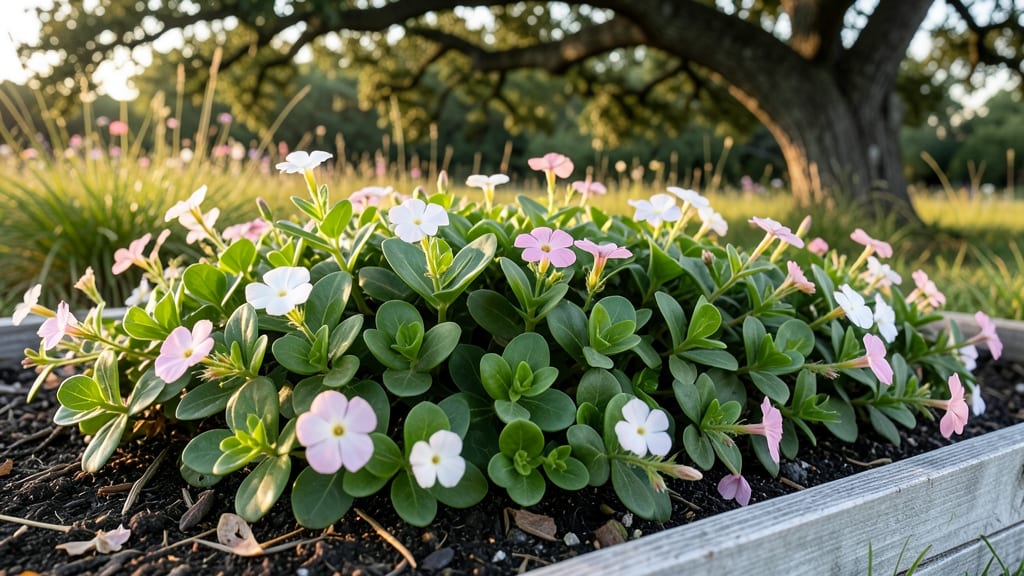
Big leaf periwinkle thrives where other shade plants struggle—its glossy leaves stay vibrant even under trees. 🌿 I’ve watched this cold-hardy ground cover transform shady spots into lush, low-maintenance carpets that outlast weeds and drought.
The secret lies in its adaptability: it handles poor soil, thrives in zones 4-9, and spreads reliably without invasive roots. Plant in early spring or fall, spacing plants 12-18 inches apart for full coverage by summer. Overwatering is its only enemy—keep soil moist but not soggy.
By late summer, you’ll see dense foliage that chokes out weeds naturally, and in spring, delicate lavender blooms appear. The best part? It stays green through winter, offering year-round interest with almost no effort.
Prune once annually in early spring to tidy up, and divide clumps every 3-4 years to keep it vigorous. Perfect for understory gardens, slopes, or anywhere you need a tough, evergreen solution.
📚 In This Guide
- What you need
- Instructions
- Tips and common mistakes
- Wrapping up and next steps
What you need
- ● Big leaf periwinkle plants: 3–5 mature plants (6–12 inches tall) per 10 sq ft of space. Opt for Vinca major (the classic variety) or Vinca major 'Illumination' for extra vibrancy.
- ● Well-draining soil: Amend heavy clay with 2–3 inches of compost or organic mulch (e.g., shredded bark or pine needles). Test pH (ideal: 5.5–6.5).
- ● Pruning shears: Sharp, bypass-pruning shears (for clean cuts and disease prevention).
- ● Gloves: Heavy-duty gardening gloves (to protect from thorns and soil-borne pathogens).
- ● Watering can or hose: With a gentle spray nozzle (periwinkle hates soggy roots!).
- ○ Mulch (optional but recommended): 2–3 inches of shredded bark or wood chips to retain moisture and suppress weeds.
- ● Slow-release fertilizer: 10-10-10 or 5-10-10 (apply once in early spring).
- ● Soil probe: To check drainage depth (avoid waterlogged spots!).
- ● Fungicide (preventative): Copper-based spray if your area has high humidity or fungal risks (e.g., leaf spot).
- ● Edging tool: For neat borders if planting near pathways or lawns.
Step-by-step guide to planting big leaf periwinkle
Here's how I establish this tough, shade-loving ground cover with minimal fuss.
🌱 Step 1: Choose and Prepare Your Planting Site
Big leaf periwinkle thrives in partial to full shade—select a spot that gets less than 4 hours of direct sun daily. I always check the area first by observing how much sunlight it receives over a few days. The soil should drain well, but it tolerates clay if amended with organic matter.
Remove any weeds or grass from the area, then loosen the top 6 inches of soil with a garden fork. This helps roots establish without competing with compacted earth. If your soil is heavy clay, mix in 2-3 inches of compost to improve drainage and fertility. Periwinkle isn't picky, but it grows best when the soil isn't waterlogged.
🪴 Step 2: Plant the Periwinkle Correctly
Space plants 12-18 inches apart for full coverage—closer spacing speeds up ground cover but may require thinning later. Dig holes just deep enough to accommodate the root ball without burying the crown (the area where stems meet roots). I like to plant in early spring or fall when temperatures are mild.
Place each plant in its hole, then backfill with soil, pressing gently to eliminate air pockets. Water deeply right after planting to settle the soil and encourage root contact. You'll see new growth within 2-3 weeks if conditions are right—watch for the first pair of true leaves to appear.
☀️ Step 3: Water and Maintain for Establishment
Keep the soil evenly moist but not soggy for the first 4-6 weeks after planting. I water deeply 2-3 times per week, checking the top 1-2 inches of soil—if it feels dry, it's time to water. Once established, periwinkle is drought-tolerant, but young plants need consistent moisture to root deeply.
Mulch around plants with 2-3 inches of shredded bark or leaves to retain moisture and suppress weeds. Avoid piling mulch directly against stems, as this can cause rot. You'll know your periwinkle is thriving when it fills in with lush, dark green foliage and starts spreading outward.
✂️ Step 4: Prune and Control Growth
Periwinkle spreads aggressively, so I trim it back in early spring to maintain a tidy appearance. Cut stems back by one-third to encourage bushier growth and prevent legginess. You can also thin out crowded areas by removing some stems at the base—this improves airflow and reduces disease risk.
If periwinkle spreads beyond your desired area, dig up unwanted sections in early spring or fall before the plant becomes too established. The roots are shallow, so they pull out easily with a garden fork. Wear gloves—periwinkle can be slightly sticky when handled.
Tips & tricks for thriving big leaf periwinkle
Here's what I've learned after years of growing this resilient ground cover—simple tricks that make all the difference for long-term success.
Site Selection Secret: While periwinkle tolerates shade, the best spots receive morning sun and afternoon shade. I've found that areas with 2-3 hours of morning sun (instead of the full 4 hours mentioned) produce slightly more vibrant foliage while still thriving in shade. Test your spot by observing sunlight patterns for a few days before planting.
Soil Prep Pro Tip: For heavy clay soils, I go beyond the 2-3 inches of compost recommendation and create a "soil sandwich"—mix compost into the top 4-6 inches of loosened soil. This creates a deeper root-friendly zone while maintaining the natural drainage periwinkle loves. The extra compost also helps buffer against temperature fluctuations.
Planting Precision: When spacing plants 12-18 inches apart, I mark planting locations with sticks or spray paint before digging holes. This prevents overcrowding and makes it easier to visualize the mature spread. For larger areas, I use a string line to ensure consistent spacing—periwinkle looks best when planted in neat rows or patterns.
Watering Wisdom: After the initial 4-6 week establishment period, I reduce watering to once every 10-14 days unless we have an extended dry spell. The key is to water deeply—soak the soil to 6 inches deep—rather than frequent shallow watering. This encourages deep root growth that makes periwinkle so drought-tolerant once established.
Pro Tips for Big Leaf Periwinkle
- Here's what I've learned after years of growing this resilient ground cover—simple tricks that make all the difference for long-term success.
- Site Selection Secret: While periwinkle tolerates shade, the best spots receive morning sun and afternoon shade.
- Soil Prep Pro Tip: For heavy clay soils, I go beyond the 2-3 inches of compost recommendation and create a "soil sandwich"—mix compost into the top 4-6 inches of loosened soil.
Frequently asked questions
Got questions about growing big leaf periwinkle? You’re not alone—this cold-hardy ground cover is a favorite, but it’s not without its quirks. Here are answers to the most common queries to help you succeed!
Is big leaf periwinkle invasive?
Big leaf periwinkle (Vinca major) is not considered invasive
in most U.S. regions, unlike its cousin, Vinca minor. It spreads slowly via runners but stays well-behaved in controlled garden spaces. Always check your local regulations—some areas discourage planting it near natural habitats.
How cold-hardy is big leaf periwinkle?
This plant thrives in USDA Zones 4–9, making it one of the toughest shade ground covers. It handles frost down to -20°F (-29°C) and often greens up earlier than grass in spring. Just avoid soggy soil in winter to prevent root rot.
When is the best time to plant big leaf periwinkle?
Plant in early spring or fall for the best results. Spring gives roots time to establish before summer heat, while fall planting lets it settle before winter dormancy. Avoid planting in extreme heat or cold—roots need moderate temps to take hold.
What pests or diseases should I watch for?
Big leaf periwinkle is disease-resistant, but pests like slugs, snails, and aphids may nibble on young leaves. Use beer traps for slugs or spray with soapy water for aphids. Overwatering can lead to fungal issues, so ensure well-draining soil.
Can I grow big leaf periwinkle in full shade?
This plant thrives in full to partial shade (2–6 hours of sunlight daily). It’s perfect for woodland gardens, under trees, or north-facing beds. Just avoid deep, dense shade—it may grow leggy and sparse over time.
How do I control its spread if it’s too aggressive?
If runners spread faster than you’d like, edge the plantings with a barrier (like landscape fabric) or trim excess growth in early spring. It’s not invasive, but regular pruning keeps it tidy. Divide clumps every 3–4 years to rejuvenate growth.
Wrapping up and next steps
Big leaf periwinkle (Vinca major) is a resilient, cold-hardy ground cover that thrives in shade gardens while warding off pests and diseases—making it a low-maintenance superstar for any landscape! 🌿 Its dense growth smothers weeds, its glossy foliage adds texture, and its ability to tolerate tough conditions means fewer headaches for you.
Whether you're battling slugs, fungal risks, or just tired of patchy lawns, this plant delivers big rewards with minimal effort.
Ready to transform your shady spots? Start by selecting a healthy plant (or seeds!) and prep your soil—then watch your garden flourish with year-round greenery and pest protection. Grab your gloves and get growing!