
Plants
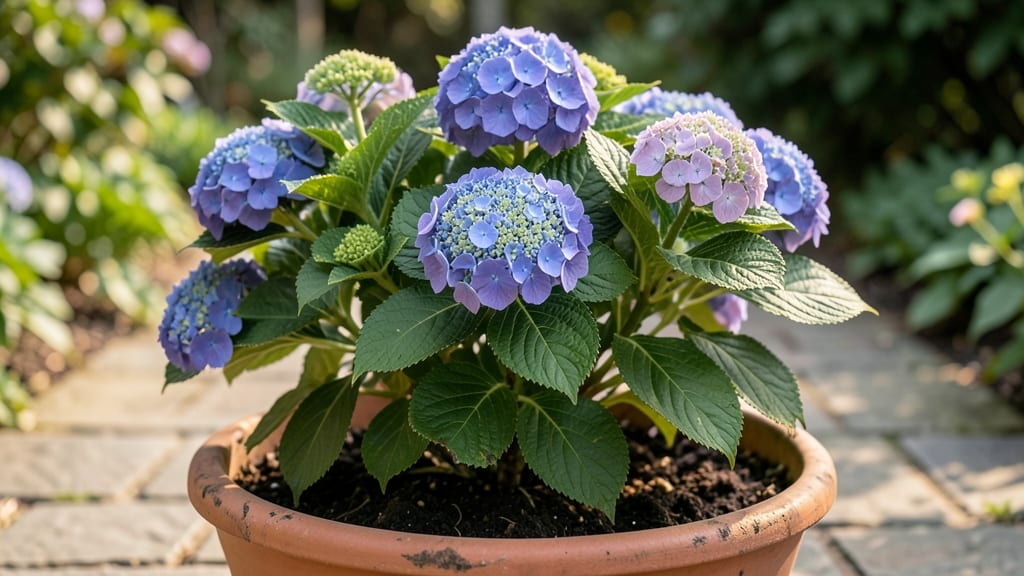
A bigleaf hydrangea plant thrives in partial shade with well-draining soil and steady moisture, delivering stunning blooms when pruned correctly and given seasonal attention. Mulching keeps roots cool and hydrated for year-round vitality.
These plants are true showstoppers in any garden, thanks to their massive, vibrant leaves and dramatic flower clusters. 🌿 The secret to their lush appearance lies in creating the right balance—too much sun can scorch the foliage, while poor drainage leads to root rot.
I’ve found that amending clay soil with compost creates the perfect foundation, and a 3-inch layer of mulch works wonders for moisture retention.
What’s fascinating is how soil pH affects bloom color: acidic soil produces blue flowers, while alkaline soil yields pink blooms, giving you natural control over your garden’s palette.
Proper care extends beyond just water and light—it’s about understanding the plant’s life cycle. Bigleaf hydrangeas bloom on new wood, meaning last year’s growth produces this year’s flowers. This makes late summer the ideal time for pruning, while winter protection (like wrapping the base) prevents cold damage.
I always recommend using sharp pruners to avoid tearing stems, and fertilizing lightly in spring with a balanced formula to support both foliage and blooms.
💡 In This Article
- Ideal Growing Conditions for Bigleaf Hydrangeas
- Pruning and Seasonal Care for Bigleaf Hydrangea Blooms
Ideal growing conditions for bigleaf hydrangeas
The soil pH of your bigleaf hydrangea determines its flower color—something that’s often overlooked. These plants thrive in acidic soil (pH 5.5-6.0), which produces stunning blue blooms. To test your soil, grab a pH meter or send a sample to a local extension office.
If your soil is too alkaline (pH 7.0+), the flowers turn pink. You can lower pH by adding sulfur or peat moss, while raising pH requires lime. 🌸 The secret lies in consistency: sudden pH shifts stress the plant, causing leaf yellowing or bud drop.
Sunlight needs are equally critical—bigleaf hydrangeas crave partial shade (3-6 hours of morning sun). Too much direct afternoon sun (especially in hot climates) causes leaf scorch, turning edges brown and crispy. In cooler regions, they tolerate more sun, but the foliage may become sparse.
The ideal spot balances light with shade from nearby trees or structures. Think of it like a sunbathing session: gentle morning rays build energy, while afternoon shade prevents overheating.
Watering follows the "soak and dry" principle: 1-2 inches of water per week, either from rain or irrigation. The key is keeping the soil consistently moist but not soggy—hydrangeas hate wet feet. In containers, they dry out faster, so check soil moisture daily during heatwaves.
A simple test is sticking your finger 2 inches deep; if it’s dry, water thoroughly. Mulching with 3-4 inches of organic matter (like shredded bark) locks in moisture and insulates roots from temperature swings.
Temperature fluctuations also play a role in bloom health. Bigleaf hydrangeas enter dormancy when temps drop below 40°F, but they’re not frost-hardy below 10°F. In colder zones, protect the base with 6-8 inches of mulch and wrap young plants with burlap.
Conversely, heatwaves above 90°F cause buds to drop before opening. The solution? Provide afternoon shade during summer peaks and avoid fertilizing when temps exceed 85°F, as it stresses the plant.
Climate adjustments matter—coastal gardens benefit from extra mulch to prevent salt spray damage, while inland areas need shade cloth during peak summer. The plant’s native range (Japan and Korea) gives us clues: they prefer humid, temperate conditions.
Mimic this by grouping hydrangeas with other moisture-loving plants like hostas or astilbes. This creates a microclimate that retains humidity and reduces stress on the foliage.
What most gardeners miss is how root zone temperature affects growth. Bigleaf hydrangeas grow best when roots stay between 60-75°F. If your soil heats up beyond this (common in black plastic pots), the roots suffer.
Test this by placing a thermometer in the soil—if it’s above 80°F, provide shade or switch to terracotta pots, which cool faster. This small detail can mean the difference between vibrant blooms and struggling plants.