
Flowers
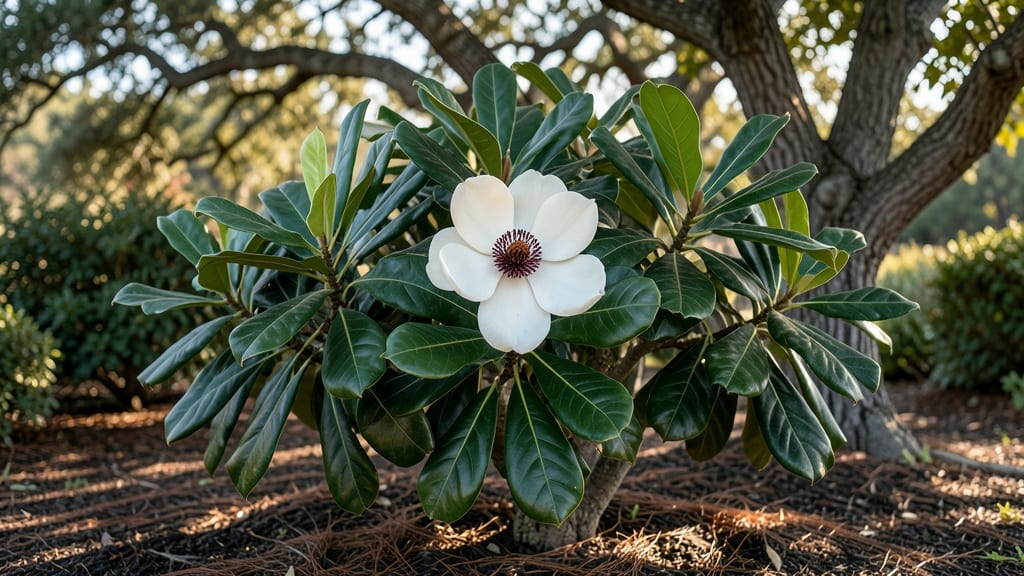
Growing bigleaf magnolia flowers means unlocking those 12-inch-wide creamy blooms that smell like a Southern spring morning. 🌸 I planted mine in a sheltered spot where the afternoon sun lingers just long enough—no harsh glare, just gentle warmth.
The key isn’t just sunlight; it’s the right balance of shade and soil that keeps these giants thriving for decades. These trees reward patience with fragrant, show-stopping flowers that appear in late spring, often before the leaves fully unfurl. The secret?
Mimic their native habitat—rich, acidic soil that drains well but stays moist. My first mistake was planting in alkaline soil; now I test and amend every few years to keep the pH between 5.0 and 6.0.
That’s the difference between a struggling sapling and a tree that becomes the centerpiece of your landscape. Once established, they handle drought surprisingly well—but young trees need deep watering twice a week during their first growing season.
Prune only to remove dead wood or shape the canopy; these magnolias grow slowly but steadily, and their natural form is their beauty. The real magic happens when companion plants like azaleas and camellias highlight their dramatic foliage.
For gardeners in warmer climates (zones 5-9), bigleaf magnolias are a low-maintenance investment that pays dividends in fragrance and shade. Start with a young tree from a reputable nursery—grafted specimens bloom faster than seed-grown ones. Your future self will thank you when that first creamy bloom unfurls in May.
📚 In This Guide
- What you need
- Instructions
- Tips and common mistakes
- Wrapping up and next steps
What you need
- ● Bigleaf magnolia plants: 1-3 nursery-grown saplings (3–5 ft tall, 2–3 inches in diameter) for best results
- ● OR seeds (fresh or stratified, collected from ripe cones in fall)
- ● Soil: 3–5 cubic yards of well-draining, acidic soil (pH 5.0–6.5). Mix in: Peat moss or compost (20–30%) for organic matter
- ● Sand (10–15%) to improve drainage
- ● Fertilizer: Slow-release acid-loving plant fertilizer (e.g., 10-10-10 or 8-3-9 with micronutrients)
- ● Mulch: 2–3 inches of pine bark or wood chips (avoid cedar or cypress)
- ● Gardening gloves (1 pair)
- ● Trowel or spade (for planting)
- ● Pruning shears (sterilized, for shaping)
- ● Watering can or hose with a gentle spray nozzle
- ● Soil pH test kit (to monitor acidity)
- ○ Stakes and twine (optional, for young saplings in windy areas)
- ● Location: Full sun to partial shade (6+ hours of sunlight daily for optimal blooms)
- ● Climate: USDA Hardiness Zones 5–9 (cold-hardy but prefers humidity)
- ● Space: Minimum 15–20 ft apart (mature trees can reach 40+ ft tall!)
- ● Patience: Saplings take 5–10 years to flower, but seeds may take 10+ years!
- ● Epsom salt (for magnesium boosts)
- ● Anti-desiccant spray (for young seedlings in dry climates)
- ● Drip irrigation system (for consistent moisture)
- ● Shade cloth (to protect seedlings from harsh afternoon sun)
Step-by-step instructions for cultivating bigleaf magnolia blooms
Here's the proven method I use to coax those iconic bigleaf magnolia flowers into full, fragrant display—even in less-than-ideal climates.
🌱 Step 1: Select the Right Location for Sunlight and Shelter
Bigleaf magnolias thrive in dappled sunlight—think 6-8 hours of morning sun followed by afternoon shade. I always plant mine near the eastern edge of my yard where they get gentle morning rays but escape the harsh afternoon heat. The key is avoiding full sun exposure, which scorches delicate leaves and buds.
Choose a spot with shelter from strong winds—their large leaves and heavy blooms make them vulnerable to breakage. A location near a fence or building works perfectly. Test the spot by observing how sunlight moves across it throughout the day. If shadows linger past noon, it’s ideal.
🪴 Step 2: Prepare the Soil for Optimal Drainage and Nutrients
Amend the soil with 3 inches of organic matter—I mix in compost and well-rotted leaf mold to create a rich, loamy texture. Bigleaf magnolias hate soggy roots, so if your soil drains poorly, add sand or perlite to improve aeration. The goal is a slightly acidic to neutral pH (6.0-7.0)—test your soil with a kit before planting.
Dig a hole twice as wide as the root ball but only as deep as the container’s base. Loosen the roots gently if they’re pot-bound, then place the tree at the same depth it was growing before. Backfill with the amended soil, tamping lightly to remove air pockets. Water deeply to settle everything in place.
☀️ Step 3: Plant and Water for Establishment
After planting, create a 2-3 inch deep watering basin around the base and fill it with 5 gallons of water. Let it soak in completely—this ensures roots make contact with moist soil immediately. Mulch with 2-3 inches of wood chips or pine straw, keeping it 6 inches away from the trunk to prevent rot.
Water twice weekly for the first month, then taper to once a week once new growth appears. The soil should stay evenly moist but not waterlogged—stick your finger in to check. Overwatering is the fastest way to kill these trees, so resist the urge to keep the soil soggy.
✂️ Step 4: Prune and Feed for Year-Round Blooms
Prune immediately after flowering to remove dead branches and shape the tree. Bigleaf magnolias bloom on old wood, so avoid heavy pruning in late winter or early spring—you’ll sacrifice next year’s flowers. I only trim back overly long branches to maintain an open canopy that lets sunlight reach the center.
Fertilize in early spring with a balanced, slow-release fertilizer (10-10-10). Apply ½ pound per inch of trunk diameter—for a 4-inch trunk, that’s about 2 pounds total. Water deeply after applying to help nutrients reach the roots. Skip fall fertilization; the tree needs to harden off for winter.
🌿 Step 5: Protect and Maintain for Longevity
Young trees benefit from winter protection in colder climates—wrap the trunk with burlap and mound 3-4 inches of mulch around the base. This insulation prevents frost cracks and root freeze. In summer, watch for scale insects on the undersides of leaves—treat with neem oil if you spot sticky residue (honeydew).
Bigleaf magnolias reward patience—it can take 3-5 years for established trees to bloom heavily. But once they do, those cup-shaped, creamy-white flowers (up to 10 inches wide!) make every season of care worthwhile. The secret? Consistency in watering, pruning, and soil health.
Tips & tricks for perfect bigleaf magnolia blooms
These are the hard-won lessons that'll help you coax those legendary magnolia blooms out of even the most stubborn trees.
Location Scouting: I can't stress this enough—those 6-8 hours of morning sun are non-negotiable. Use a simple app to track sunlight patterns in your yard for a few days before planting. The eastern edge of your property is your best bet, but if that's not possible, a northern-facing spot with afternoon shade works too. Think of it like planning a vacation spot: you want the perfect balance of sun and shelter, not too hot or too exposed.
Soil Science: The 3 inches of organic matter we're mixing in isn't just about nutrients—it's about creating the perfect air-soil balance. If your native soil is heavy clay, don't just add compost. Mix in equal parts sand and perlite to create that loamy texture. I've seen magnolias drown in poorly draining soil, and it's heartbreaking. Test that soil pH too—if it's below 6.0, add some lime to bring it up gently. The goal is that sweet spot between 6.0 and 7.0 where roots can breathe and drink.
Watering Wisdom: That 5 gallons of water after planting isn't just for show—it's about ensuring complete root contact with moist soil. I've learned the hard way that pouring water around the edges isn't enough. Create that basin, fill it completely, and let it soak in. For the first month, your finger should go in about an inch deep and feel damp, not soggy. The key is consistency: twice weekly for establishment, then once weekly once growth appears. Overwatering kills these trees faster than underwatering will.
Pruning Precision: Timing is everything when pruning magnolias. That immediately after flowering window is critical because we're working with old wood. I've seen gardeners eager to tidy up in early spring, only to sacrifice next year's blooms. Wait until those flowers have fallen completely before touching your shears. And when you do prune, focus on opening up the center—this isn't about shaping for aesthetics, it's about letting sunlight reach the inner branches where next year's buds are forming.
Pro Tips for Bigleaf Magnolia Flower
- These are the hard-won lessons that'll help you coax those legendary magnolia blooms out of even the most stubborn trees.
- Location Scouting: I can't stress this enough—those 6-8 hours of morning sun are non-negotiable.
- Soil Science: The 3 inches of organic matter we're mixing in isn't just about nutrients—it's about creating the perfect air-soil balance.
Frequently asked questions
Got questions about nurturing bigleaf magnolia flowers? You’re not alone! Here are answers to the most common curiosities—from timing to troubleshooting—so you can grow these stunning blooms with confidence.
When is the best time to plant a bigleaf magnolia?
The ideal time to plant is late fall or early spring when temperatures are mild (50–70°F). This gives roots time to establish before extreme heat or cold. Avoid planting in summer or freezing winters—root shock is a real risk! For container-grown plants, water thoroughly before transplanting.
How long does it take for a bigleaf magnolia to bloom?
Patience is key! Young trees may take 3–5 years to produce flowers, depending on growing conditions. Healthy soil, full sun (6+ hours), and consistent moisture speed up the process. Pro tip: Fertilize lightly in spring with a balanced 10-10-10 blend to encourage growth.
Can bigleaf magnolias grow in partial shade?
While they prefer full sun, they tolerate morning sun + afternoon shade in hot climates (Zones 7–9). Avoid deep shade—they’ll produce fewer blooms. If your yard is shady, choose a location with at least 4–6 hours of filtered light for best results.
What pests or diseases should I watch for?
Common issues include:
- Magnolia scale: Tiny, waxy bumps on leaves/stems. Treat with horticultural oil in early spring.
- Powdery mildew: White fungal coating on leaves. Improve airflow and spray with neem oil.
- Root rot: Overwatering or poor drainage. Ensure well-draining soil and avoid soggy roots.
How do I prune a bigleaf magnolia to encourage more flowers?
Prune right after blooming (late spring) to shape the tree and remove dead wood. Avoid heavy pruning—these trees bloom on old wood. Focus on:
- Thinning out crowded branches for airflow.
- Trimming suckers at the base to redirect energy to flowering.
Wrapping up and next steps
The bigleaf magnolia flower is a stunning addition to any garden, offering year-round beauty with its fragrant blooms and lush foliage. By choosing the right soil, providing adequate sunlight, and following proper care techniques, you can unlock its full potential—even in less-than-ideal conditions.
Whether you're a seasoned gardener or just starting out, the key is patience and a little extra love!
Ready to transform your outdoor space? 🌿 Start by selecting a healthy sapling or seedling, then dive into planting and maintenance with confidence. Your magnolia’s vibrant blooms will be a breathtaking reward for your efforts!