
Pruning
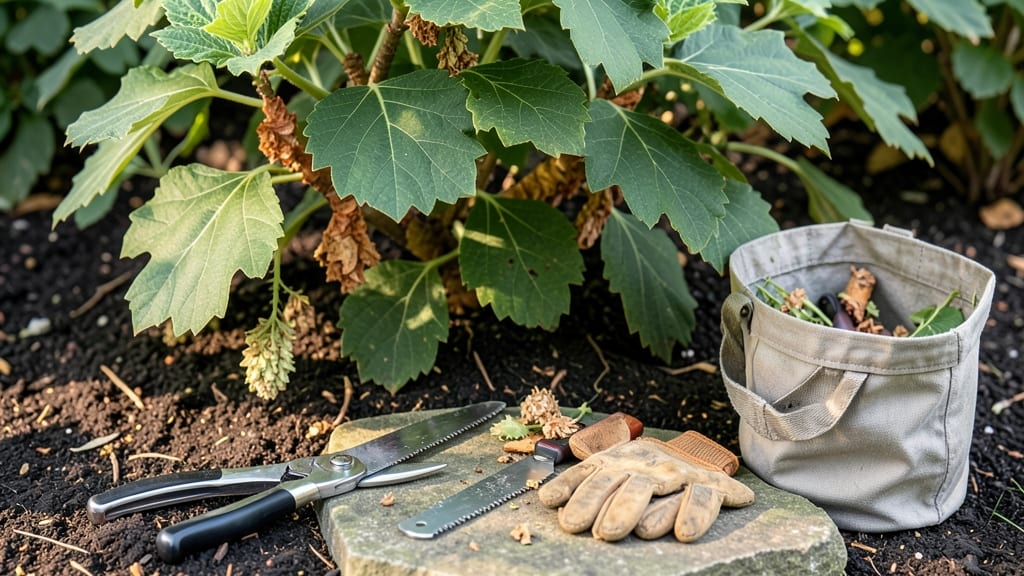
Trimming oak leaf hydrangeas transforms them from scraggly to stunning—year after year. 🌿 These plants reward precise cuts with vibrant foliage and abundant blooms, but timing and technique make all the difference.
I’ve learned the hard way that aggressive pruning at the wrong time can rob you of next season’s flowers, while gentle shaping keeps their natural beauty intact.
The best time to trim is late winter or early spring, before new growth begins. You’ll need sharp pruners, gloves, and a clear vision of your plant’s structure—think of it like sculpting a living work of art.
Remove dead or crossing branches first, then thin out crowded stems to improve airflow. Oak leaf hydrangeas bloom on old and new wood, so never cut back more than a third of the plant at once.
After pruning, your hydrangea will respond with fresh, glossy leaves and clusters of white summer blooms. The key is patience: new growth emerges slowly, and the full effect takes a full growing season.
Watch for the telltale red stems that signal healthy new shoots—this is your plant’s way of saying “thank you” for the care.
Common mistakes include pruning too late in the season or cutting into old wood where blooms form. If you’re unsure, step back and imagine the plant’s natural shape—less is always better.
With practice, you’ll develop an eye for what looks best, and your oak leaf hydrangea will become the showstopper of your garden.
📚 In This Guide
- What you need
- Instructions
- Tips and common mistakes
- Wrapping up and next steps
What you need
- ● Pruning shears or bypass pruners – Choose sharp, high-quality tools (e.g., Felco or Fiskars) with bypass blades for clean cuts (avoid anvil pruners—they crush stems).
- ● Loppers – For thicker stems (½"–1" diameter), opt for ratcheting loppers for ease (e.g., Corona or Bahco).
- ● Hand pruners – A small, ergonomic pair for delicate trimming (e.g., Razor-Back or Gonicc).
- ● Disinfectant (70% isopropyl alcohol or bleach solution) – Clean tools between cuts to prevent disease spread (1 part bleach to 9 parts water).
- ● Gloves – Garden gloves (nitrile-coated for grip) to protect hands from thorns and sap.
- ○ Pruning sealant (optional but helpful) – A fast-drying, organic sealant (e.g., Tanglefoot Tree Wound Pruning Seal) for large cuts (1" or wider).
- ● Bucket or trash bag – For collecting pruned branches (5–10 gallon size).
- ● Measuring tape or ruler – To mark pruning points (12–18" from the ground for rejuvenation cuts).
- ● Extension pole saw – For high branches (e.g., 3–6 ft reach).
- ● Sharpie or masking tape – To mark stems for future reference.
- ● Compost bin – To recycle pruned branches (if disease-free).
- ● Safety glasses – For protection when handling large branches.
Step-by-step guide to trimming oak leaf hydrangea for year-round beauty
Here’s the method I’ve used for years to keep my oak leaf hydrangeas lush, blooming, and shaped beautifully—without the guesswork.
✂️ Step 1: Understand the Right Time for Pruning
Oak leaf hydrangeas bloom on old wood, so timing matters. Prune right after flowering—usually in late summer or early fall—when blooms fade but before new growth hardens. This ensures you don’t cut off next year’s flowers. I always wait until after September 1st to avoid accidental frost damage to fresh cuts.
If you missed the fall window, don’t panic—light pruning in early spring is better than nothing. Just avoid heavy cuts then, as it stresses the plant before it’s ready to grow. Watch for new leaf buds forming in spring; these are your signal to hold off on major trims.
✂️ Step 2: Shape the Plant for Balance and Airflow
Start by removing dead, diseased, or crossing branches first. These compete for energy and block airflow, inviting pests. I use clean, sharp pruners to make cuts at a 45-degree angle, about ¼ inch above a leaf node or outward-facing bud. This encourages growth in the right direction.
Next, step back and visualize the plant’s natural shape. Oak leaf hydrangeas have a loose, airy habit, so avoid shearing into tight, rounded forms. Focus on opening the center to let light reach inner branches. You’ll see the plant’s skeletal structure more clearly—this is your guide for even cuts.
✂️ Step 3: Thin Out Overcrowded Branches
Selectively remove 1-3 oldest branches per year to rejuvenate the plant. Older stems produce fewer blooms and weaker growth. Start at the base and work upward, cutting back to a healthy side branch or the main trunk. This prevents a bushy, congested look and keeps energy flowing to newer growth.
I like to leave 3-5 strong, younger stems as the new framework. These will carry next year’s blooms and fill out the plant’s structure. Avoid cutting more than ⅓ of the plant’s total growth in one season—this can shock the hydrangea and reduce flowering.
✂️ Step 4: Lightly Trim for Shape and Size Control
For a neater, more compact shape, trim back the tips of remaining branches by ⅓ of their length. Focus on the outer edges to encourage fullness. Use your fingers to guide the cut—you’re shaping, not shearing. This step is optional but helps maintain the plant’s size if it’s getting too large for its space.
After trimming, step back again. The goal is a natural, layered look with no harsh lines. If you see bare spots or uneven growth, adjust by redirecting energy to those areas. A well-shaped hydrangea will bloom more evenly and look fuller year-round.
💧 Step 5: Clean Up and Care for Recovery
After pruning, sterilize your tools with rubbing alcohol to prevent spreading disease. Remove all clippings from the area to reduce pests and fungal risks. I like to mulch around the base with 2-3 inches of organic mulch to retain moisture and protect roots during recovery.
Water deeply right after pruning to help the plant bounce back. Avoid heavy fertilizing immediately—let the cuts heal for 4-6 weeks before adding nutrients. You’ll notice new growth buds forming within 2-3 weeks if the plant is healthy. This is your sign everything’s on track!
Tips & tricks for perfect oak leaf hydrangea trimming
Avoid these common pitfalls—and transform your pruning from ordinary to extraordinary.
Timing is Everything: The late summer/early fall window (after September 1st) is non-negotiable for oak leaf hydrangeas. I learned this the hard way after accidentally pruning too early and nearly losing next year's blooms. If you miss the fall window, spring pruning is better than nothing, but keep it light—just remove dead branches and avoid heavy cuts when the plant is still dormant.
The 45-Degree Angle Secret: When making cuts in Step 2, that 45-degree angle isn't just for looks—it directs water away from the cut and encourages outward growth. Use your pruners to create a clean slope, then position your cut about ¼ inch above a leaf node. This small detail makes all the difference in how your hydrangea recovers and blooms.
Branch Selection Strategy: In Step 3, focus on removing the oldest branches first—they're the ones producing fewer blooms and weaker growth. I target 1-3 branches per year, always cutting back to a healthy side branch or the main trunk. This creates space for those younger, vigorous stems (3-5 of them) that will carry next year's spectacular blooms.
Recovery Care: The 4-6 week healing period after pruning is crucial—don't rush it! Water deeply right after trimming, then let the plant focus on recovery before adding nutrients. You'll see new growth buds forming in just 2-3 weeks if you've done everything right. That's your green light that the plant is happy with your work.
Pro Tips for Trimming Oak Leaf Hydrangea
- Avoid these common pitfalls—and transform your pruning from ordinary to extraordinary.
- Timing is Everything: The late summer/early fall window (after September 1st) is non-negotiable for oak leaf hydrangeas.
- The 45-Degree Angle Secret: When making cuts in Step 2, that 45-degree angle isn't just for looks—it directs water away from the cut and encourages outward growth.
Frequently asked questions
Got questions about trimming your oak leaf hydrangea?
You’re not alone! Here are answers to the most common concerns—from timing to troubleshooting—to keep your shrub thriving and blooming beautifully.
When is the best time to trim oak leaf hydrangea?
Oak leaf hydrangeas are late bloomers, so trim them right after flowering (late summer to early fall) to encourage next year’s blooms. Avoid heavy pruning in spring—just remove dead or crossing branches. For shaping, light trims can happen anytime, but never cut into old wood (the brown stems).
How much can I trim back my oak leaf hydrangea?
Unlike other hydrangeas, oak leaf varieties don’t need drastic pruning. For maintenance, remove up to 1/3 of the plant’s oldest stems to open up the center. If overgrown, you can trim back by half, but avoid cutting into the thick, woody stems. Think of it as a haircut, not a buzz cut!
What if I prune at the wrong time and lose blooms?
Don’t panic! Oak leaf hydrangeas are forgiving. If you prune too early (spring), you might lose some blooms, but the plant will still produce new flowers on current-year growth. Focus on shaping in fall/winter and light trims in spring to remove dead wood. Next season, you’ll see fresh blooms!
Can I shape oak leaf hydrangea like a topiary?
Oak leaf hydrangeas are fantastic for topiary due to their thick, leathery leaves. Use sharp pruners to create clean lines, and trim just above a leaf node (the bump where leaves grow). For formal shapes, prune monthly in spring/summer to maintain form. Pro tip: Wear gloves—the leaves can be prickly!
Why are my hydrangea leaves turning brown after trimming?
Brown leaves post-pruning usually mean stress or disease. If it’s just the trimmed edges, it’s normal—hydrangeas seal cuts over time. But if leaves yellow or wilt, check for:
- Over-pruning: Too many cuts shock the plant.
- Pests: Inspect for aphids or spider mites.
- Fungal issues: Prune in dry weather to avoid spores.
Wrapping up and next steps
Trimming your oak leaf hydrangea doesn’t have to be intimidating—it’s all about timing, technique, and a little patience! 🌿 Whether you’re shaping for summer blooms or winter resilience, the key is to prune with purpose, using the right tools and following seasonal cues.
With these year-round secrets, your hydrangea will reward you with lush foliage and stunning flowers for seasons to come.
Ready to take the next step? Grab your pruners, mark your calendar for late winter/early spring**, and give your oak leaf hydrangea the care it deserves! Your garden will thank you—one trim at a time. 🌸