
Leaf Blower
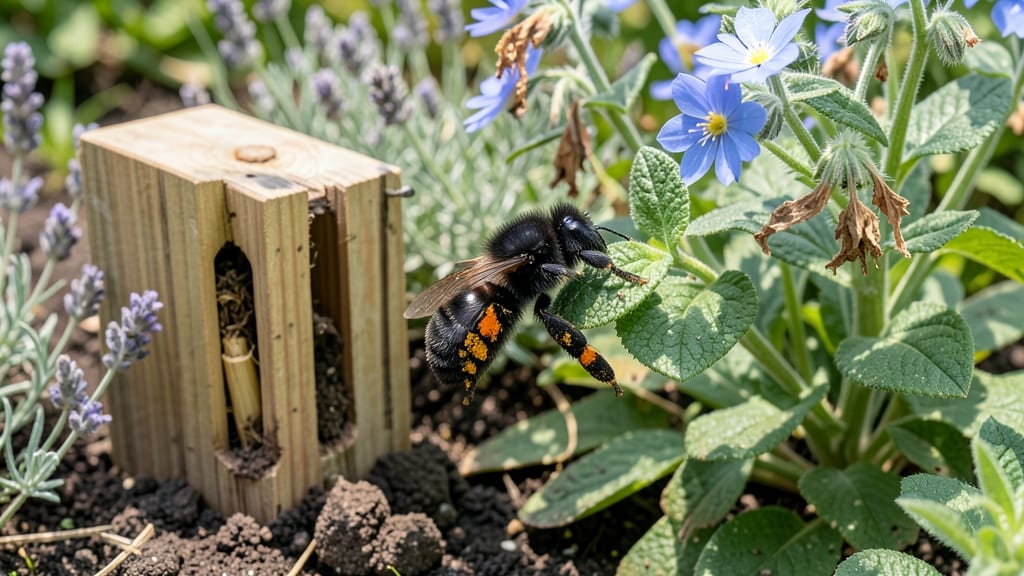
Those tiny black bees buzzing through your garden aren’t just pollinators—they’re leaf cutters with a knack for turning your prized plants into Swiss cheese. 🌿 The black leaf cutter bee (Megachile congarea) may look like a beneficial pollinator, but its habit of slicing perfect circles from leaves to line its nests can leave your roses, fruit trees, and ornamentals looking like confetti.
The good news? You can manage them without harming other pollinators.
Here’s the thing—these bees aren’t pests in the traditional sense. They’re actually critical pollinators for crops like almonds and blueberries, but their nesting habits can become a problem when they target your garden.
The damage starts in early spring when females chew clean, half-inch circles from leaves, often leaving behind a telltale "windowpane" effect. If left unchecked, heavy infestations can weaken plants and reduce photosynthesis.
You’ll want to focus on preventive measures like installing bee houses (to lure them away from your plants) and physical barriers (like fine mesh netting) around high-value crops. For existing damage, pruning affected leaves and encouraging natural predators like spiders and parasitic wasps can help.
Chemical controls? Avoid them—they’ll harm the very pollinators you’re trying to protect.
Black leaf cutter bees thrive in warm climates but can be found as far north as Zone 6. If you’re in their range, the key is balance: support their role as pollinators while protecting your garden’s health.
With the right strategies, you can keep both your plants and these busy little gardeners happy—without turning your yard into a leaf-cutting buffet.
Why Leaves Get Cut So Precisely
Those perfectly round or oval holes in your garden leaves aren’t random—they’re the handiwork of leaf-cutting bees, and there’s a fascinating science behind their precision. These tiny pollinators don’t just chew leaves; they engineer them into nest-building materials with surgical-like accuracy.
Here’s why they do it—and how their behavior impacts your garden.
Leaf-cutting bees (like Megachile species) are solitary nesters, meaning each female builds her own brood cells from scratch. Their nests require waterproof, durable, and lightweight materials—enter the leaves.
🔹 Why leaves?
- Natural insulation: Leaves provide a breathable barrier that regulates temperature and humidity inside the nest, protecting developing larvae from extreme heat or cold.
- Pest resistance: Unlike mud or twigs, leaves are less attractive to parasites and fungal growth, reducing risks to the bee’s offspring.
- Portability: Bees cut leaves into precise shapes (like half-moons or perfect circles) to fit their nest tubes—think of them as tiny origami artists!
💡 Pro Tip: If you notice young, healthy leaves being targeted, the bee is likely a mother selecting the freshest, most pliable material. Older or damaged leaves are often ignored.
Leaf-cutting bees didn’t invent this behavior—they perfected it over millions of years. Their mandibles are uniquely adapted to slice through leaf veins and edges with minimal tearing, thanks to:
- Specialized jaw structure: Their mandibles have serrated edges and a scissor-like motion, allowing them to cut cleanly without crushing the leaf tissue.
- Behavioral learning: Bees learn which plants offer the best "building materials" (e.g., roses, fruit trees, or ornamental shrubs) and return to them season after season.
- Chemical cues: Some research suggests bees may be drawn to leaves with specific volatile compounds, though this is still being studied.
🌡️ Fun Fact: In warmer climates, these bees are year-round active, which is why you might see leaf cuts even in winter—unlike honeybees, they don’t hibernate!
You might wonder: Why don’t plants fight back? The answer lies in the bees’ stealth and speed. Here’s how the battle plays out:
| Plant "Defense" | Bee "Counterattack" |
|---|---|
| Thick or waxy leaves (e.g., holly, boxwood) | Bees avoid these or target softer new growth. |
| Tough veins or fibrous edges | Bees use their mandibles to peel back layers rather than force a clean cut. |
| Toxic compounds (e.g., poison ivy) | Bees instinctively avoid these plants entirely. |
🎯 Key Takeaway: Leaf-cutting bees are selective predators. They won’t destroy your garden overnight—they’re efficient foragers with a specific goal in mind.
Understanding why these bees cut leaves helps you appreciate their role in pollination—and maybe even encourage their behavior in your yard!
Quick Fixes for Leaf Cutter Bee Issues
If you’ve spotted telltale signs of leaf cutter bees—like neatly trimmed leaves, chewed petals, or nests tucked into wood—don’t panic! These beneficial pollinators can be managed with simple, eco-friendly strategies. Below, we break down common problems and practical solutions to coexist (or gently redirect) them without harm.
Leaf cutter bees don’t eat leaves—they repurpose them to build nests. While this isn’t harmful to most plants, some gardeners prefer to minimize damage.
🔹 Solution: Offer Alternative Nesting Materials - Provide pre-cut leaves or bark: Place small stacks of untreated wood shavings, bamboo tubes, or even rolled-up newspaper near your garden.
Bees will often abandon plant leaves for these ready-made materials. - Use mesh or netting: Cover delicate plants (like roses or succulents) with lightweight mesh during peak bee activity (spring to early summer).
This blocks access without trapping bees. - Plant bee-friendly alternatives: Bees prefer native plants like lavender, sunflowers, or milkweed for pollen. A diverse garden reduces their need to forage for leaves.
💡 Prevention Tip: > 🌡️ Timing Matters: Most cutting occurs in the morning. If you’re concerned about specific plants, cover them before 9 AM and remove covers by midday to avoid overheating.
Bees often nest in cracks, eaves, or old wood. While they’re harmless, you might want to redirect them to a more convenient location.
🔹 Solution: Create a Bee Hotel
- DIY bee house: Use untreated wood blocks with 3/8-inch to 5/16-inch holes (drill them yourself or buy pre-made houses). Hang it near your garden but away from high-traffic areas.
- Natural cavities: Leave deadwood or hollow stems (like elderberry or raspberry canes) in a sunny, sheltered spot. Bees will migrate naturally.
- Gently relocate nests: If you find an active nest in wood, wait until dusk when bees are less active. Carefully transfer the nest (with attached leaves) to your bee house using a small trowel.
⚠️ Caution: > ⏰ Avoid disturbing nests during the day—bees can become defensive. If you must move them, do so after sunset and monitor for a few days to ensure they’ve relocated.
Some gardeners worry about bees cutting petals, but this rarely kills plants. However, if you’re growing flowers for cutting (like roses or peonies), take these steps:
🔹 Solution: Shield Sensitive Blooms
- Use lightweight row covers: Drape fine netting over flower beds, securing edges with stakes. Ensure it doesn’t touch petals to prevent damage.
- Prune strategically: Remove heavily cut leaves or petals in the morning when bees are less active. Compost the clippings—they’ll still use them!
- Choose bee-resistant plants: Some flowers (like zinnias or marigolds) are less appealing to leaf cutters. Interplant them with bee favorites to create a buffer.
🎯 Pro Tip: > 🌿 Mulch with straw: A thick layer of straw around plants can deter bees from landing, as they prefer smooth surfaces for cutting.
If leaf cutter bees are a recurring issue, focus on making your property less appealing while still supporting pollinators.
🔹 Solution: Modify Your Landscape
- Reduce monocultures: Plant a variety of flowers, herbs, and shrubs. Bees are less likely to target leaves if pollen is abundant.
- Eliminate standing water: While bees need water, stagnant puddles can attract pests. Use a shallow dish with pebbles instead.
- Seal small entry points: Check for gaps in siding, under decks, or in sheds. Use caulk or fine mesh to block access without trapping bees.
💡 Bonus: > 🐝 Leave some “wild” areas: A patch of untamed grass or a small woodpile provides natural nesting sites, reducing the need for bees to forage in your garden.
Final Note: Leaf cutter bees are essential pollinators—their presence means your garden is thriving! With these solutions, you can minimize inconveniences while keeping these tiny architects (and their leafy crafts) in your yard. 🐝✨
Frequently asked questions
Are black leaf cutter bees harmful to my garden?
Not in most cases! While they cut precise holes in leaves for nesting, this rarely kills plants. The real concern is aesthetic damage to prized flowers or vegetables. These bees are actually critical pollinators for crops like almonds and blueberries—so they're more helpful than harmful overall.
How can I tell if the holes in my leaves are from bees vs. other pests?
Look for these clues: perfect half-moon or circular cuts with smooth edges (no ragged tearing), often on young, healthy leaves. Unlike slugs or caterpillars, you'll rarely see frass (chewed debris) around the holes. The cuts are usually 1/4 to 1/2 inch wide—about the size of a dime.
What's the best way to protect my roses from leaf cutter bees?
Use lightweight mesh netting (like 1/4-inch hardware cloth) draped over rose bushes during morning hours when bees are most active. For a natural solution, plant bee-friendly alternatives nearby like lavender or sunflowers—they'll provide pollen while distracting bees from your roses.
Can I safely relocate a bee nest I found in my woodwork?
Yes, but wait until dusk when bees are less active. Gently scrape out the nest (with attached leaves) using a small trowel and transfer it to a DIY bee house with 3/8-inch diameter holes. Place the house near your garden but away from high-traffic areas. Never use pesticides—bees are essential pollinators!
Why do these bees cut petals instead of just leaves?
Petals offer the same benefits as leaves—soft, flexible material for nesting. Bees prefer petals from single-layered flowers (like roses or peonies) because they're easier to cut and carry. The damage is mostly cosmetic, but it can reduce flower longevity. For showy blooms, use protective netting during bloom season.