
Leaf Blower
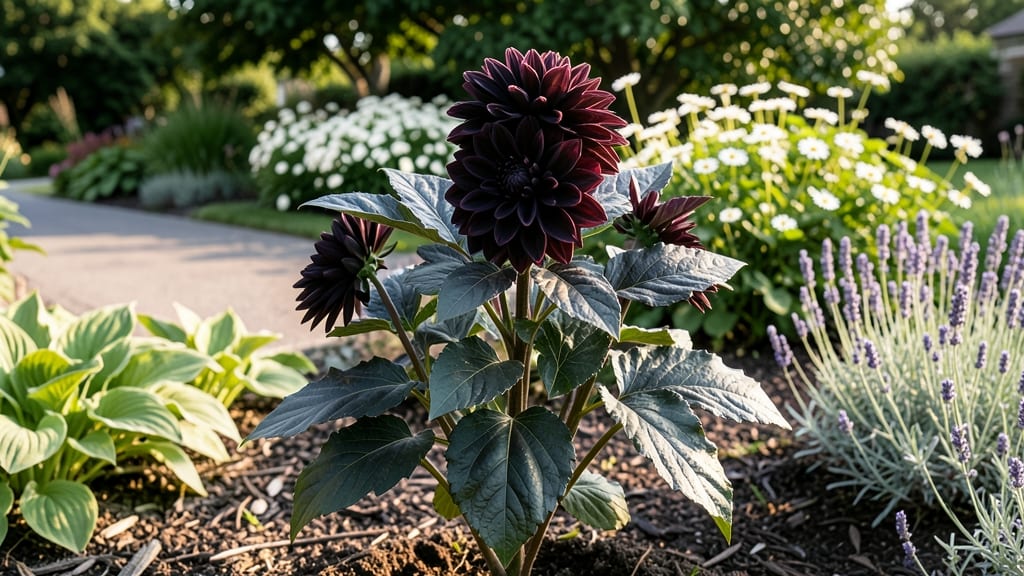
Your black leaf dahlia’s crispy edges don’t have to be a lost cause. 🌿 The moment I saw those dark, crispy leaves on my prized dahlia, I knew copper spray could bring them back to life—if done right.
This isn’t about hiding the damage; it’s about restoring that velvety, healthy look by tackling the root of the problem.
Copper spray works because it stops fungal spores in their tracks, giving your plant a fighting chance to bounce back. You’ll need a copper fungicide, a spray bottle, and a calm morning to apply it—no fancy tools, just a little patience.
Within a week, you’ll start seeing fresh growth pushing through, and those crispy edges will soften into something closer to the lush plant you fell in love with.
📚 In This Guide
- What you need
- Instructions
- Tips and common mistakes
- Wrapping up and next steps
What you need
- ● Copper fungicide spray: Choose a ready-to-use formula (e.g., Copper Sulfate 50% WP or Copper Hydroxide) or a concentrated liquid (dilute as per label instructions). Quantity: 1–2 gallons (enough for 2–3 applications).
- ● Spray bottle or garden sprayer: A 1–2 gallon pump sprayer (for larger plants) or a 16–32 oz. handheld sprayer (for precision). Pro tip: Clean with soapy water before use to avoid contamination! 🧼
- ● Gloves (nitrile or rubber): 1 pair to protect your hands from copper residue.
- ● Pruning shears: 1 pair (sterilized with rubbing alcohol) to trim severely damaged leaves.
- ○ Watering can or hose: For rinsing plants post-treatment (optional but recommended).
- ● Neem oil (1% solution): Mix with copper spray for extra fungal defense (1 tbsp neem oil per quart of water).
- ● Plant food (balanced fertilizer): 5-10-5 or 10-10-10 to revive weakened roots after treatment.
- ● Plastic sheeting: Lay down to protect surrounding soil/paths from copper runoff.
- ● Magnifying glass: For inspecting leaves up close—spotting early signs of sooty mold or powdery mildew makes treatment easier!
- ● Choose a calm, overcast day (direct sun can burn copper-treated leaves).
- ● Ensure your dahlia is not flowering—treat only foliage to avoid copper entering the plant’s system.
- ● Check local regulations: Some areas restrict copper use near water sources. When in doubt, opt for organic alternatives! 🌍
How to restore crispy edges on black leaf dahlias
Here’s my go-to method for bringing back that dramatic, velvety black foliage—no guesswork, just results.
🌿 Step 1: Inspect and Trim Damaged Growth
Start by examining your dahlia closely. Look for leaves with brown, crispy edges—these are your priority. Use clean, sharp pruning shears to trim back affected foliage to healthy green tissue. This isn’t just about looks; removing dead leaves prevents disease from spreading to fresh growth.
I like to work on a dry morning when the plant is firm. Snip just above a leaf node (the bump where leaves attach) to encourage new shoots. Don’t overdo it—remove only what’s clearly damaged. You’ll see fresh, vibrant leaves emerging within 2-3 weeks if the roots are still strong.
💧 Step 2: Water Deeply and Adjust Care Routine
Black leaf dahlias thrive with consistent moisture but hate soggy roots. Water deeply until the soil is damp 6-8 inches down, then wait until the top 2 inches feel dry before watering again. Overwatering causes those crispy edges, so let the soil dry slightly between waterings—especially in humid climates.
I also hold off on fertilizer for 2 weeks after trimming. New growth needs time to establish without competing for nutrients. Once you see fresh leaves, feed with a balanced, water-soluble fertilizer diluted to half-strength. This prevents shock and promotes lush, dark foliage.
☀️ Step 3: Apply Copper Fungicide Spray
Copper spray tackles fungal issues that often cause crispy edges. Mix 1 tablespoon copper fungicide per gallon of water in a spray bottle. On a calm day, spray the undersides of leaves thoroughly—this is where fungal spores hide. Cover the entire plant, including stems, but avoid spraying in direct sunlight to prevent leaf burn.
Repeat the spray every 7-10 days for 3 weeks, even if the edges look better. Consistency is key—fungus can return if you stop too soon. I time my sprays for early morning so the leaves dry quickly, reducing humidity that fuels fungal growth.
✂️ Step 4: Prune for Airflow and Light
Black leaf dahlias need airflow to dry quickly and prevent fungal reinfection. Thin out crowded stems by removing the weakest growth at the base. Aim for 3-4 strong stems per plant, spacing them evenly. This lets light reach the center, where leaves often stay damp and crispy.
I also deadhead spent blooms regularly—this redirects energy to foliage instead of flowers. Use your fingers to pinch off faded blooms at the stem base. Watch for new growth at the nodes; these shoots will replace damaged leaves and restore that deep, glossy black color.
🌱 Step 5: Monitor and Repeat as Needed
Keep an eye on your dahlia for 2-3 weeks after treatment. If crispy edges reappear, repeat the copper spray and check your watering routine. Sometimes, the issue is overwatering or poor drainage—amend the soil with compost if it’s compacted.
Here’s the thing—black leaf dahlias are finicky but worth it. With this method, you’ll see dramatic improvement in 4-6 weeks. If all else fails, a final trim and copper spray before winter will keep your plant healthy for next season’s bold foliage.
Tips & tricks for reviving black leaf dahlias
Black leaf dahlias are stunning but sensitive—here’s how to keep them thriving after those crispy edges appear.
Timing for New Growth: The 2-3 weeks mentioned for new shoots to emerge might feel slow, but patience pays off. I’ve seen dramatic improvements in just 14 days when I trim aggressively in Step 1 and follow up with consistent copper sprays. Mark your calendar for the 7-10 day spray intervals—missing even one can let fungus creep back in.
Copper Spray Precision: When mixing your 1 tablespoon copper fungicide per gallon, stir thoroughly and shake the spray bottle before each use. The undersides of leaves are critical—this is where fungal spores hide. I like to spray until the solution drips off the leaves, ensuring complete coverage. Early morning applications prevent leaf burn from afternoon sun.
Watering Technique: The 6-8 inch deep watering is essential, but don’t just pour water randomly. Use a trowel to check soil moisture at those depths—if it’s still damp, wait. I’ve found that watering at the base (not overhead) prevents fungal spores from splashing onto leaves. A moisture meter can help gauge when to water again.
Fertilizer Timing: That 2-week fertilizer break after trimming is crucial. New growth needs time to establish roots before taking in nutrients. Once you resume feeding, I recommend a slow-release fertilizer to avoid shocking the plant. The half-strength dilution prevents nutrient burn while still promoting that deep, velvety black foliage we want.
Pro Tips for Black Leaf Dahlia
- Black leaf dahlias are stunning but sensitive—here’s how to keep them thriving after those crispy edges appear.
- Timing for New Growth: The 2-3 weeks mentioned for new shoots to emerge might feel slow, but patience pays off.
- Copper Spray Precision: When mixing your 1 tablespoon copper fungicide per gallon, stir thoroughly and shake the spray bottle before each use.
Frequently asked questions
Why are my black leaf dahlias turning brown or crispy at the edges?
This is often a sign of edge scorch, caused by underwatering, over-fertilizing, or environmental stress (like wind or salt spray). Copper spray can help, but first, check your watering routine—consistent moisture is key! If the damage is severe, trim the affected edges with clean scissors and boost humidity around the plant.
How often should I apply copper spray to my black leaf dahlias?
Apply copper spray every 7–14 days during active growth (spring to fall) to prevent fungal issues like Alternaria or Septoria leaf spot. Stop spraying 2–3 weeks before the first frost, as copper can stress the plant in cold weather. Always follow the product’s dilution instructions—too much can harm foliage!
Can I use copper spray on black leaf dahlias in pots?
Potted dahlias benefit even more from copper spray since container plants dry out faster and are more susceptible to fungal issues. Just ensure the spray reaches both sides of the leaves and avoid wetting the soil. For extra protection, add a layer of mulch to retain moisture and reduce stress.
What’s a natural alternative to copper spray for black leaf dahlias?
If you prefer organic options, try a baking soda spray (1 tsp baking soda + 1 quart water + a drop of dish soap) or neem oil (1 tbsp per quart of water). Both are gentle but less effective for severe fungal outbreaks. Test on a small leaf first to check for sensitivity!
Should I spray copper on dahlias in winter?
Nope! Copper spray is for preventative care during growing seasons. In winter, dahlias are dormant, and copper can cause unnecessary stress. Instead, focus on protecting the tubers—dig them up, trim foliage, and store them in a cool, dry place until spring.
Wrapping up and next steps
Reviving your black leaf dahlia with a copper spray isn’t just about restoring its striking, crispy edges—it’s a chance to breathe new life into your garden and showcase nature’s boldest beauty. 🌿 With the right tools, patience, and a few simple steps, even the most wilted dahlias can transform into stunning centerpieces.
Now that you’re armed with the knowledge, why not give it a try? Grab your copper spray, head outdoors, and let your dahlias shine again—your garden (and your neighbors!) will thank you.
Next step: Pick a sunny day, follow your plan, and enjoy the process! 🌞