
Neem Oil
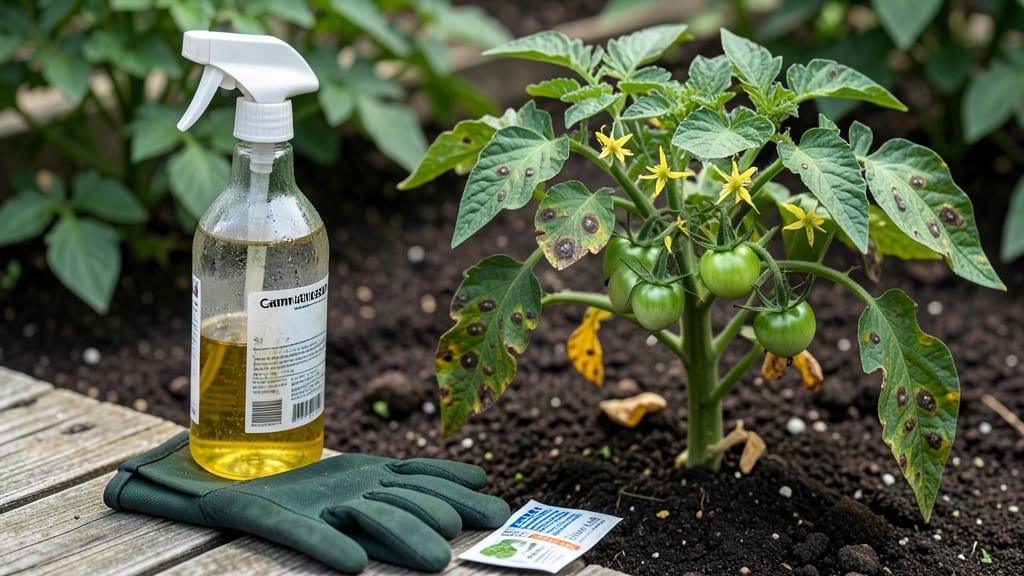
When your tomato leaves develop those telltale gray spots with yellow halos, septoria leaf spot has struck—and neem oil is your best organic defense. 🌿 I’ve battled this stubborn fungus for years, and the key lies in understanding how neem disrupts fungal spores before they spread.
Unlike chemical sprays, neem oil works by smothering spores and starving existing infections, giving plants a fighting chance.
The recipe is simple: mix 1 tablespoon of neem oil with 1 teaspoon of mild liquid soap (to help it stick) in a quart of water. Spray thoroughly on both leaf surfaces at dusk when humidity is high but before rain washes it off.
Repeat every 7–10 days until new growth appears, and always rotate with preventive cultural practices like proper spacing and watering at the base.
You’ll see results within 2–3 weeks—fewer spots, healthier foliage, and tomatoes that ripen instead of fighting disease. The real magic? This method also deters other fungal pests like powdery mildew, making it a multi-purpose shield for your garden’s most vulnerable crops.
For stubborn cases, follow up with copper fungicide or sulfur spray—but only after neem oil proves ineffective. The goal isn’t just to kill the fungus now, but to break its cycle for next season.
Trust me: once you master this, your tomatoes will thank you with bold red fruit and fewer mid-summer crises.
The Hidden Triggers Behind Leaf Spots
Septoria leaf spot isn’t just a random nuisance—it’s the result of a perfect storm of environmental and biological factors. Understanding why this fungal disease takes hold helps you disrupt its cycle before it ruins your plants.
Let’s break down the key culprits, from weather patterns to plant weaknesses, so you can spot the warning signs early.
Septoria leaf spot thrives in excess moisture, whether from rain, overhead watering, or poor drainage. Here’s why:
- Fungal spores love dampness: The Septoria tritici fungus (common in wheat) and related species release spores that germinate best when leaves stay wet for 12+ hours. Think of it like a fungal spa—too much water, and the spores throw a party.
- Poor air circulation: Dense foliage or crowded plants trap humidity, creating a microclimate where spores spread like wildfire. Even a light breeze helps reduce risk by drying leaves faster.
- Heavy dew or rain: Frequent downpours during cool, wet springs (ideal for many Septoria species) create the perfect breeding ground. If your area gets 5+ inches of rain in a week, be on alert.
Actionable fix: Water at the base of plants in the morning (not evening) and space them to improve airflow. If rain is forecasted, consider a fungicide spray as a preventive measure.
Healthy plants resist Septoria leaf spot better, but stress opens the door. Common stressors include:
- Nutrient deficiencies: Low nitrogen (N) or potassium (K) weakens cell walls, making leaves easier targets. Look for yellowing edges or purple stems—classic deficiency red flags.
- Physical damage: Pruning wounds, hail, or even insect bites create entry points for spores. The fungus exploits these like a burglar slipping through an unlocked window.
- Overcrowding: Plants competing for sunlight and nutrients grow thinner leaves, which are more susceptible to infection. Think of it as a weak immune system in plant form.
Actionable fix: Conduct a soil test and amend with compost or balanced fertilizer (e.g., 10-10-10). Prune only during dry weather to minimize wounds, and thin plants for better light exposure.
Septoria isn’t just a summer problem—it’s a year-round lurker. Here’s how it survives:
- Overwintering in debris: Infected leaves or plant residue left in soil or compost can harbor spores for months. Cold weather doesn’t kill them; it just puts them in hibernation mode.
- Windborne spread: Spores hitch rides on breezes, traveling up to 100+ feet to infect nearby plants. This is why Septoria often appears suddenly in gardens.
- Tool contamination: Pruners, rakes, or even gloves can transfer spores from infected to healthy plants. It’s like spreading a fungal virus without knowing it.
Actionable fix: Clean up all plant debris in fall (compost it only if heated to 140°F+). Sterilize tools with 70% rubbing alcohol or a 10% bleach solution between uses.
Septoria leaf spot doesn’t love extremes—it craves moderate conditions. The ideal range for spore germination and spread is:
| Factor | Optimal for Septoria | Your Goal to Prevent It |
|---|---|---|
| Temperature | 50–77°F (10–25°C) | Above 85°F (29°C) or below 40°F (4°C) |
| Humidity | 70%+ with leaf wetness | Below 60% + dry leaves |
| Rainfall | Frequent light showers | Deep watering 2–3x/week (avoid overhead) |
Actionable fix: Monitor your local weather forecasts and adjust watering schedules. If temps hover in the 60–75°F range with humidity, proactively apply neem oil or copper fungicide as a shield.
💡 Pro Tip: If you’ve had Septoria before, rotate crops annually—this breaks the fungus’s life cycle. For example, don’t plant tomatoes in the same spot where wheat or barley (common hosts) grew the year prior.
Quick Fixes for Fungal Foliage Foes
Septoria leaf spot doesn’t stand a chance when you act fast and smart. Whether you’re dealing with overcrowded plants, poor air circulation, or excess moisture, these targeted solutions will help you reclaim healthy, vibrant leaves—without breaking the bank or your back.
Below, we map the most common causes to their best fixes, plus prevention tips to keep your garden armor strong.
When plants are too close, humidity lingers, and fungal spores thrive like uninvited guests at a buffet. Fix it:
- 🔥 Prune aggressively – Remove at least 20% of dense foliage to improve airflow. Focus on the center of shrubs or the bottom of trees where moisture collects.
- 👨🍳 Thin out seedlings – If you’re growing veggies like tomatoes or basil, space them wider than the seed packet suggests (aim for 12–18 inches apart).
- 🌡️ Mulch wisely – Use straw or wood chips (not thick layers of grass clippings), keeping it 2–3 inches away from stems to prevent soil-borne spores from splashing up.
💡 Pro Tip: If pruning feels overwhelming, start with the worst-infected leaves first. You’ll see improvement in just 1–2 weeks of better airflow.
Fungal spores love damp leaves—think of them as tiny umbrellas waiting for rain. Fix it:
- 🍳 Water at the base, not overhead – Use drip irrigation or soaker hoses to keep foliage dry. Water early in the morning so leaves dry by noon.
- 🌧️ Adjust your schedule – If rain is forecasted, skip watering for 24–48 hours to avoid doubling down on moisture.
- ✨ Use a fan (yes, really!) – Place a small oscillating fan near susceptible plants (like tomatoes or peppers) for 10–15 minutes daily to speed up drying.
🎯 Prevention Hack: If you must water leaves (e.g., for dusting off pests), do it before 10 AM and use baking soda spray (1 tsp baking soda + 1 quart water + a drop of dish soap) as a preventative fungicide.
Neem oil isn’t just a preventative—it’s a powerhouse cure when applied correctly. Fix it:
🔪 DIY Neem Oil Spray Recipe (For Active Infections)
| Ingredient | Amount | Why It Works |
|---|---|---|
| 100% cold-pressed neem oil | 2 tbsp | Kills fungal spores on contact and disrupts their life cycle. |
| 1 tsp horticultural oil (optional) | 1 tsp | Boosts penetration and smothers spores. |
| 1 tsp mild liquid soap (like Castile) | 1 tsp | Acts as an emulsifier so oil sticks to leaves. |
| 1 quart water | 1 quart | Base for the spray. |
👨🍳 Application Steps:
- Mix ingredients in a spray bottle and shake vigorous.
- Spray both sides of leaves until glistening wet (focus on undersides where spores hide).
- Apply every 7–10 days or after rain until new growth is healthy.
- ⏰ Best timing: Early morning or late evening to avoid leaf burn from sun exposure.
💡 Pro Tip: For severe infections, alternate neem oil with a copper fungicide spray (like Cupric Hydroxide) every other week. Copper is not organic but works faster for stubborn cases.
Plants under stress (from nutrient deficiencies, pests, or transplant shock) are fungal magnets. Fix it:
- 📊 Feed with compost tea or fish emulsion – A balanced fertilizer (like 10-10-10) boosts immunity. Avoid high-nitrogen fertilizers, which promote soft, susceptible growth.
- 🥗 Repot or transplant if needed – If roots are crowded or soil is depleted, move plants to fresh, well-draining soil mixed with perlite.
- 🐛 Check for pests first – Spider mites, aphids, and whiteflies weaken plants and create entry points for fungi. Treat with neem oil or insecticidal soap before focusing on Septoria.
✨ Prevention Shield: Hardening off seedlings gradually before transplanting reduces shock. And never plant in soggy soil—amend with sand or coconut coir for better drainage.
Final Reminder: Consistency is key! Fungal diseases like Septoria leaf spot won’t disappear overnight, but with these fixes, you’ll see noticeable improvement in 2–4 weeks. Once your plants are healthy, shift to preventative sprays (like neem oil every 2 weeks) to keep them armored.
Frequently asked questions
Can I use neem oil on edible plants like tomatoes and cucumbers?
Neem oil is safe for edible plants when used correctly. The key is to apply it only after harvest has begun (for tomatoes, after fruit sets) and avoid spraying flowers or fruit directly. Always use 100% cold-pressed neem oil—avoid "neem cake" or low-quality oils that may contain impurities. Rinse fruit thoroughly before eating if sprayed within 24 hours.
How soon will I see results from neem oil treatment?
You should notice slowed spread within 3–5 days of consistent application, but complete recovery takes 2–4 weeks. The oil disrupts fungal spores immediately, but existing infections need time to heal. For severe cases, combine neem with copper fungicide (alternate weekly) for faster results. Monitor leaf edges—if new spots appear, increase frequency to 5–7 days between sprays.
Why does my neem oil spray keep dripping off leaves?
This happens when the oil isn't properly emulsified (mixed with water). Add 1 teaspoon of mild liquid soap (like Castile) per quart of mix to help it stick. Also, spray early morning or evening when humidity is higher—this gives the oil time to absorb before evaporation. If using hard water, distilled water works better than tap for better adhesion.
Can I mix neem oil with other fungicides?
Yes, but with caution. Neem oil plays well with copper-based fungicides and baking soda sprays, but avoid mixing it with sulfur (chemical reaction creates harmful fumes) or oil-based pesticides (can clog sprayers). For best results, alternate applications—neem one week, copper the next. Always test small areas first to check for plant sensitivity.
Will neem oil prevent Septoria leaf spot in future seasons?
Neem oil helps break the fungal cycle but isn't a standalone preventative. For long-term protection, combine it with cultural practices: remove all infected debris, rotate crops annually, and improve airflow. Apply neem as a preventative spray every 2 weeks during high-risk periods (spring rains). The oil weakens spores but won't eliminate them entirely—think of it as part of a multi-layered defense system.