
Leaf Blower
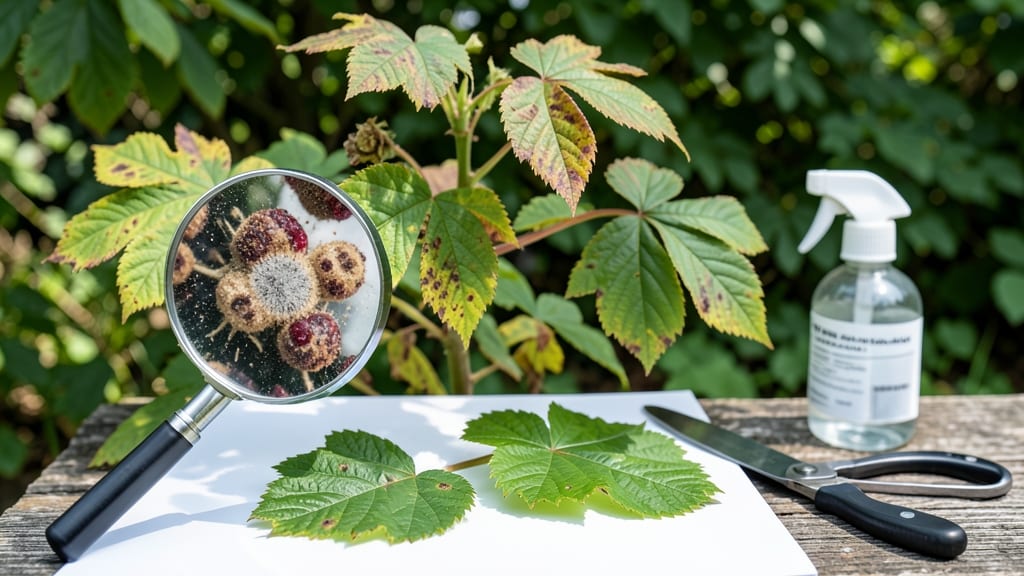
Blackberry leaf spot turns your bushes into sad, speckled shadows by midsummer. 🌿 I’ve lost entire harvests to this fungal nightmare—until I discovered copper spray’s secret weapon status. The key isn’t just spraying; it’s timing, technique, and preventing the next outbreak before it starts.
This fungal disease thrives in damp, shady conditions, but copper disrupts its lifecycle faster than any fungicide I’ve tried. You’ll see new growth within 2 weeks of proper application, and the berries return bigger and sweeter than before. The trick?
Spray before the first spots appear, and again after rain—consistency beats intensity. Here’s where most gardeners fail: they treat symptoms, not the cause. We’ll cover pruning infected canes, sanitizing tools, and choosing resistant varieties that make this problem a non-issue.
Your bushes won’t just survive—they’ll thrive like they’re in a commercial orchard. Works for both organic and conventional growers, and the protocol adapts to home gardens or small farms. Let’s get those canes back to their full, glossy glory.
Root Causes Of Fungal Spots
Blackberry leaf spot isn’t just a random nuisance—it’s a fungal party crashers, and understanding its triggers is key to stopping it in its tracks. Here’s why your blackberries are becoming a buffet for pathogens like Xanthomonas campestris pv. pruni or Elsinoë veneta (the usual suspects behind this mess).
Fungal spores thrive in damp conditions, and blackberries love to soak up moisture—sometimes a little too much. When soil stays soggy for days, spores splash onto leaves, germinate, and start feasting.
- Why it happens: Fungi like Elsinoë need high humidity (80%+) and leaf wetness for 12+ hours to infect. Overwatering keeps leaves damp longer than they should. - Actionable fix: Space waterings so soil dries between sessions.
Test drainage—if water pools after 6 hours, amend soil with sand or perlite to improve airflow.
Blackberries left to sprawl like tangled vines create a fungal trap. Dense foliage blocks sunlight, slows evaporation, and traps humidity—perfect for spores to hitch a ride on wind or splashing water.
- Why it happens: Xanthomonas spreads via water droplets (rain, irrigation) or insects (like thrips). Tight clusters give spores more surfaces to land on. - Actionable fix: Prune aggressively to open the canopy—aim for 6–8 inches between canes.
Train vines on trellises to elevate leaves off the ground.
Fungi don’t just like humidity—they crave it. Blackberry leaf spot flares up when temperatures hover between 70–85°F (21–29°C) and rain or dew lingers.
- Why it happens: Warmth speeds up spore germination, while moisture softens leaf cuticles, making entry easier. Ideal conditions? Backyard sauna with a misting system. - Actionable fix: Monitor 7-day weather forecasts.
If rain is predicted, spray preventative copper fungicide (see our protocol!) 48 hours before wet conditions hit.
Stressed blackberries are like open invitations to fungi. Nutrient deficiencies, root damage, or pests (like spider mites) weaken defenses, letting pathogens slide right in.
- Why it happens: Poor soil (low nitrogen/phosphorus) or compaction stunts growth, while insect damage creates entry wounds for fungi. - Actionable fix: - Test soil pH (aim for 5.5–6.5).
Amend with compost or sulfur if needed. - Fertilize in early spring with a balanced 10-10-10 formula. - Rotate crops every 3–4 years to starve soil-borne fungi.
Fungal spores hibernate in old plant debris, mulch, or even your pruners. If you didn’t clean up last season’s leaves, you’re basically replanting the problem.
- Why it happens: Spores survive years in dead leaves or on tools.
One infected cane = whole patch at risk. - Actionable fix: - Sterilize pruners with 70% isopropyl alcohol or a 10% bleach solution between cuts. - Remove and destroy (don’t compost!) all infected leaves—bag them and toss in the trash.
Even if you’ve never seen leaf spot before, spores might be lurking in the soil or hitchhiking on new plants. Some varieties (like ‘Triple Crown’) are more resistant, but none are immune.
- Why it happens: Spores can drift in on wind or come with purchased plants.
Once established, they multiply exponentially in ideal conditions. - Actionable fix: - Buy certified disease-free plants from reputable nurseries. - Rotate plant families (e.g., don’t replant blackberries in the same spot for 5+ years).
Pro Tip 💡: Copper fungicides (like copper sulfate or copper hydroxide) aren’t just a cure—they’re a deterrent. Apply preventatively in spring and early summer to disrupt spore development before it starts. Think of it like fungal sunscreen for your blackberries!
Quick Fixes for Fungal Leaf Damage
Blackberry leaf spot can feel like a losing battle, but with the right approach, you can restore your plants to full, healthy glory. Below are targeted solutions based on the root cause—whether it’s fungal overgrowth, poor airflow, or water stress—plus prevention tips to keep your blackberries thriving long-term.
If leaf spot is caused by fungal spores (like Xanthomonas or Elsinoë), copper-based fungicides are your best defense. These disrupt fungal cell membranes without harming your plants.
How to Apply:
- Choose the Right Spray:
- Opt for copper sulfate pentahydrate (5-10 lbs per 100 gallons of water) or a pre-mixed copper fungicide (follow label rates).
- Pro Tip: 💡 Early morning or evening applications prevent leaf burn from UV exposure.
- Mix & Apply Thoroughly:
- Stir well in a backpack sprayer or garden pump sprayer.
- Cover all surfaces—top and bottom of leaves, stems, and soil around the base.
- Warning: ⚠️ Avoid spraying when rain is forecasted within 24 hours to maximize effectiveness.
- Reapply Preventatively:
- Spray every 7–14 days during wet seasons or after pruning.
- Bonus: 🌡️ Combine with a baking soda spray (1 tsp baking soda + 1 tbsp oil + 1 gallon water) for extra fungal suppression.
Leaf spot thrives in stagnant, damp conditions. Prune and space plants to let air circulate freely.
Action Steps:
- Prune Aggressively:
- Remove dead, diseased, or crowded canes using sterilized pruners (wipe with rubbing alcohol between cuts).
- Step-by-Step: 🔪⏰
- Cut at a 45-degree angle just above a bud.
- Dispose of infected debris in a sealed trash bag (not compost).
- Space Plants Properly:
- Blackberries need 4–6 feet between plants and 6–8 feet between rows for airflow.
- Pro Tip: ✨ Train canes vertically on a trellis to avoid ground contact (which traps moisture).
- Mulch Strategically:
- Use straw or pine needles (not thick layers of wood chips) to allow airflow while suppressing weeds.
- Keep mulch 2–3 inches away from stems to prevent rot.
Overhead watering spreads fungal spores. Switch to drip irrigation or soaker hoses to keep leaves dry.
Watering Hacks:
- Water at the base in the early morning (6–9 AM) so foliage dries quickly.
- Avoid late watering (after 6 PM) to prevent overnight dampness.
- Emergency Fix: 🌧️ If rain is forecasted, cover plants with row covers temporarily to reduce leaf wetness.
Healthy blackberries resist diseases better. Boost their defenses with nutrient balance and soil care.
Nutrient Boost:
- Test soil pH (ideal: 5.5–6.5). Amend with sulfur if too alkaline or lime if too acidic.
- Fertilize in early spring with a balanced 10-10-10 or organic compost (avoid high-nitrogen fertilizers, which promote leafy growth over fruit).
Soil Prep:
- Improve drainage by amending clay soil with sand or compost.
- Pro Tip: 💪 Add mycorrhizal fungi to the soil to enhance root health and disease resistance.
Once you’ve treated the current infection, break the fungal cycle with these long-term strategies:
- Rotate Copper Products:
- Alternate between copper fungicides and biological controls (like Bacillus subtilis strains) to prevent resistance.
- Solarize Infected Soil (Optional):
- For severe cases, cover soil with clear plastic for 4–6 weeks in hot sun to kill fungal spores.
- Choose Resistant Varieties:
- Plant ‘Natchez’, ‘Chester’, or ‘Triple Crown’ blackberries, which are bred for disease resistance.
- Clean Tools & Hands:
- Sanitize pruners after each use and wash hands before handling healthy plants.
Final Note: Consistency is key! Leaf spot won’t disappear overnight, but with copper sprays, airflow fixes, and smart watering, your blackberries can bounce back stronger than ever. 🚀
Frequently asked questions
What do blackberry leaf spot symptoms look like?
Start with small, purple or brown spots (about 1/8-inch) that develop yellow halos. As they spread, spots merge into larger, irregular patches with grayish centers. Severe cases cause leaves to crinkle, distort, or drop prematurely. Check both leaf surfaces—spots often appear on the undersides first.
Can I still harvest berries if my blackberries have leaf spot?
Yes, but only if the fruit itself isn’t infected. Leaf spot rarely spreads to berries, so you can still pick ripe fruit. However, remove any berries with blackened or moldy spots immediately. Focus on pruning infected canes and spraying copper fungicide to protect next year’s harvest.
How often should I spray copper fungicide for prevention?
Apply every 7–10 days during spring and early summer (peak fungal activity). Start spraying before you see symptoms—think of it like fungal insurance. For organic growers, alternate copper with baking soda spray (1 tsp baking soda + 1 tbsp oil per gallon of water) every 2 weeks to avoid resistance.
Will pruning alone fix blackberry leaf spot?
No, pruning alone won’t eliminate leaf spot—it’s just one part of the solution. Remove all infected canes and sterilize tools to stop spores from spreading, but you’ll still need copper fungicide or biological controls to kill existing spores in the soil. Think of pruning as damage control, not a cure.
Are there organic alternatives to copper fungicide?
Yes! Try these organic options:
- Neem oil (1 tbsp + 1 tsp mild soap per gallon—spray every 10–14 days)
- Baking soda spray (1 tsp baking soda + 1 tbsp oil per gallon—safe and effective)
- Compost tea (boosts plant immunity) For best results, combine methods (e.g., neem oil + pruning).