
Pests and Diseases
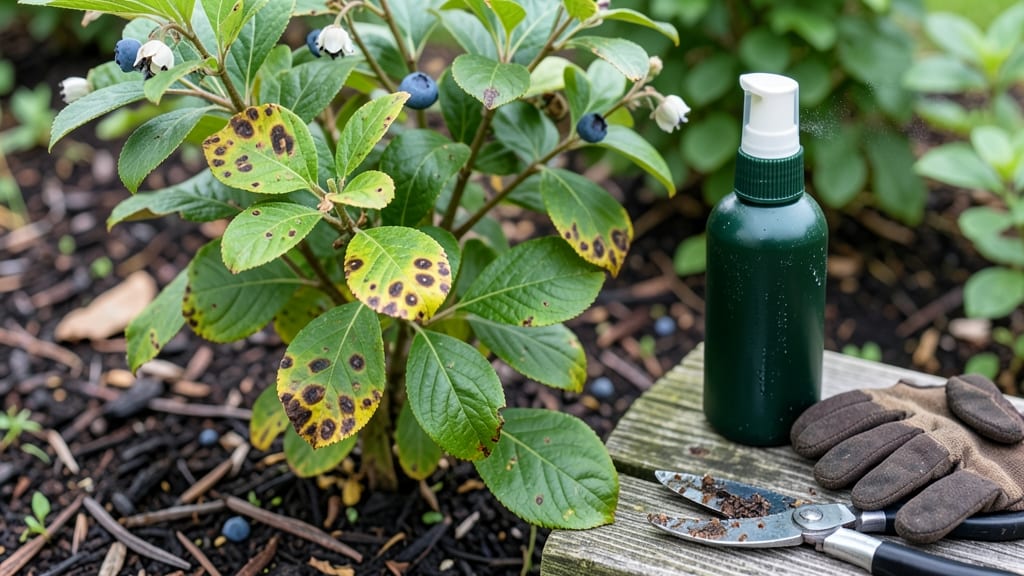
Blueberry leaf disease can turn your bushes into a defoliated mess if you wait too long. 🌿 I’ve seen anthracnose and bacterial leaf spot wipe out entire harvests—until I learned to spot the early signs (tiny dark spots, yellowing edges) and act fast with targeted treatments.
Overwatering, poor airflow, and old leaves create the perfect storm for fungal growth. The moment you see those first spots, prune infected foliage immediately and thin branches to improve airflow—this cuts off the disease’s food source and dries leaves faster.
You’ll stop the spread in its tracks with a mix of copper fungicide (for severe cases) or neem oil (organic option). Spray leaves thoroughly in the morning when humidity is lower, and repeat every 7–10 days until new growth appears.
Prevention is easier than cleanup: remove fallen leaves in fall, space bushes properly, and water at the base—not overhead. A few minutes now saves hours of work later, and your bushes stay productive for years.
Root Causes Of Leaf Fungus
Fungal infections on blueberry leaves don’t just appear out of thin air—they thrive due to a mix of environmental stress, poor plant health, and microbial opportunism. Understanding these triggers is key to stopping outbreaks before they ruin your harvest.
Below, we break down the primary causes of leaf fungus in blueberries, backed by science and actionable insights.
Fungi like Elsinoë (the culprit behind blueberry leaf spot) and Colletotrichum love damp, stagnant air. When blueberry bushes grow too densely, airflow is restricted, creating the perfect microclimate for spores to germinate.
- Why it happens:
- Thick foliage traps moisture, keeping leaves wet for prolonged periods—fungi need at least 9–12 hours of leaf wetness to infect.
- Pruning gaps or dead branches block sunlight, weakening leaves and making them more susceptible to invasion.
- Rain or overhead irrigation splashes spores from infected leaves onto healthy ones, accelerating spread.
- Actionable fix:
- Prune bushes in late winter to open the canopy and improve airflow.
- Avoid high-density planting—space bushes 4–6 feet apart for optimal airflow.
- Use drip irrigation instead of sprinklers to keep foliage dry.
Blueberries are water-loving plants, but too much moisture—especially on leaves—turns them into fungal buffets. Fungal spores germinate and spread rapidly when leaves stay damp.
- Why it happens:
- Overwatering saturates soil, leading to root stress and weakened leaves.
- Heavy dew or prolonged rain (especially in humid climates) creates ideal conditions for spore germination.
- Poor drainage in containers or compacted soil keeps roots waterlogged, stressing the plant’s immune response.
- Actionable fix:
- Water deeply but infrequently—aim for 1–1.5 inches per week, adjusting for rain.
- Ensure well-draining soil (sandy loam with pH 4.5–5.5) to prevent waterlogging.
- Apply mulch (pine needles or straw) to reduce soil splash onto leaves.
Fungi are patient invaders. Spores can linger in soil, old plant debris, or even windborne from nearby infected bushes for years.
- Why it happens:
- Spores overwinter in dead leaves, mulch, or soil, ready to infect when conditions are right.
- Buying or planting infected nursery stock introduces the problem directly to your garden.
- Wild blueberries or nearby infected crops (like raspberries) can cross-contaminate your plants.
- Actionable fix:
- Remove and destroy (don’t compost!) infected leaves year-round.
- Rotate crops if possible, or sterilize soil with solarization or fungicide before replanting.
- Inspect new plants for spots or discoloration before purchasing.
When blueberries are nutritionally weak or shocked by temperature fluctuations, their defenses drop—inviting fungal invaders.
- Why it happens:
- Sudden cold snaps or heatwaves stress plants, slowing growth and reducing resistance.
- Low phosphorus or potassium weakens cell walls, making leaves easier targets.
- Excess nitrogen promotes soft, lush growth that’s more prone to fungal attack.
- Actionable fix:
- Apply a balanced fertilizer (e.g., 10-10-10) in early spring to boost defenses.
- Avoid late-season nitrogen—switch to potassium-rich fertilizers for winter hardiness.
- Mulch with pine needles to moderate soil temperature and reduce stress.
💡 Pro Tip: The best defense is prevention. Monitor your bushes weekly for early signs (tiny purple or brown spots) and act fast—fungicides like copper fungicide or neem oil work best when applied at first sight of trouble.
Fix Fungal Foliage Flaws Fast
Blueberry bushes are resilient, but when fungal leaf diseases strike, quick action is key to saving your harvest. Below are practical, step-by-step solutions tailored to the most common causes—fungal infections, environmental stress, and poor cultural practices—plus prevention tips to keep your bushes thriving.
Fungal diseases like anthracnose, leaf spot, or powdery mildew thrive in damp, shaded conditions. Here’s how to stop the spread and restore your blueberries:
🔪 Step 1: Remove Infected Leaves
- Snip off yellowed, spotted, or wilting leaves immediately—don’t compost them (fungi can survive!). Toss them in the trash or burn them (if safe in your area).
- Focus on lower branches first, where moisture lingers.
Use sterilized pruners (wipe with rubbing alcohol between cuts) to avoid cross-contamination.
💧 Step 2: Improve Airflow & Light
Fungi love humidity. Break up dense foliage by:
- Thinning out branches (remove 10–20% of the bush) to let sunlight and air circulate.
- Space plants 4–6 feet apart if overcrowding is an issue.
- Water at the base (avoid overhead sprinkling) and water early in the day so leaves dry quickly.
🛡️ Step 3: Apply Fungicides (Organic & Chemical Options)
| Method | How to Use | Best For |
|---|---|---|
| Neem oil | Mix 1–2 tbsp per gallon of water + a drop of dish soap. Spray evenly on leaves (undersides too!). Repeat every 7–10 days. | Early-stage infections, prevention |
| Baking soda spray | 1 tsp baking soda + 1 tbsp oil + 1 quart water. Spray weekly on dry leaves. | Powdery mildew, mild leaf spot |
| Copper fungicide | Follow label rates (e.g., Cheshunt Compound). Apply at first sign of rust or spot. | Severe fungal outbreaks |
| Potassium bicarbonate | 1 tbsp per gallon of water. Spray every 10 days until symptoms fade. | Anthracnose, general fungal control |
⚠️ Pro Tip: Always test fungicides on a small area first—some can burn leaves if overused. Rotate between neem oil and copper to prevent resistance.
🌡️ Step 4: Adjust Growing Conditions
- Raise garden beds or use drip irrigation to reduce soil splash onto leaves.
- Mulch with straw or pine needles (not wood chips, which retain moisture).
- Avoid nitrogen-heavy fertilizers—they promote lush, fungus-loving growth.
Instead, use a balanced 10-10-10 or compost tea in early spring.
Poor drainage, extreme heat, or sudden cold snaps weaken leaves, making them susceptible to secondary infections. Fix these environmental triggers:
💡 Step 1: Check Soil & Drainage
- Test your soil pH (blueberries need 4.5–5.5). Amend with sulfur or peat moss if too alkaline.
- Improve drainage by adding sand or perlite to heavy clay soil. Raise beds if water pools after rain.
🌡️ Step 2: Shield from Temperature Swings
- Mulch heavily in winter (4–6 inches of straw) to protect roots from freezing.
- Use shade cloth (30–50%) in hot climates to prevent leaf scorch.
- Move potted blueberries to a sheltered spot if frost is forecast.
🌱 Step 3: Strengthen the Plant
- Fertilize with micronutrients (iron, manganese, zinc) to boost immunity. Try Epsom salt (magnesium sulfate)—1 tbsp per gallon of water, sprayed on leaves.
- Prune for light—remove crossing branches and suckers to reduce stress.
An ounce of prevention is worth a pound of cure! Follow these long-term strategies to minimize future outbreaks:
🔄 Rotate Fungicides
- Never use the same fungicide more than 2–3 times per season. Fungi adapt—switch between neem, copper, and baking soda to stay ahead.
🌿 Plant Disease-Resistant Varieties
Some blueberries are naturally tougher against fungal diseases. Try:
- ‘Duke’ (resistant to mummy berry)
- ‘Bluecrop’ (tolerates humidity better)
- ‘Jersey’ (good for wet climates)
🧼 Sanitize Tools & Hands
- Wipe pruners with rubbing alcohol between bushes.
- Wash hands after handling infected plants to avoid spreading spores.
🍃 Companion Planting
- Plant garlic or chives nearby—their antifungal properties deter fungi.
- Avoid planting near raspberries or strawberries, which share diseases.
📅 Year-Round Care Calendar
| Season | Task |
|---|---|
| Early Spring | Prune out dead wood, apply dormant oil spray (optional). |
| Late Spring | First fungicide spray (neem oil) after blooming. |
| Summer | Monitor weekly, thin foliage, adjust watering. |
| Fall | Rake up all fallen leaves, add winter mulch. |
| Winter | Inspect stored tools for mold; clean before spring. |
💡 Final Tip: If 50%+ of leaves are severely infected, consider replacing the bush—some fungal diseases (like mummy berry) can persist in the soil. Start fresh with a healthy, disease-free plant for next season!
By acting fast and strategically, you can reverse leaf damage and protect your blueberry harvest. Healthy leaves = happy berries! 🫐
Frequently asked questions
What are the first signs of blueberry leaf disease I should watch for?
Look for tiny purple, brown, or black spots on leaves—often with yellow halos. These appear first on lower branches where moisture lingers. Early detection is key: if you see just a few spots, prune them immediately and apply neem oil to prevent spread.
Can I still harvest berries if the leaves have fungal spots?
Yes, but only if the fruit itself is healthy. Fungal leaf diseases rarely spread directly to berries, so you can still pick ripe fruit. However, remove all infected leaves first to protect next year's crop. Always wash berries thoroughly before eating.
How often should I spray fungicide if my blueberries keep getting leaf spots?
Spray every 7–10 days during active growth (spring to summer) if you see new spots. Rotate between neem oil and copper fungicide to prevent resistance. Stop spraying 2–3 weeks before harvest to avoid residue on berries.
Will pruning help prevent blueberry leaf disease?
Prune in late winter to remove dead/diseased branches and improve airflow. Thin out crowded areas to let sunlight reach all leaves. This alone can cut fungal risk by 50%—just sterilize your pruners with rubbing alcohol between cuts.
Can I save a severely infected blueberry bush?
If more than 50% of leaves are infected, the bush may not recover. Remove it completely to prevent soil contamination. Replace with a disease-resistant variety like 'Duke' or 'Bluecrop' in a different location. Start fresh with healthy soil and proper spacing.