
Diseases
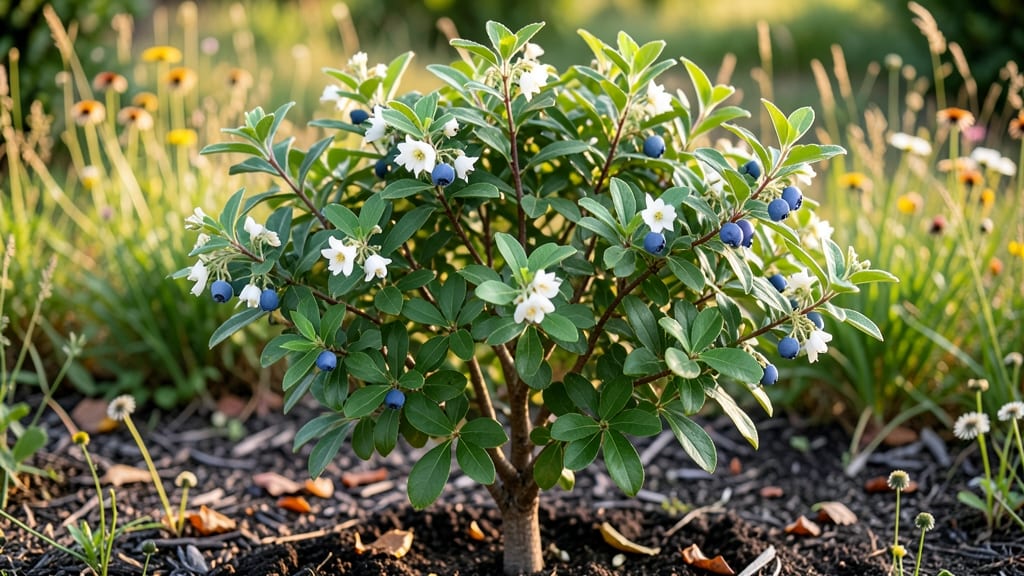
Mastering blueberry leaf identification can save your harvest before diseases like anthracnose or mummy berry take hold.
If your blueberry bushes are showing mysterious spots, curling edges, or unusual discoloration, you might be dealing with a disease that could wipe out your harvest—before you even notice. Learning to identify blueberry leaf symptoms early is the key to saving your plants and your crop.
Most gardeners wait until the leaves look terrible to act, but by then it’s often too late. The good news? Spotting these issues early—when leaves first show yellowing, brown patches, or strange textures—lets you treat them before they spread.
In this guide, I’ll walk you through 7 common blueberry leaf diseases, how to tell them apart, and what to do next to protect your bushes—so you can enjoy a bountiful harvest in July and August.
7 Most common blueberry leaf diseases and their visual identification guide
Blueberry bushes are resilient, but their leaves can quickly become battlegrounds for fungal invaders and environmental stressors. Identifying diseases early means the difference between a thriving harvest and a shrub struggling to recover.
I’ve seen anthracnose turn vibrant green leaves into skeletal remains within weeks if left unchecked, and powdery mildew smother entire branches in white fuzz. The key is spotting these diseases before they spread—here’s how to recognize them by their unique visual signatures.
Start by examining the leaf surface, edges, and undersides for telltale patterns. Color changes like yellowing, browning, or grayish hues are red flags, as are unusual textures—think powdery coatings, oily spots, or raised pustules. I always check the youngest leaves first, since diseases often appear there before spreading.
Grab a magnifying glass if needed; some symptoms, like rust spores, are microscopic but devastating. The sooner you act, the better your blueberries’ chances of survival.
Pro Tip: Compare suspicious leaves to healthy ones side by side. Healthy blueberry leaves are deep green, glossy, and free of blemishes. Any deviation—spots, curls, or discoloration—could signal trouble. I keep a small notebook by my garden to log symptoms and track progression over days. This helps me confirm whether I’m dealing with a fungal infection, bacterial issue, or even an environmental stressor like nutrient deficiency.
| Disease Name | Visual Symptoms | Affected Area | Progression | Color Code |
|---|---|---|---|---|
| Anthracnose | Dark brown/black spots with yellow halos; leaves may drop prematurely | Upper leaf surface, margins | Spots expand, merge; defoliation by late summer | 🟣 |
| Powdery Mildew | White, powdery coating on leaves; leaves may yellow | Upper and lower surfaces | Spreads rapidly in humid conditions; stunts growth | ⚪ |
| Rust | Orange-brown pustules on undersides; yellowing above | Lower leaf surface | Pustules rupture, release spores; weakens plant | 🟠 |
| Botrytis Blight | Grayish-brown, fuzzy patches; leaves may wilt | Leaf edges, flowers, fruit | Spreads in wet conditions; causes rot | 🟤 |
| Leaf Spot | Small, circular brown/black spots with white centers | Upper surface, scattered | Spots multiply; leaves yellow and drop | 🟤 |
| Mummy Berry | Dark, shriveled berries; leaves may show brown spots | Fruit, leaves (secondary) | Berries mummify; spores infect next season | 🔴 |
| Iron Chlorosis | Yellowing between veins; green veins remain |
How to confirm a blueberry leaf disease diagnosis at homeWhen your blueberry bushes show concerning symptoms like yellowing leaves or black spots, a quick diagnosis can prevent disaster. You don’t need a lab to start—just a few simple tools and a sharp eye. I’ll walk you through a step-by-step process to confirm whether your plant is battling fungal infections, bacterial diseases, or environmental stress. Let’s get started! First, gather your supplies: a magnifying glass, rubbing alcohol (70% or higher), a paper towel, and a plastic bag. These tools will help you examine leaf samples closely and test for pathogens. Work in a well-lit area to spot subtle differences in leaf color or texture. If you’re unsure about any step, I’ll guide you through it. Next, carefully collect affected leaves and a few healthy leaves for comparison. Place them in the plastic bag to keep them fresh. Avoid touching the undersides of leaves, as many diseases start there. Label your bag with the date and symptoms you’re investigating—this will help track progress if the issue persists. Step-by-Step Diagnosis Guide
If your leaves show signs of fungal infections like powdery mildew or anthracnose, act fast. Prune affected branches and apply a baking soda spray (1 tsp baking soda + 1 quart water + a drop of dish soap). For bacterial diseases, remove infected leaves immediately and sterilize your pruners with rubbing alcohol. When in doubt, don’t hesitate to reach out to a local extension office or master gardener program. They can provide tailored advice and may even test your samples for free. Early intervention is the best defense against blueberry leaf diseases—your future harvest depends on it! Remember, even the best gardeners face challenges. The key is staying proactive and observant. With these steps, you’ll be well on your way to keeping your blueberry bushes thriving and productive for years to come. Happy diagnosing! |