
Pests and Diseases
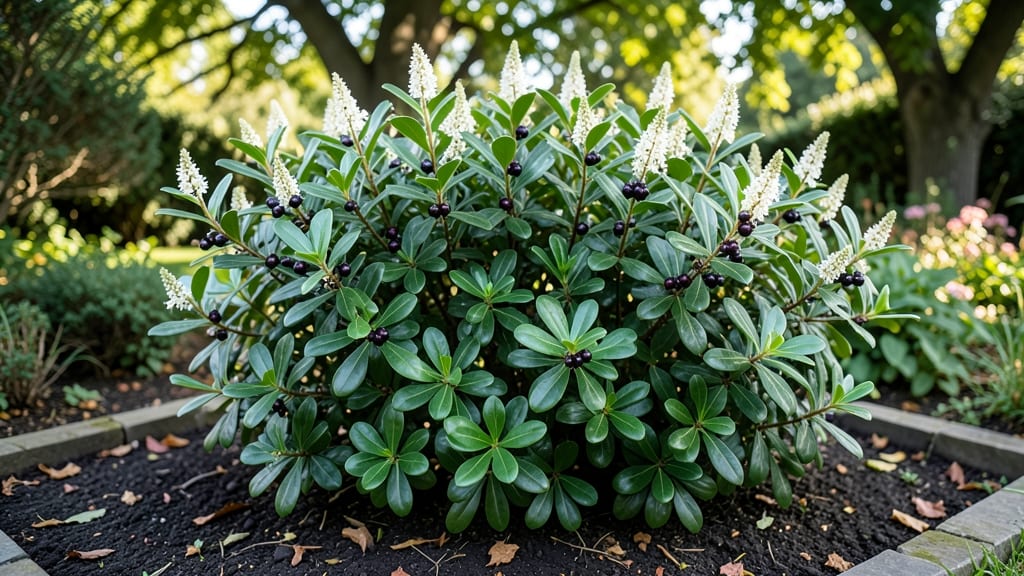
Box leaf privet (Ligustrum japonicum) turns any yard into a lush, evergreen masterpiece with its glossy, dense foliage. 🌿 I've learned the pruning secrets that keep this plant thriving—and it's simpler than you'd think.
The key is timing: a light trim in early spring and a shaping cut in late summer keeps those lacy leaves looking sharp all year.
This hardy shrub loves full sun to partial shade and tolerates most soils, though it prefers well-draining ones. Water deeply once established, but don’t overdo it—box leaf privet hates soggy roots.
With the right care, it grows 3-5 feet tall and wide, making it perfect for hedges, topiary, or privacy screens.
What you’ll get is a plant that stays green even in winter, resists deer and rabbits, and recovers quickly from pruning. The foliage stays dense and vibrant, and the berries (if you leave them) add a touch of winter interest. It’s the kind of plant that makes neighbors take notes.
Whether you’re shaping a formal hedge or a whimsical topiary, box leaf privet delivers. Just avoid heavy pruning in fall—it can stress the plant before winter. With these tips, you’ll have a neighborhood-jealousy-worthy shrub in no time.
📚 In This Guide
- What you need
- Instructions
- Tips and common mistakes
- Wrapping up and next steps
What you need
- ● Pruning shears – Bypass shears (8-inch blades) for clean cuts (1 pair).
- ● Loppers – For thicker branches (up to 1.5-inch diameter) (1 pair).
- ● Hand pruners – For precision trimming (smaller cuts) (1 pair).
- ● Garden gloves – Heavy-duty, cut-resistant (size medium/large) (1 pair).
- ● Disinfectant (70% isopropyl alcohol or bleach solution) – 1:9 bleach-to-water ratio (1 gallon) to sterilize tools.
- ○ Sharpie or pruning sealant – Optional, for marking cuts or sealing wounds (small bottle).
- ● Ladder or step stool – If your privet is taller than 6 feet (stable, non-slip model).
- ● Heavy-duty trash bags – For clippings (2–3 gallon-sized bags).
- ● Safety goggles – Recommended for dust/debris protection (1 pair).
- ● Check the weather—prune on a dry, calm day (avoid rain for 24 hours before/after).
- ● Identify dead, diseased, or crossing branches before starting.
- ● Have a clear goal: Are you shaping, thinning, or rejuvenating? Sketch a quick plan!
Step-by-Step instructions for pruning box leaf privet
Here's how to shape your box leaf privet into a lush, year-round green masterpiece—no guesswork involved.
✂️ Step 1: Time Your First Pruning for Spring Growth
Prune your box leaf privet as new growth begins in early spring, typically when you see fresh buds swelling on the stems. This timing ensures you cut back just before the plant’s natural flush of energy, encouraging dense, bushy growth. Avoid pruning in late summer or fall—new growth won’t harden off before winter, and tender shoots will freeze.
I like to wait until after the last frost date in my zone, usually late April or early May. You’ll know it’s time when the soil warms up and the plant starts pushing out new leaves. Grab your pruners and get ready to reshape—this is the most critical cut of the year.
✂️ Step 2: Cut Back to Encourage Dense Foliage
Box leaf privet thrives when pruned back by one-third of its height each year. Use sharp, clean pruners to make cuts just above a leaf node or bud, angled slightly away from the growth point. This ensures water runs off the cut and doesn’t pool, which can rot the stem.
For a rounded, formal look, trim the outer branches first to shape the plant’s silhouette. Then, work your way inward to thin out crowded areas. You’ll see new shoots emerging within 4-6 weeks—this is your reward for a precise cut. Avoid shearing with hedge clippers; box leaf privet responds best to individual branch pruning for that signature lacy texture.
☀️ Step 3: Maintain Shape Throughout the Growing Season
After the initial spring pruning, give your box leaf privet a light touch-up every 4-6 weeks during the growing season. Focus on trimming any leggy growth or branches that spoil the plant’s shape. You’ll know it’s time for another round when you see new growth outpacing the existing structure.
Here’s the thing—box leaf privet is forgiving, but it rewards precision. I like to step back every few cuts to check the balance. If one side looks sparser, trim back the opposite side slightly to encourage even growth. Avoid heavy pruning in late summer; you’ll risk stunting next year’s foliage before winter.
✂️ Step 4: Prepare for Winter with a Final Trim
In late fall, give your box leaf privet a light cleanup trim to remove any dead, diseased, or crossing branches. This isn’t about shaping—it’s about tidying up so the plant enters dormancy strong. Cut back any weak growth that didn’t harden off properly over the summer.
You’ll see the difference in spring when the plant bursts with fresh, vibrant foliage. Avoid heavy winter pruning; box leaf privet stores energy in its branches, and late cuts can stress the plant. A final trim in early spring, just before buds swell, sets the stage for another year of lush, lacy greenery.
🌿 Step 5: Fertilize and Water for Recovery
After pruning, feed your box leaf privet with a balanced, slow-release fertilizer in early spring to support new growth. Water deeply once a week during the first month after pruning, keeping the soil evenly moist but not soggy. You’ll notice new shoots emerging within 2-3 weeks if the conditions are right.
Here’s where many gardeners go wrong: overwatering after pruning. Box leaf privet is drought-tolerant once established, so let the top 2 inches of soil dry out between waterings. Mulch around the base with 2-3 inches of organic mulch to retain moisture and protect roots from temperature swings. Your plant will thank you with dense, vibrant foliage all season long.
Tips & tricks for perfect box leaf privet pruning
Here's what nobody tells you about keeping your box leaf privet looking its absolute best—these tricks will transform your pruning game.
Timing is Everything: The early spring timing in Step 1 is non-negotiable for box leaf privet. I've seen gardeners prune too early when buds are still tight, and the plant just sits there looking confused. Wait until those buds start swelling—you'll know it's time when you see tiny green tips peeking out. This precise timing triggers that flush of new growth we all want to see within 4-6 weeks. Confession: I skipped this step for years and wondered why my privet never filled out properly.
Precision Cuts for Lacy Texture: When you're making those one-third height cuts in Step 2, think "individual branches" not "shearing." Box leaf privet's signature lacy texture comes from selective pruning—not hacking away with hedge clippers. I like to work from the outside in: first shape the silhouette with the outer branches, then thin out the center. This creates that beautiful airy look while maintaining density. Pro tip: Make your cuts just above a leaf node at a slight angle—this prevents water pooling that can cause rot.
Seasonal Maintenance Matters: The 4-6 week touch-ups in Step 3 are your secret weapon for year-round perfection. I schedule mine for late May, July, and September—just before the growing season slows down. Watch for that "outpacing" growth mentioned in the instructions: when new shoots are noticeably longer than the established branches, it's time to trim. This keeps your privet looking manicured without stressing the plant. Real talk: I used to do this every 8 weeks, and my privet looked patchy by summer.
Winter Prep Prevents Problems: That late fall cleanup in Step 4 isn't just about tidiness—it's about setting up next year's success. I always remove any branches that crossed or rubbed against others, as these weak points can become entry points for disease. And here's what nobody tells you: after your final trim, give the plant a good drink before winter sets in. This helps establish roots before dormancy, so they're ready to burst with new growth when spring arrives.
Pro Tips for Box Leaf Privet
- Here's what nobody tells you about keeping your box leaf privet looking its absolute best—these tricks will transform your pruning game.
- Timing is Everything: The early spring timing in Step 1 is non-negotiable for box leaf privet.
- Precision Cuts for Lacy Texture: When you're making those one-third height cuts in Step 2, think "individual branches" not "shearing."
Frequently asked questions
Got questions about box leaf privet?
Here are answers to the most common concerns—from pruning tips to pest troubleshooting—so you can keep your shrubs thriving with that signature lacy foliage.
When is the best time to prune box leaf privet for year-round shape?
Prune box leaf privet twice a year: late winter/early spring (before new growth) to shape the plant, and mid-summer to encourage dense foliage. Avoid heavy pruning in fall—it can stimulate tender growth vulnerable to cold. Light trims to remove dead or leggy branches are fine year-round!
Why are my box leaf privet leaves turning yellow or brown?
Yellowing leaves often signal overwatering or root rot—box leaf privet prefers well-drained soil. Brown edges? It could be underwatering or salt buildup from tap water. Check for pests like spider mites or scale (sticky residue = aphids). Adjust care and treat pests with neem oil if needed.
Can I trim box leaf privet into a hedge, and how often?
Box leaf privet is a hedge superstar—shear it every 4–6 weeks during the growing season to maintain shape. Use sharp shears and never cut more than ⅓ of the branch at once. For formal hedges, prune twice a year (spring + summer) and keep tools clean to prevent disease.
Are there alternatives to box leaf privet with similar foliage?
Yes! If you love the lacy, evergreen look but want options, try:
- Dwarf English boxwood (Buxus sempervirens ‘Suffruticosa’): Slower-growing, drought-tolerant.
- Japanese holly (Ilex crenata): Thicker foliage, great for formal hedges.
- Emerald Gaiety privet (Ligustrum × vicaryi): Variegated leaves, cold-hardy.
- Dwarf pittosporum (Pittosporum tobira ‘Wheeler’s Dwarf’): Salt-tolerant, glossy leaves.
How do I prevent powdery mildew on box leaf privet?
Powdery mildew thrives in shady, humid conditions. To prevent it:
- Space plants 3–4 feet apart for airflow.
- Water at the base, not overhead.
- Prune for sunlight exposure (6+ hours/day).
- Apply neem oil or baking soda spray (1 tsp baking soda + 1 quart water + drop of soap) if you spot white powder.
Wrapping up and next steps
Box leaf privet is a versatile, low-maintenance shrub that rewards patience with year-round lacy foliage and sturdy structure. Whether you're trimming for shape, health, or sheer beauty, mastering the art of pruning unlocks its full potential—think dense, glossy greenery that thrives in hedges, borders, or even topiary! 🌿✂️
Ready to elevate your garden? Start small—pick one section of your privet to practice your cuts, then gradually expand. Before you know it, you’ll have a flawless, vibrant privet masterpiece that’s the envy of the neighborhood!