
Leaf Blower
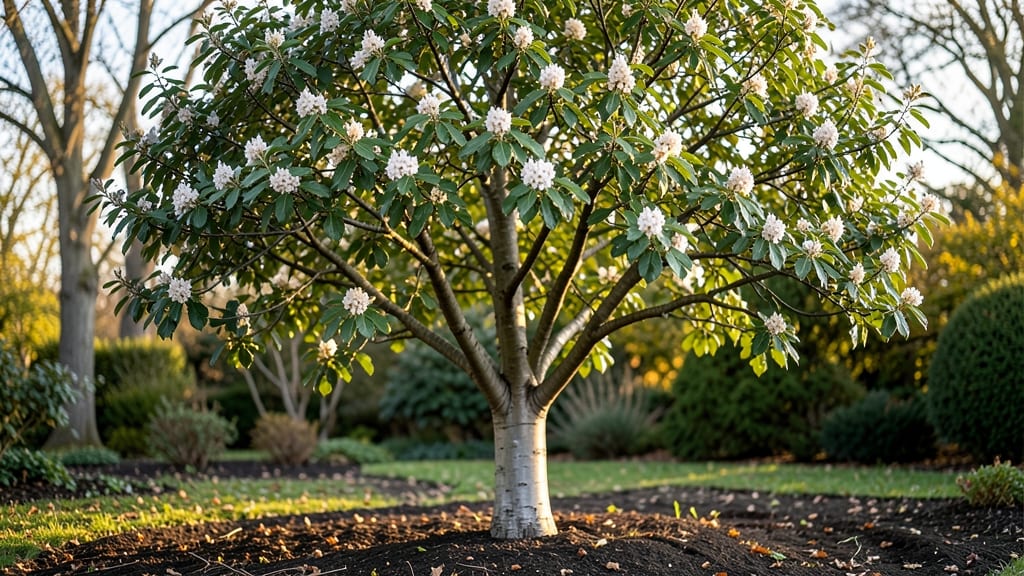
The distinctive Bradford pear leaf shape includes 3-5 rounded lobes with serrated edges and a glossy dark green surface, closely resembling a miniature oak leaf. This unique foliage pattern makes it easy to identify this popular ornamental tree.
The Bradford pear's leaf shape isn't just visually striking—it's a key identifier when comparing it to other trees. 🌿 These leaves typically grow 2-4 inches long, with the lobes often appearing slightly uneven, creating a natural, organic look.
Unlike oak leaves, which have more pronounced veins, Bradford pear leaves feature subtle vein patterns that add to their delicate appearance. What's interesting is how the leaf shape changes slightly with age, becoming more lobed as the tree matures.
This distinctive foliage isn't just for show—it plays a role in the tree's overall health. The glossy surface helps repel water, reducing fungal diseases, while the lobed shape maximizes sunlight exposure for optimal photosynthesis.
When caring for a Bradford pear, paying attention to these leaf characteristics can help you spot early signs of stress or disease before they become serious problems.
💡 In This Article
- How to Recognize Bradford Pear Leaf Structure
- Caring for Trees with Bradford Pear Leaf Characteristics
How to recognize Bradford pear leaf structure
The Bradford pear's leaf structure is defined by its 3-5 rounded lobes, each separated by shallow notches that create a scalloped effect along the leaf's perimeter. These lobes typically measure between 1-2 inches wide, with the central lobe often being the largest.
The edges feature fine, saw-like serrations that run parallel to the leaf's main veins, giving them a textured appearance when viewed up close. This lobed pattern helps distinguish Bradford pears from their close relative, the Callery pear, which often has more pronounced, jagged serrations and fewer lobes.
The leaf's glossy dark green surface is another key identifier, created by a waxy cuticle that reflects light and helps repel water. This sheen becomes especially noticeable when leaves are wet, creating a subtle rainbow effect called iridescence.
The undersides of the leaves are slightly paler, with a network of fine veins that branch out from a central midrib. Interestingly, young leaves emerge with a reddish tint before maturing to their signature green, a trait that can help identify seedlings.
The leaf shape also varies slightly depending on sunlight exposure—shadier branches produce leaves with more rounded lobes, while sun-exposed leaves develop slightly more pronounced indentations.
Seasonal color changes provide additional clues for identification. In spring, new growth appears bright green with reddish undertones, while autumn brings a warm transition to yellow or orange before leaves fall. This seasonal shift contrasts with oak leaves, which typically turn brown.
The leaf arrangement on Bradford pears is alternate, meaning each leaf grows at a different node along the stem, creating a staggered pattern that's easily visible when looking at branches. This arrangement helps maximize light absorption while maintaining the tree's distinctive silhouette.
When comparing Bradford pear leaves to similar species, the Callery pear often has more pointed lobes and deeper serrations, while oak leaves feature more pronounced veins and a more irregular shape. The Bradford pear's lobes are generally more symmetrical and rounded, resembling a smaller version of a white oak leaf.
This similarity to oak foliage is one reason Bradford pears are sometimes called "ornamental oaks," though their overall tree structure and fruit production make them distinctly different species.
The leaf's texture is also important—when rubbed between fingers, the surface feels slightly leathery, a characteristic shared with many members of the pear family.
Understanding these structural details helps gardeners and arborists make accurate identifications, especially when dealing with hybrid varieties. The Bradford pear's leaf shape isn't just about aesthetics—it plays a functional role in the tree's ability to regulate water loss and photosynthesis.
The lobed structure creates microclimates that can trap moisture, while the serrated edges increase surface area for gas exchange. This combination makes the leaves particularly efficient at converting sunlight into energy, which is why Bradford pears grow so vigorously in urban landscapes where other trees might struggle.
For those interested in botanical details, the leaf's technical name in plant taxonomy is Pyrus calleryana 'Bradford', with the foliage classified as simple and alternate.
The leaf base typically tapers to a rounded or slightly heart-shaped attachment point, while the tip comes to a gentle point rather than a sharp apex.
These subtle characteristics become more apparent when examining leaves under magnification, revealing intricate patterns in the vein structure that contribute to the tree's overall health and resilience. 🌿