
How To
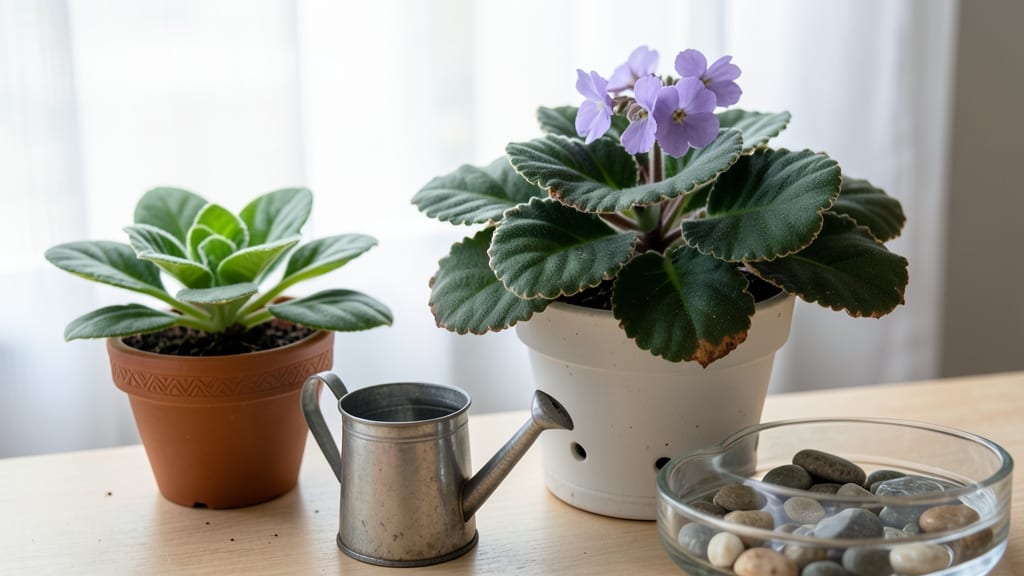
African violets with crispy brown leaf tips scream for help—usually from humidity or watering mistakes. 💚 I’ve nursed back dozens of these plants, and the fix often comes down to adjusting your care routine in just a few key ways. The good news?
Most cases are reversible once you spot the signs. Start by checking the soil moisture: if it’s bone-dry, you’re underwatering; if it’s soggy, you’re overdoing it. African violets thrive in consistent dampness—never let them sit in water, but don’t wait until the soil is rock-hard to water again.
Pair that with 50-70% humidity (a pebble tray or humidifier works wonders), and you’ll see new growth within weeks. Trim those brown tips with clean scissors, but don’t over-prune—just snip off the crispy edges.
The plant will redirect energy to fresh leaves, and with the right light (bright but indirect), you’ll have vibrant foliage in no time. This method works for both new and seasoned growers alike.
For long-term success, group your violets together (they love the humidity from each other’s leaves) and avoid cold drafts. A little TLC like this turns sad, brown-edged plants into lush, blooming beauties in just a few weeks.
Root Causes Of Leaf Tip Damage
African violets are delicate beauties that thrive under precise conditions—but when their leaf tips turn brown, it’s usually a sign of stress. Understanding the why behind this issue is the first step to saving your plant. Below, we break down the most common culprits, explained in clear, science-backed terms.
African violets despise soggy roots, and overwatering is the #1 cause of brown leaf tips. Here’s why:
- Root Rot & Oxygen Starvation: When soil stays too wet, roots suffocate from lack of oxygen. This triggers cellular breakdown, causing leaves to lose moisture and crisp at the edges. - Salt Buildup: Tap water often contains minerals like chlorine and fluoride.
Over time, these salts accumulate in the soil, creating a hypertonic environment that draws moisture out of leaf cells—leading to dehydration and browning. - Fungal Infections: Excess moisture creates the perfect breeding ground for Fusarium or Phytophthora fungi, which attack roots and block nutrient uptake.
🔍 How to spot it: Drooping leaves, mushy stems, or a foul soil smell confirm overwatering. If the soil feels damp after 24 hours of watering, you’re overdoing it.
African violets hail from tropical regions where humidity hovers around 50–70%. In dry indoor air (common in homes with heating or AC), leaf tips lose moisture faster than the plant can replace it.
- Transpiration Imbalance: Leaves release moisture through tiny pores (stomata). In dry air, water evaporates too quickly, causing the edges to dry out and turn brown. - Cell Membrane Damage: Prolonged dehydration stresses the cell walls, leading to irreversible browning.
Think of it like a raisin—once the moisture is gone, it’s gone.
💡 Pro tip: Place a tray of water with pebbles near your plant (but avoid soggy soil) to boost humidity. A humidifier set to 50–60% works wonders.
Hard water isn’t just a plumbing issue—it’s a silent killer for African violets. Here’s how:
- Fluoride Toxicity: Many municipal water supplies contain fluoride, which accumulates in soil and burns leaf tissue.
Symptoms start as brown tips and progress to yellowing or blackened edges. - Chlorine & Heavy Metals: Chlorine oxidizes plant cells, while metals like copper or iron can disrupt enzyme function, leading to necrosis (dead tissue).
📊 The science: African violets absorb water through their leaves (via guttation) and roots. If fluoride levels exceed 1–2 ppm, damage becomes visible within weeks.
✨ Fix it fast: Use distilled, rainwater, or reverse-osmosis water for watering. Flush the soil monthly with filtered water to leach out salts.
Brown tips can also signal a micronutrient deficiency, particularly:
- Calcium Deficiency: Leads to blossom end rot in leaves (browning at tips) due to poor cell wall structure. Calcium helps regulate water movement—without it, cells burst or dry out. - Magnesium or Potassium Shortages: These minerals are crucial for enzyme function and osmoregulation (balancing water inside cells).
A lack of either causes leaf edges to crisp, mimicking dehydration.
💪 How to test: Use a soil test kit to check pH (ideal: 6.0–6.5) and nutrient levels. African violets need balanced fertilizer (e.g., 10-10-10) every 4–6 weeks.
Sudden changes in temperature, drafts, or direct sunlight can shock your plant, leading to brown tips.
- Cold Drafts: African violets hate temperatures below 60°F (15°C).
Cold air near windows or vents causes physiological drought, where roots can’t absorb water fast enough. - Hot Sunburn: While they love bright, indirect light, direct sun (especially south-facing windows) causes oxidative stress, leading to bleached or browned tips. - Temperature Fluctuations: Swinging from 80°F (27°C) days to 50°F (10°C) nights stresses the plant, disrupting nutrient transport.
🎯 Solution: Keep violets in 65–75°F (18–24°C) ranges, away from AC vents or radiators. Use sheer curtains to diffuse harsh light.
Revive Your African Violet Now
African violets are delicate beauties, and brown leaf tips can signal stress—but the good news is, most issues are easily fixable with the right care. Below, we’ve mapped out practical solutions for the most common causes of brown leaf tips, along with prevention tips to keep your plant thriving. 🌿✨
Fix: Let the soil dry out between waterings and improve drainage.
- Step 1: Check the Soil 👨🍳 Stick your finger 1 inch deep into the soil. If it’s soggy, wait 2–3 days before watering again. African violets prefer moist but not waterlogged soil.
- Step 2: Upgrade the Pot 🏺 Ensure your pot has drainage holes at the bottom. If it doesn’t, transfer your violet to a new container with holes (or add a layer of pebbles at the bottom as a temporary fix).
- Step 3: Water Wisely 💦 Water only when the topsoil feels dry, and avoid wetting the leaves (use a tray or bottom-watering method). Overhead watering can cause rot.
Prevention Tip: 💡 Use a moisture meter or a simple toothpick test to monitor soil dryness consistently.
Fix: Increase humidity around your plant or adjust its environment.
- Step 1: Group Plants Together 🌱 Place your African violet near other houseplants to create a microclimate with higher humidity.
- Step 2: Use a Humidifier 💦 If your home is dry (below 50% humidity), run a humidifier nearby or place a pebble tray under the pot (fill a tray with water and pebbles, then set the pot on top).
- Step 3: Mist Lightly (But Carefully!) 🌧️ Mist the air around the plant (not the leaves) once daily in dry conditions. Avoid misting in bright sunlight to prevent leaf burn.
Prevention Tip: 🌡️ Keep your violet away from heaters, AC vents, or sunny windows—these dry out the air quickly.
Fix: Move your plant to bright, indirect light and protect it from harsh rays.
- Step 1: Find the Perfect Spot 📍 Place your African violet 1–2 feet away from an east- or north-facing window. Avoid south- or west-facing windows, which can scorch leaves.
- Step 2: Use a Sheer Curtain 🏠 If natural light is too intense, use a light-colored sheer curtain to diffuse sunlight gently.
- Step 3: Rotate the Plant 🌀 Turn the pot quarter-turn weekly to ensure even light exposure and prevent one-sided browning.
Prevention Tip: ✨ If you notice yellowing leaves alongside brown tips, your plant may be getting too little light—supplement with a grow light if needed.
Fix: Trim affected leaves to encourage new growth and prevent spread.
- Step 1: Identify Dead Leaves 🔍 Gently tug on a browned leaf—if it comes off easily, it’s dead. If it resists, the leaf is still alive but stressed.
- Step 2: Snip Cleanly ✂️ Use sterilized scissors or pruning shears to cut just above a leaf node (the bump where new leaves grow). Avoid tearing the leaf.
- Step 3: Dispose of Trimmings 🗑️ Remove dead leaves completely to prevent fungal growth. Never compost diseased plant material.
Prevention Tip: 💡 Prune regularly (every 2–4 weeks) to keep your violet looking fresh and encourage bushier growth.
Fix: Flush the soil and adjust your fertilizer routine.
- Step 1: Flush the Soil 💦 Run room-temperature water through the soil for 10–15 minutes to remove excess salts. Let it drain completely.
- Step 2: Adjust Fertilizer Use 🌱
- Dilute fertilizer to half-strength if you’ve been using a high-concentration mix.
- Switch to a balanced, water-soluble fertilizer (like 20-20-20) and apply every 4–6 weeks during spring and summer.
- Avoid fertilizing in winter when growth slows.
- Step 3: Use Filtered or Rainwater 🌧️ If your tap water is hard or chlorinated, let it sit out for 24 hours before watering or use filtered/rainwater to prevent buildup.
Prevention Tip: 🔥 Always water before fertilizing—this helps dilute the fertilizer and reduces burn risk.
Fix: Isolate the plant and treat pests naturally.
- Step 1: Inspect for Pests 🔎 Look for tiny webs, specks on leaves, or tiny flying insects near the soil. Common culprits:
- Spider mites (tiny red/yellow dots, webbing)
- Thrips (tiny black specks, silvery streaks on leaves)
- Fungus gnats (tiny black flies hovering near soil)
- Step 2: Treat Naturally 🌿 - Neem oil spray: Mix 1 tsp neem oil + 1 tsp mild soap + 1 quart water.
Spray every 5–7 days until pests are gone. - Insecticidal soap: Apply directly to leaves (test on a small area first). - Sticky traps: Place yellow sticky traps near the plant to catch flying pests.
- Step 3: Prevent Future Infestations 🚫
- Let the topsoil dry out between waterings to deter fungus gnats.
- Wipe leaves with a damp cloth weekly to remove dust and pests.
- Quarantine new plants for 2–3 weeks before introducing them to your collection.
Prevention Tip: 💡 Keep your workspace clean—wipe down surfaces and tools with rubbing alcohol to avoid cross-contamination.
Once you’ve addressed the immediate issue, consistent care will keep your African violet healthy:
| Care Tip | How to Do It | Frequency |
|---|---|---|
| Watering | Bottom-water or use a tray | When topsoil is dry |
| Light | Bright, indirect light | Rotate plant weekly |
| Humidity | Pebble tray or humidifier | Maintain 40–60% humidity |
| Fertilizing | Diluted liquid fertilizer | Every 4–6 weeks (spring–fall) |
| Pruning | Trim dead/brown leaves | As needed |
| Pest Check | Inspect leaves and soil | Weekly |
Final Thought: 🌟 With these fixes, your African violet should bounce back in 2–4 weeks. The key is patience and consistency—adjust one thing at a time (like humidity or sunlight) to see what works best for your plant’s environment. Happy growing! 🌿💚
Frequently asked questions
Why do my African violet leaves turn brown only at the tips?
Brown leaf tips usually signal low humidity or overwatering. African violets thrive in 50-70% humidity—when air is too dry, leaf edges lose moisture faster than roots can replace it. Check if your soil stays damp for too long (a common mistake), as soggy roots prevent proper nutrient uptake.
Can I save my African violet if most leaves have brown tips?
Yes! Trim the damaged tips with clean scissors and focus on fixing the root cause. If overwatered, let the soil dry completely before watering again. For low humidity, use a pebble tray or humidifier. With proper care, new growth should appear within 2-4 weeks—just keep the environment stable.
Is hard water causing my African violet's brown tips?
Absolutely—hard water with high fluoride or chlorine levels can burn leaf edges. Test your water: if it leaves white residue when boiled, it's likely hard. Switch to distilled or rainwater and flush the soil monthly by running water through it for 10 minutes to remove built-up salts.
How often should I prune brown tips from my African violet?
Prune only when you see crispy, dry edges—never healthy tissue. Use sterilized scissors to snip just above a leaf node (the bump where new leaves grow). Do this every 2-4 weeks to encourage fresh growth. Avoid over-pruning, as it stresses the plant.
Could my African violet have a nutrient deficiency?
Possibly! Brown tips can indicate calcium or magnesium deficiency. Use a balanced fertilizer (like 20-20-20) diluted to half-strength every 4-6 weeks during spring/summer. Test soil pH—African violets prefer 6.0-6.5. Yellowing between veins often accompanies deficiencies.