
Companion Plants
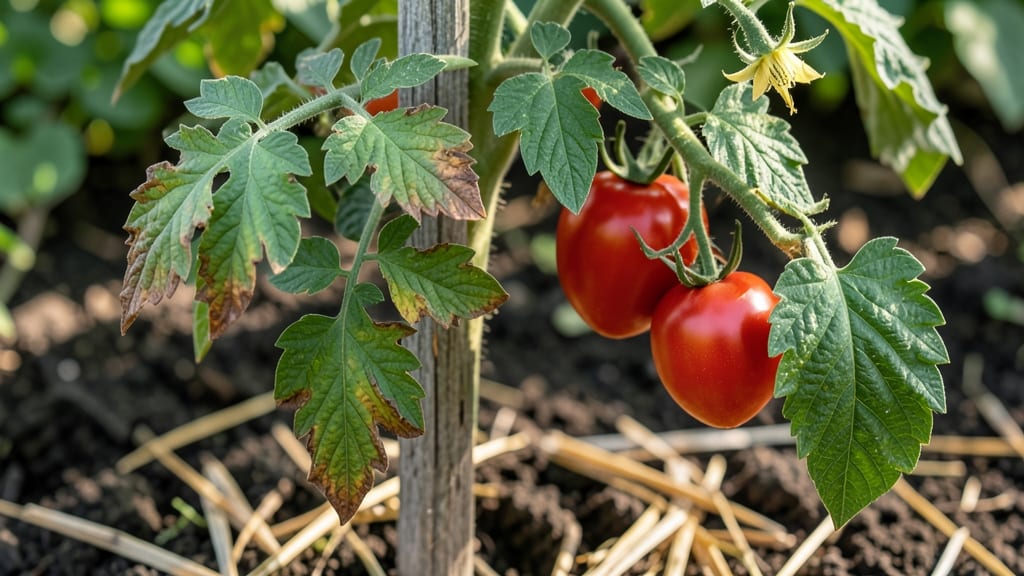
Brown leaf tips on tomato plants usually mean early blight—or maybe just thirsty roots. 🌱 I’ve seen this happen after a dry spell, or when plants get crowded and air can’t circulate.
The good news? Copper spray works like a charm for fungal spots, and a few simple tweaks can prevent it from coming back.
First, check your watering—soaking the soil deeply but less often keeps roots happy and stops stress. If you see those classic brown spots with yellow rings, grab some copper fungicide and spray at dusk for 3-4 weeks.
Prune affected leaves immediately to stop the spread, and make sure plants have 18-24 inches of space between them for airflow.
By next week, you’ll see new growth pushing out strong and green. The key is catching it early—once blight takes hold, it’s harder to reverse. Mulch with straw to keep soil moist and prevent splashing spores onto leaves, and rotate crops next season to break the fungal cycle.
This works for backyard gardens, containers, and even raised beds. The secret? Staying ahead of moisture stress and fungal pressure. Let’s get those tomatoes thriving again!
Root Causes Of Tomato Leaf Burn
When your tomato plants develop brown leaf tips, it’s often a cry for help from the roots—or from environmental stressors that disrupt their delicate balance. Understanding the why behind this issue is the first step to saving your harvest.
Below, we break down the most common culprits, backed by science, so you can diagnose and act fast.
Tomatoes are thirsty plants, but too much water can drown their roots, leading to oxygen deprivation and nutrient deficiencies. When soil stays soggy, roots struggle to absorb water and minerals efficiently, causing marginal leaf burn—especially on older leaves.
- How it happens: Excess moisture leaches essential nutrients (like calcium and magnesium) from the soil, leaving leaf edges crispy and brown.
- Signs to watch for:
- Yellowing between leaf veins (iron deficiency)
- Mushy, rotting roots when checked
- Water pooling around the base of the plant
- Actionable fix:
- Let the top 1–2 inches of soil dry out between waterings.
- Amend heavy clay soil with compost or perlite to improve drainage.
- Use drip irrigation instead of overhead watering to keep foliage dry.
Tomatoes are sensitive to extreme conditions, and sudden swings in temperature, humidity, or wind can trigger osmotic stress, causing leaf tips to dry out and turn brown.
- Key triggers:
- Low humidity: Dry air increases transpiration (water loss through leaves), making edges crisp.
- Cold drafts: Wind or chilly nights can shock the plant, halting nutrient transport to leaf margins.
- Heat stress: Temperatures above 90°F (32°C) can scorch leaves, starting at the tips.
- What to do:
- Mulch with straw or grass clippings to retain soil moisture and moderate temperature.
- Provide shade cloth (30–50%) during heatwaves.
- Avoid planting tomatoes in low-lying areas where cold air pools.
Brown, brittle leaf tips often signal a lack of critical nutrients, particularly calcium, magnesium, or potassium. These minerals are vital for cell wall integrity and water regulation.
| Nutrient Deficiency | Visual Clues | Solution |
|---|---|---|
| Calcium (Blossom End Rot’s cousin) |
|
|
| Magnesium |
|
|
| Potassium |
|
|
While brown leaf tips are often environmental, pathogens like early blight, septoria leaf spot, or bacterial spot can also cause similar symptoms—especially if paired with spots, lesions, or yellow halos.
- How to tell them apart:
- Fungal spots: Dark, circular lesions with concentric rings (early blight) or tiny black dots (septoria).
- Bacterial spot: Tiny, water-soaked spots that turn brown with yellow edges.
- Prevention & treatment:
- Remove infected leaves immediately and destroy them (don’t compost!).
- Apply a copper fungicide spray (1 tbsp copper sulfate per gallon) every 7–10 days.
- Improve air circulation by pruning and spacing plants properly.
💡 Pro Tip: If you suspect fungal infection, avoid watering leaves (use drip irrigation) and apply neem oil as a preventive measure.
Quick Fixes for Tomato Leaf Woes
When your tomato plants start showing brown leaf tips, don’t panic—most issues have simple, effective solutions. The key is identifying the root cause (like we covered in the previous section) and applying the right fix.
Below, we’ll break down actionable steps for each common culprit, plus tips to keep your plants thriving long-term.
Signs: Yellowing leaves, soggy soil, brown edges curling upward. Why it happens: Too much water suffocates roots, leading to oxygen deprivation and nutrient loss.
How to fix it: 🔥 Adjust your watering routine – Water deeply but less frequently. Aim for 1–1.5 inches per week (including rain), and always water at the base of the plant (not the leaves) to prevent fungal growth. 🍳 Check your soil – Stick your finger 2 inches into the soil. If it’s damp, wait before watering again. If it’s bone-dry, give it a thorough soak. 👨🍳 Improve drainage – If your pots lack drainage holes, add a layer of gravel or perlite at the bottom. For in-ground plants, amend heavy clay soil with compost or sand to loosen it up. 🥘 Repot if needed – If roots are circling or the soil stays soggy for days, move your plant to a container with better-draining mix.
Prevention tips: ✨ Use a moisture meter to track soil dampness accurately. 🌡️ Mulch around plants (2–3 inches of straw or shredded leaves) to regulate moisture and reduce evaporation. 🎯 Avoid watering in the evening—wet leaves overnight invite fungal infections.
Signs: Crispy, brown edges (often on older leaves), wilting during peak sun. Why it happens: Tomatoes need 6–8 hours of sun, but intense heat or scorching rays can scorch leaves.
How to fix it: 🔥 Provide afternoon shade – Use a lightweight shade cloth (30–50%) or a temporary row cover during the hottest hours (12–4 PM). 🍳 Water deeply in the morning – This helps leaves retain moisture and cool down. Aim for early AM watering to reduce evaporation. 👨🍳 Move potted tomatoes – If possible, relocate them to a spot with dappled shade (like under a tree or near a fence). 🥘 Mulch heavily – A thick layer of mulch (3+ inches) keeps roots cool and conserves moisture.
Prevention tips: 💡 Choose heat-tolerant varieties like ‘Solar Fire’ or ‘Heatmaster’ if you live in a hot climate. 🔥 Prune lower leaves to improve airflow and reduce heat buildup near the soil. 🌡️ Use reflective mulch (like white plastic or aluminum foil) to bounce back some sunlight.
Signs: Brown spots with yellow halos, often on lower leaves; spots may have concentric rings. Why it happens: Fungal spores thrive in humid, wet conditions and spread via water splashes or contaminated tools.
How to fix it: 🔥 Remove infected leaves – Snip off brown or spotted leaves with clean pruners, then dispose of them in the trash (not compost). 🍳 Apply a copper fungicide spray – Mix 1 tsp copper sulfate per gallon of water (or use a pre-made organic spray like Copper Soap). Spray early in the morning on a dry day. 👨🍳 Space plants for airflow – Give tomatoes 18–24 inches of space between plants to reduce humidity. 🥘 Water at the base only – Avoid overhead watering, which splashes spores onto leaves.
Prevention tips: ✨ Rotate crops – Don’t plant tomatoes (or nightshades like peppers/eggplants) in the same spot next year. 🎯 Sterilize tools – Wipe pruners with rubbing alcohol between uses. 💡 Use drip irrigation to keep foliage dry.
Signs: Brown, deadly tips (often on older leaves for potassium; blossom end rot for calcium). Why it happens: Poor soil or uneven fertilization leads to nutrient imbalances.
How to fix it: 🔥 Test your soil – Use a home soil test kit (or send a sample to a local extension office) to check pH and nutrient levels. 🍳 Add compost or worm castings – Mix 2–3 inches of compost into the top 6 inches of soil for a slow-release nutrient boost. 👨🍳 Use a balanced fertilizer – Switch to a 5-5-5 or 10-10-10 fertilizer (N-P-K) and apply every 2–3 weeks during growing season. 🥘 For calcium issues: Sprinkle crushed eggshells or crushed oyster shell around the base (or use calcium nitrate per package instructions).
Prevention tips: 🌡️ Mulch with compost to gradually improve soil health. 💪 Avoid over-fertilizing with nitrogen—it burns roots and throws off nutrient balance.
Signs: Brown, crusty edges or white residue on soil; leaves may look bleached or scorched. Why it happens: Overuse of synthetic fertilizers, tap water with high salts, or harsh pesticides.
How to fix it: 🔥 Flush the soil – Water the plant thoroughly for 10–15 minutes to leach out excess salts. 🍳 Switch to rainwater or distilled water – If using tap water, let it sit out for 24 hours to evaporate chlorine. 👨🍳 Use organic fertilizers – Replace chemical fertilizers with fish emulsion, seaweed extract, or compost tea. 🥘 Avoid fertilizing for 2–3 weeks to let the plant recover.
Prevention tips: 🎯 Dilute fertilizers to half-strength if your plants are sensitive. 💡 Monitor soil pH—ideal for tomatoes is 6.0–6.8.
- Trim damaged leaves to redirect energy to healthy growth.
- Support plants with cages or stakes to improve airflow.
- Harvest ripe tomatoes early to reduce stress on the plant.
- Rotate crops yearly to prevent soil-borne issues.
Frequently asked questions
Why do my tomato plants get brown tips even when I water them regularly?
Overwatering is a common culprit! When soil stays soggy, roots suffocate and can't absorb nutrients properly, causing marginal leaf burn. Check soil moisture by sticking your finger 2 inches deep—if damp, wait before watering again. Also verify your pots have drainage holes or amend heavy soil with compost to improve airflow.
Can I use coffee grounds to fix brown leaf tips caused by nutrient deficiencies?
Coffee grounds can help with nitrogen but won't address all deficiencies. For brown tips from calcium/magnesium, use Epsom salt (1 tbsp/gallon) or crushed eggshells instead. Mix coffee grounds into soil sparingly (½ cup per plant) as a slow-release nitrogen source—but don't overdo it, as too much can acidify soil.
How often should I apply copper spray for fungal spots on tomato leaves?
Start with a copper fungicide spray (1 tsp copper sulfate per gallon) every 7–10 days for 3–4 weeks. Apply at dusk on dry leaves to prevent leaf scorch. For prevention, use it once every 2 weeks during humid seasons. Always rotate with neem oil (every other application) to avoid resistance buildup.
Will pruning brown-tipped leaves actually help my tomato plant?
Pruning removes diseased tissue that could spread pathogens and redirects energy to healthy growth. Use clean pruners to snip 1 inch below browned areas. For severe cases, remove 20–30% of foliage to improve airflow. Always sterilize tools with rubbing alcohol between cuts.
Can I save a tomato plant with completely browned leaves?
If only the outer leaves are affected, the plant may recover with proper care. Remove all browned leaves and check for new green growth. If the entire plant is brown and wilted, it's likely too far gone. Focus on preventing spread to nearby plants by improving airflow and avoiding overhead watering.