
How To
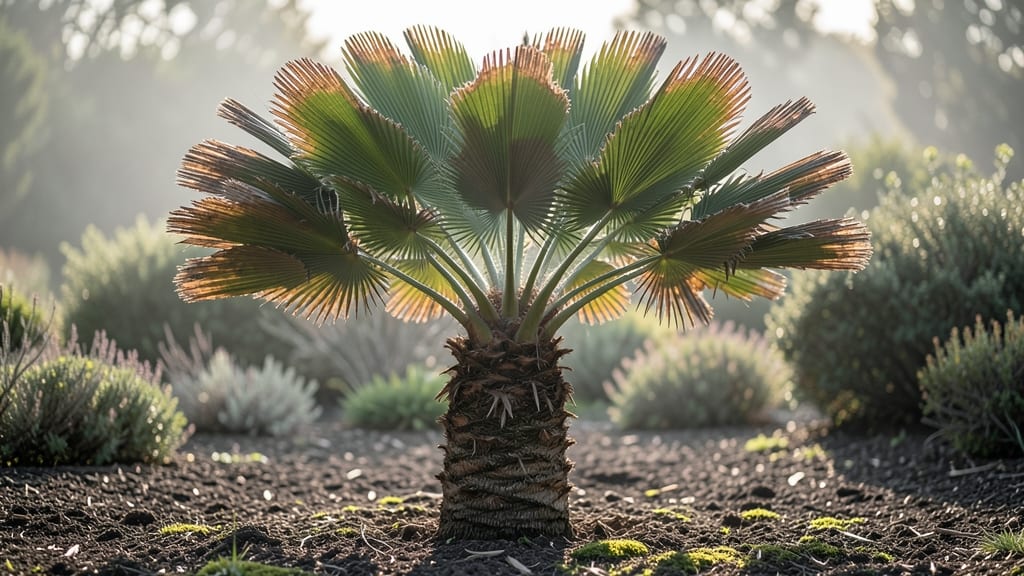
Brown leaf tips on your windmill palm don’t have to mean the end of its life—this is your chance to turn things around. 🌿 I’ve nursed back more than a few palms with crispy tips, and the fix usually comes down to water, soil, and a little TLC.
The problem often starts with overwatering or underwatering, but salt buildup and pests can sneak in too, turning those once-lush fronds into sad, brown-edged reminders of neglect.
Here’s the thing—most palms hate soggy roots, but they also need consistent moisture. I’ve seen windmill palms recover in just 2-3 weeks once I adjusted their watering schedule and flushed out built-up salts.
Start by checking the soil: if it’s dry 2 inches down, it’s time to water; if it’s still damp, hold off. A quick soil test (or just your finger) tells you everything you need to know.
Once you’ve got the watering right, the real magic happens with pruning and feeding. Snip off the brown tips with clean shears, then feed the palm with a balanced fertilizer (look for one labeled for palms or citrus).
This combo jumpstarts new growth and gives your palm the nutrients it’s been craving. Within a month, you’ll see fresh green emerging from the center—proof your palm is fighting back.
If the tips keep browning no matter what you do, it might be time to check for pests like spider mites or scale. A neem oil spray or insecticidal soap can work wonders, but if the damage spreads to the whole frond, your palm might need a professional’s eye.
Don’t panic—palms are tough, and with the right care, yours can bounce back to its showstopping, sun-loving self in no time.
Root Causes of Leaf Damage
Understanding why your windmill palm (Trachycarpus fortunei) develops brown leaf tips is the first step to restoring its health. These issues often stem from environmental stress, improper care, or underlying health problems. Let’s break down the most common culprits—so you can address them effectively.
Windmill palms are drought-tolerant and hate soggy roots. When soil stays too wet for too long, oxygen can’t reach the roots, leading to root rot—a silent killer that causes brown, crispy leaf tips as the plant struggles to absorb nutrients.
Why it happens:
- Excessive moisture triggers fungal or bacterial infections (like Phytophthora), which block water and nutrient uptake.
- Compacted or clay-heavy soil prevents drainage, trapping water around roots.
- Overpotting or lack of drainage holes forces roots to suffocate.
🔍 Look for these signs:
- Yellowing fronds (not just brown tips)
- Mushy, black roots when inspected
- A foul, sour smell from the soil
While windmill palms thrive in dry conditions, chronic underwatering or salt accumulation from tap water or fertilizers can scorch leaf edges. Brown tips in this case are often dry, brittle, and crunchy—a classic sign of dehydration stress.
Why it happens:
- Inconsistent watering causes cells to lose moisture, leading to osmotic stress (when roots can’t keep up with demand).
- Hard water (high in minerals like calcium and sodium) leaves behind a salty crust on soil, burning root hairs.
- Fertilizer burn (too much salt from synthetic fertilizers) disrupts cellular function, causing leaf edges to crisp.
🔍 Look for these signs:
- Leaf tips curl downward (not just brown)
- Soil pulls away from the pot edges (extreme dryness)
- White crust on soil surface (salt buildup)
Windmill palms are cold-hardy but hate sudden temperature swings or scorching winds, especially in dry climates. Brown tips can appear when fronds are physically damaged or when transpiration (water loss) outpaces absorption.
Why it happens:
- Cold snaps below 10°F (-12°C) can cause freeze damage, turning tips brown as cells rupture.
- Hot, dry winds increase evaporation faster than roots can supply water, leading to desiccation.
- Direct afternoon sun (especially in summer) acts like a magnifying glass, sun-scalding tender new growth.
🔍 Look for these signs:
- Brown tips only on exposed sides of the palm
- Leaf edges look papery or papery-thin
- Damage appears suddenly after a heatwave or storm
Even drought-resistant palms need balanced nutrition. Deficiencies in potassium, magnesium, or iron can cause brown tips, while excessive fertilizer (especially nitrogen) throws off the plant’s chemistry.
Why it happens:
- Potassium deficiency weakens cell walls, making tips prone to browning (often paired with yellowing between veins).
- Magnesium deficiency (chlorosis) starts as yellowing but progresses to brown, crunchy edges as chlorophyll breaks down.
- Iron or manganese deficiencies cause interveinal browning (brown between veins, green veins).
- Over-fertilizing with nitrogen promotes lush growth but starves roots of other nutrients, leading to tip burn.
🔍 Look for these signs:
- Brown tips paired with yellowing (not just brown)
- Slow growth despite regular watering
- Soil pH imbalance (test with a kit—ideal pH: 6.0–7.0)
While less common, spider mites, scale insects, or fungal diseases (like Thielaviopsis root rot) can stress your palm, leading to brown tips as a secondary symptom.
Why it happens:
- Spider mites suck sap, causing stippling and desiccation (tiny brown spots that spread).
- Scale insects clog stomata (leaf pores), reducing water uptake and causing crispy, brown edges.
- Fungal infections (from overwatering) block nutrient transport, leading to necrotic (dead) tissue.
🔍 Look for these signs:
- Webbing on undersides of fronds (mites)
- Sticky residue (honeydew) on leaves (scale)
- Black, stringy fungal growth at the base (root rot)
💡 Pro Tip: Keep a plant care journal to track watering, fertilizing, and environmental changes—this helps pinpoint patterns (e.g., "brown tips appear after every 3rd watering" = underwatering).
Fixing Your Palm’s Brown Tips
Reviving your windmill palm’s health starts with identifying the root cause and taking targeted action. Below, we’ve mapped out practical solutions for each common issue—plus prevention tips to keep your palm thriving long-term.
Fix: Let the soil dry out between waterings and improve drainage.
- 🔥 Step 1: Stop watering immediately if the soil feels soggy. Stick your finger 2–3 inches deep—if it’s damp, wait.
- 🍳 Step 2: Repot the palm into a container with drainage holes (or add a layer of gravel at the bottom if repotting isn’t an option).
- 👨🍳 Step 3: Use a well-draining potting mix (cactus/succulent mix works well) blended with perlite or orchid bark.
- ⏰ Step 4: Water only when the top 1–2 inches of soil are dry. In winter, reduce watering by 50%.
💡 Prevention Tip: Elevate the pot slightly to encourage airflow and reduce root rot risk.
Fix: Flush the soil and adjust your watering routine.
- 🔥 Step 1: Run water through the soil until it drains freely from the bottom (repeat 2–3 times to leach out salts).
- 🍳 Step 2: Switch to lukewarm water (cold water shocks roots) and water deeply but less frequently (every 1–2 weeks, depending on climate).
- 👨🍳 Step 3: If using tap water, let it sit out overnight to reduce chlorine/salt content.
- ✨ Pro Tip: Add a quart of white vinegar to the water monthly to break down mineral buildup.
💡 Prevention Tip: Group palms together to create a humid microclimate and mist leaves lightly in dry conditions.
Fix: Shield your palm from extreme conditions and recover its health.
- 🔥 Step 1: Move the palm to a sheltered spot (e.g., under a patio cover or near a wall) if exposed to harsh winds or cold drafts.
- 🍳 Step 2: Trim only the brown, crispy tips with clean, sharp pruners (sterilize with rubbing alcohol first).
- 👨🍳 Step 3: Apply a light layer of anti-transpirant spray (like Vapor Guard) to protect new growth from drying out.
- 🌡️ Pro Tip: If temperatures drop below 50°F (10°C), bring potted palms indoors near a bright window.
💡 Prevention Tip: Use burlap windbreaks or plant palms in clusters to shield them naturally.
Fix: Isolate, treat, and restore balance to the plant.
- 🔥 Step 1: Isolate the palm to prevent pests (like spider mites or scale) from spreading.
- 🍳 Step 2: Wipe leaves with a soapy water solution (1 tsp mild dish soap per gallon of water) or spray with neem oil (repeat weekly for 2–3 weeks).
- 👨🍳 Step 3: For fungal issues (like leaf spot), apply a copper fungicide or baking soda spray (1 tsp baking soda + 1 quart water + a drop of soap).
- 🔪 Step 4: Remove heavily infested leaves and dispose of them in sealed bags.
💡 Prevention Tip: Inspect new plants for pests before bringing them home and rotate pots occasionally to expose all sides to sunlight.
Fix: Reset the soil and feed gently.
- 🔥 Step 1: Flush the soil with water to remove excess salts from over-fertilizing.
- 🍳 Step 2: Use a balanced, slow-release palm fertilizer (like 8-2-12 or 6-3-6) only in spring/summer (never in winter).
- 👨🍳 Step 3: Mix compost or worm castings into the top 2 inches of soil for organic nutrients.
- 🎯 Pro Tip: Yellowing between leaf veins signals magnesium deficiency—apply Epsom salt (1 tbsp per gallon of water) every 2 months.
💡 Prevention Tip: Fertilize only every 2–3 months and never on dry soil—always water first!
If brown tips persist after 2–3 months of care, or if the palm shows yellowing fronds, blackened stems, or mushy roots, consult a palm specialist or arborist. Advanced issues like thrips infestations or root rot may require professional treatment.
🌿 Final Thought: Patience is key—windmill palms are tough but slow to recover. With the right adjustments, your palm will bounce back with lush, green fronds in no time!
Frequently asked questions
Why do windmill palms get brown tips more often than other palm species?
Windmill palms are particularly sensitive to water and salt imbalances because of their shallow root systems. Their fronds have a high surface area, making them prone to transpiration stress (losing moisture faster than roots can absorb it). Unlike tropical palms, they’re adapted to dry, rocky conditions—so overwatering or hard water salts quickly show up as brown tips. Their slow growth also means recovery takes longer than faster-growing palms.
Can I use rainwater instead of tap water to prevent brown tips?
Rainwater is ideal because it’s soft (low in minerals) and naturally pH-neutral, which prevents salt buildup. For best results, collect rainwater in a clean barrel and use it to water your palm every 2-3 weeks. If rainwater isn’t available, let tap water sit out overnight to reduce chlorine and mineral content. Avoid using distilled water long-term, as it lacks essential nutrients.
How do I know if my palm’s brown tips are from pests vs. environmental stress?
Check for these clues: Pest damage often includes tiny webs (spider mites), sticky residue (scale insects), or chewed edges (palm borers). Environmental stress usually shows as uniform browning along the entire leaf edge, often paired with yellowing or curls. Hold a magnifying glass near the tips—pest damage will reveal tiny specks or holes, while stress-related tips feel dry and papery.
Will pruning brown tips help my windmill palm recover faster?
Yes! Pruning only the dead, brown tips (never healthy green tissue) helps the palm focus energy on new growth. Use sterilized shears to cut at a 45-degree angle just above the last healthy leaf segment. Avoid cutting into green areas—this can stress the palm further. After pruning, flush the soil with water to remove any lingering salts or pests that might have been trapped in the dead tissue.
How long does it take to see improvement after fixing the problem?
With proper care, you’ll typically see new green growth emerging from the center of the palm within 4-6 weeks. Full recovery (where old fronds turn completely green) can take 2-3 months, depending on the severity. Patience is key—windmill palms grow slowly, but consistent adjustments (like proper watering and fertilization) will show results. If no improvement occurs after 3 months, consult a local nursery for a soil/root check.