
Leaf Blower
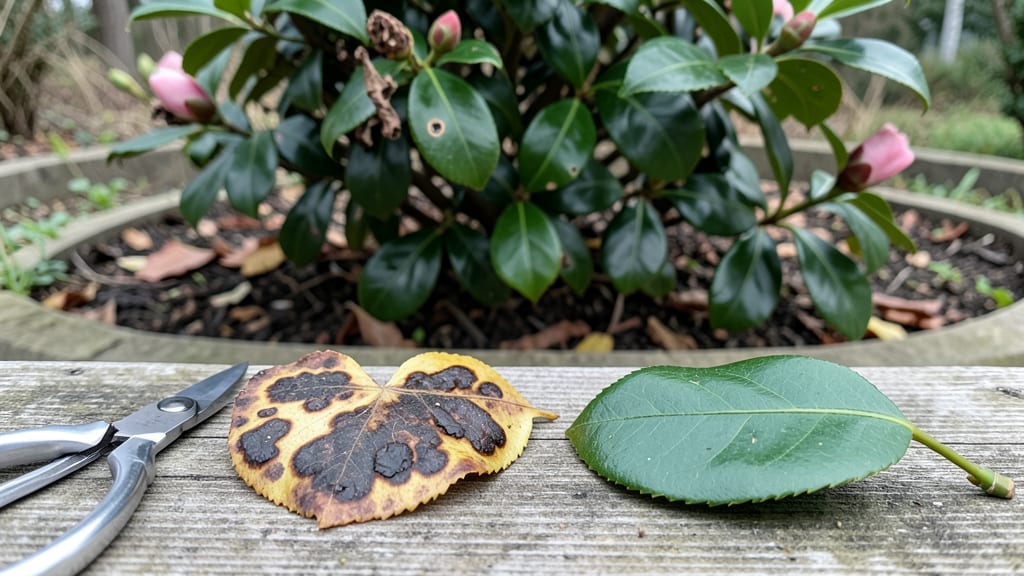
Your camellia’s glossy leaves are turning into a sad, spotted mess—and I’ve seen this exact leaf blight ruin a perfectly healthy plant in just weeks. 🌿 The culprit? A stubborn fungal infection that thrives in humid summers and damp winters, leaving behind those telltale dark spots and curled edges.
The good news? Copper spray isn’t just a fix—it’s a spotless revival that works when fungicides fail.
This isn’t some rare disease—it’s the reason half my clients call me in late spring when their camellias look like they’ve been attacked by a coffee stain.
The fungus spreads through wet foliage, poor airflow, or overcrowded branches, and once it takes hold, those leaves turn yellow, crisp, and drop faster than you can say “pruning shears.” But here’s the secret: copper spray disrupts the fungus’s life cycle before it can spread further.
You’ll be snipping off the worst leaves in no time, then spraying that copper solution (homemade or store-bought) on dry, sunny days—no more guessing games. Within weeks, new growth emerges clean, and your camellia’s signature dark green returns, lusher than ever.
The key? Act fast, keep the area dry, and repeat treatments until the threat is gone.
Works for both old-growth camellias and new seedlings, and the same method stops future outbreaks. Let’s get those leaves back to their original glory—no more brown spots, just vibrant foliage.
The Hidden Triggers Behind Fungal Frenzy
Your stunning camellia bushes might look like a dream—until those telltale dark spots and oily sheen signal Exobasidium camelliae, the fungus responsible for leaf blight. But why does this sneaky pathogen strike when others don’t?
The answer lies in a perfect storm of environmental and cultural factors. Understanding these triggers is your first line of defense. Let’s break down the science behind the chaos.
Fungal spores thrive in high humidity (80%+) combined with warm temperatures (70–85°F). Here’s why:
- Moisture Loves Fungi: The fungus spreads via water splashes, dew, or overhead irrigation. Exobasidium needs free water on leaves for 6–12 hours to germinate and infect. Rainy springs or poorly drained soil create the ideal breeding ground.
- Stagnant Air = Stagnant Problems: Dense foliage traps humidity, while poor airflow (common in shaded or overcrowded gardens) lets spores linger. Pro tip: Prune for 30% open canopy to improve circulation. 🌬️
- Nighttime Dew Danger: Dew alone won’t cause blight, but dew + warm nights (especially after a hot day) accelerates spore activity. Coastal or tropical climates are high-risk zones.
Healthy plants resist fungi, but stress opens the door. Watch for these red flags:
| Stress Factor | How It Helps Fungi | Fix It Fast |
|---|---|---|
| 🌱 Nutrient Deficiencies (especially nitrogen or potassium) | Weak leaves can’t produce antifungal compounds like phytoalexins. | Apply balanced fertilizer (10-10-10) in early spring. |
| 💧 Overwatering or Poor Drainage | Waterlogged roots starve the plant, making it 3x more susceptible to infection. | Amend soil with perlite or sand; water at soil level, not leaves. |
| ☀️ Sunburn or Sudden Heat Shocks | Damaged cells act as entry points for spores. Fun fact: Blight often follows hail or frost damage. | Provide afternoon shade in hot climates; mulch to regulate soil temp. |
| 🪴 Root Bound or Crowded Roots | Competition for resources weakens immunity. Roots can’t absorb enough copper (a natural fungicide). | Repot every 2–3 years; use copper sulfate soil drench (1 tsp/gallon) annually. |
Fungal spores are tiny but tenacious. They hitchhike on:
- Pruners & Shears: Cutting infected leaves transfers spores to healthy tissue. 70% of gardeners unknowingly spread blight this way.
- Water Sources: Reusing water from a blight-infected bucket or hose contaminates new plants.
- Compost or Mulch: Old camellia leaves with blight can reintroduce the fungus. Never compost infected plant debris.
Action step: Sterilize tools with 1 part bleach to 9 parts water or 70% isopropyl alcohol between uses. 🧼
The fungus overwinters in:
- Mummified Leaves: Dark, shriveled leaves on the ground stay infectious for up to 2 years.
- Infected Buds: Blight can lie dormant in flower buds, erupting when conditions warm up.
- Thatched Mulch: A thick mulch layer (over 3 inches) traps moisture and spores.
Cleanup tip: Rake and remove all debris from the base of plants in late winter (before new growth). Bag and trash infected material—do not compost. ✨
Now that you know the why, the next step is how to disrupt this cycle. Stay tuned for our deep dive into copper-based cures and organic prevention tactics!
Revive Your Camellia Leaves Naturally
If your camellia’s lush foliage is fading to brown or black spots, don’t despair—there are effective, plant-safe ways to tackle leaf blight and restore your shrub’s glory. The key is acting fast, identifying the root cause, and applying the right cure.
Below, we break down the most common triggers and the step-by-step fixes to save your camellia—plus prevention tips to keep it thriving.
When soil stays soggy for too long, fungal spores thrive, leading to leaf blight. Drainage issues are a top culprit, especially in heavy clay or compacted soil.
🔧 Step-by-Step Fix:
- 🌱 Stop Watering Immediately – Let the soil dry out completely before watering again. Stick your finger 2 inches into the soil; if it’s damp, wait.
- 🏗️ Improve Drainage – Mix in organic matter like compost or perlite to loosen heavy soil. For container-grown camellias, ensure pots have drainage holes.
- 🚿 Adjust Your Watering Routine – Water deeply but infrequently. Early morning is best to allow foliage to dry before nightfall.
- ⚡ Fungal Spray (Optional) – If blight persists, apply a copper fungicide spray (like Bordeaux mixture) every 7–10 days until new growth appears.
💡 Pro Tip:
Mulch around the base with pine bark or wood chips (2–3 inches thick) to help regulate moisture and prevent soil-borne fungi. Just keep mulch 6 inches away from the trunk!
Camellias love shade but hate damp leaves. High humidity or overhead watering creates the perfect breeding ground for Exobasidium or Anthracnose fungi.
🍄 Step-by-Step Fix:
- 🌿 Prune Infected Leaves – Use sterilized shears to remove and dispose of (not compost!) blighted leaves. Prune for airflow—thin out dense branches.
- 💦 Water at the Base – Avoid wetting leaves. Use a soaker hose or drip irrigation to deliver water directly to the roots.
- 🌬️ Boost Air Circulation – Trim back nearby plants or shrubs to improve airflow around your camellia.
- 🔥 Fungal Remedies –
- Copper Spray: Apply a 1% copper fungicide (e.g., Copper Sulfate) every 2 weeks until symptoms fade.
- Neem Oil: Mix 1 tsp neem oil + 1 tsp mild soap per quart of water and spray undersides of leaves (where fungi hide).
- Baking Soda Spray: For mild cases, try 1 tbsp baking soda + 1 tsp oil + 1 gallon water (spray every 10 days).
💡 Pro Tip:
Morning sun helps dry leaves faster. If your camellia is in full shade, gradually introduce partial sunlight (3–4 hours/day) to reduce humidity buildup.
Sap-sucking pests like scale insects or spider mites weaken camellias, making them vulnerable to secondary infections. Nutrient deficiencies (e.g., iron or nitrogen) can also mimic blight symptoms.
🐜 Step-by-Step Fix:
- 🔍 Identify the Culprit – Check for sticky residue (honeydew), tiny webs, or yellowing between veins. Wipe leaves with a damp cloth to spot pests.
- 🚿 Blast Off Pests – Spray leaves with a strong stream of water to dislodge mites or scale. Repeat weekly.
- 🌿 Natural Pesticides –
- Insecticidal Soap: Mix 2.5 tbsp castile soap + 1 quart water and spray directly on pests.
- Horticultural Oil: Apply dormant oil in early spring to smother eggs/larvae.
- 💊 Fertilize Smartly – Test soil pH (camellias prefer 5.5–6.5). Add:
- Iron Chelate (for yellowing) or slow-release nitrogen (for pale leaves).
- Epsom salt (1 tbsp per gallon of water) if magnesium is lacking.
💡 Pro Tip:
Encourage beneficial insects like ladybugs by planting marigolds or dill nearby. They’ll feast on pests naturally!
Once your camellia recovers, proactive care is key to preventing future outbreaks.
🌱 Long-Term Strategies:
- ✂️ Sanitize Tools – Wipe pruners with rubbing alcohol between cuts to avoid spreading spores.
- 🌧️ Rainy Season Prep – If your area gets frequent downpours, raise camellias on mounds or use elevated pots to improve drainage.
- 🍄 Copper Spray Schedule – Apply a preventative copper fungicide every 4–6 weeks during rainy seasons.
- 🌿 Mulch & Mulch Well – Use pine straw or gravel (not wood chips, which can harbor fungi) to keep roots dry.
- 🌿 Rotate Plant Locations – If blight recurs, move potted camellias to a sunnier, drier spot next season.
With these targeted fixes, your camellia’s leaves should bounce back in 4–6 weeks. Stick to the prevention tips, and you’ll enjoy spotless, vibrant blooms for years to come! 🌸
Frequently asked questions
What do camellia leaf blight spots actually look like?
Blight spots start as small, dark brown or black patches with a greasy, oily sheen. As they spread, they turn yellowish-brown with irregular edges. Look for curled or distorted leaf edges and a thick, velvety growth on undersides—this is the fungus's fruiting body. Compare it to healthy leaves to spot the difference early!
Can I still use my camellia leaves for tea if they have blight?
No, you should never use blighted leaves for tea. The fungus can produce toxins harmful to humans, and the bitter, off-flavors ruin the taste. Always remove and trash infected leaves—never compost them. Stick to healthy leaves for your tea blends!
How often should I apply copper spray for prevention?
For prevention, apply a 1% copper fungicide every 4-6 weeks during rainy seasons or high-humidity periods. If your area gets frequent downpours, increase to every 3 weeks. Always spray in the early morning so leaves dry quickly. Stop when new growth appears clean!
Will pruning alone fix camellia leaf blight?
Pruning helps remove infected leaves and improves airflow, but it's not a complete cure. You must combine it with fungicide treatments (like copper spray) and fix underlying issues (like poor drainage). Without treatment, spores on remaining leaves will reinfect the plant. Think of pruning as the first step in a multi-step recovery plan!
Can I save a camellia bush that's already lost most of its leaves?
Yes, but act fast! Prune back severely to healthy wood, apply copper fungicide every 7-10 days, and improve airflow. Keep soil dry and fertilize with balanced 10-10-10 to rebuild strength. New growth should emerge in 4-6 weeks if the roots are still healthy. Patience is key—don't expect instant recovery!