
Landscaping
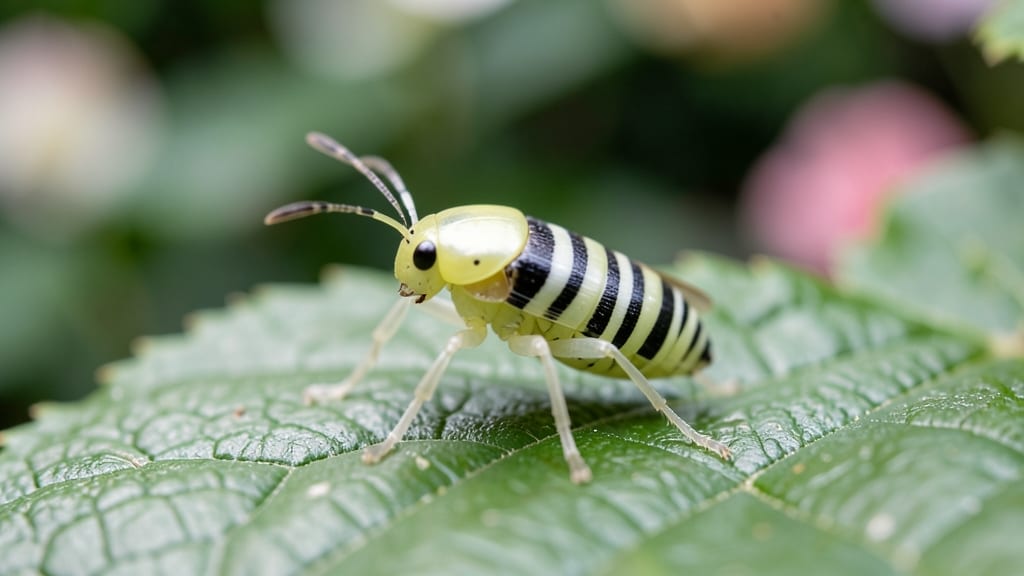
Those tiny striped pests on your foliage are candy striped leafhopper nymphs—and they’re turning your plants into spotted messes. 🌿 I’ve battled them on roses, azaleas, and even my prized hydrangeas, and the key to stopping them lies in a simple, non-toxic spray that works within days.
You’ll recognize them by their black-and-white striped bodies (like tiny candy canes) and the telltale white spots they leave on leaves. These nymphs cluster on undersides of leaves, sucking sap and triggering a plant’s defense response—those spots.
The good news? A soapy water spray or neem oil mix disrupts their feeding cycle without harming pollinators.
After just one application, new growth stays clean, and existing spots fade faster. The spray’s active ingredients smother their waxy coating while feeding beneficial insects. For severe cases, repeat every 5-7 days until you see fewer nymphs—and your plants’ true color returns.
Prevention is easy: prune affected leaves regularly, water deeply (they hate damp soil), and attract ladybugs—their natural predators. This method works for ornamentals, vegetables, and even houseplants brought outside. Let’s get those spots gone for good.
Root Causes Of Foliage Damage
Understanding why candy-striped leafhopper nymphs target your plants—and why they leave behind those telltale spots—requires diving into their biology and behavior. These tiny pests don’t just appear out of nowhere; their presence is often a symptom of deeper ecological or environmental imbalances in your garden.
Here’s a breakdown of the key factors driving their activity and the damage they cause.
Candy-striped leafhopper nymphs thrive in environments where plants are already struggling.
When foliage is overcrowded—whether due to dense planting, poor spacing, or lack of pruning—it creates the perfect hiding spot for these pests. Stressed plants (from drought, nutrient deficiencies, or disease) are also more vulnerable because their weakened defenses make them easier targets.
Why it happens:
- Reduced plant resilience: Healthy plants produce natural compounds that deter pests, but stressed plants can’t mount this defense.
- Microclimate creation: Dense foliage traps moisture and warmth, mimicking the humid conditions nymphs prefer.
- Nutrient competition: Overcrowded plants compete for resources, making them more attractive to sap-sucking insects like leafhoppers.
Actionable fix: 💡 Prune regularly to improve airflow and reduce hiding spots. 💡 Test soil health—amend with compost or fertilizer if nutrients are lacking. 💡 Water deeply but less frequently to avoid creating damp, pest-friendly conditions.
Leafhopper nymphs are particularly active in warm, humid climates with mild winters. If your region experiences these conditions—or if your microclimate (like a shaded, sheltered garden corner) mimics them—you’re more likely to see an infestation.
Why it happens:
- Temperature preference: Nymphs thrive between 70–85°F (21–29°C); cooler temps slow their activity, while extreme heat can kill them.
- Humidity levels: High humidity (above 60%) keeps their eggs and nymphs from drying out, prolonging their life cycle.
- Seasonal timing: They peak in late spring to early summer, aligning with new plant growth that’s rich in sap.
Actionable fix: 🌡️ Monitor local weather patterns—time treatments before peak activity. ✨ Use row covers in early spring to block adults from laying eggs. 🌿 Avoid overwatering—keep soil moist but not soggy to deter humidity-loving pests.
In a balanced ecosystem, predators like ladybugs, lacewings, parasitic wasps, and birds keep leafhopper populations in check. However, if your garden lacks biodiversity—or if you’ve used broad-spectrum pesticides that kill beneficial insects—nymphs can explode in numbers unchecked.
Why it happens:
- Pesticide overuse: Chemicals like neonicotinoids or pyrethroids wipe out natural predators faster than they harm leafhoppers.
- Monoculture planting: Large patches of a single plant species provide easy meals with few interruptions.
- Urban or suburban gardens: These areas often have fewer predator species compared to wild or diverse landscapes.
Actionable fix: 🐞 Encourage beneficial insects with native plants like dill, fennel, or yarrow. 🌍 Reduce or eliminate broad-spectrum pesticides—opt for targeted sprays instead. 🏡 Install birdhouses or bat boxes to attract natural pest controllers.
Not all plants are equally appealing to candy-striped leafhopper nymphs. Tender, fast-growing, or sap-rich plants are their favorites, including:
- Vegetables: Lettuce, spinach, beans, and peas.
- Fruit trees: Citrus, apple, and peach.
- Ornamentals: Roses, hibiscus, and impatiens.
Why it happens:
- High sap content: Young, succulent growth is packed with sugars that nymphs crave.
- Thin cuticles: Some plants have delicate leaves that are easy for nymphs to pierce.
- Volatile organic compounds (VOCs): Certain plants emit scents that attract leafhoppers.
Actionable fix: 🌱 Choose resistant varieties—some cultivars (like certain bean or rose types) are less attractive. 🛡️ Use reflective mulches (like aluminum foil) to deter nymphs from settling on plants. 🍃 Rotate crops annually to disrupt leafhopper life cycles.
By addressing these root causes, you’re not just treating the symptoms (those pesky spots) but also creating a garden that’s less inviting to leafhopper nymphs in the first place. The key is proactive management—combining cultural practices, environmental awareness, and targeted interventions.
Natural Remedies for Leaf Damage
Now that you understand why those tiny striped pests are turning your foliage into a speckled mess, let’s tackle the problem with effective, plant-safe solutions. These methods focus on eradicating the candy-striped leafhopper nymphs while protecting your garden’s health—no harsh chemicals required.
Cause: Heavy infestations weaken plants by draining sap, leaving behind sticky honeydew and sooty mold. Fix:
- 🍃 Step 1: Inspect plants daily, especially new growth or tender leaves.
- 🧹 Step 2: Use gloved hands or a damp cloth to wipe off nymphs and adults. Drop them into soapy water to kill them instantly.
- 🗑️ Step 3: Bag and discard heavily damaged leaves to prevent reinfestation.
- 💡 Pro Tip: Focus on the undersides of leaves—nymphs love hiding there!
Cause: Nymphs cling to leaves, making them hard to spot and treat. Fix:
- 💦 Step 1: Early morning or late afternoon (avoid midday heat), use a gentle stream of water from a hose nozzle to knock them off.
- 🌱 Step 2: Aim at the undersides of leaves and stems where they cluster.
- ⏰ Step 3: Repeat every 2–3 days until you see fewer pests.
- ⚠️ Warning: Avoid high-pressure blasts—you might damage delicate foliage!
Cause: Chemical sprays can harm beneficial insects and soil health. Fix: Try these DIY, eco-friendly sprays (test on a small leaf first!):
| Spray Recipe | How to Use | Frequency |
|---|---|---|
| Neem Oil Solution | Mix 1 tsp neem oil + 1 tsp mild soap + 1 quart water. Shake well before spraying. | Every 5–7 days |
| Garlic & Chili Pepper | Blend 4 garlic cloves + 1 tbsp cayenne pepper + 1 quart water. Strain and spray. | Every 3–4 days |
| Insecticidal Soap | Use 1.5 tbsp liquid castile soap + 1 quart water. Spray directly on pests. | Every 2–3 days |
💡 Pro Tip: Spray early morning or late evening to avoid harming bees and other pollinators.
Cause: Leafhoppers thrive when their predators (like lacewings or parasitic wasps) are absent. Fix:
- 🌻 Plant Companion Flowers: Add dill, fennel, or marigolds to attract beneficial insects.
- 🐞 Release Ladybugs or Lacewings: Buy them online or from garden centers and introduce them to your plants.
- 🌿 Avoid Broad-Spectrum Pesticides: These kill helpful bugs too!
Cause: Poor garden hygiene or overcrowded plants invite pests back. Fix:
- 🌱 Prune Regularly: Remove dead or yellowing leaves to reduce hiding spots.
- 🌿 Space Plants Properly: Ensure 6–12 inches of airflow between plants to deter pests.
- 🌱 Use Mulch: A 2–3 inch layer of organic mulch (like straw or wood chips) keeps soil healthy and deters nymphs.
- 🌱 Rotate Crops: If growing vegetables, change plant locations yearly to break pest cycles.
✨ Final Thought: Consistency is key! Combine removal, sprays, and prevention for the best results. Within 2–4 weeks, you’ll see a noticeable drop in nymph activity—and your foliage will bounce back healthier than ever!
Frequently asked questions
How do I tell if those tiny striped bugs are actually candy striped leafhopper nymphs?
Look for black-and-white striped bodies (like mini candy canes) that are 1/16-inch long—they cluster on leaf undersides. Check for white or yellow speckles on foliage (their feeding marks) and sticky residue (honeydew). Adults have wings but nymphs don’t—this helps distinguish them from other pests.
Will my plants recover if I remove the nymphs but don’t treat the soil?
Yes, but new nymphs may return if adults remain nearby. Focus on removing visible pests and spraying leaves with neem oil or soapy water. For long-term results, also prune affected foliage and improve airflow between plants to discourage reinfestation.
Are these nymphs harmful to my vegetable garden?
They can damage leafy greens (lettuce, spinach) and beans/peas by sucking sap, causing stunted growth. However, they rarely kill plants outright. Use reflective mulch (like aluminum foil) around veggies to deter them, and rotate crops annually to break their life cycle.
How often should I reapply neem oil if I have a severe infestation?
For heavy cases, spray every 5–7 days until you see fewer nymphs (usually 2–3 weeks). Always mix 1 tsp neem oil + 1 tsp mild soap per quart of water and apply in early morning or evening to protect pollinators. Stop when new growth appears clean.
Can I use store-bought insecticidal soap on houseplants?
Yes, but test on a small leaf first—some plants (like ferns or succulents) are sensitive. Use a 1.5 tbsp liquid castile soap per quart of water and spray undersides of leaves. Avoid overspraying—soapy residue can harm delicate foliage. Rinse plants after 24 hours if needed.