
Companion Plants
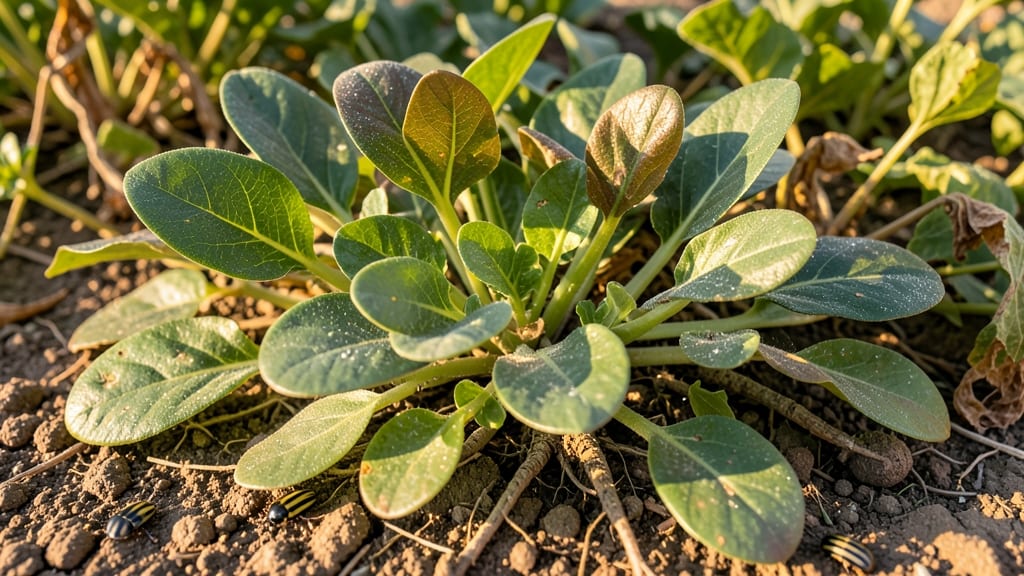
Bitter leafy greens aren’t just flavorful—they’re nature’s pest deterrents. These 10 hardy greens repel insects, improve soil, and thrive alongside your favorite vegetables, creating a self-sustaining garden ecosystem.
Dandelion Greens for Soil Health
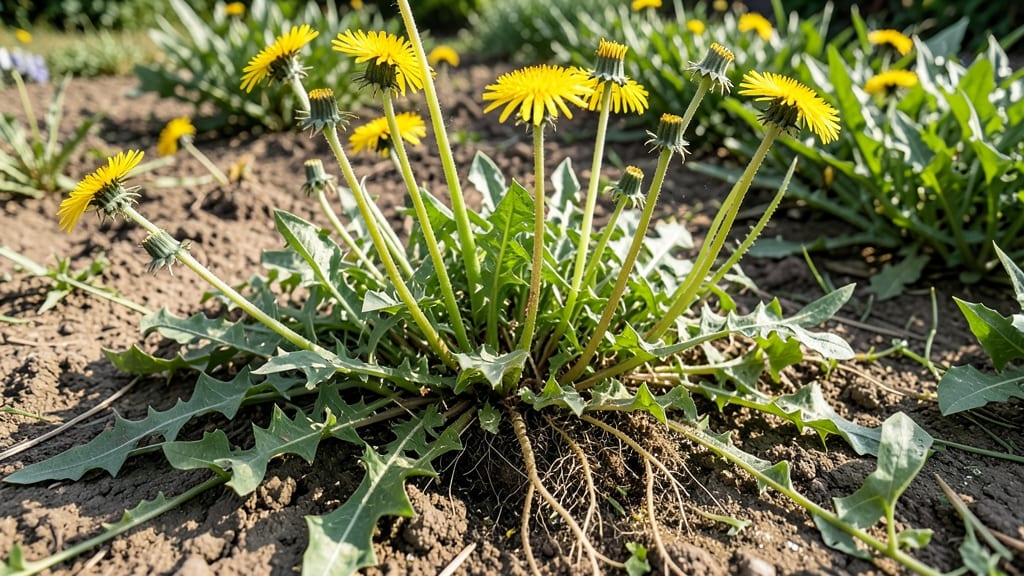
You might dismiss dandelions as pesky weeds, but their bitter greens are a gardener’s secret weapon—double-duty plants that improve soil while warding off pests. Their deep taproots break up compacted earth, creating space for roots to thrive, and their sharp flavor confuses aphids and cabbage worms, keeping them away from your prized veggies.
Harvest young leaves in early spring or fall for the mildest flavor, and let a few plants bloom to attract pollinators while their roots aerate the soil. Plant them near brassicas (like kale or cabbage) to lure pests away, or scatter seeds in empty garden spots for a free, nutrient-rich green. The more you pull, the more they’ll spread—nature’s way of rewarding your effort.
Perfect for urban gardeners and beginners, dandelions thrive in poor soil and require zero maintenance. You’ll get free greens for salads and a healthier garden bed—what’s not to love? 🌱
Arugula’s Peppery Pest Control
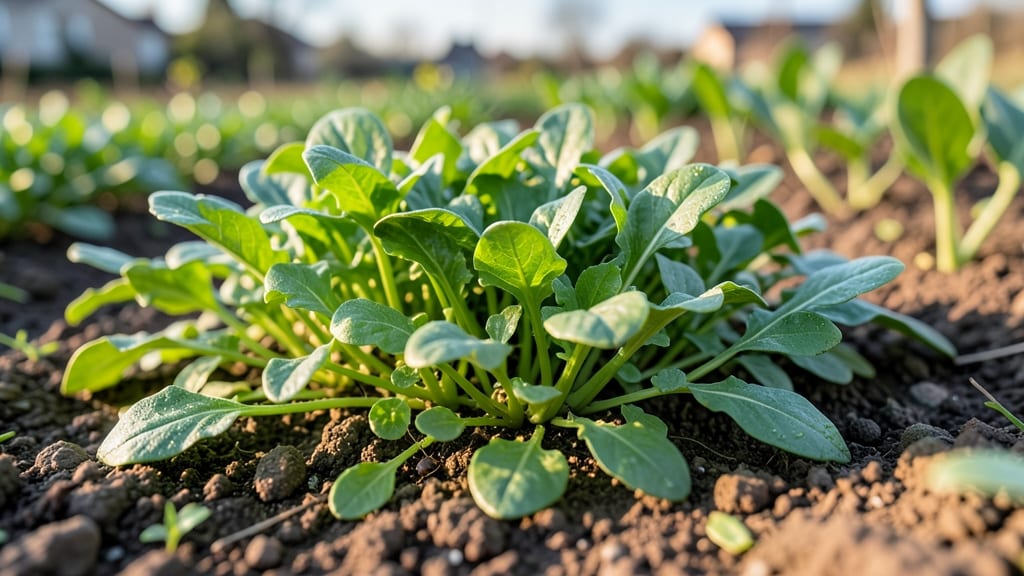
Tired of ants marching through your garden or flea beetles chewing your seedlings? Arugula grows fast enough to outpace pests while sending out chemical signals that repel them—naturally. Its peppery kick isn’t just for salads; it’s a built-in defense system.
Plant arugula in early spring or fall for succession planting, harvesting leaves in just 3-4 weeks. The secret weapon? Its ability to attract ladybugs and other beneficial predators that feast on garden pests. Space rows 6-12 inches apart in partial shade to full sun, and watch ants and beetles take the hint and move on.
This is the perfect low-maintenance companion for beginners or urban gardeners with limited space—just snip what you need and let the rest keep working overtime to protect your garden. 💚
Mustard Greens for Cabbage Worms
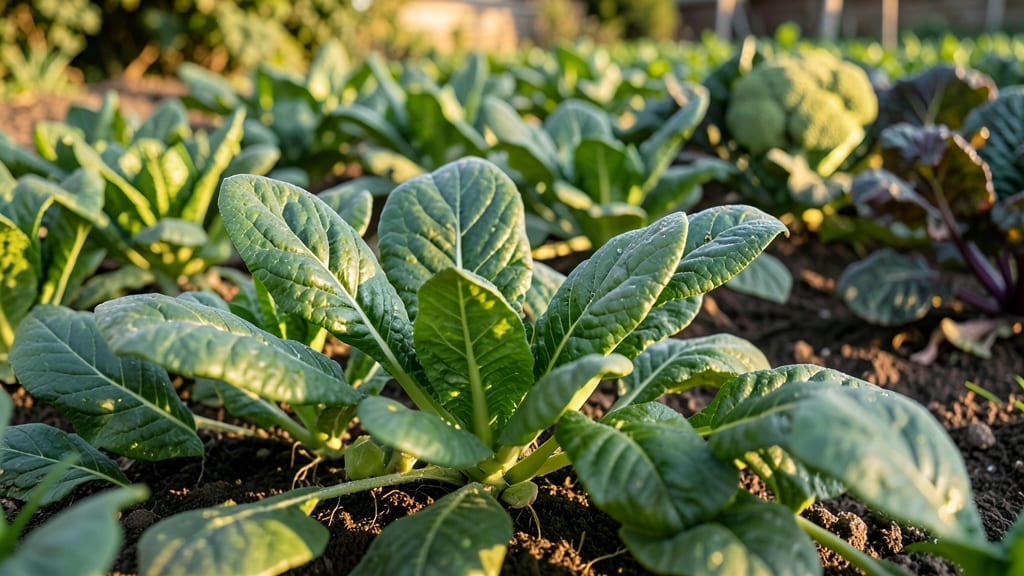
If cabbage worms are ravaging your broccoli or kale, mustard greens are the ultimate decoy crop—so effective that gardeners swear by them as a natural pest trap. This hardy bitter leafy green doesn’t just lure away cabbage moths; it also boosts soil fertility by fixing nitrogen, making it a double win for struggling garden beds.
Plant mustard greens around your brassicas in early spring or late summer, allowing them to grow vigorously before the pests arrive. Their strong scent and flavor attract cabbage worms, giving your prized plants a fighting chance. Bonus: They thrive in poor soil and even tolerate light frost, making them ideal for cool-season gardens or neglected patches.
Perfect for beginners or urban gardeners with limited space, mustard greens require minimal care and deliver maximum pest protection. Try them this season—your cabbage family will thank you! 🌱
Endive’s Bitter Defense Against Slugs
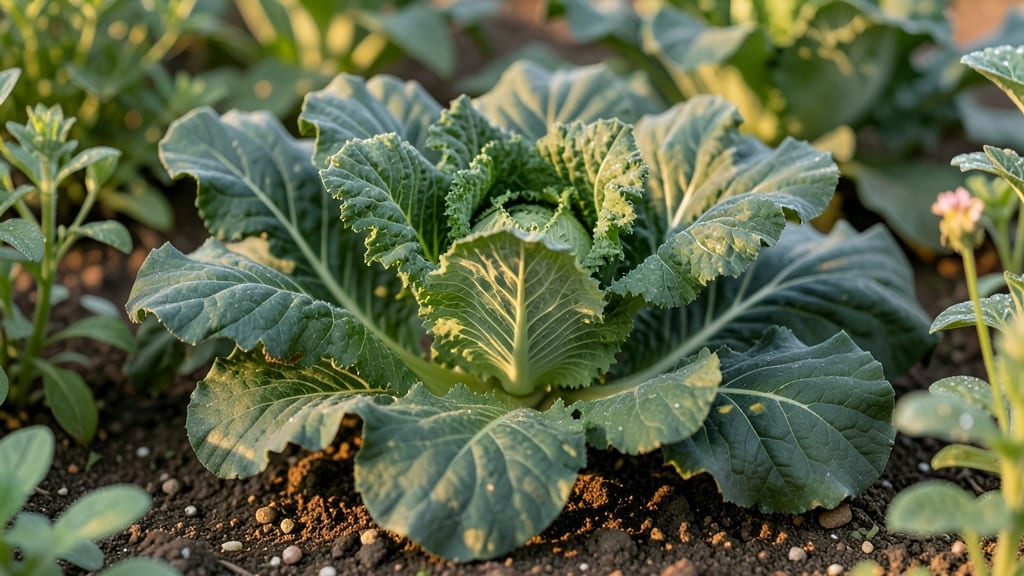
If slugs and carrot flies are wrecking your garden, endive might be the unsung hero you’ve been missing. This bitter leafy green doesn’t just repel pests—it physically blocks them with its tightly packed, curly leaves, making it nearly impossible for slugs to reach your prized plants.
Plant endive near carrots, lettuce, or other tender crops to create a natural barrier. Its bitter compounds also deter root-munching pests like carrot flies, while its compact growth habit maximizes space in small gardens. For best results, sow seeds in cool weather (spring or fall) and keep the soil consistently moist—just avoid overwatering, as soggy conditions can attract slugs you’re trying to repel. 🌱
Sorrel’s Citric Pest Repellent
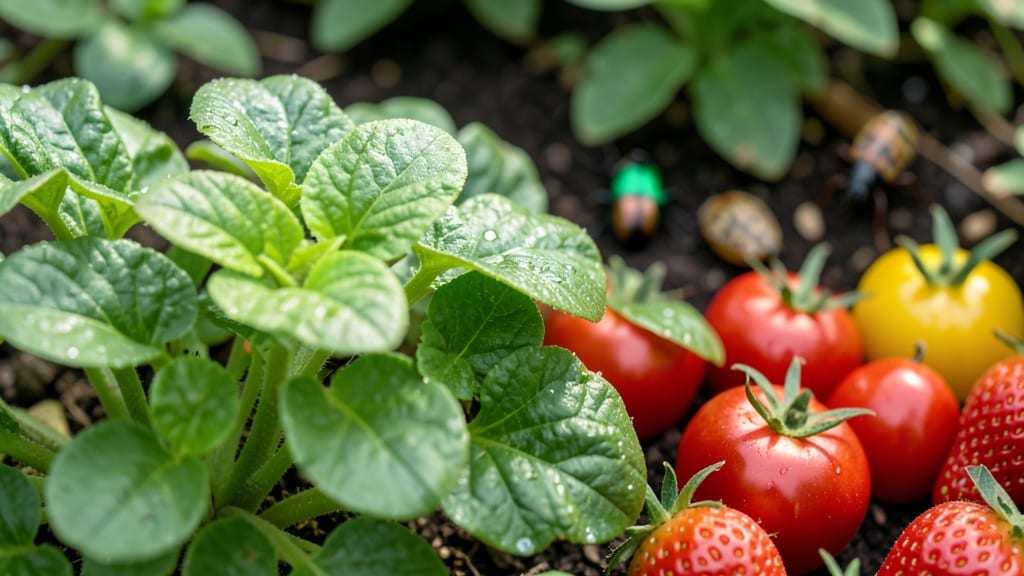
If you’re battling Japanese beetles or squash bugs in your garden, sorrel might be your secret weapon. This tangy, lemony green doesn’t just add flavor to salads—its natural citric compounds act as a powerful insect repellent, keeping pests away from your tomatoes, peppers, and strawberries.
Plant sorrel near vulnerable crops to create a protective barrier. It thrives in partial shade, making it ideal for understory planting or alongside taller vegetables. The leaves can be harvested continuously, and the plant self-seeds easily, ensuring year-round pest control. Plus, its vibrant green foliage adds a striking contrast to garden beds.
Perfect for organic gardeners and small-space growers, sorrel’s dual-purpose nature makes it a must-have for both pest management and edible harvests. 💚
Radish Greens for Flea Beetles
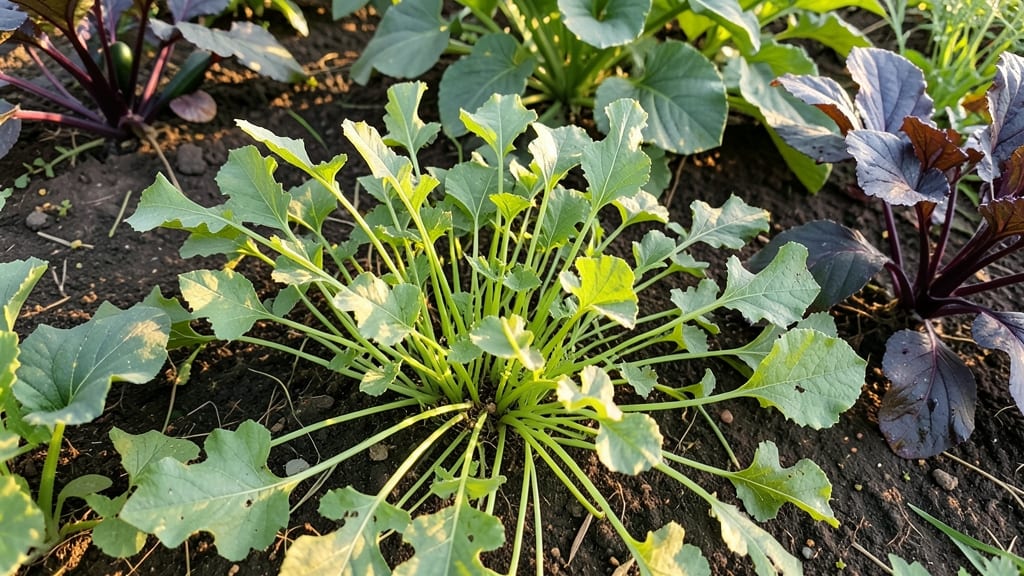
Flea beetles are a nightmare for cucumbers and eggplants, but radish greens offer a clever, low-effort solution. These fast-growing greens act as a sacrificial trap crop, drawing pests away from your prized plants while adding a nutrient boost to your soil.
Sow radish greens just a few inches away from cucumbers or eggplants in early spring or late summer. Their bitter, peppery leaves lure flea beetles, which will devour them instead of your main crops. After harvesting the greens (which are edible and packed with potassium), the soil benefits from their deep roots and nutrient-rich residue. For best results, plant in full sun and keep the soil consistently moist.
This is the perfect strategy for urban gardeners or anyone with limited space—no chemicals, no fuss, just healthier plants and a natural pest control system. 🌱
Swiss Chard’s Colorful Insect Shield
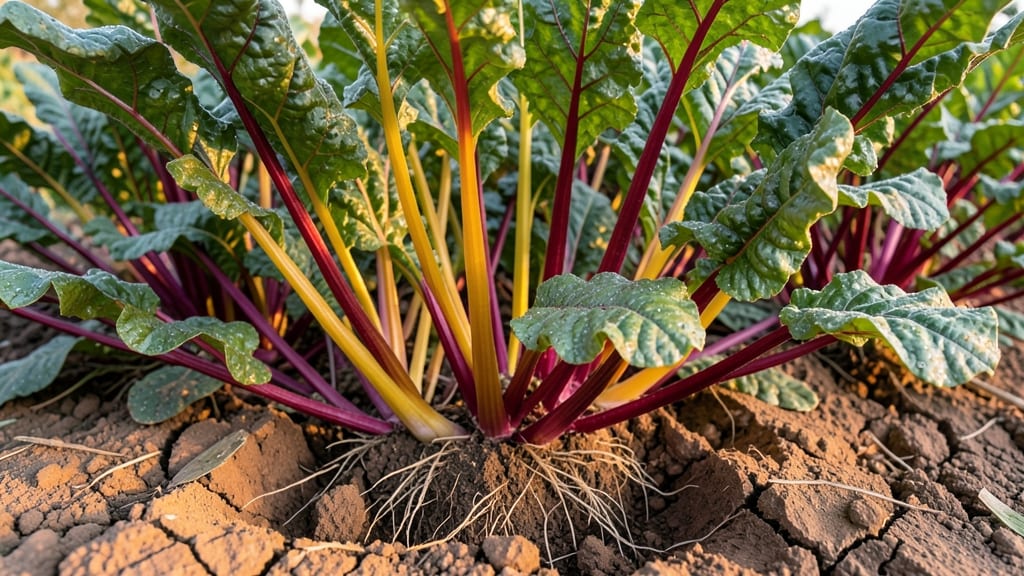
If you’ve ever battled tomato hornworms or struggled with compacted soil, Swiss chard might be your secret weapon. This vibrant green isn’t just edible—its rainbow-colored stems act as a natural camouflage, confusing pests while its deep roots break up tough soil and crowd out nematodes.
Plant Swiss chard near tomatoes, peppers, and beans to deter hungry caterpillars and improve drainage. The variety of colors (pink, yellow, white, or deep red) adds visual interest to containers or beds, while its cut-and-come-again leaves make it a low-maintenance harvest. Even beginners will love how it thrives in partial shade or full sun.
Urban gardeners and small-space growers benefit most from Swiss chard’s versatility—it grows well in pots and deters pests without chemicals. Plus, its bold colors make it a standout in any garden. 🌻
Nasturtium Leaves for Aphid Control
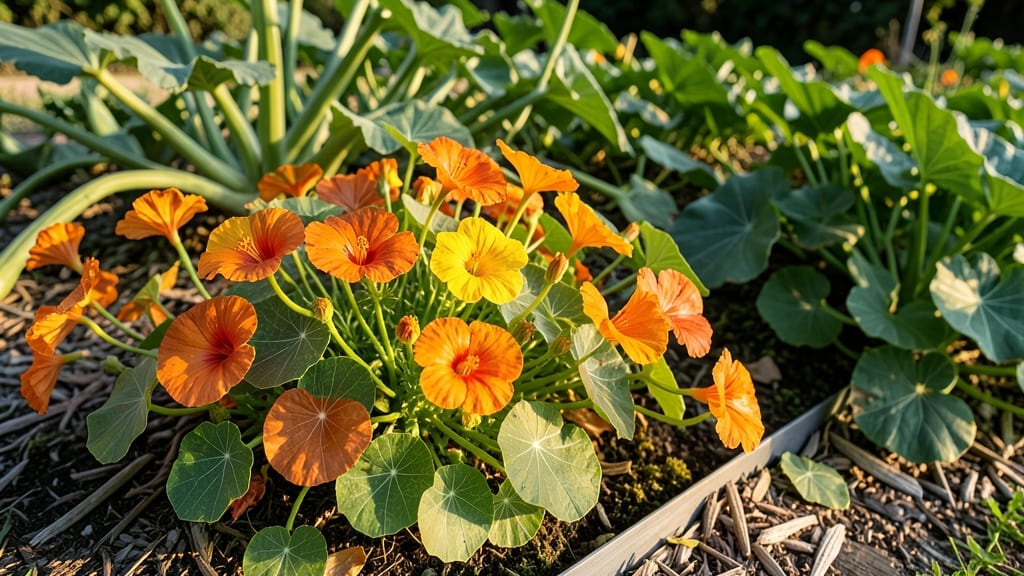
Want a natural, chemical-free way to keep aphids and squash bugs off your veggies? Nasturtium leaves pack a peppery punch that repels these pests while attracting pollinators—making them the perfect edging plant for garden beds.
These hardy annuals thrive in full sun to partial shade and tolerate poor soil, making them low-maintenance workhorses. Simply plant them around vulnerable crops like tomatoes, cucumbers, or peppers, and their bitter foliage will deter pests without harming beneficial insects. Bonus: Their vibrant orange and yellow flowers add a pop of color while luring bees and butterflies.
Urban gardeners and beginners will love how easy nasturtiums are to grow—just scatter seeds directly in the soil and watch them spread. A true win-win for pest control and pollinator support! 🌻
Collard Greens’ Cabbage Worm Magnet
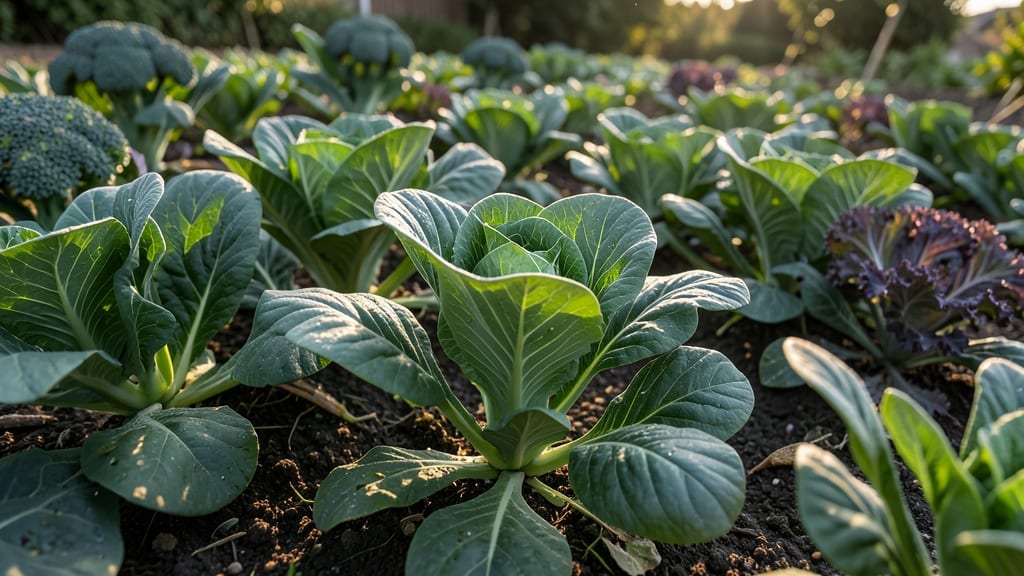
If your broccoli and kale plants are under siege by cabbage moths, collard greens might just be your garden’s unsung hero. These hardy greens act as a natural decoy, luring pests away from your prized brassicas while their broad leaves create a protective canopy for heat-sensitive neighbors.
Plant collards in a sacrificial border around your brassica patch to intercept cabbage moths before they lay eggs. Their large, wrinkled leaves also provide shade for delicate plants like lettuce or spinach during scorching afternoons. Plus, collards thrive in cool to warm seasons, making them a year-round workhorse in many climates.
This dual-purpose green is perfect for gardeners who want low-maintenance pest control without chemicals. Try planting them in succession every 4-6 weeks for continuous protection and harvest. 🌱
Purslane’s Succulent Pest Barrier

When your garden feels like a battleground against root-knot nematodes and cucumber beetles, purslane steps in as the unsung hero. This drought-loving succulent thrives in the heat where most greens wilt, offering both pest protection and edible greens in one package.
Purslane’s thick, fleshy leaves create a natural barrier that deters nematodes from attacking your cucumbers, melons, and squash. Its mild, tangy flavor also repels cucumber beetles, which are notorious for spreading bacterial wilt. Plant it around the edges of your hot, dry garden beds—it self-seeds easily and handles poor soil conditions better than many other greens.
Perfect for urban gardeners, container growers, or anyone with sandy soil, purslane turns problem areas into productive pest-free zones. 🌻