
How To
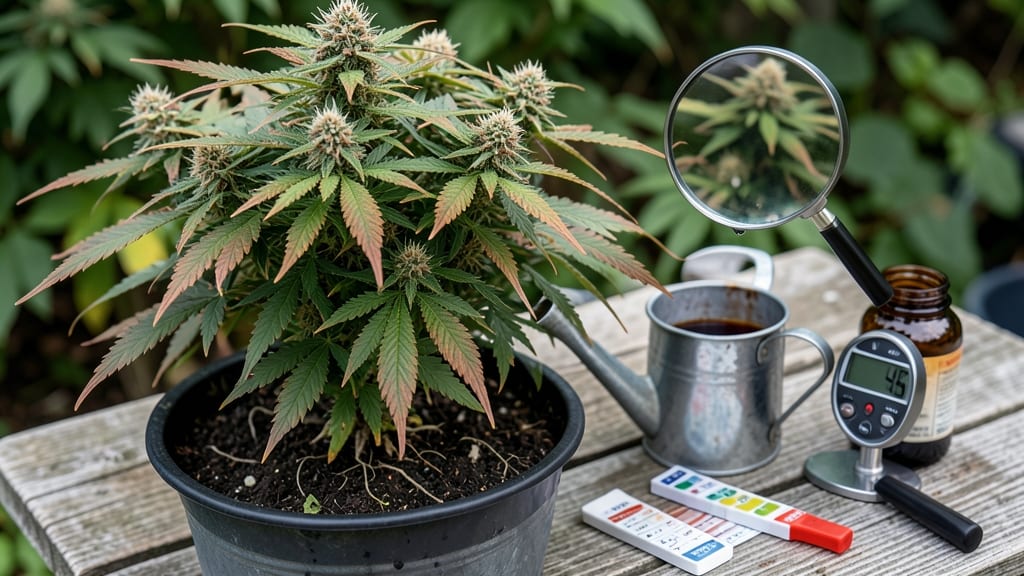
Your cannabis plants are screaming for help when those brown leaf tips appear—and it’s not just cosmetic. ✂️ I’ve seen growers throw away entire harvests because they didn’t address the root causes (literally) of this common issue.
The good news? Fixing it starts with understanding whether it’s nutrient burn, overwatering, or environmental stress—and how to trim just right to save the plant without sacrificing potency.
Most brown tips stem from calcium or magnesium deficiencies, but overwatering and low humidity can mimic the same symptoms. I learned the hard way that simply snipping the dead tips isn’t enough—you’ve got to adjust your watering schedule, check pH levels, and maybe even tweak your grow light distance.
The key is acting fast before the damage spreads to the whole plant.
Once you identify the cause, precision trimming is your secret weapon. Use sharp scissors to cut just the brown edges (never the green tissue), and avoid touching the main stem.
This keeps the plant healthy while letting it focus energy on new, vibrant growth. Within a week, you’ll see fresh green leaves pushing through—proof the plant is fighting back.
For stubborn cases or systemic issues, don’t hesitate to test your water and soil. A simple pH test or TDS meter can reveal hidden imbalances. And if the problem keeps returning?
That’s your cue to reassess your grow setup—whether it’s upgrading your ventilation or switching to a more stable nutrient blend. Your plants (and your harvest) will thank you.
Root Causes of Leaf Discoloration
When your cannabis plants develop brown leaf tips, it’s often a cry for help—your plants are telling you something’s off. Understanding the why behind this stress signal is the first step to saving your yield and ensuring healthy growth.
Below, we break down the most common culprits, backed by science, so you can diagnose the issue like a pro. 🌱🔍
Brown leaf tips are a classic sign of overwateringroot suffocation. When roots sit in soggy soil for too long, they struggle to absorb oxygen, leading to cellular damage. Over time, this stress causes the tips to brown as the plant loses nutrients and water through transpiration.
- How it happens:
- Excess water displaces oxygen in the root zone, triggering anaerobic conditions.
- Salt buildup from fertilizers or tap water accumulates, further stressing roots.
- Compacted or non-porous soil traps moisture, worsening the issue.
- Actionable fix:
- Let the top 1–2 inches of soil dry out between waterings (stick your finger in to test!).
- Use a well-draining soil mix (60% airy, 40% organic matter) with perlite or coco coir.
- Flush the soil with pH-balanced water (5.5–6.5) to leach out excess salts.
Cannabis plants thrive in humidity levels between 40–70%, depending on the growth stage. When air is too dry—especially in flowering—leaf tips lose moisture faster than roots can replenish it. This causes desiccation, where cells shrink and die, turning brown.
- How it happens:
- Low humidity (below 40%) increases transpiration rates, pulling water out of leaves.
- Heating systems (like grow lights or HVAC) dry out the air, accelerating moisture loss.
- Small or young plants are more vulnerable due to their higher surface-area-to-volume ratio.
- Actionable fix:
- Use a hygrometer to monitor humidity and adjust with a humidifier (especially in veg).
- Mist leaves lightly in the morning (avoid evening to prevent mold).
- Group plants together to create a microclimate with higher humidity.
Too much fertilizer—especially high-salt nutrients like nitrogen (N), phosphorus (P), or potassium (K)—can cause nutrient burn. Excess salts draw water out of leaf cells via osmosis, leading to crispy, brown edges. Even deficiencies (like calcium or magnesium) can trigger similar symptoms.
| Symptom | Likely Cause | Quick Test |
|---|---|---|
| Brown tips on older leaves | Nitrogen (N) deficiency or potassium (K) excess | Flush soil with pH-balanced water; check EC/PPM levels. |
| Brown tips on new growth | Calcium or magnesium deficiency | Add Epsom salt (magnesium sulfate) or calcium nitrate. |
| Yellowing between veins + brown tips | Potassium (K) deficiency or chlorine toxicity | Use a chelated potassium supplement or switch to reverse osmosis water. |
Pro tip: Always follow the feed schedule on nutrient labels—more isn’t better! 💡
While less common, pests like spider mites, aphids, or thrips can cause brown leaf tips by puncturing cell walls and draining sap. Fungal or bacterial infections (e.g., powdery mildew, botrytis) can also lead to necrotic (dead) tissue, especially in humid conditions.
- How to spot it:
- Tiny webs (spider mites) or sticky residue (aphids) on leaves.
- White powdery spots (mildew) or blackened, mushy tips (botrytis).
- Stunted growth or wilting alongside browning.
- Actionable fix:
- Isolate affected plants and wipe leaves with neem oil or insecticidal soap.
- Improve airflow with fans to reduce humidity and prevent fungal spread.
- Remove severely infected leaves and treat with a copper fungicide if needed.
Sudden changes in temperature, light intensity, or wind exposure can shock your plants, leading to oxidative stress and brown tips. For example:
- Cold drafts: Wind or AC vents can dry out leaf edges, causing them to curl and brown.
- Heat stress: Temperatures above 85°F (29°C) during the day or 65°F (18°C) at night can scorch leaves.
- Light burn: Too much direct sunlight (especially in outdoor grows) or HPS/MH lights too close can bleach or crisp tips.
Fix it: Monitor your grow space with a thermometer/hygrometer and adjust vents, fans, or light distance as needed. 🌡️✨
How to Revive and Prevent Brown Leaf Tips
Now that you understand the root causes behind those pesky brown leaf tips on your cannabis plants, it’s time to take action! 🌿✨ Whether your plants are suffering from nutrient burn, environmental stress, or pests, these targeted solutions will help you nurse them back to health—and keep future issues at bay.
If your cannabis leaves are crispy and brown at the tips due to excess nutrients, act fast to flush the system and adjust your feeding schedule.
How to Fix It:
- 💦 Flush the Soil Immediately
- Stop all fertilizers and nutrient supplements right away.
- Water your plants thoroughly with pH-balanced water (6.0–7.0 for soil, 5.5–6.5 for hydroponics) to help dilute and wash out excess salts.
- Repeat every 2–3 days for 1–2 weeks, depending on severity.
- 🌱 Switch to Organic or Low-Strength Nutrients
- Once flushing is complete, reintroduce nutrients gradually using a milder, organic fertilizer (like fish emulsion or worm castings).
- Follow the "feed light, feed often" rule—better to underfeed than overfeed.
- 📊 Monitor pH Levels
- Use a digital pH meter to test soil or water regularly. Incorrect pH can lock out nutrients, worsening burn.
- Adjust with pH up/down solutions if needed.
💡 Prevention Tips:
✔ Follow label instructions—never exceed recommended doses. ✔ Start with half-strength nutrients for new plants or clones. ✔ Use a TDS meter to check nutrient levels in runoff water (ideal: 1.2–2.0 for veg, 1.8–2.5 for flower).
Brown, brittle tips can also signal that your plants are struggling with their growing conditions.
How to Fix It:
- 🌞 Adjust Light Intensity & Duration
- If leaves are scorched, move plants farther from HPS/MH lights or reduce runtime (18 hours veg, 12 hours flower max).
- For LEDs, ensure proper coverage and cooling—some strains need 18–24 inches of distance.
- 🌬️ Improve Airflow & Humidity
- Increase fan circulation (but avoid direct leaf blast) to prevent heat buildup.
- Use a humidifier (40–70% humidity in veg, 40–50% in flower) or pebble trays to raise moisture levels.
- 🌡️ Regulate Temperature
- Keep temps between 70–85°F (21–29°C) day, 58–70°F (14–21°C) night.
- Use oscillating fans, AC units, or reflective shields to stabilize conditions.
💡 Prevention Tips:
✔ Acclimate plants gradually to new light setups. ✔ Avoid hot spots—check for uneven heat from lights or equipment. ✔ Use a hygrometer to track humidity and adjust as needed.
If brown tips are paired with spider webs, holes, or sticky residue, pests or pathogens may be the culprit.
How to Fix It:
- 🐜 Identify & Treat Pests
- Spider mites? Spray with neem oil or insecticidal soap (repeat every 3–5 days).
- Aphids/Thrips? Use sticky traps or pyrethrin-based sprays.
- Fungus (powdery mildew)? Apply baking soda spray (1 tsp baking soda + 1 quart water + a drop of soap).
- 🌿 Isolate & Clean Infected Plants
- Remove severely damaged leaves to prevent spread.
- Wipe down leaves with 70% isopropyl alcohol for stubborn pests.
- 🌱 Boost Plant Resilience
- Strengthen defenses with silica-rich supplements (like kelp meal) or hydrogen peroxide spray (1 tsp per quart of water).
💡 Prevention Tips:
✔ Inspect new plants before introducing them to your grow. ✔ Keep grow space clean—remove dead leaves/debris weekly. ✔ Use reflective mulch to deter pests like spider mites.
No matter the root issue, these quick recovery steps will help your cannabis bounce back:
- 🍃 Trim the Damage – Snip off only the brownest tips (never more than 20% of the leaf) to reduce stress.
- 💧 Hydrate Deeply – Water until runoff exits drainage holes (but avoid soggy soil).
- 🌿 Supplement with Beneficial Microbes – Add mycorrhizal fungi or compost tea to improve root health.
- 🕒 Give It Time – New growth should emerge in 1–2 weeks if the underlying issue is resolved.
Final Pro Tip: 🎯 Keep a grow journal to track nutrient schedules, environmental changes, and plant responses. This helps you spot patterns and prevent future brown-tip disasters!
By addressing the specific cause and following these steps, your cannabis plants will be back to thriving in no time—with stronger, healthier buds ahead! 🚀🌿
Frequently asked questions
Are brown leaf tips always a sign of overwatering?
Not necessarily! While overwatering is a common cause, brown tips can also result from low humidity, nutrient burn, or environmental stress like heat or wind. Always check soil moisture, humidity levels, and recent fertilizer use before assuming watering is the issue.
Can I save my plant if most of the leaves have brown tips?
Yes, but act fast! If less than 30% of leaves are affected, trim only the brown edges and adjust care (water, nutrients, humidity). For severe cases, flush nutrients, improve airflow, and monitor closely. New growth should appear in 1–2 weeks if the root cause is addressed.
How do I know if my brown tips are from pests vs. nutrients?
Check for physical signs: Pests (like spider mites) leave webs, holes, or sticky residue, while nutrient issues cause crispy, dry tips without visible damage. Test your water with a TDS meter—high readings (>2.5) suggest nutrient burn.
Should I prune brown tips in flowering stage?
Yes, but do it sparingly—never remove more than 20% of a leaf. Pruning stimulates new growth and reduces stress, but avoid cutting into green tissue. Focus on only the deadest tips to preserve energy for bud development.
Will brown tips affect my final yield?
Minor browning won’t ruin your harvest, but severe or widespread damage can reduce potency and bud quality. Address the issue early to ensure healthy growth. Plants with brown tips may also be more vulnerable to pests or mold.