
How To
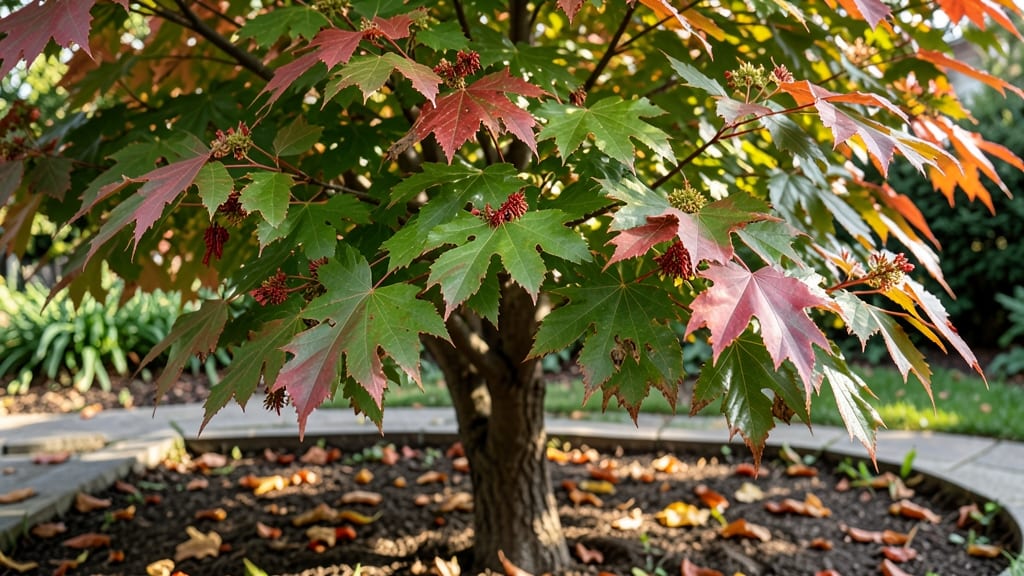
Brown leaf tips on red maple trees can turn vibrant foliage into a sad, crispy mess—but I’ve revived even the most damaged trees with a simple copper spray fix. 🌿 The problem usually starts with environmental stress, fungal infections, or nutrient deficiencies, but the solution is straightforward once you know what to look for.
Most gardeners assume it’s just drought or old age, but I’ve seen these trees bounce back in just a few weeks with the right care. Copper spray tackles fungal issues like anthracnose, while adjusting watering and mulching addresses stress.
The key is acting fast—before the damage spreads to the whole leaf.
By mid-summer, your red maple’s leaves will be lush and healthy again, with no more brown tips to mar that stunning fall color. The spray is easy to make, and the results speak for themselves—no more guessing games or expensive treatments.
Works for both young and mature trees, and you can use this method year after year for prevention. Let’s get those leaves looking vibrant again!
Root Causes Behind Leaf Damage
Understanding why your red maple’s leaves develop brown tips is the first step to restoring their vibrant health. These issues often stem from environmental stress, nutrient deficiencies, or pest-related damage. Let’s break down the most common culprits and what they mean for your tree.
Red maples are sensitive to moisture imbalances, and improper watering is a leading cause of brown leaf tips. Here’s how it happens:
- Overwatering or Poor Drainage Soggy soil deprives roots of oxygen, leading to anaerobic stress—a condition where roots suffocate.
This triggers nutrient uptake failures, causing leaf edges to brown and crisp. Look for: Yellowing between veins (chlorosis) followed by browning at the tips, often accompanied by fungal growth at the soil line.
- Underwatering or Drought Stress When soil dries out, red maples struggle to absorb water efficiently. The tips of leaves—being the oldest and least protected—suffer first due to osmotic stress. Signs include: Dry, brittle tips that curl upward, often paired with wilting in extreme cases.
- Fluctuating Moisture Levels Inconsistent watering (e.g., deep soaks followed by drought) confuses the tree’s root system. This hydraulic stress disrupts nutrient transport, leading to marginal browning. Pro tip: Aim for 1–1.5 inches of water per week, including rainfall, and mulch to retain moisture.
Red maples are hardy, but extreme conditions can push them over the edge. Here’s how climate factors contribute:
- Heat and Sun Scorch Intense sunlight (especially in summer) combined with dry air causes leaf desiccation. The tips burn because they’re exposed to the most direct UV rays. Watch for: Brown, papery edges on leaves facing southwest or west, often with a crispy texture.
- Winter Desiccation or Freeze Damage Cold winds and rapid temperature swings can dry out leaf tissues before they fully acclimate. This is common in early spring or late fall, when new growth is vulnerable. Signs: Brown tips on otherwise green leaves, often paired with a "scorched" appearance.
- Salt or Chemical Burn Road salt, de-icing chemicals, or even over-fertilization can accumulate in the soil, leading to ionic imbalance. The tree absorbs excess salts, which disrupt cellular function and cause marginal browning. Check for: Uniform browning across multiple branches, especially near sidewalks or driveways.
Pathogens thrive in stressed trees, often exploiting weak spots caused by poor care. These are the most common offenders:
- Anthracnose (Colletotrichum spp.) This fungal disease targets young leaves, causing brown, dead spots that start at the edges and work inward. It flourishes in cool, wet springs, and red maples are particularly susceptible. Look for: Dark, sunken lesions with yellow halos, often on lower branches first.
- Verticillium or Fusarium Wilt Soil-borne fungi that clog the tree’s vascular system, restricting water and nutrient flow. The result? Wilting, browning tips, and eventual leaf drop. Red flags: One-sided browning, yellowing between veins, and dieback starting from the bottom up.
- Bacterial Leaf Scorch (Xylella fastidiosa) Bacteria invade the water-conducting tissues, disrupting hydration. Leaves develop brown, scorched edges while staying attached to the tree. Key symptom: Symptoms worsen as the season progresses, with new growth showing less severe (but still present) browning.
Insects like mites, scale, and aphids feed on leaf sap, weakening the tree and causing stress-related browning:
- Spider Mites (Tetranychus spp.) These tiny pests thrive in dry conditions, sucking sap and leaving behind stippled, bronzed, or browned leaf tips. Heavy infestations cause webbing on undersides. Tell-tale sign: Leaves appear dusty or speckled with brown dots.
- Scale Insects (e.g., Oystershell Scale) Scale insects secrete honeydew, which fosters sooty mold—a black fungal growth that blocks sunlight. This indirect stress leads to marginal browning. Look for: Sticky residue on leaves and bark, followed by brown, curled tips.
- Aphids (Various Species) While aphids rarely kill red maples outright, their feeding can stunt growth and cause leaf curling with browned edges. Heavy populations also attract ants, which protect the aphids in exchange for honeydew.
Red maples need a balanced diet, and deficiencies often show up as brown tips:
- Potassium Deficiency Potassium regulates water and nutrient movement in leaves. A deficiency causes marginal scorching (brown, dead edges) while the center of the leaf stays green. Test for: Weak, stunted growth paired with brown tips on older leaves first.
- Magnesium or Calcium Imbalance These minerals are crucial for cell structure.
A lack of magnesium leads to interveinal chlorosis (yellowing between veins) followed by browning, while calcium deficiency can cause blossom-end rot-like symptoms on leaves. Soil test tip: If your soil is acidic (pH < 6.0), magnesium may be locked out.
- Iron or Manganese Deficiency These micronutrients are vital for chlorophyll production. Deficiencies cause yellowing between veins (chlorosis) that progresses to brown, brittle tips. Common in alkaline soils (pH > 7.0), where iron becomes unavailable.
Even well-intentioned treatments can backfire:
- Overuse of Herbicides or Fertilizers Drift from broadleaf herbicides (e.g., 2,4-D) or excessive nitrogen can cause chemical burn, manifesting as brown, curled leaf tips. Avoid: Applying treatments when leaves are wet or during windy conditions.
- Aluminum Toxicity In acidic soils (pH < 5.0), aluminum becomes soluble and toxic to roots. This disrupts nutrient uptake, leading to browning at leaf margins. Solution: Test soil pH and amend with lime if needed.
Not sure what’s causing the browning? Ask yourself:
- When did the symptoms start? (Spring = fungal; Summer = heat/scorch; Fall/Winter = cold stress.)
- Are symptoms uniform or spotty? (Uniform = environmental; Spotty = pest/fungal.)
- Which leaves are affected? (Older = nutrient/pest; New = fungal/chemical.)
- Is the tree otherwise healthy? (Weak growth = deficiency; Vigorous but browning = environmental.)
Revive Your Red Maple Naturally
Now that you know the root causes behind those pesky brown leaf tips on your red maple, it’s time to roll up your sleeves and bring your tree back to its vibrant best! 🌿✨ The good news?
Most fixes are simple, cost-effective, and require minimal effort. Below, we’ve mapped out practical solutions for each common cause—plus prevention tips to keep your tree thriving year-round.
Signs: Yellowing leaves, soggy soil, or roots sitting in water. Solution:
- Step 1: Check the Soil 👨🌾🔍 Dig 2–3 inches into the soil around the tree’s base. If it feels drenched or smells like rot, you’ve got drainage issues.
- Step 2: Improve Drainage 🏗️💦
- Raise the Soil Level: Mix equal parts compost and native soil, then mound it gently around the tree’s root zone (avoid piling near the trunk).
- Add Organic Matter: Work in pine bark fines or coconut coir to loosen compacted soil and improve aeration.
- Install a Drainage Swale (if needed): For severe cases, create a shallow trench 1–2 feet away from the tree to redirect excess water.
- Step 3: Adjust Watering 💧⏰
- Water deeply but less often—red maples prefer 1–1.5 inches per week (including rain). Let the top 2–3 inches of soil dry out between waterings.
- Avoid overhead watering (especially in the evening) to prevent fungal growth.
💡 Pro Tip: If your tree is in a low-lying area, consider planting it on a slight mound next time to prevent future waterlogging.
Signs: Crispy, brown edges on leaves, especially on south- or west-facing sides. Solution:
- Step 1: Provide Temporary Shade 🌳🌞
- Use lightweight shade cloth (30–50% coverage) over young trees during peak summer heat (10 AM–4 PM).
- Mulch heavily (3–4 inches of wood chips or straw) to insulate roots and retain moisture.
- Step 2: Hydrate Strategically 💦🌱
- Water in the early morning to reduce evaporation.
- Mulch volcanoes (pile mulch away from the trunk) to keep roots cool.
- Step 3: Prune for Balance ⏳🌿
- Thin out dense branches to improve airflow and reduce heat buildup.
- Remove sun-scorched leaves to encourage new growth.
🌡️ Heatwave Hack: Mist leaves with water in the evening (not during the day) to temporarily lower leaf temperature.
Signs: Brown, curled tips with black spots, webbing, or sawdust-like frass. Solution:
- Step 1: Identify the Culprit 🔍🐜
- Fungus (e.g., anthracnose, leaf spot): Brown spots with yellow halos; often appears in wet springs.
- Pests (e.g., spider mites, scale): Sticky residue (honeydew), tiny webs, or chewed leaf edges.
- Step 2: Treat Fungus 🍄💥
- Copper fungicide spray (like Bonide Copper Fungicide)—apply every 7–10 days until new leaves emerge.
- Baking soda spray (1 tsp baking soda + 1 quart water + a drop of soap) for mild cases.
- Remove and destroy infected leaves (don’t compost them!).
- Step 3: Combat Pests 🐛🚫
- Spider mites: Spray with neem oil or insecticidal soap (repeat weekly).
- Scale insects: Scrape off with a soft brush or use horticultural oil in dormant season.
- Aphids: Blast off with a strong stream of water or use soapy water spray.
✨ Prevention Tip: Prune for airflow—fungus and pests thrive in dense, humid conditions.
Signs: Uniform brown tips, stunted growth, or leaves that fall prematurely. Solution:
- Step 1: Test the Soil 📊🌍
- Use a DIY soil test kit (available at garden centers) to check pH and nutrient levels.
- Red maples prefer slightly acidic soil (pH 5.0–6.5).
- Step 2: Fertilize Smartly 🌿💪
- Spring boost: Apply a balanced fertilizer (10-10-10) in early spring.
- For iron/chlorosis: Use chelated iron or iron sulfate (follow package rates).
- Avoid over-fertilizing—too much salt can burn roots!
- Step 3: Mulch & Compost 🍂🔄
- Spread 2–3 inches of organic mulch (like hardwood chips) to slowly release nutrients.
🍎 Quick Fix: Epsom salt spray (1 tbsp per gallon of water) can help with magnesium deficiency (yellowing between leaf veins).
Signs: Brown tips after drought, wind, or extreme weather. Solution:
- Step 1: Deep Water Immediately 💦🌱
- Soak the root zone with 5–10 gallons of water (depending on tree size) to revive stressed roots.
- Step 2: Wind Protection 🌳💨
- Tie young trees to stakes with flexible tree ties to prevent snapping.
- Plant windbreaks (like shrubs or evergreens) on exposed sides.
- Step 3: Monitor & Support 👀🌿
- Prune damaged branches to redirect energy to healthy growth.
- Apply anti-transpirant (like Wilt-Pruf) to reduce water loss in extreme heat.
🔥 Emergency Care: If leaves are completely crispy, trim them back—new growth will emerge from healthy buds.
To keep your red maple lush and leafy, follow these year-round habits: ✅ Water deeply but infrequently (1–1.5 inches per week). ✅ Mulch properly (3–4 inches, kept 6 inches from the trunk). ✅ Prune in late winter/early spring to remove dead wood. ✅ Monitor for pests/fungus—catch issues early! ✅ Avoid compacting soil around the base (no heavy foot traffic). ✅ Test soil every 2–3 years to adjust pH/nutrients as needed.
Final Thought: Most brown leaf tips are fixable with a little TLC! Start with the most likely cause, act quickly, and your red maple will bounce back stronger than ever. 🌟 Happy gardening!
Frequently asked questions
Why do red maple leaves turn brown at the tips first?
Red maple leaves develop brown tips first because those areas are the oldest and most vulnerable to stress. The leaf edges have fewer protective cells and thinner cuticles, making them more susceptible to environmental damage like drought, salt exposure, or nutrient deficiencies. Think of it like how your skin cracks first in cold weather—it’s the thinnest part.
Can copper spray harm my red maple if I use it too often?
Copper spray is generally safe when used as directed, but overapplication can cause phyto-toxicity—burning leaves or inhibiting growth. Stick to the recommended schedule (every 7–10 days during active growth season) and always apply in the early morning when leaves are dry. If you notice yellowing or curling after treatment, dilute the mixture or reduce frequency.
How do I tell if brown tips are from drought or fungal disease?
Drought-stressed tips are dry, crispy, and curl upward, while fungal damage often shows dark spots with yellow halos or soft, wet-looking edges. Check the leaf undersides for fungal growth or webbing (sign of spider mites). Also, note the timing—drought stress happens in hot, dry weather, while fungal issues peak in cool, wet springs.
Will pruning brown-tipped leaves help my red maple recover?
Yes! Pruning removes stressed leaves that drain energy from healthy growth. Focus on severely damaged branches first, then thin out crowded areas to improve airflow. Avoid heavy pruning in late summer—wait until dormant season (late winter) for major cuts. Never remove more than 25% of the canopy in one year to prevent shock.
Can I use household items like vinegar or dish soap to treat brown tips?
Household vinegar (undiluted) is too harsh and will burn leaves, while mild dish soap (1 tsp per gallon of water) can help with aphids or spider mites—but it won’t fix fungal issues or nutrient deficiencies. For fungal problems, stick to copper fungicide or baking soda spray. Always test sprays on a small leaf first to avoid damage.