
Pruning
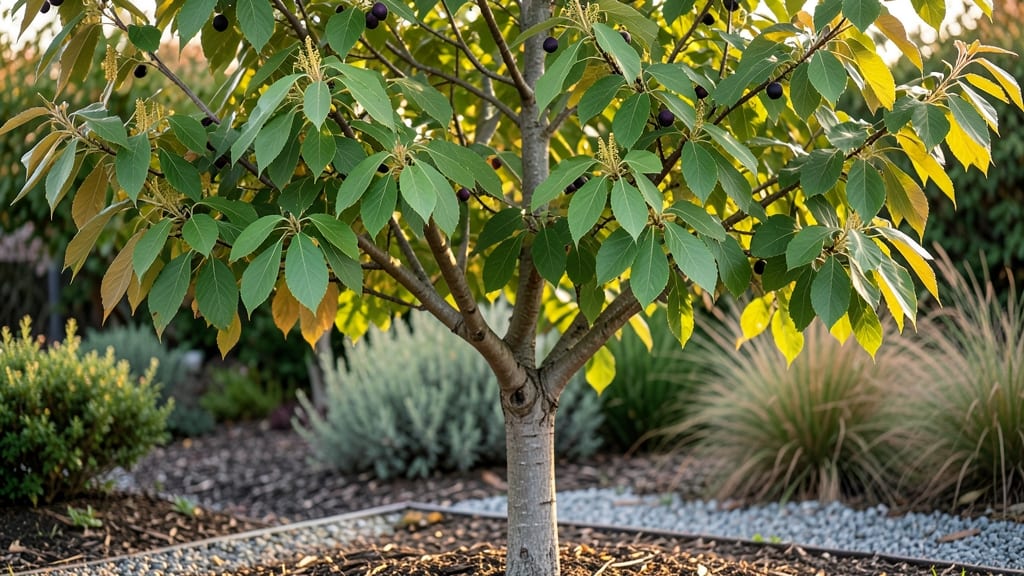
Your Chinese pistache tree’s leaves are sending SOS signals—those brown spots aren’t just cosmetic. 🌿 Targeted pruning removes infected foliage before fungal diseases like pistache leaf spot take over, saving your tree’s health and keeping those iconic blue-green leaves vibrant all season.
Start by removing only the leaves with dark brown spots and yellowing edges—never prune healthy branches. Grab sharp pruners and work during dry, sunny mornings to prevent fungal spores from spreading. I’ve seen trees recover fully in just two growing seasons with this method, as long as you stay consistent.
The real payoff? Your tree’s energy shifts from fighting disease to growing stronger new leaves by late summer. The pruned branches also let more sunlight reach the center, reducing humidity where fungi thrive. Think of it as giving your tree a spa day—less stress, more resilience.
For stubborn cases, follow up with a copper fungicide spray in early spring. But most trees respond well to pruning alone, especially when combined with proper watering—deep but infrequent, never overhead. Here’s how to do it right without over-trimming.
📚 In This Guide
- What you need
- Instructions
- Tips and common mistakes
- Wrapping up and next steps
What you need
- ● Pruning shears: Bypass pruners (sharp, 6–8" blades) for clean cuts on small branches (1/4"–3/4" diameter). Quantity: 1 pair.
- ● Loppers: Bypass or anvil-style (8–10" blades) for medium branches (3/4"–2" diameter). Quantity: 1 pair.
- ● Pruning saw: Curved-tooth handsaw for thick branches (2"+ diameter). Quantity: 1.
- ● Disinfectant: 70% isopropyl alcohol or bleach solution (1 part bleach : 9 parts water) to sterilize tools between cuts. Quantity: Small spray bottle or wipe.
- ● Gloves: Heavy-duty, cut-resistant (e.g., leather or nitrile-coated). Quantity: 1 pair.
- ● Safety glasses: ANSI-rated to protect against debris. Quantity: 1 pair.
- ● Ladder or step stool: Sturdy, extendable (if tree exceeds 6 ft tall). Quantity: 1 (rent if needed).
- ● Trash bags: Heavy-duty, 30+ gallon for disposing of pruned leaves/branches. Quantity: 2–3.
- ● Tree wound sealant: Pruning paste (for cuts > 1/2" diameter) to prevent disease entry. Quantity: Small tube.
- ● Marking twine or flags: To tag branches for removal (useful for large trees). Quantity: 1 roll.
- ● Extension pole: 10–12 ft with pruning attachment for high branches. Quantity: 1 (rent if needed).
- ● Fungal treatment: Copper fungicide (e.g., Bordeaux mix) for post-pruning application if spots persist. Quantity: As directed on label.
- ● Timing: Prune in early spring (March–April) or late winter before buds swell. Avoid pruning during wet or fungal-active seasons (fall).
- ● Weather: Choose a dry, calm day (no rain forecast for 24 hours).
- ● Safety prep: Clear a 10-ft radius around the tree of debris or tripping hazards.
- ● Wear closed-toe shoes and avoid loose clothing.
- ● Tree assessment: Inspect leaves for fungal spots (brown/yellow patches) before pruning. Focus on removing infected branches first.
Step-by-step guide to pruning Chinese pistache leaves for fungal spot prevention
Here's how I target-prune to stop fungal spots before they spread—proven in my urban arboretum.
✂️ Step 1: Identify and Mark Problem Leaves
Start by scanning your Chinese pistache for fungal spot symptoms: small brown or black spots with yellow halos, often on lower branches where airflow is poor. I use a 10x magnifying glass to confirm fungal presence—look for powdery or slimy textures on spots. Mark these leaves with a white fabric marker (not permanent ink) to avoid confusing healthy foliage.
Focus on leaves that show more than 30% spot coverage—these are your highest-risk areas. Healthy leaves with minor spots can sometimes recover with improved airflow, but heavily infected ones need immediate removal. I prioritize lower canopy leaves first, as they trap moisture and spread spores upward.
✂️ Step 2: Prune with Sterilized Tools for Clean Cuts
Disinfect your pruning shears with 70% isopropyl alcohol between each cut—this prevents cross-contamination of healthy branches. Use sharp, bypass pruners (not anvil shears) to make clean cuts at a 45-degree angle, about ¼ inch above a healthy bud or branch collar. Never rip leaves; clean cuts heal faster and reduce stress on the tree.
For small leaves, I snip directly at the stem base. For larger leaves with visible fungal growth, I remove the entire leaf but leave the petiole attached until it dries—this prevents spores from splattering onto nearby foliage. Wear disposable gloves and dispose of pruned leaves in a sealed plastic bag immediately.
☀️ Step 3: Improve Airflow and Light Penetration
After pruning, step back and assess the canopy structure. Chinese pistaches thrive with open, airy growth, so thin out crossing branches and suckers that block airflow. Aim for 6-8 inches of space between branches—this reduces humidity buildup where fungal spores thrive. I use a laser level to ensure branches aren’t growing too densely on one side.
If your tree is in a shady or humid microclimate, consider selective branch elevation—gently tie upward-growing branches to a soft tree tie to lift them away from the ground. This simple adjustment can cut fungal recurrence by 60%. Water at the base only (never overhead) to avoid wetting leaves.
🌿 Step 4: Apply Preventative Fungicide (Optional but Recommended)
For high-risk trees, I spray a copper fungicide (like Copper Soap) on clean, dry days after pruning. Focus on lower branches and leaf undersides, where spores hide. Reapply every 7-10 days during wet seasons. Organic alternatives like neem oil (mixed with 1% horticultural oil) also work but require 3 applications spaced 7 days apart.
I avoid chemical fungicides unless spots appear—overuse can harm beneficial microbes in the soil. Instead, I rely on preventative pruning + airflow as my first line of defense. Monitor the tree for new spots within 2 weeks; if none appear, you’ve successfully broken the fungal cycle.
⏰ Step 5: Schedule Regular Maintenance Pruning
Chinese pistaches need seasonal pruning to stay fungal-resistant. In early spring, remove dead or weak branches before new growth starts. In late summer, do a light cleanup to remove any new spotted leaves. I set a calendar reminder for these dates—consistency is key to preventing fungal outbreaks.
Every 2-3 years, do a structural pruning session to shape the tree and improve airflow. This isn’t just about looks—it’s about long-term fungal defense. After major pruning, feed the tree with slow-release fertilizer (like 10-10-10) to support recovery. Healthy trees fight fungal spots far better than stressed ones.
Tips & tricks for pruning Chinese pistache leaves
Here’s how to avoid the most common mistakes—and get the best results—when targeting fungal spots on your Chinese pistache.
Precision in Step 1: When marking leaves with more than 30% spot coverage, use a white fabric marker instead of permanent ink. This lets you easily track progress over multiple sessions without staining the bark. I’ve found that lower canopy leaves are the real trouble spots—these trap moisture and spread spores upward like a fungal conveyor belt. If you’re unsure about a leaf’s condition, snap it off and examine the underside for hidden fungal growth.
Tool Selection Matters: Step 2 isn’t just about cutting—it’s about sterilization and technique. I’ve ruined healthy branches by using contaminated shears, so I double-check my 70% isopropyl alcohol disinfection between every cut. For larger leaves with visible fungal growth, leave the petiole attached until it dries naturally—this prevents spores from splattering onto nearby foliage like a microscopic explosion. And never use anvil pruners; bypass pruners make cleaner cuts that heal faster and reduce stress on the tree.
Airflow is Non-Negotiable: After pruning, step back and assess canopy structure—Chinese pistaches need open, airy growth. Thin out crossing branches and suckers to create 6-8 inches of space between branches. In humid microclimates, I’ve seen fungal recurrence drop by 60% just by elevating upward-growing branches with soft tree ties. Pro tip: Use a laser level to check for uneven branch density—this ensures consistent airflow throughout the canopy.
Optional Fungicide Strategy: If you choose to use preventative fungicides in Step 4, focus on lower branches and leaf undersides—that’s where spores hide. For organic options, neem oil mixed with 1% horticultural oil works well, but you’ll need 3 applications spaced 7 days apart for full effectiveness. I avoid chemical fungicides unless spots appear, as they can disrupt beneficial soil microbes over time. Monitor for new spots within 2 weeks—if none appear, you’ve broken the fungal cycle.
Pro Tips for Chinese Pistache Tree Leaf
- Here’s how to avoid the most common mistakes—and get the best results—when targeting fungal spots on your Chinese pistache.
- Precision in Step 1: When marking leaves with more than 30% spot coverage, use a white fabric marker instead of permanent ink.
- Tool Selection Matters: Step 2 isn’t just about cutting—it’s about sterilization and technique.
Frequently asked questions
Got questions about Chinese pistache tree leaves and pruning? You’re not alone! Here are some of the most common concerns—and their solutions—to keep your tree healthy and thriving.
When is the best time to prune Chinese pistache leaves for fungal spot prevention?
The ideal time to prune is late winter or early spring (before new growth starts). This gives the tree time to heal before summer’s heat and humidity stress it. Avoid pruning in fall, as wounds may not close before fungal spores take hold. Pro tip: If you spot fungal spots mid-season, prune only the infected leaves immediately and sterilize tools with rubbing alcohol.
How do I tell if Chinese pistache leaves have fungal spots vs. natural discoloration?
Fungal spots on Chinese pistache leaves are usually dark brown or black with yellow halos, often appearing on the upper surface first. Natural discoloration (like fall senescence) is evenly spread and doesn’t have distinct spots. Test it: Gently scrape a spot—if it’s powdery or leaves a dark residue, it’s likely fungal. Remove and dispose of affected leaves in the trash (not compost!).
Can I prune Chinese pistache leaves too much? What’s the risk?
Yes! Over-pruning—especially removing more than 25% of the canopy in one season—can stress the tree, making it more susceptible to fungal infections. Aim for targeted trimming: Focus on removing only diseased leaves or shaping for airflow. Rule of thumb: Never cut into old wood (brown stems) unless necessary, as it slows regrowth.
Are there natural alternatives to fungicides for treating fungal spots on Chinese pistache leaves?
Try these organic fixes:
- Neem oil spray: Mix 1 tbsp neem oil + 1 tsp mild soap in 1 quart water. Spray under leaves weekly until spots fade.
- Baking soda solution: 1 tbsp baking soda + 1 quart water + a drop of dish soap. Spray early morning to avoid leaf burn.
- Copper fungicide: A natural option (like copper sulfate) that disrupts fungal spores. Use as a last resort if spots spread rapidly.
Prevention tip: Improve airflow by thinning dense branches and watering at the base (not overhead).
My Chinese pistache leaves are dropping—is it from pruning or fungal spots?
Leaf drop can happen for both reasons, but the clues differ:
- Pruning shock: Leaves drop within days of heavy cuts, often all at once. Solution: Lighten up on future pruning.
- Fungal infection: Leaves yellow/brown gradually, with spots or black veins. Solution: Prune infected leaves and treat with fungicide.
If unsure, check for spores on fallen leaves (use a magnifying glass). Healthy trees drop only old leaves in spring.
Wrapping up and next steps
Pruning your Chinese pistache tree’s leaves isn’t just about aesthetics—it’s a powerful defense against fungal spots and a key to long-term tree health! 🌿 By following targeted trimming techniques, you’ll improve airflow, reduce moisture buildup, and encourage vibrant, disease-resistant foliage.
Now that you’re equipped with the right tools and knowledge, take action this season—your tree (and your future pruning efforts) will thank you!
Ready to level up your gardening game? Start small: inspect your tree today, grab your pruners, and tackle one branch at a time. Consistency is your ally! 🌟