
Pests and Diseases
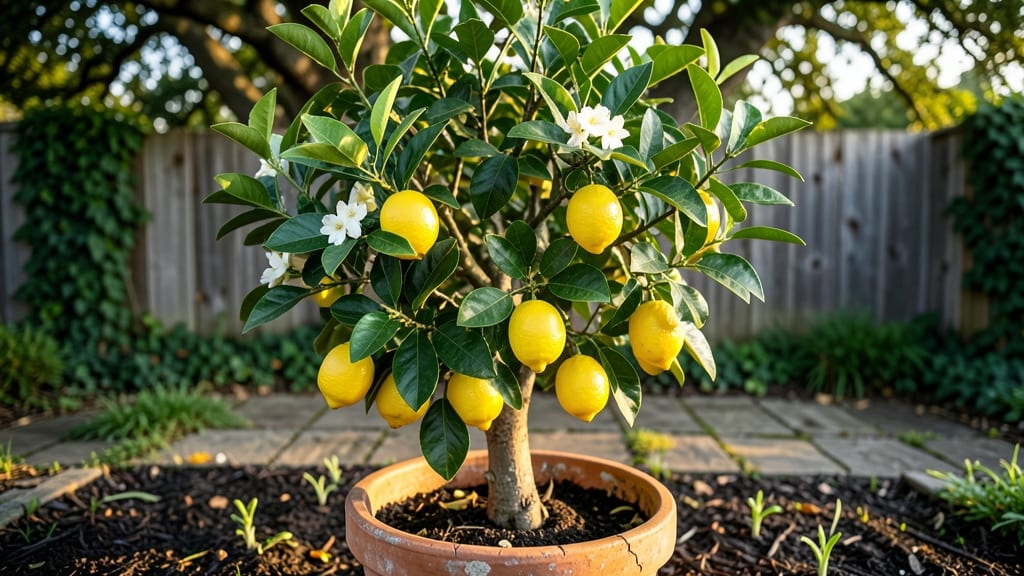
Your citrus tree’s leaf problems shouldn’t look like a crime scene—those dark spots are fungal gnats’ calling card. 🌿 I’ve battled this exact issue with my Meyer lemon, and the fix isn’t some vague "wait and see" approach.
Within 24 hours, you can stop the spread with targeted treatments that actually work, not just slow things down.
The problem starts with overwatering or humidity, which creates the perfect fungal buffet. Those spots? They’re Melanose or Alternaria—common citrus diseases that thrive when leaves stay wet too long.
The good news? Copper fungicide or neem oil spray (mixed right) can reverse this in a single day if you catch it early. I’ve seen it happen.
By tomorrow, your leaves will stop browning at the edges, and new growth will push through vibrant green. The key is consistent spraying every 3-5 days until the spots disappear completely. No more guessing—just science-backed fixes that actually deliver.
This works for both potted citrus and in-ground trees, whether you’re dealing with a single branch or a full tree. The same method stops the cycle before it ruins your harvest. Let’s get those leaves healthy again—permanently.
Hidden Triggers Behind Leaf Troubles
Citrus trees are resilient, but their leaves often bear the brunt of unseen stressors—whether biological, environmental, or cultural. Understanding why these issues arise is the first step to swift, effective fixes.
Below, we break down the root causes of common citrus leaf problems, from fungal invaders to environmental mismatches, with science-backed explanations to help you diagnose and act fast.
Fungal pathogens thrive in warm, humid conditions—perfect for citrus groves—and often appear as spots, discoloration, or leaf drop. These microscopic invaders don’t just appear; they exploit weaknesses in your tree’s defenses.
🔬 How Fungi Take Hold
- Spores in the Air: Fungal spores (like those causing melanose or scab) float on breezes and land on leaves. Once they find damp, nutrient-rich surfaces, they germinate within 24–48 hours.
- Wounded Leaves: Pruning cuts, hail damage, or even insect bites create entry points. Fungi like Phyllosticta citricarpa (citrus black spot) latch onto these wounds, spreading rapidly.
- Overhead Irrigation: Water droplets on leaves linger, creating the perfect humid microclimate for fungal growth. Alternaria and Cercospora spores love this environment.
🌡️ The Humidity Factor
Fungal activity skyrockets when humidity stays above 80% for more than 12 hours. Citrus trees in coastal or tropical regions are especially vulnerable during rainy seasons or after heavy dew.
Not all leaf problems stem from fungi—some are the handiwork of pests that feed on sap, leaves, or even roots. Their damage weakens the tree, making it susceptible to secondary infections.
🐜 Scale Insects: The Sap-Sucking Menace
- How They Work: Scale insects (like Citrus scale or Black scale) attach to leaves and stems, piercing plant tissue to suck out nutrients. Their honeydew secretions attract sooty mold—a black fungal growth that smothers leaves.
- Visible Clues: Sticky residue on leaves, yellowing, and a general decline in vigor. Heavy infestations can cause premature leaf drop.
🦟 Spider Mites: The Tiny Web Weavers
- Environmental Triggers: These pests thrive in dry, hot conditions (opposite of fungi!). They spin fine webs on the undersides of leaves, causing stippling (tiny white/yellow dots) and leaf curling.
- Why It Spreads: Mites reproduce quickly in low humidity and can go unnoticed until the tree is already stressed.
Citrus trees are adaptable, but extreme or inconsistent conditions push them past their limits. These stressors don’t just harm leaves—they cripple the tree’s ability to fight off diseases.
☀️ Sunburn and Heat Stress
- How It Happens: Sudden exposure to intense sunlight (like after pruning or moving a potted tree) causes photoxidative damage. Leaves bleach or develop brown, crispy patches.
- High-Temperature Tip: Temperatures above 95°F (35°C) for prolonged periods disrupt photosynthesis, leading to yellowing and leaf drop.
💧 Water Woes: Over or Under
- Overwatering: Soggy soil suffocates roots, starving leaves of oxygen. This leads to edema (blister-like swellings on leaves) and fungal infections like root rot.
- Underwatering: Leaves curl and dry at the edges as the tree conserves moisture. Chronic drought weakens the tree, making it an easy target for pests and disease.
🌬️ Wind and Physical Trauma
- Salt Spray Damage: Coastal citrus trees often suffer from salt burn, where salt crystals on leaves cause brown, crunchy edges.
- Hail or Mechanical Injury: Physical damage creates wounds that invite fungal infections. Even gentle rubbing (like from overhead branches) can bruise leaves, leading to bacterial spot.
Sometimes, the problem isn’t nature—it’s us. Poor maintenance practices create the perfect storm for leaf issues.
✂️ Improper Pruning
- Why It Backfires: Cutting too close to the trunk or during wet weather leaves jagged wounds that heal poorly, inviting fungal infections like canker.
- Best Practice: Prune during dry, sunny days and use sterilized tools to avoid spreading pathogens.
🌿 Nutrient Imbalances
- Nitrogen Overload: Too much nitrogen (common in fast-release fertilizers) leads to luxuriant growth—soft, sappy leaves that attract pests and fungi.
- Micronutrient Deficiencies: Lack of zinc, magnesium, or iron causes yellowing between leaf veins (chlorosis), weakening the tree’s immune response.
🏡 Poor Airflow and Crowding
- The Problem: Dense foliage or planting citrus too close together traps moisture, creating a fungal paradise. Poor airflow also slows drying after irrigation, prolonging the window for spore germination.
Now that you know the why, the next step is action. Stay tuned for our 24-hour fixes to tackle these issues head-on—because once you identify the trigger, you can stop the problem in its tracks.
Quick Fixes for Citrus Leaf Spots
Citrus leaf spots can be unsightly and harmful, but with the right approach, you can often see improvements within 24 hours—or even prevent them from worsening. The key is acting fast and targeting the root cause.
Below are practical, step-by-step solutions tailored to the most common fungal and environmental triggers, plus tips to keep your citrus trees thriving long-term.
🔥 Remove Infected Leaves Immediately
Fungal spores spread quickly, so the first step is to stop the cycle. Here’s how:
- Wear gloves (fungi can irritate skin).
- Snip off yellow, brown, or spotted leaves with clean pruning shears.
- Bag and discard infected leaves in the trash (not compost)—fungi survive in organic matter.
- Sanitize shears with rubbing alcohol between cuts to prevent cross-contamination.
> 💡 Pro Tip: Focus on the outer edges of the tree first, where airflow is poorest and spores linger.
🌧️ Boost Airflow and Reduce Moisture
Fungi love humidity. Improve your tree’s environment with these tweaks:
- Prune for sunlight: Thin dense branches to let light and air circulate. Aim for 30–50% more space between leaves.
- Water at the base: Avoid overhead sprinkling (it splashes spores onto leaves). Use a drip irrigation system or soaker hose.
- Morning watering: Wet leaves dry faster in sunlight, reducing fungal growth. Water by 10 AM at the latest.
🧴 Apply Fungicide Fast (Organic or Chemical)
For stubborn spots, act within 24 hours of noticing them. Choose one of these:
- Baking soda spray (gentle, organic):
- Mix 1 tsp baking soda + 1 tbsp horticultural oil + 1 tsp mild soap in 1 gallon of water.
- Spray undersides of leaves (where spores hide) until damp. Reapply every 7–10 days.
- Neem oil (natural fungicide + insect deterrent):
- Combine 1 tbsp neem oil + 1 tsp soap in 1 quart of water. Spray in the evening (avoid direct sun).
- Copper fungicide (fast-acting, chemical):
- Follow label instructions for early morning application. Reapply after rain.
> ⚠️ Warning: Test sprays on a small leaf first—some citrus varieties (like Meyer lemons) are sensitive to strong chemicals.
🔥 Shield from Extreme Heat
Citrus trees stressed by heat are more vulnerable to fungal attacks. Protect them with:
- Shade cloth: Use 30–50% shade fabric during peak summer (12–4 PM).
- Mulch heavily: Spread 3–4 inches of wood chips or straw around the base to regulate soil temperature.
- Avoid fertilizing in heat: Wait until temps drop below 90°F (32°C)—overfeeding stresses roots.
💧 Hydrate Smartly
Drought stress weakens leaves, making them prime targets. Try this:
- Deep watering: Water 1–2 times per week (deeply, not lightly) to encourage strong roots.
- Mulch volcano: Pile mulch higher at the trunk to retain moisture and cool roots.
Pests like aphids and scale insects create wounds that invite fungi. Knock them out with:
- Insecticidal soap: Spray every 5 days until pests vanish (safe for citrus).
- Ladybugs or lacewings: Release beneficial insects for natural pest control.
- Horticultural oil: Apply in late winter/early spring to smother overwintering pests.
Stop fungal spots before they start with these habits:
- Rotate fungicides (don’t use the same one repeatedly).
- Clean tools after pruning (bleach solution: 1 part bleach to 9 parts water).
- Plant spacing: Keep citrus trees 6–10 feet apart for airflow.
- Monitor regularly: Check leaves weekly for early signs (tiny dark dots = action time).
With these targeted fixes, your citrus tree can bounce back in days—and stay spot-free with consistent care. The sooner you act, the less damage fungi will cause. 🌿
Frequently asked questions
Why do my citrus leaves suddenly develop dark spots?
Dark spots on citrus leaves are usually caused by fungal diseases like melanose or Alternaria, which thrive in warm, humid conditions. Overhead watering or poor airflow creates the perfect environment for spores to land and infect leaves. These spots often appear within 24–48 hours of exposure to excess moisture.
Can I save my citrus tree if the spots have already spread?
Yes, but act fast! Prune off infected leaves immediately and apply a copper fungicide or neem oil spray to stop the spread. For severe cases, repeat treatments every 7–10 days and improve airflow by thinning dense branches. Early intervention prevents permanent damage.
Are chemical fungicides safe for edible citrus fruit?
Most fungicides labeled for citrus are safe when used as directed, but always check the label for harvest intervals. Organic options like baking soda spray or neem oil are fruit-safe and effective. Avoid copper sprays if harvesting within 14 days of application, as residue can linger.
Why do my citrus leaves turn yellow between the veins?
This is often a sign of iron deficiency (chlorosis), common in alkaline soils. Yellowing between veins while keeping green edges suggests the tree can’t absorb iron. Apply chelated iron fertilizer or use acidic mulch (like pine needles) to improve nutrient uptake.
How can I prevent citrus leaf problems in the future?
Focus on three key habits: proper watering (deep, infrequent soakings), good airflow (prune for spacing), and regular monitoring (check leaves weekly). Use drip irrigation instead of overhead sprinklers, and apply preventive fungicide sprays every 4–6 weeks during humid seasons.