
Diseases
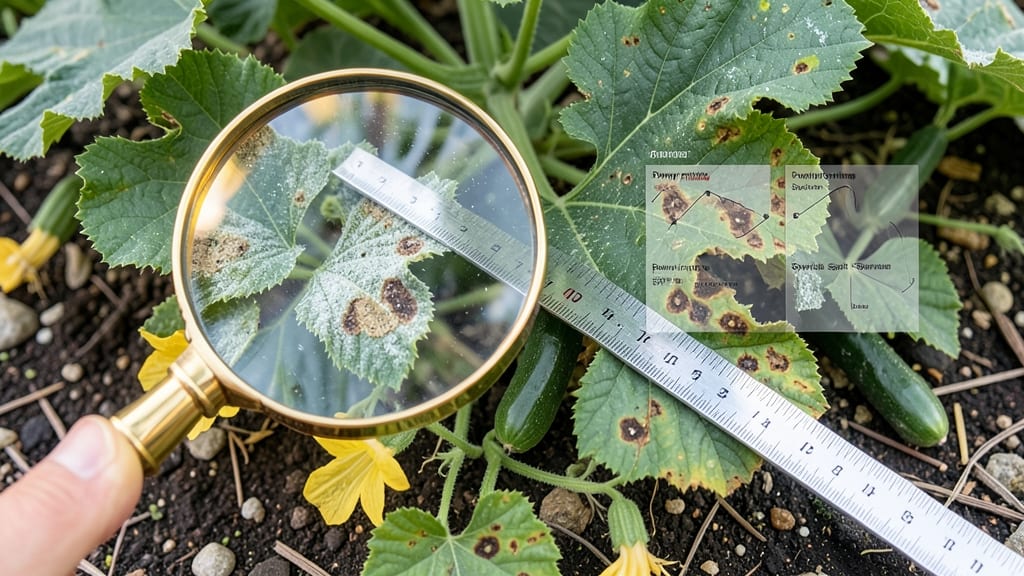
Your cucumbers could be hiding a fungal secret—cucumber plant leaf diseases spread faster than you think, but I’ll show you how to catch them early.
I’ve seen powdery mildew turn vibrant green leaves into ghostly white in just 5 days, and downy mildew leave yellow splotches that spread like ink in water.
These diseases thrive in warm, humid conditions—exactly the same environment your cucumbers love. The good news? You can stop them before they ruin your harvest with the right mix of prevention and quick action. Think of it like a garden immune system boost.
By the end of this, you’ll know exactly what to look for, how to treat infected plants, and—most importantly—how to keep your cucumber patch healthy all season. No more guessing whether those spots are just sunburn or something worse.
We’ll cover organic sprays that work in 24 hours, when to prune for airflow, and why copper fungicides are your secret weapon. Let’s get those leaves back to their glossy, disease-free best.
Root Causes Behind Leaf Troubles
Cucumber plants may seem resilient, but their leaves are surprisingly vulnerable to diseases—often due to a mix of environmental stress, poor growing conditions, and microbial invaders. Understanding the why behind these issues is the first step to stopping them in their tracks.
Let’s break down the key culprits that turn vibrant green leaves into sad, spotted, or shriveled messes.
Cucumber leaves thrive in specific conditions, and when the weather betrays them, diseases strike fast. Here’s how:
- Excessive Moisture & Humidity - Fungal spores (like those causing downy mildew or powdery mildew) love damp conditions. When humidity stays above 70-80% for extended periods—or when leaves stay wet from overhead watering—fungi get the perfect breeding ground.
Poor air circulation (thanks to crowded plants) makes it worse. - Actionable insight: Aim for morning watering (so leaves dry by evening) and space plants 12-24 inches apart for airflow.
- Temperature Swings - Cucumbers prefer 70-85°F (21-29°C).
If nights dip below 50°F (10°C) or days soar above 90°F (32°C), the plant’s defenses weaken. Bacterial leaf spot and anthracnose thrive in these extremes because the plant can’t fight off pathogens effectively. - Pro tip: Use row covers in cool weather or provide shade cloth in scorching heat to stabilize conditions.
- Rain & Wind Stress - Heavy rain can wash away protective wax coatings on leaves, leaving them vulnerable to fungal infections.
Wind can also abrade leaf surfaces, creating tiny wounds where bacteria and fungi sneak in. - Quick fix: Plant cucumbers in sheltered spots or use trellises to lift leaves above ground level.
Your gardening habits might be accidentally inviting diseases. Here’s how:
- Overcrowding & Lack of Spacing
- When cucumber vines grow too close, leaves brush against each other, spreading spores like wildfire. Poor airflow traps moisture, creating a fungal paradise.
- Solution: Use trellises or cages to elevate vines and prune suckers to improve airflow.
- Contaminated Soil or Tools
- Reusing old pots, tools, or compost without sterilizing them can introduce pathogens like Pseudomonas syringae (bacterial leaf spot) or Colletotrichum (anthracnose).
- Clean-up tip: Soak tools in 10% bleach solution or rubbing alcohol between uses. Rotate crops yearly to avoid soil-borne disease buildup.
- Over-Fertilizing (Especially Nitrogen)
- Too much nitrogen = soft, lush leaves that are magnets for pests and fungi. Weak stems also struggle to support heavy foliage, leading to leaf rot when wet.
- Balance act: Use a low-nitrogen, high-potassium fertilizer (like 5-10-10) to boost disease resistance.
Not all leaf diseases are caused by weather or your mistakes—sometimes, tiny, invisible enemies are to blame. Here’s how they exploit cucumbers:
- Fungal Spores in the Air - Pathogens like **downy mildew (Pseudoperonospora cubensis) and powdery mildew (Podosphaera xanthii) hitch rides on wind or water.
Once they land on a leaf, they germinate within 4-6 hours** if conditions are right. - Defense strategy: Apply copper fungicides preventatively or use neem oil to disrupt spore development.
- Bacterial Hitchhikers
- Bacteria like Xanthomonas campestris (bacterial leaf spot) enter through leaf wounds or stomata (tiny leaf pores). They thrive in wet, warm conditions, multiplying rapidly.
- Stop the spread: Remove infected leaves immediately and avoid wetting foliage when watering.
- Viral Threats (Often Spread by Insects)
- Viruses like cucumber mosaic virus (CMV) are spread by aphids, whiteflies, or even contaminated hands. Once infected, a plant stays sick for life—no cure!
- Prevention: Use yellow sticky traps for pests and row covers early in the season.
A healthy cucumber plant fights off diseases like a champ. But when it’s stressed, malnourished, or injured, pathogens take advantage. Common triggers include:
- Nutrient Deficiencies
- Lack of magnesium (leaf yellowing between veins) or calcium (blossom end rot’s leaf cousins) weakens cell walls, making leaves susceptible to rot.
- Fix it: Test soil pH (aim for 6.0-6.8) and amend with Epsom salt (magnesium) or crushed eggshells (calcium).
- Physical Damage
- Hail, strong winds, or rough handling create entry points for infections. Even aphid bites can leave wounds where bacteria thrive.
- Gentle gardening: Use soft pruners and handpick pests instead of blasting water.
- Transplant Shock
- Moving seedlings or mature plants without proper acclimation stresses them, lowering resistance. Root damage during transplanting is a common culprit.
- Smooth transition: Harden off seedlings for 5-7 days before planting and water deeply after transplanting.
Sometimes, the problem isn’t what you see—it’s what you don’t. These sneaky factors often fly under the radar:
- Weeds & Debris
- Weeds harbor fungal spores and pests that jump to cucumbers. Old plant debris (especially from last year’s crops) can retain pathogens over winter.
- Clean-up routine: Remove weeds weekly and rotate crops to break disease cycles.
- Infected Seedlings or Transplants
- Buying or swapping contaminated plants is like inviting a disease party. Symptomless carriers can spread problems before you notice.
- Smart shopping: Buy from reputable nurseries or start seeds from disease-free sources.
- Poor Drainage
- Waterlogged soil drowns roots, starving leaves of oxygen and nutrients. This stress makes them more prone to fungal infections like Phytophthora root rot.
- Drainage check: Amend soil with compost or perlite and ensure raised beds or containers have drainage holes.
Quick Fixes for Sick Cucumber Leaves
When your cucumber plant’s leaves start looking more like a botanical crime scene than a thriving garden, it’s time to roll up your sleeves and take action. The good news? Most leaf diseases have straightforward fixes—if you catch them early.
Below, we’ve mapped out the best cause-specific solutions to restore your plants to peak health, plus prevention tips to keep future outbreaks at bay. No fancy tools required—just elbow grease and a little know-how!
If your leaves are covered in white, fluffy mold (especially on the undersides) and look like they’ve been dusted with powdered sugar, downy mildew is the culprit. This fungal party crasher thrives in humid, shady conditions, so act fast!
🔥 Step 1: Prune the Problem Areas
- Use sterilized pruners (wipe with rubbing alcohol) to snip off all infected leaves. Don’t compost them—toss them in the trash to prevent spreading spores.
- Focus on lower leaves first, as they’re most vulnerable.
🍳 Step 2: Spray a Fungicide Mix
- Homemade option: Mix 1 tbsp baking soda + 1 tsp dish soap + 1 gallon water. Spray both sides of leaves in the morning (so it dries before nighttime humidity sets in).
- Store-bought shortcut: Use a copper fungicide (like Bonide Copper Fungicide) every 7–10 days until the threat passes.
👨🍳 Step 3: Boost Airflow & Light
- Space plants 18–24 inches apart to improve air circulation.
- If growing in containers, move them to a sunnier spot (6+ hours of direct light daily).
- Pro tip: 🌡️ Avoid overhead watering—use a drip irrigation system or water at the base in the early morning.
🎯 Prevention for Next Time
- Rotate crops: Don’t plant cucumbers in the same spot yearly (wait 3 years before replanting).
- Resistant varieties: Try ‘Armenia’ or ‘Straight Eight’ cucumbers—they’re bred to fight downy mildew.
- Silica spray: A 1% silica solution (like AgriSil) strengthens plant cell walls as a barrier.
See white, powdery patches on upper leaf surfaces? Powdery mildew loves warm, dry weather and weak plants. Unlike downy mildew, it doesn’t need moisture to spread—just dry, still air.
🔪 Step 1: Scrub Off the Fungus
- Dip a soft cloth or sponge in a mix of 1 tsp neem oil + 1 tsp baking soda + 1 quart water.
- Gently wipe infected leaves (don’t tear them—just clean the surface).
⏰ Step 2: Apply a Preventative Spray
- Neem oil spray: Mix 1 tbsp neem oil + 1 tsp mild soap + 1 quart water. Spray every 5–7 days until new growth appears.
- Milk spray (yes, really!): Combine 1 part milk + 9 parts water—the proteins in milk inhibit fungal growth. Spray in the evening.
💡 Pro Tips for Fast Recovery
- Reflective mulch: Lay down white plastic or aluminum foil around plants to reflect light and heat, making the environment less hospitable.
- Prune for sunlight: Remove overlapping leaves to let light hit all foliage.
- Avoid nitrogen overload: Too much fertilizer = soft, weak leaves. Switch to a balanced 10-10-10 or phosphorus-heavy (5-10-10) feed.
✨ Long-Term Defense
- Companion plant: Grow marigolds or garlic nearby—they repel mildew naturally.
- Resistant picks: Varieties like ‘Lemon Cucumber’ or ‘Tyria’ handle powdery mildew better.
Notice small, water-soaked brown spots with yellow halos? Bacterial leaf spot spreads via water splashes (rain, overhead watering) and contaminated tools. Unlike fungi, bacteria can’t be cured—only managed.
🚨 Immediate Damage Control
- Remove infected leaves immediately (don’t wait—this one spreads fast).
- Sterilize everything: Wash pruners with bleach water (1 part bleach to 9 parts water) after each use.
🛡️ Preventative Measures
- Water wisely: Use drip irrigation or soaker hoses—never overhead water.
- Copper spray: Apply a copper-based bactericide (like Copper Sept) every 7–10 days.
- Remove old debris: Clear away fallen leaves and plant residue from the soil surface.
🌡️ Adjust Growing Conditions
- Space plants properly to reduce humidity and improve drying time.
- Avoid wet foliage: Water early in the day so leaves dry by nightfall.
🔄 Crop Rotation & Soil Health
- Rotate crops: Don’t plant cucumbers, melons, or squash in the same spot for 3 years.
- Soil solarization: In hot climates, cover soil with clear plastic for 4–6 weeks to kill bacteria.
An ounce of prevention is worth a pound of fungicide! Use this quick checklist to keep your cucumbers thriving:
| Do This | Why It Works |
|---|---|
| ✅ Inspect leaves weekly (top and bottom) | Catches diseases before they spread. |
| ✅ Water at the base (not overhead) | Prevents fungal spores from splashing onto leaves. |
| ✅ Space plants 18–24” apart | Improves airflow and reduces humidity. |
| ✅ Rotate crops yearly | Breaks the disease cycle in the soil. |
| ✅ Use mulch (straw or grass clippings) | Keeps soil moist without wetting leaves. |
| ✅ Choose disease-resistant varieties | Some cucumbers are naturally tougher against common threats. |
With these fixes, your cucumber plants should bounce back in 2
Frequently asked questions
How can I tell if my cucumber leaves have powdery mildew vs. downy mildew?
Check the leaf surfaces: powdery mildew appears as white, powdery patches on top leaf surfaces in dry conditions, while downy mildew shows as yellow spots on top with purple-gray fuzz on undersides in humid weather. The key difference? Powdery thrives in dry air; downy needs moisture.
Will cutting off diseased leaves help my cucumber plant recover?
Yes! Prune infected leaves immediately with sterilized tools to stop spore spread. Focus on lower leaves first and avoid composting them. For severe cases, remove 20-30% of foliage to improve airflow—this helps the plant redirect energy to healthy growth.
Can I still eat cucumbers from a plant with leaf diseases?
Generally yes, but use caution. Fungal diseases (like powdery mildew) rarely infect fruit, but bacterial leaf spot can contaminate cucumbers. Wash produce thoroughly with 1 tsp vinegar per gallon of water before eating. If leaves are severely diseased, harvest remaining fruit early and compost the plant.
How often should I apply neem oil or copper spray for prevention?
For prevention, apply neem oil every 7-10 days during humid seasons, or copper fungicide every 2-3 weeks when diseases are common in your area. Always spray in the early morning so leaves dry before evening humidity sets in. Mix with a drop of dish soap to help it stick.
Why do my cucumber leaves keep getting diseases even after treatment?
Persistent issues often mean favorable conditions (high humidity, poor airflow) aren't addressed. Check for overcrowding, overhead watering, or contaminated tools/soil. Also, some diseases (like bacterial spot) require 3+ years of crop rotation to fully break their cycle. Consider resistant varieties for next season.