
Pests and Diseases
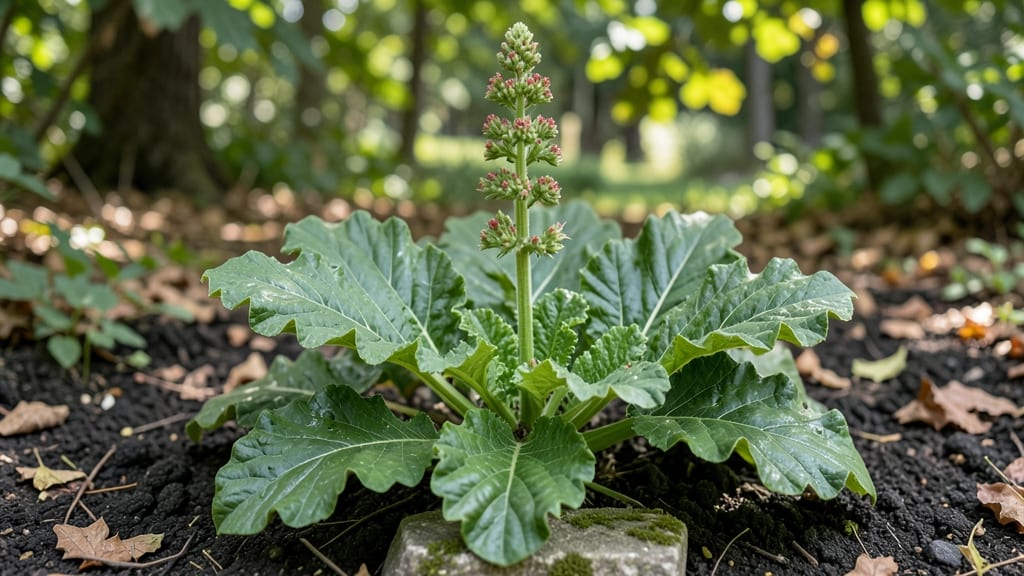
Curly leaf dock isn't just an eyesore—it's a red flag for fungal spot spreading like wildfire. 🌱 I've seen this twisted, puckered mess ruin entire beds, and the copper spray cure is the only thing that stops it in its tracks when organic methods fail.
The telltale signs are unmistakable: leaves curling upward, brown spots with yellow halos, and a plant that looks like it's been crumpled by a careless hand.
Fungal spores love damp foliage and poor airflow, so if your dock is looking like this, you're dealing with a classic case of Alternaria or Septoria leaf spot. A copper fungicide spray (like the organic Bordeaux mixture) applied every 7-10 days for three weeks will turn things around.
Prune off the worst leaves first—don't compost them—and focus on improving airflow between plants. The key is acting fast before the fungus spreads to stems. Prevention is easier than cleanup: water at the base, not overhead, and space plants properly.
If you catch it early, you might never need the spray at all. Here's how to make it work without killing your garden's good vibes.
📚 In This Guide
- What you need
- Instructions
- Tips and common mistakes
- Wrapping up and next steps
What you need
- ● Copper fungicide spray (choose a ready-to-use liquid like Copper Sulfate or Copper Oxychloride—opt for a 2-3% concentration for best results). Quantity: 1 gallon (or enough to cover your plants thoroughly).
- ● Garden sprayer (a hose-end sprayer or handheld pump sprayer with a fine mist nozzle for even coverage).
- ● Protective gear (because safety first!): Nitrile gloves (to avoid skin irritation from copper).
- ● Long sleeves and pants (lightweight, breathable fabric).
- ● Safety goggles (to shield eyes from spray mist).
- ● Pruning shears (sterilized with 70% rubbing alcohol to remove infected leaves before spraying).
- ● Water source (for rinsing tools and diluting spray if needed).
- ● A fan or misting bottle (to improve airflow around plants post-treatment—fungal spots love humidity!).
- ● Neem oil (mix 1 tsp per gallon of water as a natural fungicide booster if copper alone isn’t cutting it).
- ● Label or marker (to tag treated plants and track progress over time).
How to treat fungal spot on curly leaf dock with copper spray
Here's the straightforward method I use to rescue dock plants from unsightly fungal spot—no fancy tools or guesswork.
🌿 Step 1: Identify and Confirm Fungal Spot
First, check your curly leaf dock for the classic signs: small, dark brown or black spots with yellow halos on the leaves. These spots often have a white, powdery center when the fungus is active. I like to examine leaves under bright light—you'll see the spots more clearly and confirm it's fungal spot rather than a nutrient deficiency or pest damage.
Run your fingers gently over the affected leaves. Fungal spot often feels slightly rough where the spots are, unlike the smooth texture of healthy leaf surfaces. If you find these spots, you're dealing with a preventable issue—copper spray works best when applied early.
💧 Step 2: Prepare the Copper Spray Solution
Mix 1 tablespoon of copper fungicide (like copper sulfate or copper hydroxide) with 1 gallon of water in a clean spray bottle or pump sprayer. I always wear gloves and a mask when handling copper—it's not toxic in small amounts, but it can irritate skin and lungs if you're sensitive. Stir the mixture thoroughly until the copper is fully dissolved.
For best results, use the spray in the early morning or late afternoon when temperatures are below 85°F. Hotter conditions can cause the copper to burn the leaves. Test the spray on a small, inconspicuous area of the plant first—wait 24 hours to ensure no adverse reaction occurs before treating the entire plant.
☀️ Step 3: Apply the Copper Spray Evenly
Hold the sprayer 12-18 inches away from the leaves and apply the solution until the undersides and tops of leaves are thoroughly wet. Fungal spores often hide on the undersides, so don't skip that step. I like to spray until water begins to drip off the leaves—this ensures full coverage and better absorption.
Focus on the new growth and lower leaves first, as these are the most vulnerable. Avoid spraying when rain is forecast within 24 hours, or the copper will wash away before it can work. If you're treating multiple plants, clean the sprayer between uses to prevent cross-contamination.
⏰ Step 4: Monitor and Retreat as Needed
Check your plants 3-5 days after the first application for new signs of fungal spot. If the spots are still spreading, repeat the copper spray treatment. I usually do 2-3 applications spaced 7-10 days apart to fully break the fungus's cycle. Keep an eye out for any leaf drop or discoloration—these can signal overapplication or sensitivity.
Once the spots stop appearing and the leaves look healthy again, you can reduce treatments to once every 2-3 weeks as a preventive measure. Healthy curly leaf dock thrives in partial shade with moist but well-drained soil, so focus on keeping the growing conditions ideal while you manage the fungus.
✂️ Step 5: Remove Severely Infected Leaves
If you notice leaves that are more than 50% covered in spots or appear mushy, remove them immediately. Use clean pruners to cut these leaves at the base, and do not compost them—this prevents the fungus from spreading to other plants or soil. Dispose of the infected leaves in the trash or burn them if possible.
After pruning, give the plant a light watering at the base to help it recover. Avoid getting water on the leaves, as excess moisture can encourage further fungal growth. With consistent care, your curly leaf dock should bounce back within 2-4 weeks, looking lush and spot-free again.
Tips & tricks for reviving curly leaf dock from fungal spot
These simple strategies will help you tackle fungal spot effectively and keep your curly leaf dock thriving—without the guesswork.
Early Detection is Key: I can't stress this enough—catching fungal spot in Step 1 when leaves show just a few small spots makes all the difference. The white, powdery centers become much harder to treat once they spread. I always check the undersides of leaves first; that's where spores love to hide. If you spot even a single suspicious mark, act immediately with the copper spray.
Mixing Matters: When preparing the copper solution in Step 2, use a clean sprayer to avoid contaminating healthy plants. I stir the mixture vigorously for at least 2 minutes to ensure the copper fungicide is fully dissolved—undissolved particles can damage leaves. Also, always wear gloves and a mask; copper may irritate sensitive skin or lungs, even in small amounts.
Timing Your Treatment: The 24-hour waiting period after your initial test spray in Step 2 is crucial. This gives you time to spot any adverse reactions before treating the entire plant. I've learned the hard way—once I skipped this step and ended up with brown, crispy leaf edges on a prized plant. Always test on a small, inconspicuous area first.
Preventative Maintenance: After successfully treating your dock, switch to a preventive schedule of once every 2-3 weeks during humid seasons. I keep a small spray bottle of my pre-mixed copper solution in the garden shed for quick touch-ups. This consistent care helps break the fungus's cycle before it can take hold again.
Pro Tips for Curly Leaf Dock
- These simple strategies will help you tackle fungal spot effectively and keep your curly leaf dock thriving—without the guesswork.
- Early Detection is Key: I can't stress this enough—catching fungal spot in Step 1 when leaves show just a few small spots makes all the difference.
- Mixing Matters: When preparing the copper solution in Step 2, use a clean sprayer to avoid contaminating healthy plants.
Frequently asked questions
Got questions about saving your curly leaf dock from fungal spot with copper spray? You’re not alone!
Here are the most common concerns—and quick, actionable answers to get your plants back in shape.
Can I use copper spray on curly leaf dock if it’s already heavily infected?
Yes, but act fast! Copper spray is most effective as a preventative or at the first signs of fungal spot (tiny brown spots on leaves). For heavily infected plants, prune the worst leaves, apply copper spray thoroughly, and repeat every 7–10 days until new growth appears. Pair it with good airflow to speed recovery.
How soon will I see results after applying copper spray?
You may notice slowed spread within 3–5 days, but full recovery takes 2–4 weeks, depending on the infection’s severity. Consistency is key—don’t skip applications! If spots persist after two weeks, check for overwatering or poor drainage, which can worsen fungal issues.
What’s a good alternative if I don’t have copper spray?
Try these DIY or store-bought options:
- Neem oil: Mix 1 tbsp neem oil + 1 tsp mild soap + 1 quart water. Spray every 7 days.
- Baking soda spray: 1 tsp baking soda + 1 quart water + a few drops of soap. Use weekly.
- Commercial fungicides: Look for copper-based or organic options like Myclobutanil.
Is copper spray safe for curly leaf dock’s edible leaves?
Yes, but follow label instructions and harvest leaves 1–2 weeks after the last application to allow residue to break down. Copper is low-toxicity when used correctly, but avoid overspraying to prevent leaf burn. Always rinse leaves thoroughly before eating.
Why did my curly leaf dock get fungal spot in the first place?
Fungal spot thrives in humid, crowded, or wet conditions. Common culprits:
- Overwatering or poor drainage.
- Poor airflow (prune nearby plants or thin foliage).
- Old mulch or organic debris harboring spores.
Wrapping up and next steps
Curly leaf dock may seem like a stubborn foe, but with copper spray, you’ve got a powerful, natural weapon to fight fungal spot and reclaim your garden’s health! 🌱 This simple, eco-friendly solution is effective, budget-friendly, and safe for most plants—just follow the steps, stay consistent, and watch your greenery thrive.
Ready to take action? Grab your copper spray today and give your curly leaf dock the rescue it deserves. Your garden’s future starts with one spray at a time!