
Pruning
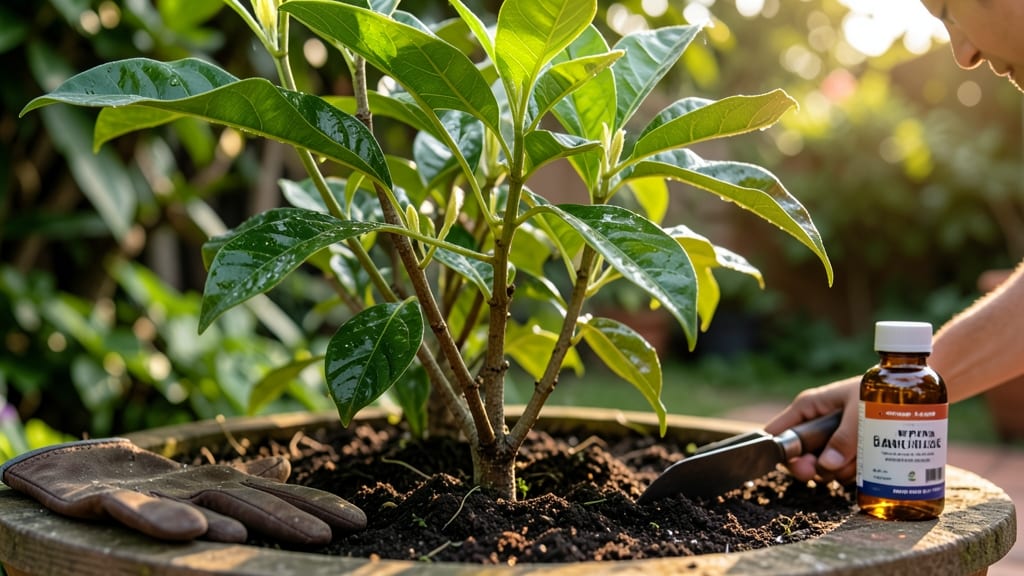
Struggling to maximize your curry leaf plant's yield? Proper pruning transforms this aromatic staple into a productive, healthy shrub. These 10 proven techniques will help you harvest more leaves while maintaining plant vigor year-round.
Topping Pruning for Bushier Growth
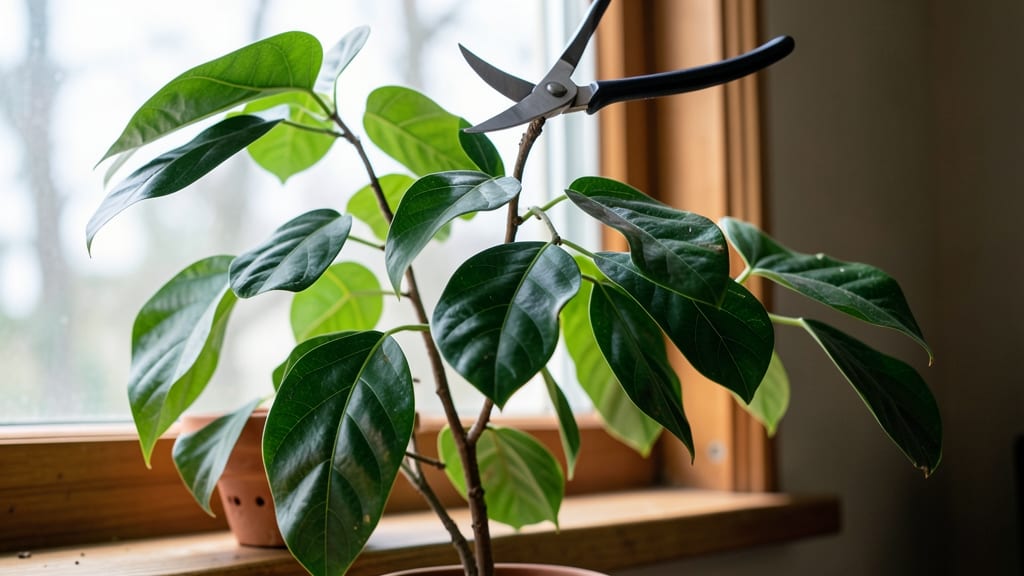
If your curry leaf plant (Murraya koenigii) is growing tall and leggy instead of bushy, topping pruning is the secret weapon for transforming it into a dense, leafy powerhouse. This technique forces the plant to branch out horizontally, perfect for container gardeners with limited space.
To perform topping pruning, cut the main stem just above a leaf node (where leaves emerge) using clean, sharp pruning shears. Aim to reduce the height by about one-third, which triggers the growth of lateral branches below the cut. Repeat this process every 3-4 months during the growing season to maintain a compact shape and maximize leaf production.
This method is especially valuable for urban gardeners or those growing curry leaf plants in pots, as it prevents the plant from outgrowing its container while ensuring a steady supply of fresh leaves. 🌿
Selective Leaf Harvesting Method
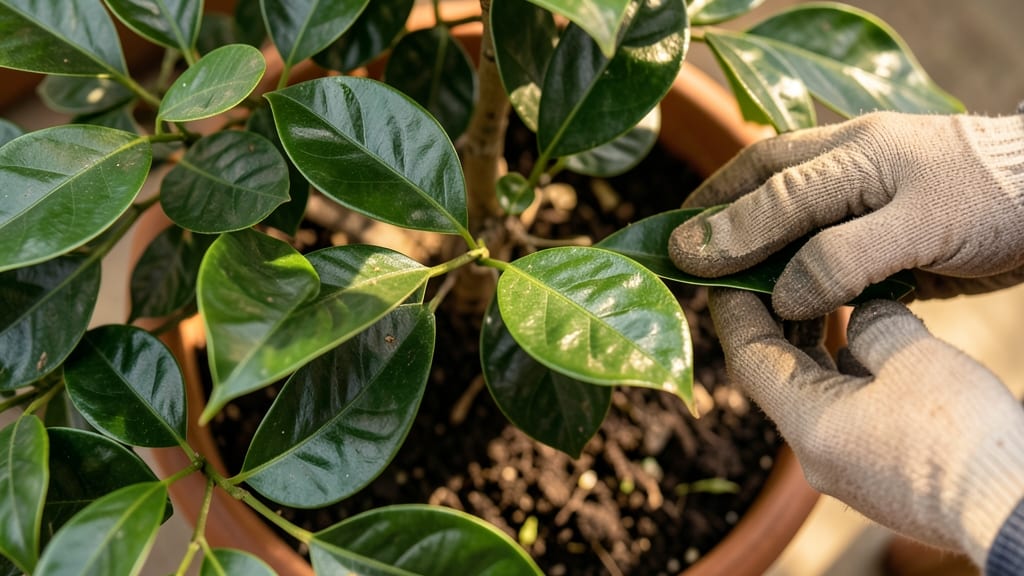
Want to harvest curry leaves without sacrificing your plant’s health? The selective leaf harvesting method lets you pick only the mature leaves your kitchen needs, while younger leaves keep growing—no harsh pruning required.
Simply pluck leaves from the outer branches where they meet the stem, being careful not to tear the plant. This technique works year-round but is especially useful during peak growth seasons (spring and summer) when your plant is actively producing new foliage. Avoid taking more than one-third of the leaves from any branch at once to prevent stress.
This method is ideal for home cooks who need a steady supply of leaves without the risk of over-pruning. Your curry leaf plant will stay lush and productive for years. 🌿
Rejuvenation Pruning for Old Plants
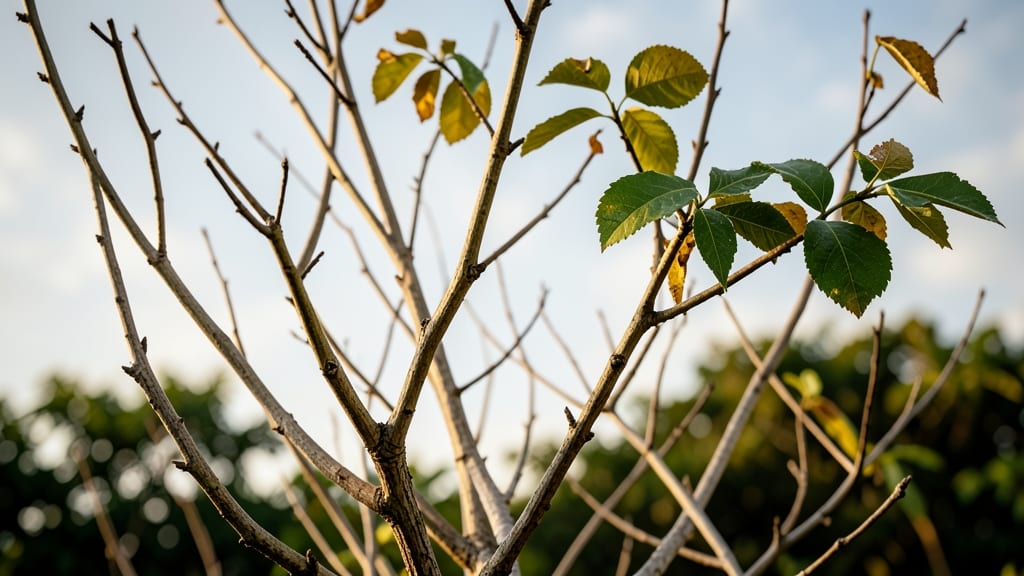
Notice how your once-vibrant curry leaf plant (Murraya koenigii) has stretched tall and sparse, with bare stems and sparse foliage? Rejuvenation pruning is the secret to bringing it back to life—just in time for the growing season.
This technique involves cutting back one-third of the plant’s oldest, leggiest growth just above a leaf node or bud. Focus on removing woody stems and overcrowded branches to improve air circulation and sunlight penetration. Use clean, sharp pruning shears to avoid tearing the stems, and always prune at a 45-degree angle to promote faster healing.
Best done in early spring before new growth begins, this method boosts dense foliage and higher leaf production within weeks. Perfect for gardeners who’ve let their curry leaf plants grow unchecked—it’s a fresh start for both the plant and your harvests! 🌿
Pinching Young Shoots for Compact Shape
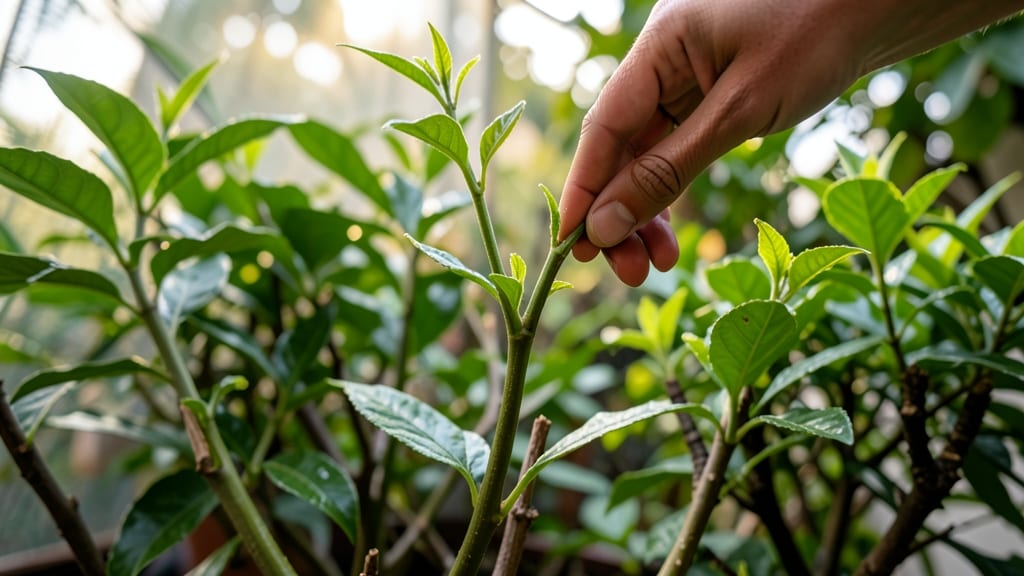
If your curry leaf plant is shooting up too fast with long, leggy stems, pinching young shoots is your secret weapon. This simple technique redirects energy from vertical growth to bushier, more compact foliage—perfect for small gardens or container growing where space is limited.
Use your fingers or clean pruning shears to pinch off the tips of new shoots just above a leaf node when they reach about 4-6 inches tall. This triggers the plant to produce multiple side branches, creating a fuller shape. Do this every 2-4 weeks during the growing season (spring to early fall) for best results. Avoid pinching during flowering or dormant periods to prevent stress.
Urban gardeners and balcony growers will love this method—it keeps plants manageable while maximizing leaf production for your kitchen. 🌱
Pruning for Pest Prevention
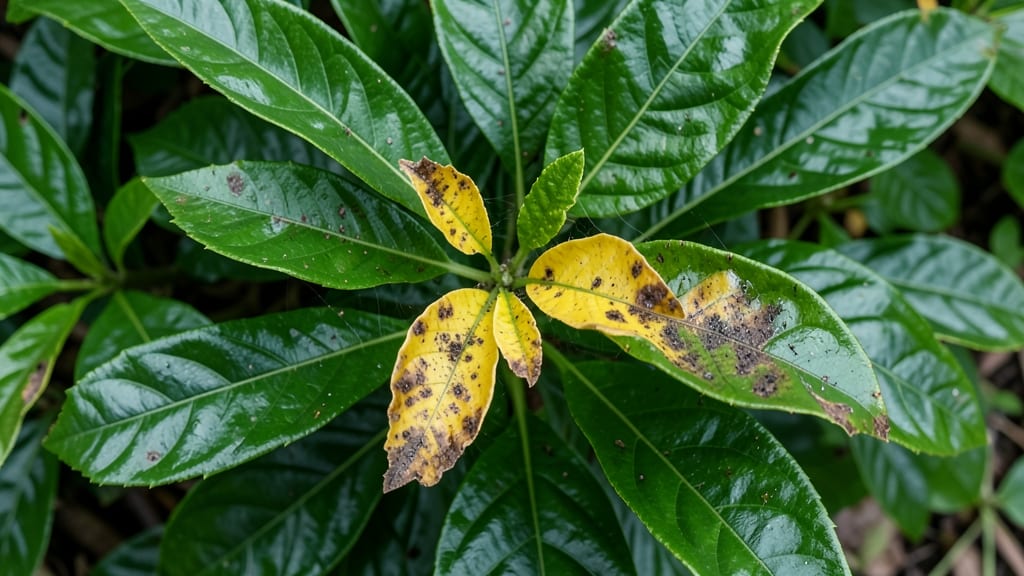
Your curry leaf plant might look healthy, but those yellowing or spotted leaves could be hiding a pest infestation. Unlike chemical sprays, pruning is your organic gardener’s secret weapon to stop pests before they spread.
Focus on removing infested or diseased leaves immediately—especially those with holes, webbing, or sticky residue. Use clean, sharp pruners to cut just above a leaf node, and always sterilize your tools with rubbing alcohol between cuts. This preventative pruning disrupts pest life cycles and improves air circulation, reducing future outbreaks.
Organic gardeners and urban growers will appreciate this method—it’s simple, effective, and keeps your plant thriving without chemicals. 🌿
Layering Pruning for Propagation
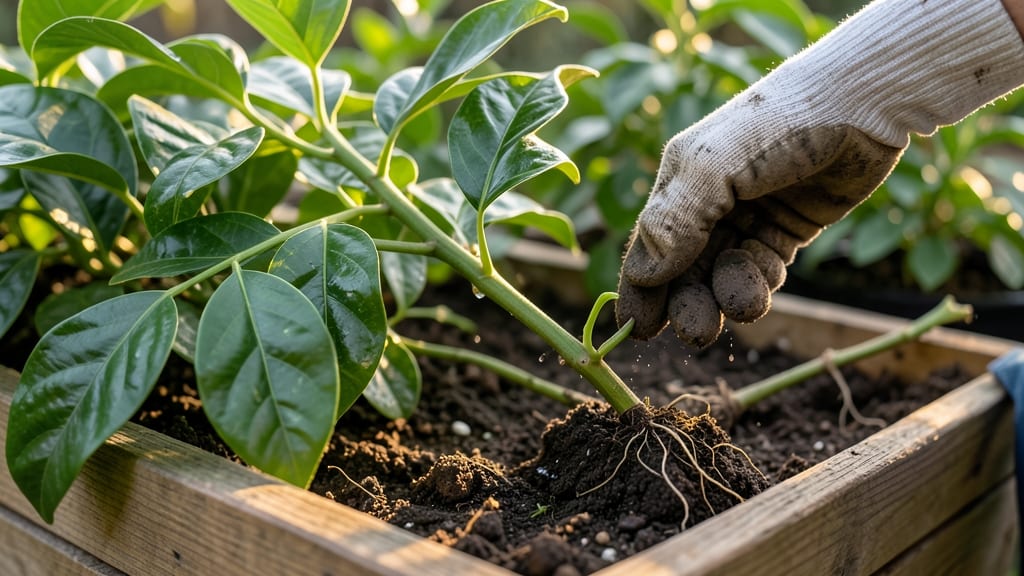
Want to grow your curry leaf collection without buying new plants? Layering pruning is your secret weapon—it turns existing stems into brand-new plants by encouraging roots to form at the stem nodes. This method is perfect for gardeners who love propagation but dislike the fuss of seeds or cuttings.
To start, select a healthy, flexible stem (about pencil-thick) and make a small cut just above a leaf node. Gently bend the stem down and bury it in moist soil, securing it with a U-shaped wire or rock. Keep the soil consistently moist and within 4-6 weeks, roots will form at the buried node. Once rooted, carefully sever the new plant from the mother and transplant it.
This technique works best during the monsoon season when humidity is high, but it’s effective year-round with proper moisture control. Urban gardeners with limited space will love how layering lets them multiply their curry leaf plants without extra pots or garden beds. 🌱
Seasonal Pruning Schedule Guide
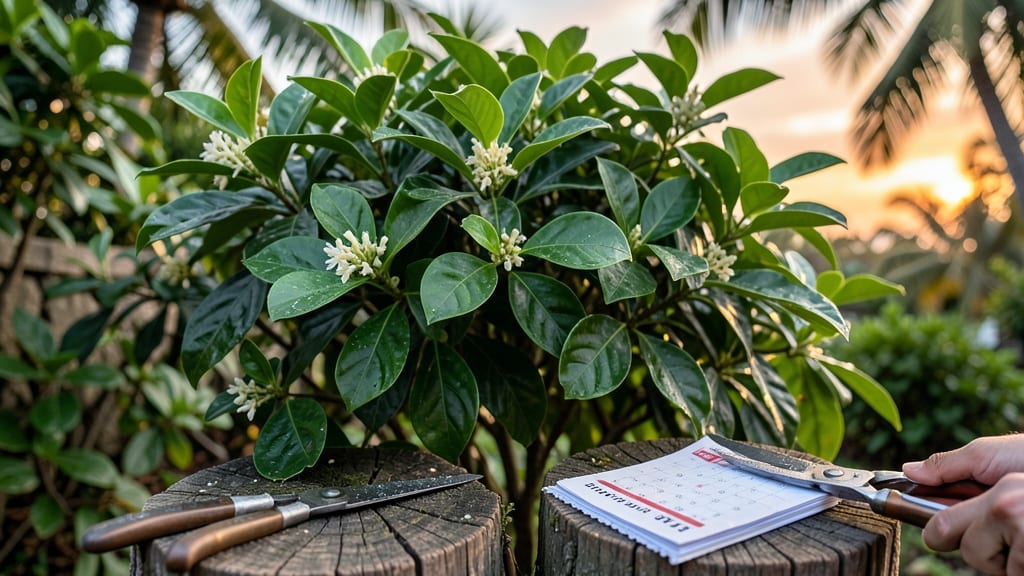
Timing your pruning based on your local climate is the secret to keeping your curry leaf plant (Murraya koenigii) thriving year-round. Unlike other plants, this tropical shrub reacts poorly to pruning during its dormant winter months or when it’s flowering—both critical periods for its health.
In temperate climates, prune during the late spring or early summer (May-June) when new growth is active. For tropical regions, avoid pruning during the monsoon season (June-September) when the plant is already stressed by heavy rains. Instead, focus on pruning in dry, sunny months (October-February) to encourage bushier growth. Always avoid trimming when you spot flower buds forming, as this can reduce your harvest potential.
This seasonal approach ensures your plant stays productive without sacrificing its natural cycles. Perfect for gardeners who want to align pruning with their local weather patterns for consistent results. 🌿
Pruning to Encourage Flowering
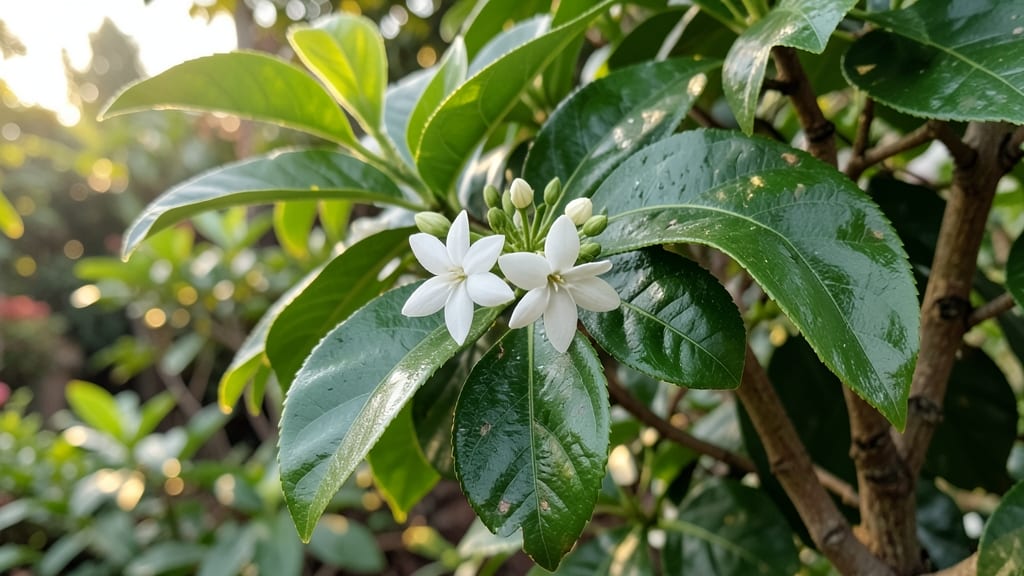
Want to enjoy the delicate white flowers of your curry leaf plant (Murraya koenigii)? Light pruning of older branches is the secret to encouraging blooms while maintaining leaf production. This technique works best for gardeners who love the plant’s fragrant flowers or want to harvest seeds for propagation.
Focus on trimming 1-2 year old wood in late winter or early spring, just above a leaf node or bud. Avoid heavy cuts—stick to removing only 10-15% of the plant’s oldest branches at a time. This stimulates new growth and triggers flowering, especially in mature plants that haven’t bloomed in years.
Gardeners who prioritize aesthetics or seed collection will see the biggest benefits, as flowering branches produce both seeds and more vigorous regrowth. Just avoid pruning during the flowering season itself to preserve existing blooms. 🌷
Pruning Tools and Techniques
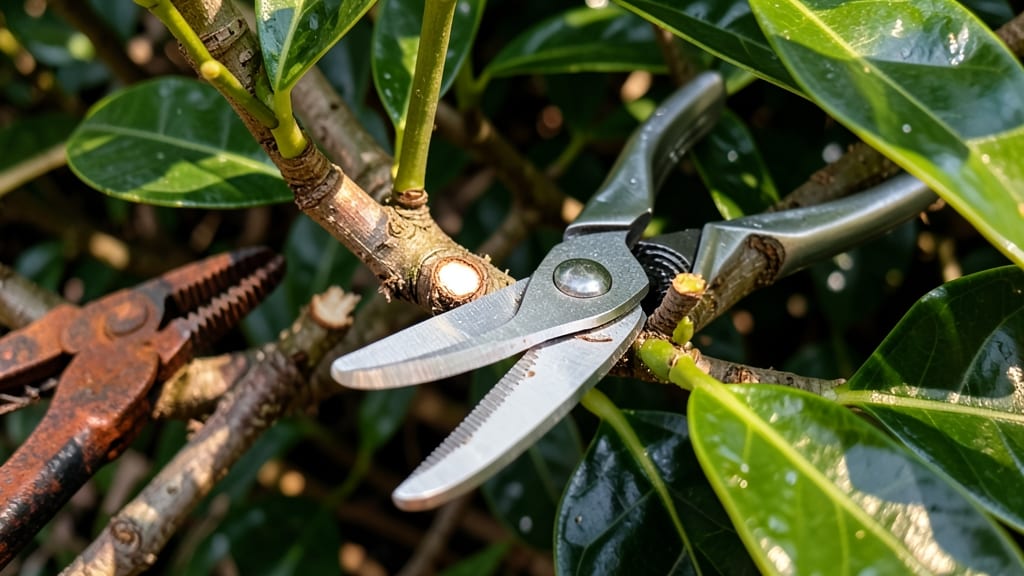
Not all pruning tools are created equal—using the wrong one can leave jagged cuts that invite disease or slow recovery. For your curry leaf plant, precision matters, especially when shaping dense foliage or harvesting leaves for cooking.
Use bypass pruning shears for thick stems (over ¼ inch) to make clean cuts without crushing. A sharp knife works best for precise trims on small branches or when removing leaves for propagation. Avoid scissors—they crush stems and leave uneven edges. Always sterilize tools with rubbing alcohol between cuts to prevent bacterial spread.
This tool selection ensures your curry leaf plant heals faster and stays productive. Beginners will appreciate how the right tool makes pruning effortless and effective. ✨
Post-Pruning Care for Faster Recovery

After pruning your curry leaf plant, the real work begins—proper post-pruning care ensures it bounces back stronger than ever. Focus on three key adjustments: watering, fertilizing, and light exposure to speed up recovery and maintain productivity.
Start by watering deeply but gently for the first 3-5 days to avoid shocking the roots. Avoid fertilizing immediately—wait 2-3 weeks to let the plant focus on regrowth before applying a balanced, organic fertilizer. Gradually reintroduce it to full sunlight (6+ hours daily) over 5-7 days to prevent leaf scorch from sudden exposure.
This approach is especially helpful for gardeners who prune aggressively or during the monsoon season, as it minimizes stress and keeps your plant thriving. 💪