
Planting
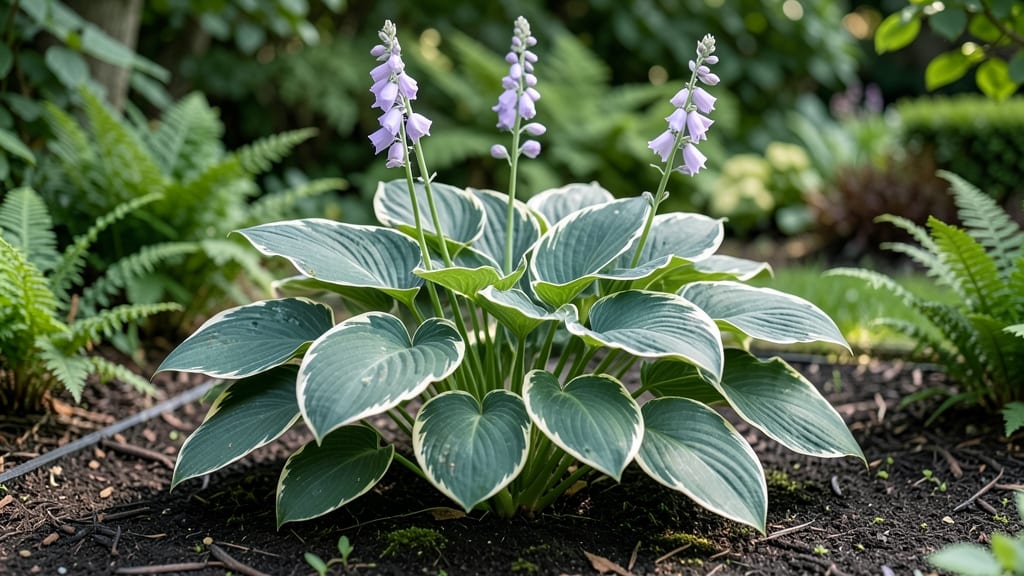
That striking green-and-white leaf plant name, Variegated Snake Plant (Sansevieria trifasciata 'Laurentii'), is a plant so bold it steals the show without trying. 🌿 My first one arrived as a tiny pot, and within months, it transformed into a vertical masterpiece with its sharp-edged leaves striped in creamy white and deep green—no flowers, no fuss, just pure architectural beauty.
The secret to its drama? Low-light tolerance and drought resistance. Unlike finicky tropicals, this plant thrives in neglect—perfect for busy growers or dim corners. Just keep soil slightly dry between waterings, and it rewards you with air-purifying foliage that looks fresh year-round, even in winter.
You’ll recognize it instantly by its upright, sword-like leaves and the bright yellow edges that fade to white as they age. Place it near a window for subtle light streaks or under artificial light for a modern, sculptural statement. No other plant delivers this much personality with so little effort.
If yours isn’t thriving, check for overwatering (the #1 killer) or root rot—healthy roots mean healthy variegation. For more striking foliage plants, try the Calathea Orbifolia or Silver Queen Fern next. They’re equally easy, just with different vibes.
📚 In This Guide
- What you need
- Instructions
- Tips and common mistakes
- Wrapping up and next steps
What you need
- ● Plant: A variegated plant with green and white foliage (e.g., Dracaena marginata ‘Tricolor’, Hoya carnosa ‘Variegata’, or Calathea orbifolia). Check local nurseries or online retailers for healthy, well-rooted specimens.
- ● Pot: A container with drainage holes (6–12 inches in diameter, depending on plant size). Terracotta or ceramic works best for airflow.
- ● Potting mix: A well-draining blend like cactus/succulent mix (for drought-tolerant varieties) or a peat-based mix with perlite (for moisture-loving types). Aim for 2–3 gallons per plant.
- ● Watering can: A spouted can (1–2 gallons) to avoid overwatering.
- ● Fertilizer: A balanced liquid fertilizer (e.g., 10-10-10) or orgainc slow-release pellets for seasonal feeding.
- ● Pruning shears: Sharp, sterilized scissors for trimming dead or yellowing leaves.
- ○ Gloves: Gardening gloves to protect hands from soil or sap (optional but handy!).
- ● Humidity tray: A pebble tray or humidifier for tropical varieties like Calathea.
- ● Grow lights: A LED full-spectrum bulb (10,000–15,000 lumens) if placing in low-light areas.
- ● Plant labels: Waterproof tags to track plant names and care notes.
- ○ Mulch: Orchid bark or coconut coir to retain moisture (optional for top-dressing).
How to grow and care for variegated snake plant (Sansevieria trifasciata 'Laurentii')
This bold, architectural plant thrives on neglect and delivers striking green-and-white foliage year-round.
🌱 Step 1: Select the Right Container and Soil
Choose a pot with drainage holes—snake plants despise soggy roots. I use terracotta for its natural breathability, but any ceramic or plastic with drainage works. The container should be 1-2 inches wider than the plant’s root ball to allow room for growth without overcrowding.
Fill the pot with a fast-draining mix: combine 50% cactus or succulent soil with 30% perlite and 20% coarse sand. This prevents compaction and mimics the plant’s natural arid environment. Tap the pot gently to settle the soil before planting—you want it firm but not packed down like concrete.
☀️ Step 2: Position for Bright, Indirect Light
Place your snake plant near a window with bright, indirect light. It tolerates lower light than most variegated plants, but the white stripes will fade if it’s too dim. A north- or east-facing window is ideal—south-facing works too, but filter the light with a sheer curtain to prevent leaf scorch.
Watch for these visual cues: if the leaves stretch upward (called "etiolation"), it needs more light. If the edges turn brown, it’s getting too much direct sun. The perfect spot keeps the foliage upright and vibrant, with no crispy edges or pale streaks.
💧 Step 3: Water Sparingly and Only When Necessary
Water your snake plant only when the top 2-3 inches of soil are completely dry. Stick your finger into the soil—if it feels dry to the touch, it’s time to water. Overwatering is the #1 killer of these plants, so err on the side of underwatering. When you water, do it thoroughly until liquid drains from the bottom holes.
After watering, empty the saucer to prevent root rot. The plant stores water in its thick leaves, so it can go 4-6 weeks between drinks in cooler months. In summer, you might water every 3-4 weeks, but always check the soil first—this plant’s resilience is legendary, but even it can’t survive soggy conditions.
✂️ Step 4: Prune and Repot as Needed
Snake plants are low-maintenance, but you’ll occasionally need to trim yellow or damaged leaves at the base with clean, sharp scissors. Remove the entire leaf down to the soil—never leave stubs, as they can rot. If the plant outgrows its pot every 2-3 years, repot in spring using fresh soil mix and a container just 1-2 inches larger.
Divide mature plants in spring by gently separating the root clumps. Each division needs at least 3-4 leaves to establish well. The plant’s slow growth means you won’t need to repot often, but doing so every few years keeps it healthy and encourages new growth at the base.
🪴 Step 5: Maintain Year-Round with Minimal Effort
This plant handles temperature swings beautifully—keep it between 60-85°F for best results. It’s also pet-friendly, making it a great addition to homes with curious animals. Dust the leaves occasionally with a damp cloth to keep them looking their best, but beyond that, your snake plant will thrive with almost no attention.
Fertilize lightly once in spring with a balanced, diluted houseplant fertilizer (half-strength). Too much fertilizer causes salt buildup in the soil, which can harm the roots. The plant’s dramatic variegation and upright form make it a statement piece, but its true magic is in how little it asks in return.
Tips & tricks for perfect variegated snake plant care
Between us, this plant is the ultimate low-maintenance superstar—but even champions need a few strategic touches to shine. Here’s what I’ve learned after watching mine thrive for years.
Soil Mix Matters: That 50-30-20 soil blend in Step 1 isn’t just arbitrary—it’s the secret to preventing root rot. I’ve seen snake plants suffer when people use regular potting soil (too dense). The perlite creates air pockets, while coarse sand mimics the plant’s natural arid habitat. Pro tip: If your soil mix feels too compact after settling, add an extra 10% perlite to improve drainage. The roots need oxygen almost as much as they need water.
Light Positioning: In Step 2, the instructions mention bright indirect light, but here’s the nuance: north-facing windows work year-round, while east-facing is better for summer when light intensity peaks. For south-facing spots, that sheer curtain isn’t just about preventing scorch—it diffuses light to maintain those crisp white variegations. I’ve noticed the stripes fade dramatically when plants get too much direct sun, even when they don’t show burn marks.
Watering Wisdom: The 2-3 inch dry-soil rule in Step 3 is golden, but here’s what nobody tells you: use your finger to check moisture at the base of the plant, not just the surface. The roots at the bottom of the pot dry out last—and that’s where rot starts. Also, in winter when your home stays between 60-85°F, you might stretch those watering intervals to 6-8 weeks. The plant’s thick leaves act like water storage tanks, and forcing water when it’s not needed stresses the roots.
Repotting Strategy: When you repot every 2-3 years in Step 4, time it with spring’s natural growth spurt. The plant handles root disturbance better then, and the warmer temperatures help it recover faster. For divisions, I’ve found that smaller clumps with 3-4 leaves establish more reliably than larger ones. The key is keeping the root-to-leaf ratio balanced—too many leaves for the roots means stress during the transition.
Pro Tips for Green And White Leaf Plant Name
- Between us, this plant is the ultimate low-maintenance superstar—but even champions need a few strategic touches to shine.
- Soil Mix Matters: That 50-30-20 soil blend in Step 1 isn’t just arbitrary—it’s the secret to preventing root rot.
- Light Positioning: In Step 2, the instructions mention bright indirect light, but here’s the nuance: north-facing windows work year-round, while east-facing is better for summer when light intensity peaks.
Frequently asked questions
Got questions about your stunning green and white leaf plant? You’re in the right place! Here are answers to the most common queries—so you can keep those striking variegated leaves thriving with confidence.
What is the most common green and white leaf plant?
The Snake Plant (Sansevieria trifasciata) and Variegated Spider Plant (Chlorophytum comosum 'Variegatum') are top picks, but Swiss Cheese Plant (Monstera deliciosa 'Albo Variegata') and Calathea Orbifolia also steal the show. For low-light spaces, try ZZ Plant (Zamioculcas zamiifolia 'Variegata')—its glossy, striped leaves are hard to beat!
Why are my green and white leaves turning all green?
This usually means your plant isn’t getting enough light. Variegated leaves rely on sunlight to maintain their striking patterns—move it to a brighter spot (but avoid harsh midday sun). Pro tip: Rotate the pot occasionally for even growth! If the change is sudden, check for stress (overwatering, pests, or temperature swings).
How often should I water a green and white leaf plant?
Most variegated plants prefer drying out between waterings. Stick your finger 1–2 inches into the soil—if it’s dry, it’s time! Overwatering is the #1 killer, so use well-draining soil and a pot with drainage holes. Exception: Tropical varieties like Calathea love humidity and stay slightly moist. Always adjust based on your climate!
Can I grow a green and white leaf plant indoors without sunlight?
Some can adapt! ZZ Plants and Cast Iron Plants (Aspidistra elatior 'Variegata') tolerate low light, but their variegation may fade. For bold patterns, supplement with a grow light (12–14 hours/day). Avoid north-facing windows—west or east exposure is ideal. Fun fact: Even a few hours of indirect light can make a difference!
What’s a budget-friendly alternative to expensive variegated plants?
Try propagating your own! Many variegated plants (like Pothos 'Marble Queen' or Spider Plants) root easily in water. Split clumps of Snake Plants or Calatheas to share with friends. Check local plant swaps or nursery clearance sections—you’ll find hidden gems for under $15! Bonus: Some big-box stores sell variegated cuttings for a fraction of the price.
How do I fix brown tips on my green and white leaves?
Brown tips often signal low humidity or fluoride/chlorine in tap water. Mist leaves, use a pebble tray with water, or invest in a humidifier. Water with filtered or rainwater, and avoid wetting the foliage to prevent fungal issues. Quick fix: Trim the brown edges with clean scissors and fertilize lightly to encourage new growth!
Wrapping up and next steps
Discovering the perfect green and white leaf plant for your space doesn’t have to be complicated—it just takes a little curiosity and the right match!
Whether you’re drawn to the bold contrast of Senecio serpens or the delicate charm of Hosta sieboldiana, these low-maintenance beauties bring effortless elegance to any garden or home. 🌿
Ready to elevate your green thumb game? Start by choosing your favorite variety from this list, then grab your supplies and give it a try—your future foliage will thank you! For extra inspiration, explore plant care guides or join gardening communities to share your progress.