
Planting
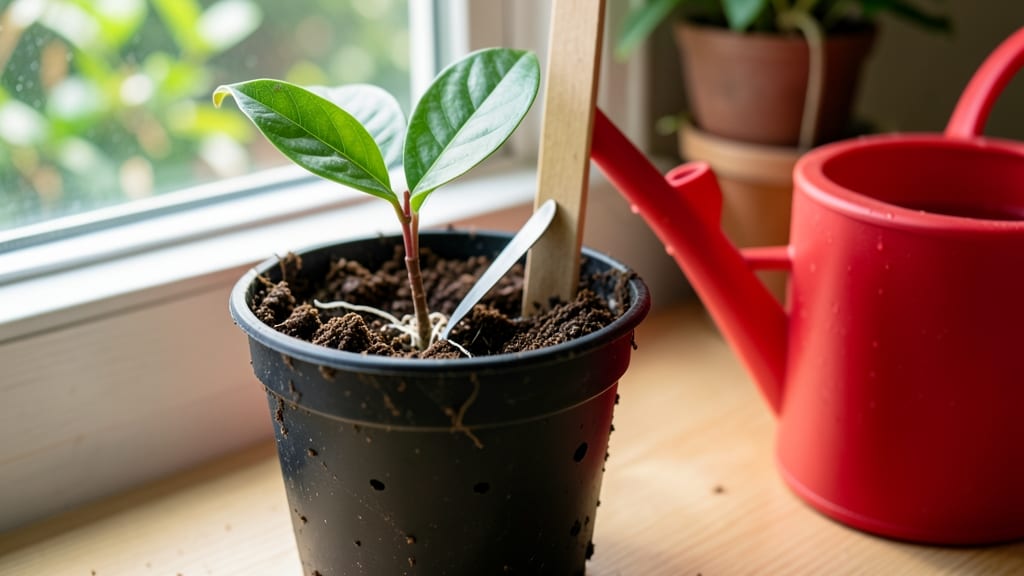
Growing curry leaf plant sprouts from seeds is the fastest way to get fragrant kitchen leaves—just 10-14 days to your first true leaves. 🌱 I’ve watched these tiny seeds burst into glossy green growth, and they’re shockingly easy once you know the tricks.
The key is keeping them warm, moist, and bright from day one.
You’ll need a shallow tray, damp seed-starting mix, and a clear plastic cover to trap humidity. Most people overwater or let them dry out—both kill sprouts fast.
A spray bottle keeps things just damp enough without drowning the seeds. Warmth is everything: place the tray on a seedling mat or near a sunny window.
By week three, you’ll have sturdy seedlings ready for transplanting. The leaves smell like curry powder even at this stage—just rub one between your fingers to test. Pinch back leggy stems to encourage bushier growth, and you’ll have a harvestable plant in 8-12 weeks total.
Works for indoor windowsills or greenhouse setups—no fancy equipment needed. The biggest mistake? Skipping the humidity dome. Trust me, those little sprouts need all the help they can get to break through the soil.
📚 In This Guide
- What you need
- Instructions
- Tips and common mistakes
- Wrapping up and next steps
What you need
- ● Curry leaf seeds: 5–10 seeds (ensure they’re fresh or stored properly in a cool, dry place).
- ● Seed-starting mix: 1–2 cups of well-draining, sterile potting soil (avoid garden soil—it can harbor pests!).
- ● Small pots or seed trays: 2–4 biodegradable pots (3–4 inches wide) or a seed tray with drainage holes.
- ● Plastic wrap or humidity dome: A clear plastic bag or a mini greenhouse lid to retain moisture.
- ● Spray bottle: For gentle watering (avoid over-saturating the soil!).
- ● Grow lights or sunny windowsill: A south-facing window (6+ hours of sunlight daily) or a 12–16 hour LED grow light.
- ● Fertilizer: A balanced liquid fertilizer (5-5-5 NPK ratio) for young seedlings.
- ● Humidity tray: A shallow tray with pebbles and water to boost moisture levels.
- ● Plant labels: To track seeding dates and varieties.
- ● Pruning shears: For trimming leggy sprouts or harvesting leaves.
- ● Transplanting pot (6+ inches): Once sprouts are 4–6 inches tall, upgrade to a larger container.
Step-by-step instructions for growing curry leaf plants from seeds
Here's how to turn those tiny seeds into fragrant kitchen staples in record time.
🌱 Step 1: Soak and Plant the Seeds
Curry leaf seeds have tough outer shells that slow germination, so I always soak them first. Place 4 seeds in a small bowl of lukewarm water and let them sit for 12-24 hours. You'll know they're ready when tiny cracks appear in the seed coats. This pre-treatment speeds up sprouting from 3-4 weeks to just 10-14 days.
Fill small pots (about 3 inches deep) with moistened potting mix—curry leaves hate soggy soil but need consistent moisture. Plant the soaked seeds ½ inch deep, spacing them 1 inch apart. Gently press the soil around them to ensure good seed-to-soil contact. The reason we don't bury them deeper is that they need light to germinate properly.
💧 Step 2: Maintain Warmth and Moisture
Curry leaf seeds germinate best at 75-85°F, so I place my pots on a seedling heat mat if my home runs cooler. Keep the soil consistently moist but never waterlogged—you'll see condensation on the pot's surface when moisture is perfect. A spray bottle works best here to avoid disturbing the seeds.
Cover the pots loosely with plastic wrap to create a mini greenhouse effect, but remove it daily for 10 minutes to prevent mold. You'll notice the first sprouts in about 10-14 days—they'll look like tiny green needles pushing through the soil. Once you see 50% germination, remove the plastic completely to prevent damping-off disease.
☀️ Step 3: Provide Bright, Indirect Light
Curry leaf seedlings need bright, indirect light to prevent leggy growth. A south-facing window with sheer curtains works well, but I supplement with a grow light for 12-14 hours daily if natural light is insufficient. You'll know your light setup is right when the seedlings grow compact and dark green rather than stretching toward the light.
Rotate the pots a quarter turn daily so the plants grow straight. Once the seedlings reach 3-4 inches tall and have 3-4 sets of true leaves, they're ready for their first pruning. Pinch off the top set of leaves to encourage bushier growth—this is where curry leaf plants really start to look like the fragrant shrubs you know from Indian kitchens.
🌿 Step 4: Transplant and Encourage Full Growth
Move the seedlings to 6-inch pots when they're about 4-5 inches tall. Curry leaf plants have delicate roots, so I use the "slip-and-slide" method—gently squeeze the pot to release the root ball, then slide the plant into its new home. Fill around the roots with fresh potting mix and water lightly to settle the soil.
Here's the thing—curry leaf plants grow fastest when they're slightly root-bound, so don't rush to upgrade pots. You'll see new growth within 2-3 weeks if they're getting enough light and water. Prune regularly to maintain shape and encourage leaf production—cut back leggy stems by ⅓ to promote bushier, more productive growth.
Tips & tricks for perfect curry leaf plant sprouts
These simple tricks will help you grow fragrant curry leaf plants from seeds faster than you'd expect.
Soaking Secret: The 12-24 hour soak isn't just about softening the seed shells—it's also about hydration. I like to change the water after 12 hours to prevent bacterial growth. You'll know they're ready when you see those tiny cracks appear, usually around the 18-hour mark. This pre-treatment cuts germination time nearly in half, from 3-4 weeks to just 10-14 days.
Temperature Matters: That 75-85°F range is critical for germination. If your home runs cooler, invest in a small seedling heat mat—it's a game-changer. I've seen germination rates drop by 40% when seeds are kept below 70°F. For extra warmth, place your pots on top of the fridge or near a sunny window. Just remember, condensation on the pot surface means you've got perfect moisture levels.
Light Strategy: The 12-14 hours of daily light is non-negotiable for preventing leggy seedlings. I use a simple LED grow light on a timer to ensure consistency. If you're using natural light, rotate your pots a quarter turn daily so all sides get even exposure. You'll know you're doing it right when the seedlings grow compact and dark green rather than stretching toward the light source.
Transplanting Tip: When moving to 6-inch pots, don't be tempted to use larger containers too soon—curry leaf plants grow fastest when they're slightly root-bound. I wait until they're about 4-5 inches tall before transplanting. The "slip-and-slide" method preserves delicate roots better than digging them out, and watering lightly after transplanting helps settle the soil without disturbing the root ball.
Pro Tips for Curry Leaf Plant Sprout
- These simple tricks will help you grow fragrant curry leaf plants from seeds faster than you'd expect.
- Soaking Secret: The 12-24 hour soak isn't just about softening the seed shells—it's also about hydration.
- Temperature Matters: That 75-85°F range is critical for germination.
Frequently asked questions
Got questions about growing curry leaf plant sprouts from seeds? You're not alone!
Here are answers to the most common queries to help you succeed with this fragrant, fast-growing herb.
How long does it take for curry leaf seeds to sprout?
Curry leaf seeds typically sprout within 2–4 weeks under ideal conditions—warmth (70–85°F), consistent moisture, and indirect light. Patience is key! If you’ve waited 4+ weeks with no sprouts, check seed viability or try a new batch. Pro tip: Soaking seeds overnight in warm water can speed up germination.
Can I grow curry leaf sprouts indoors without sunlight?
Yes! Use a grow light (LED or fluorescent) for 12–16 hours daily to mimic sunlight. Place trays near a sunny window for extra help, but avoid direct midday sun, which can scorch delicate sprouts. A south-facing window works best if natural light is your only option.
What if my curry leaf sprouts turn yellow or wilt?
Yellowing or wilting usually signals overwatering, underwatering, or poor drainage. Let the soil dry slightly between waterings (keep it moist but not soggy). Ensure pots have drainage holes, and avoid cold drafts. Quick fix: Trim affected leaves and adjust care immediately.
Are there faster alternatives to growing curry leaves from seed?
If you’re eager for leaves, try propagating from cuttings—a mature curry leaf plant’s stem will root in water or soil within 2–3 weeks. Another option: Buy a small potted plant from a nursery (check for healthy, aromatic leaves). Seeds are rewarding but slower!
How do I know when curry leaf sprouts are ready to transplant?
Transplant when sprouts have 2–3 sets of true leaves (not just the initial seed leaves) and are about 3–4 inches tall. Harden them off for 1 week by gradually exposing them to outdoor conditions. Choose a pot with drainage or plant directly in well-draining soil in warm climates.
Wrapping up and next steps
Growing a curry leaf plant sprout from seeds is a rewarding journey that brings a fragrant, culinary treasure right to your kitchen! With the right soil, warmth, and patience, you’ll soon enjoy fresh leaves packed with flavor.
Whether you’re a seasoned gardener or a curious beginner, this herb thrives with minimal fuss—perfect for adding a tropical touch to your meals.
Ready to take the next step? Start with just a few seeds and watch your kitchen transform into a mini curry leaf paradise! 🌱✨ Happy growing!