
Pests and Diseases
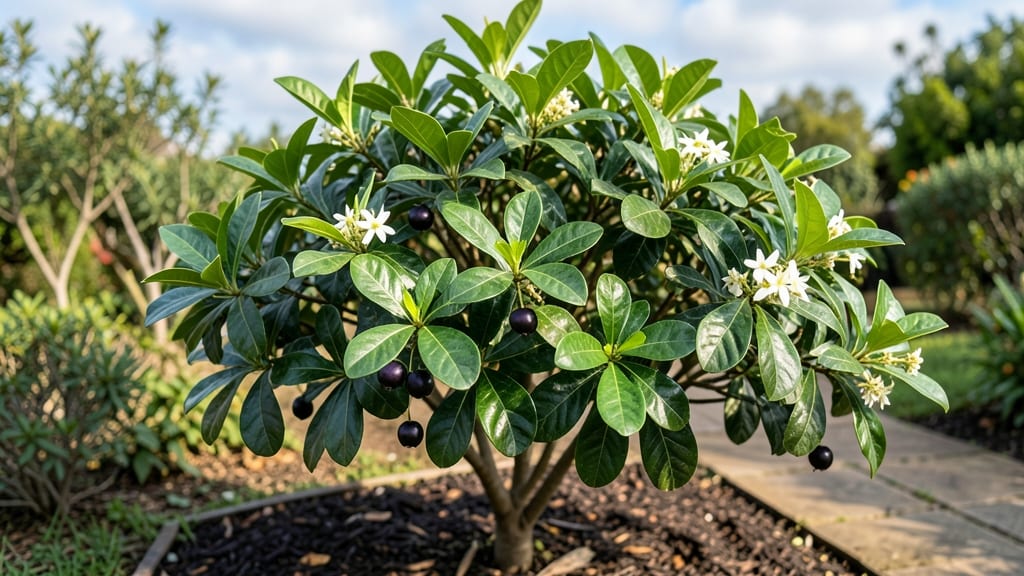
Growing curry leaf plants in San Francisco’s mild coastal climate is easier than you’d think—these fragrant trees thrive where many tropical plants struggle. 🌿 I’ve grown mine for three years now, and they’ve become the star of my kitchen garden, providing fresh leaves for curries all summer long.
The secret lies in mimicking their native tropical conditions: well-draining soil, morning sun, and afternoon shade to protect from the foggy afternoons. Unlike many tropical plants, curry leaf trees handle San Francisco’s cool summers beautifully, as long as they’re sheltered from wind and given consistent moisture.
By late spring, you’ll be harvesting glossy, aromatic leaves that pack more flavor than anything you can buy dried. The plants grow slowly but steadily, reaching 6-10 feet with proper care, and their small white flowers add a delicate touch to the garden.
Local nurseries like Urban Farmer or online specialty growers carry young plants, but starting from seed takes patience—germination can be slow. Prune lightly after harvests to encourage bushier growth, and watch for spider mites in dry spells.
📚 In This Guide
- What you need
- Instructions
- Tips and common mistakes
- Wrapping up and next steps
What you need
- ● Pro tip: 💡 If starting from seeds, soak them in warm water for 24 hours to speed up germination—patience is key!
Step-by-step instructions for growing curry leaf plants in San Francisco
Here’s how to grow thriving curry leaf plants in SF’s mild, coastal climate—where humidity and cool summers create perfect conditions.
🌱 Step 1: Choose the Right Spot and Prepare the Soil
Curry leaf plants love warmth and humidity, so pick a location with partial shade to dappled sunlight—think morning sun and afternoon shade. In San Francisco, a sheltered spot near a north-facing wall or under a large tree works well. Avoid full sun, which can scorch the delicate leaves in our coastal heat.
Amend the soil with 2-3 inches of compost to improve drainage and fertility. Curry leaves hate soggy roots, so if your soil is heavy clay (common in SF), mix in 1 part perlite or coarse sand for every 2 parts soil. Test the soil’s moisture—it should feel like a damp sponge, not a wet rag.
☀️ Step 2: Plant Your Curry Leaf Cuttings or Seedlings
If starting from cuttings, dip the 4-inch stem in rooting hormone and plant it 1 inch deep in the prepared soil. Keep the soil lightly moist but not soggy—overwatering here is the fastest way to kill new growth. For seedlings, plant them 12 inches apart to allow airflow and prevent fungal issues.
SF’s coastal fog can be tricky, so mulch around the base with 2 inches of organic mulch (like straw or shredded leaves) to retain moisture and keep roots cool. Water gently at the base, avoiding the leaves to prevent mildew. You’ll know it’s right when the top 1 inch of soil feels slightly damp but not wet.
💧 Step 3: Water and Fertilize for Lush Growth
Curry leaves thrive with consistent moisture—water 2-3 times per week in summer, reducing to once weekly in winter. Check the soil before watering: stick your finger 1 inch deep. If it’s dry, water deeply until it drains from the bottom. In SF’s humidity, overwatering is the biggest mistake—yellowing leaves mean you’re drowning the roots.
Feed with a balanced liquid fertilizer (10-10-10) every 4-6 weeks during growing season. I use half-strength to avoid burning the sensitive leaves. You’ll see new growth within 2-3 weeks—that’s your sign it’s working. If leaves turn yellow between veins, it’s a sign of overwatering or nutrient buildup.
✂️ Step 4: Prune and Harvest for a Bushier Plant
Curry leaves grow best when pruned regularly. Pinch back the top 2-3 inches of new growth to encourage bushier growth. Harvest leaves by snipping individual stems (never more than ⅓ of the plant at once). This keeps the plant productive and prevents stress. The best time to harvest is in the morning, when essential oils are at their peak.
In San Francisco’s mild winters, curry leaves stay evergreen, but growth slows. Reduce watering to once every 2 weeks and avoid fertilizing. If temperatures drop below 45°F, move potted plants to a sheltered spot. You’ll know it’s thriving when it produces new leaves within 4-6 weeks of pruning.
🌿 Step 5: Protect from Pests and Seasonal Shifts
Watch for aphids or spider mites, which love the humidity. Spray with neem oil if you spot sticky residue or tiny webs. In SF’s coastal winds, young plants may need staking if they lean too much. A small bamboo stake tied gently with twine keeps them upright without damaging the stems.
By late summer, curry leaves may slow down as SF’s heat cools. This is normal—reduce watering slightly and avoid heavy pruning. With proper care, your plant will reward you with fragrant, flavorful leaves for years. The key? Consistency—moisture, shade, and gentle pruning.
Tips & tricks for thriving curry leaf plants in San Francisco
Between us, SF's coastal climate is actually perfect for curry leaf plants—if you know the right tricks. Here's what I've learned from growing them successfully in our unique conditions.
Location Secret: That partial shade recommendation isn't just about avoiding full sun—it's about protecting your plant from our unpredictable coastal breezes. I've found that positioning near a north-facing wall creates a microclimate that maintains consistent warmth without overheating. In particularly windy spots, consider adding a windbreak made from burlap or chicken wire to shield young plants. The goal is to mimic the tropical understory conditions these plants naturally thrive in.
Soil Science: The 2-3 inches of compost recommendation is non-negotiable, but here's the part nobody tells you—SF's clay soil can be tricky. If you're mixing perlite or sand, use a ratio of 1:2 by volume, not weight. I've seen people accidentally add too much sand by scooping, which can make the soil too gritty. Test your mix by squeezing a handful—it should hold its shape but crumble easily when pressed. This texture prevents both waterlogging and drought stress.
Watering Wisdom: The 1-inch soil moisture check is your best friend, but timing matters too. I water in the early morning so the leaves have all day to dry—this prevents fungal issues that thrive in our coastal humidity. If you notice the leaves curling at the edges, it's a sign you're either underwatering or overwatering. The fix? Adjust your frequency first, then check soil moisture again in 24 hours before making changes.
Winter Survival: That 45°F threshold is critical, but don't panic if temperatures dip slightly lower. I've kept potted plants thriving in 40°F conditions by moving them to a sheltered porch or under an eave. The key is protecting them from wind chill, not the actual temperature. If you're growing in containers, consider wrapping the pots with bubble wrap for extra insulation during cold snaps. This simple trick can extend your growing season by weeks.
Pro Tips for Curry Leaf San Francisco Ca
- Between us, SF's coastal climate is actually perfect for curry leaf plants—if you know the right tricks.
- Location Secret: That partial shade recommendation isn't just about avoiding full sun—it's about protecting your plant from our unpredictable coastal breezes.
- Soil Science: The 2-3 inches of compost recommendation is non-negotiable, but here's the part nobody tells you—SF's clay soil can be tricky.
Frequently asked questions
about growing curry leaf plants in San Francisco’s mild coastal climate—plus tips to troubleshoot common issues!Can curry leaf plants survive San Francisco’s foggy summers?
Curry leaf plants (Murraya koenigii) thrive in coastal climates like San Francisco’s, where foggy summers provide natural humidity. Just ensure they get morning sun (3–4 hours) and partial shade in the afternoon to prevent leaf burn. If your garden is extremely exposed, a light shade cloth (30–50%) can help.
What pests should I watch for in SF, and how do I treat them?
Common pests in San Francisco include aphids, scale insects, and whiteflies. For mild infestations, spray with neem oil (mix 1 tsp neem oil + 1 tsp mild soap in 1 quart water). For severe cases, introduce beneficial insects like ladybugs or use insecticidal soap. Spider mites (visible as tiny webs) thrive in dry conditions—keep leaves misted!
How do I protect my curry leaf plant from SF’s chilly winters?
Curry leaf plants are tender perennials and can’t handle frost (below 25°F). In winter, move potted plants to a garage or sunroom (60–70°F) or wrap the pot in burlap for insulation. If planted in-ground, mulch heavily with straw or leaves (4–6 inches) and cover with a frost blanket if temps dip below 30°F.
Can I grow curry leaves from store-bought leaves in SF?
Yes! Propagate curry leaves by taking 4–6 inch cuttings from healthy stems (spring/summer). Dip in rooting hormone, plant in sandy perlite mix, and keep moist (not soggy) under indirect light. Roots form in 4–8 weeks. Pro tip: Use a humidity dome or plastic bag to retain moisture—SF’s dry indoor air can slow growth!
How often should I harvest curry leaves in San Francisco?
Harvest leaves year-round (except winter if outdoors), but avoid taking more than 1/3 of the plant at once to encourage regrowth. Young leaves are most flavorful—pick them before they harden. Prune lightly after harvest to shape the plant. Bonus: Freeze leaves in oil (like coconut) for later use!
Wrapping up and next steps
Growing a curry leaf plant in San Francisco’s mild coastal climate is totally doable with the right care! 🌿 From choosing the perfect spot to tackling pests like aphids or fungal issues, you now have all the tools to keep your plant thriving.
Remember, consistency in watering, pruning, and monitoring will make a world of difference.
Ready to take the next step? Start small—plant a cutting or young sapling this weekend and watch it flourish! Whether you’re a seasoned gardener or just beginning, your curry leaf plant will reward you with fragrant leaves and a sense of accomplishment. Happy growing! 🌱