
Leaf Blower
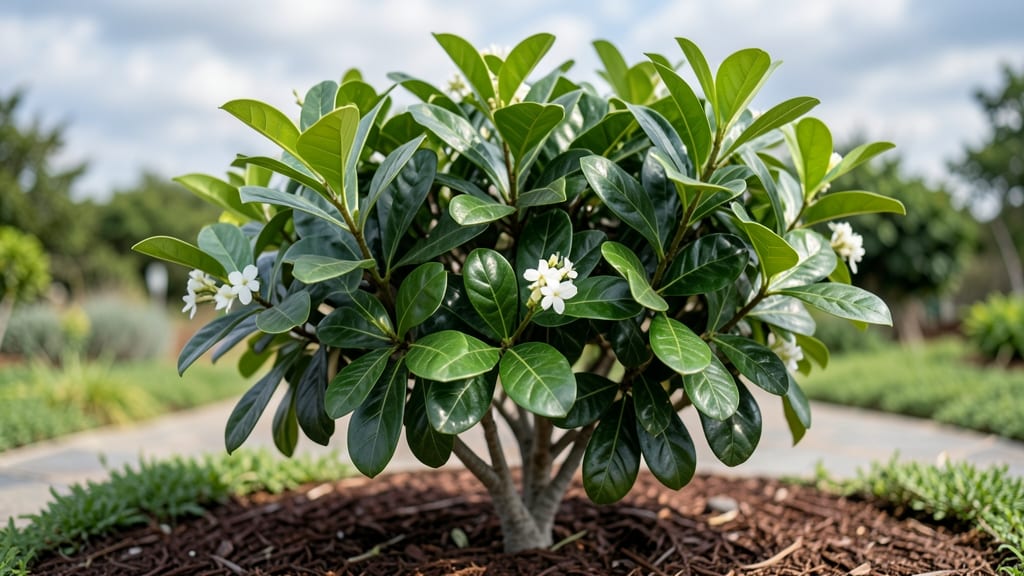
A curry leaf tree height can reach 10 to 20 feet when grown in ideal conditions, making it a medium-sized tree with a sturdy, tropical presence.
If you're dreaming of a fragrant, low-maintenance tree that boosts your cooking while adding tropical charm to your garden, the curry leaf tree might be perfect—but first, you need to know how tall it can grow and how to control its size.
This evergreen plant thrives in warm climates like USDA Zone 6a and beyond, where it naturally grows taller, but with the right pruning techniques, you can keep it compact and manageable.
Below, I’ll break down how fast it grows, what affects its height, and the best pruning tips to shape it exactly how you want.

How tall does a curry leaf tree grow naturally?
The curry leaf tree (Murraya koenigii) is a stunning tropical plant that can reach impressive heights when grown in ideal conditions.
In its natural habitat—warm, humid climates like India and Southeast Asia—this evergreen tree typically matures between 10 to 20 feet tall, with a spread of about 10 to 15 feet.
If you're planning to grow one in your garden, understanding its natural growth pattern will help you decide where to plant it and how to manage its size over time.
For gardeners in USDA zones 9-11, the curry leaf tree thrives outdoors year-round, reaching its full height potential. In cooler zones (like 8 or below), it’s often grown as a potted plant or brought indoors during winter, which can slightly limit its height.
The key factors influencing its size include sunlight exposure, soil quality, and regular pruning practices.
🌱 Key Takeaway: Without pruning, a curry leaf tree can grow 10-20 feet tall, but with strategic trimming, you can keep it smaller—even as a compact shrub. Let’s break down how climate, care, and location impact its mature height.
In full sun conditions, a curry leaf tree grows fastest, often adding 1-2 feet per year in its early years. By year 3, you’ll notice it reaching 8-12 feet tall, and by maturity (around 5-7 years), it can easily top 15 feet if left unpruned.
If you’re in a cooler zone, expect slightly slower growth—perhaps 6-10 feet over the same period.
Your location matters. In tropical regions, these trees grow wild and can exceed 20 feet, while in temperate zones, they may stay shorter unless given extra care.
For example, in Florida or California, they thrive outdoors and reach their full height, but in Texas or Arizona, they might need winter protection, which can slightly stunt their growth.
Another critical factor is soil drainage. Curry leaf trees hate soggy roots, so planting in well-draining soil with a mix of compost encourages healthier, faster growth. Poor drainage can stress the tree, leading to stunted growth or even disease.
If your soil is heavy clay, consider amending it with sand or organic matter to improve aeration.
If you’re growing your curry leaf tree in a container, its height will naturally be limited by pot size. A 15-gallon pot can keep it around 6-8 feet tall, while a 5-gallon pot might restrict it to 3-5 feet.
Potted trees also benefit from regular root pruning to encourage bushier growth rather than vertical stretching.
For gardeners with limited space, pruning is your best friend. By trimming back new growth in late winter or early spring, you can shape the tree into a smaller shrub-like form.
Focus on removing overly long branches and thinning out crowded areas to improve airflow and light penetration. Just avoid heavy pruning in fall, as this can stress the tree before winter.
One common misconception is that curry leaf trees grow too quickly and become unmanageable. While they do grow faster than many other tropical trees, their growth rate slows significantly after 5 years.
With consistent care, you can enjoy a manageable-sized tree that fits your garden while still producing abundant, fragrant leaves for your kitchen.
🌿 Pro Tip: If you’re growing a curry leaf tree for its leaves (not just its height), avoid over-pruning. The tree produces new leaves year-round, but heavy trimming can reduce yield. Aim to harvest no more than 1/3 of the foliage at a time to keep it productive and healthy.
Pruning tips to control curry leaf tree height and shape
Pruning your curry leaf tree (Murraya koenigii) is essential to manage its height and encourage a bushier shape without harming its foliage. This tropical tree can reach 10-20 feet tall if left unpruned, but with the right techniques, you can keep it compact and full.
Start by understanding the best pruning seasons—early spring or late winter—when the tree is just waking up from dormancy but before new growth bursts forth.
Before you begin, gather your pruning tools: sharp bypass pruners for smaller branches, loppers for thicker stems, and a sterilized saw for any large limbs. Always disinfect your tools with rubbing alcohol to prevent spreading disease.
Wear gloves to protect your hands from thorns and sap. The key is to prune just above a leaf node or bud to encourage new growth in the right direction.
- 1 Identify the target branches: Look for overgrown vertical branches or those growing inward. These are your priority cuts to control height and open up the canopy for better airflow.
- 2 Make clean cuts: Use your pruners to cut at a 45-degree angle just above a leaf node. Avoid leaving stubs, which can attract pests or rot. For thicker branches, use loppers and make the cut 1/4 inch above a bud.
- 3 Encourage bushier growth: Prune the topmost branches to promote lateral growth. This technique, called heading back, signals the tree to grow wider rather than taller. Focus on the outer third of the tree to maintain a natural shape.
- 4 Remove dead or diseased wood: Inspect the tree for yellowing leaves, mushroom growth, or cracked bark. Cut these out immediately to prevent the spread of disease. Dispose of infected branches in the trash, not your compost bin.
- 5 Thin out crowded areas: If branches are rubbing together, they can damage each other and create entry points for pests. Remove one-third of the oldest branches to improve airflow and sunlight penetration to the inner foliage.
- 6 Fertilize after pruning: Apply a balanced fertilizer (10-10-10) to support new growth. Water the tree deeply to help it recover from the pruning stress. Avoid heavy pruning in summer, as it can stress the tree during peak heat.
To maintain your curry leaf tree’s desired height, prune it annually in early spring. If you notice it growing too tall between pruning sessions, do a light trim in late summer to slow vertical growth.
Always step back and assess the tree’s shape after pruning—this helps you visualize the final look and make adjustments as needed.
For a bushier appearance, avoid pruning the central leader (the main vertical stem) unless absolutely necessary. Instead, focus on lateral branches to encourage a fuller, more compact form.
With patience and consistent pruning, you can keep your curry leaf tree at a manageable 6-8 feet tall while enjoying its aromatic leaves year-round.
Remember, over-pruning can weaken the tree and reduce leaf production. Aim to remove no more than 25% of the foliage in a single session. Your goal is to shape, not stunt, the tree’s natural growth.
With the right approach, your curry leaf tree will thrive as both a culinary asset and a garden showpiece.